Porto de Galinhas
Destination
Explore Porto Velho, the capital of Rondônia! Discover cultural attractions, tours, and everything to do in this vibrant city of Northern Brazil.
Porto Velho · RO · Brasil
Photos
Discover the landscapes and culture of Porto Velho
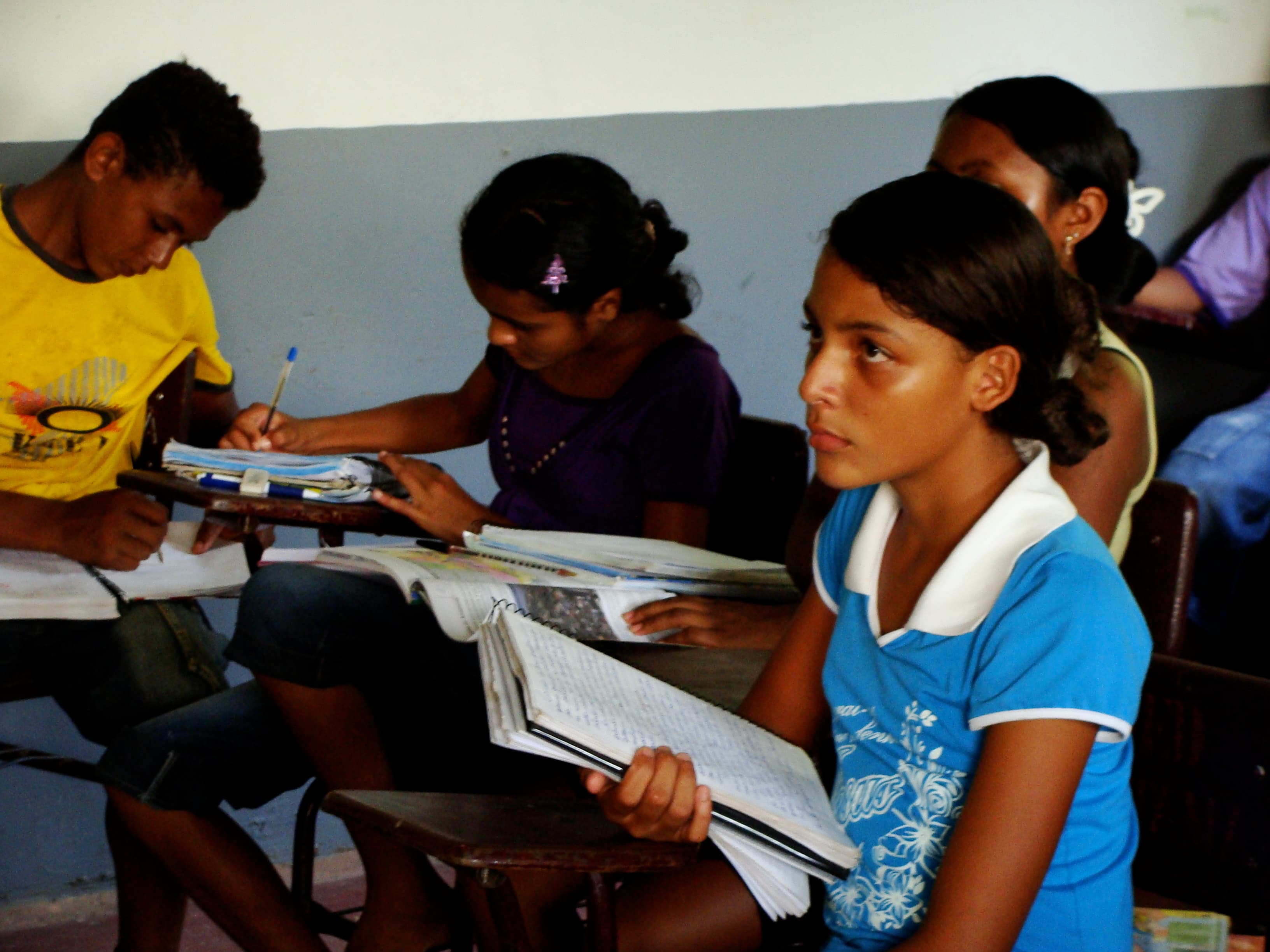
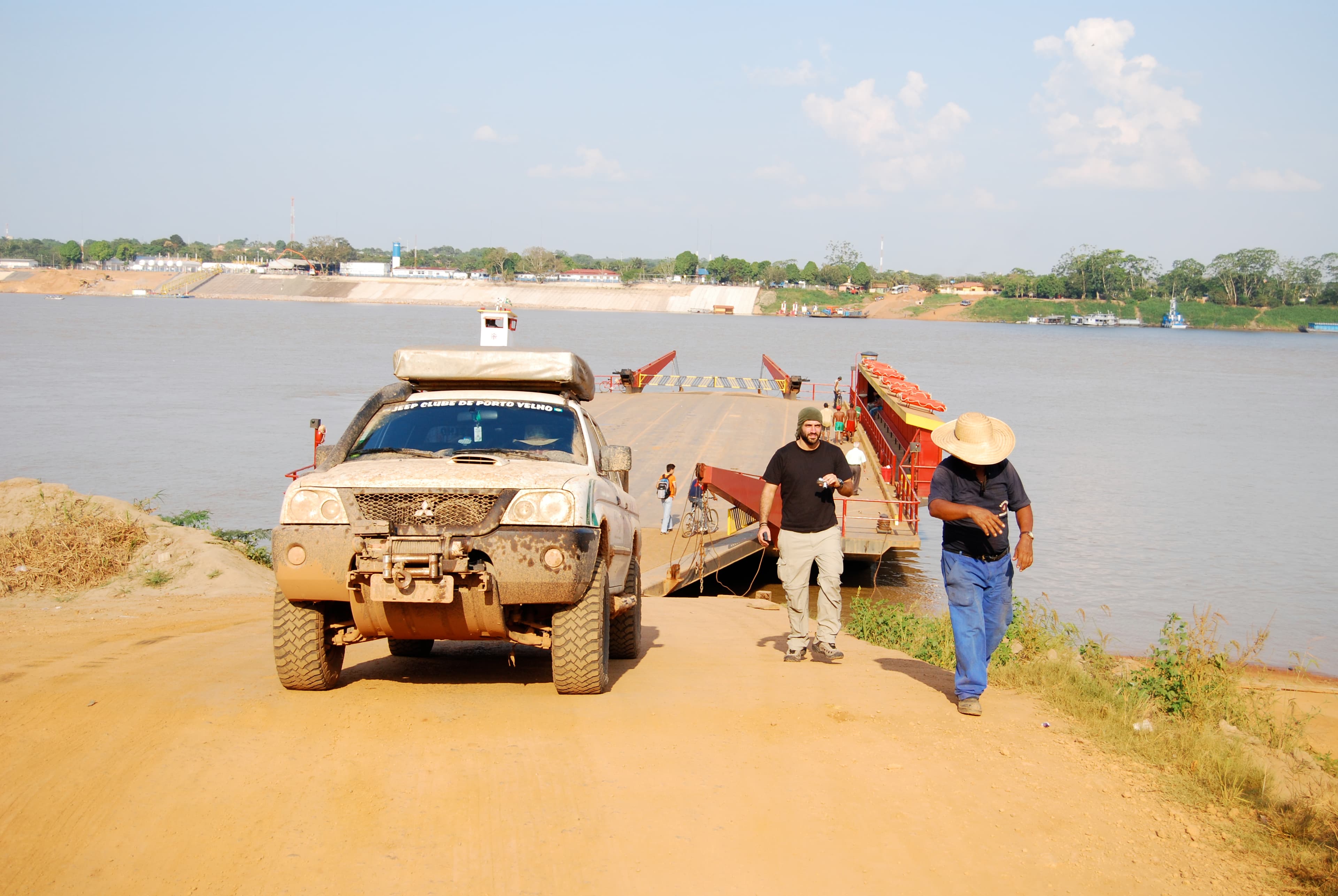
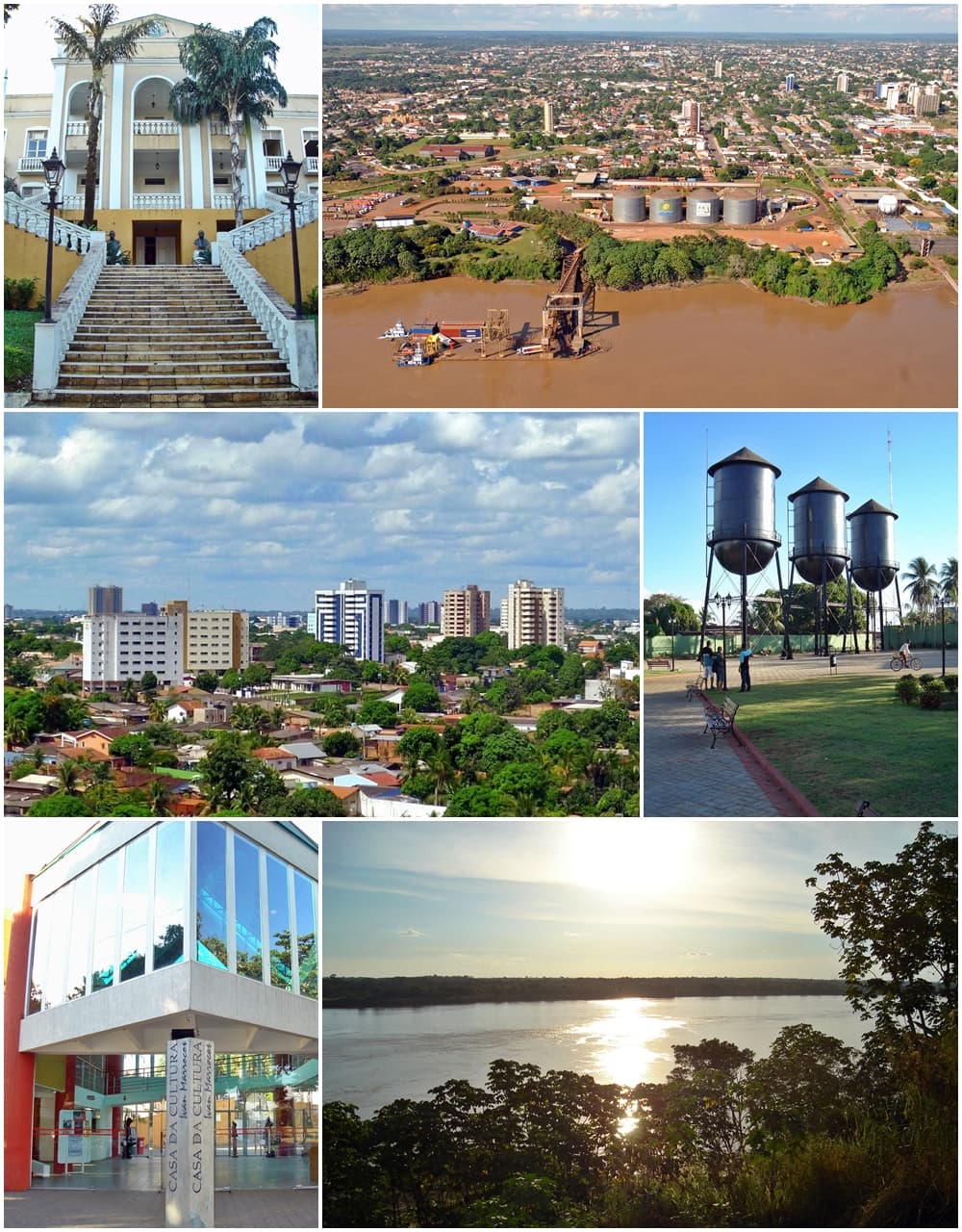
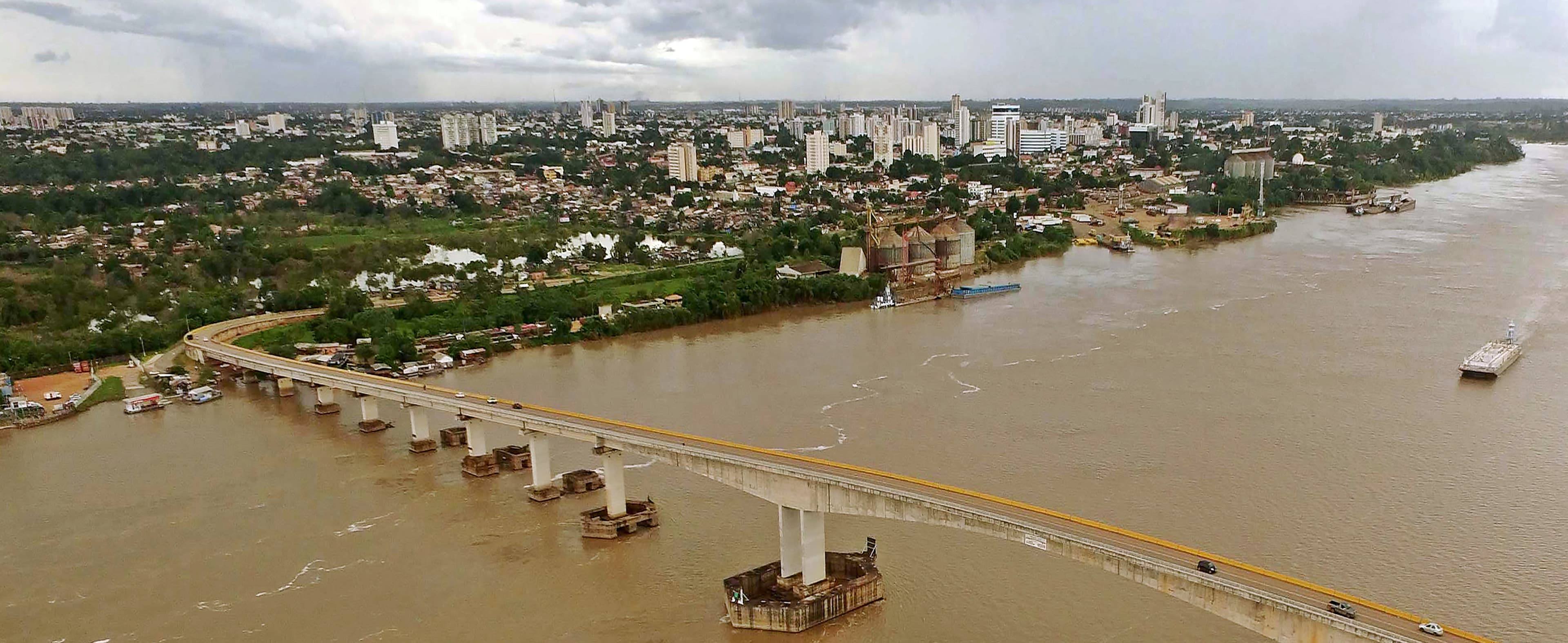
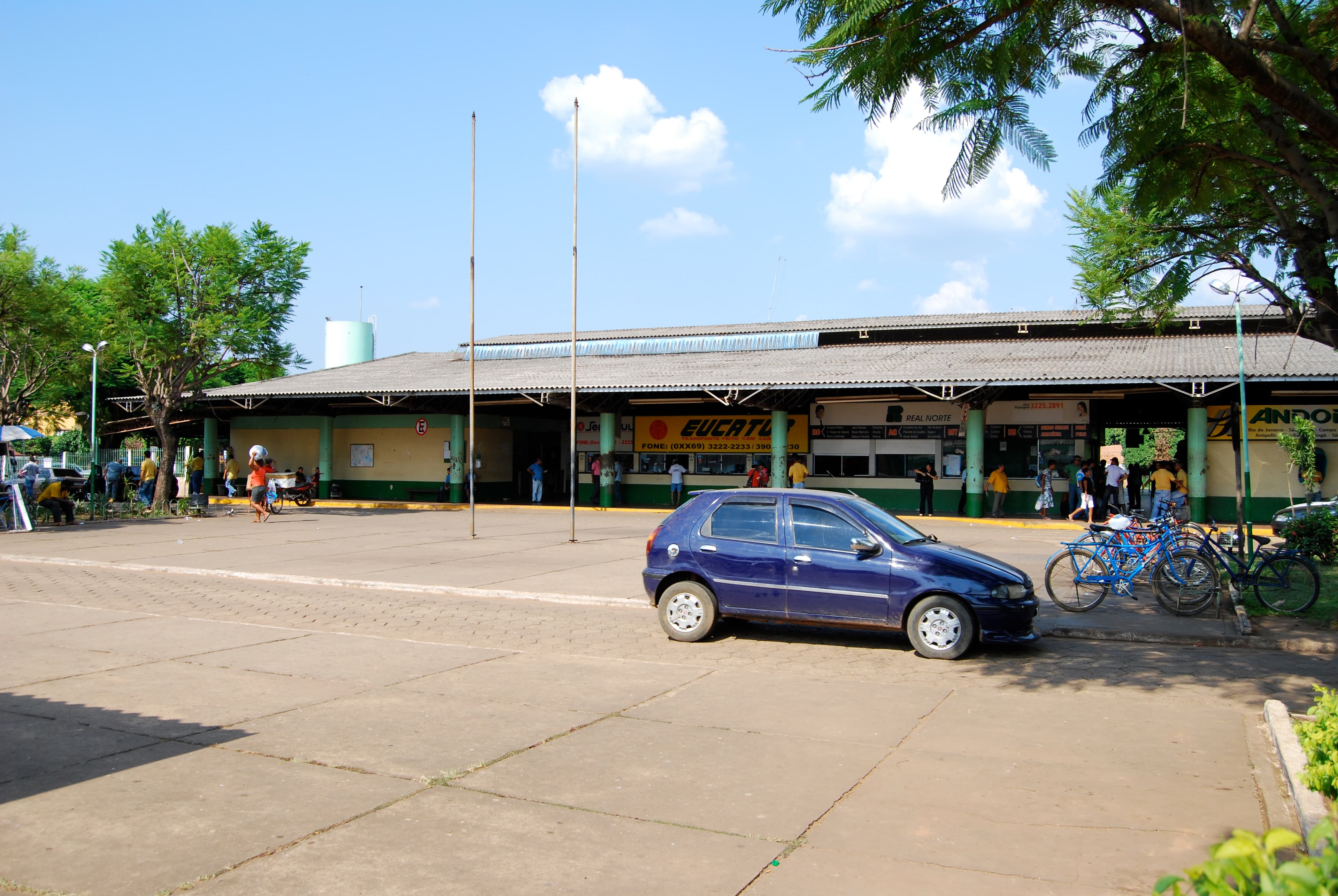
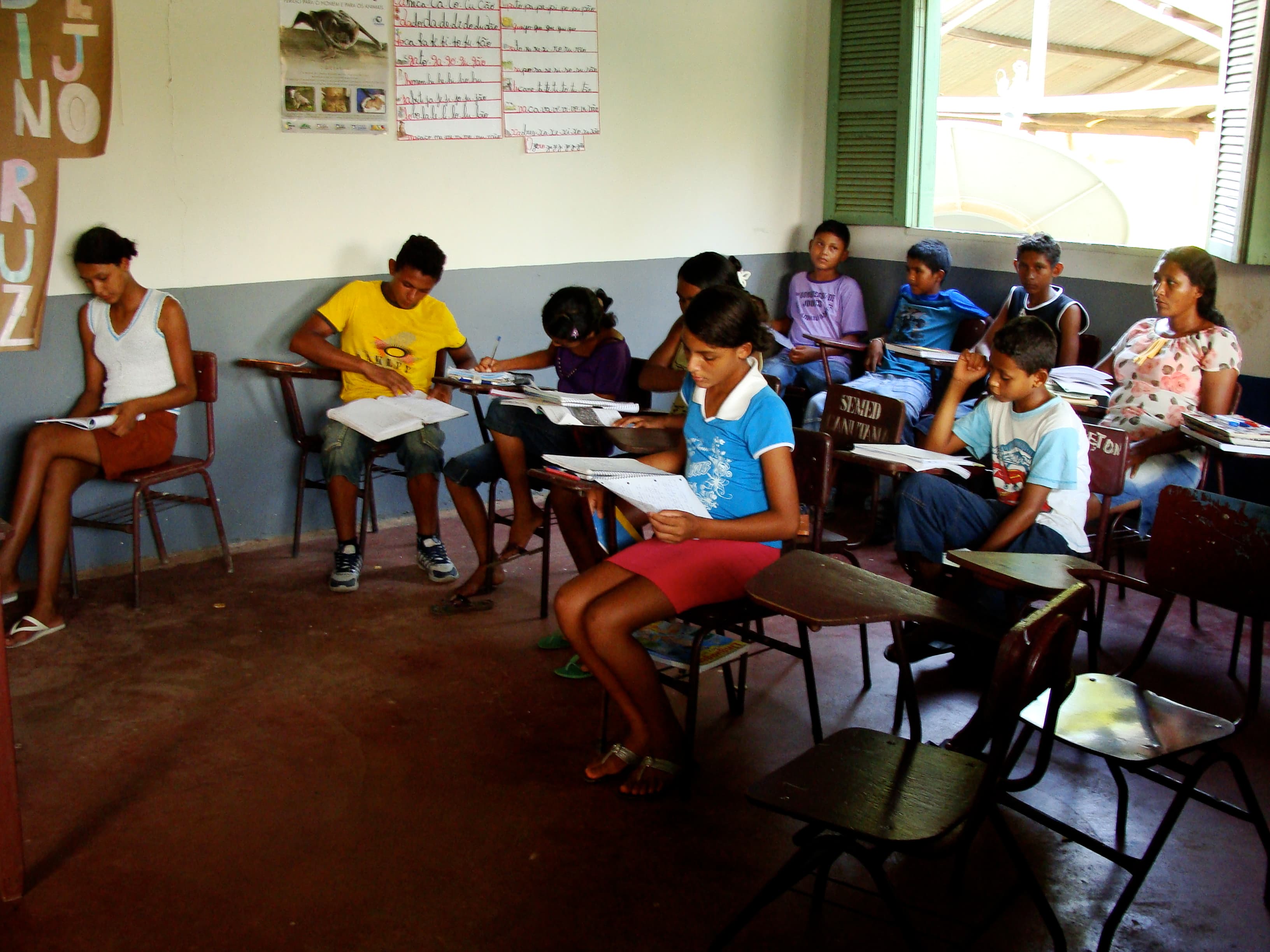
Editorial guide with history, culture, and practical tips to plan your trip.
Porto Velho emerges as the vibrant and strategic urban hub of Rondônia, serving as the capital of the Brazilian state. More than just an administrative center, this city represents a crucial point of cultural and logistical convergence in the North Region. According to robust data collected by the Brazilian Institute of Geography and Statistics (IBGE) during the 2022 Census, Porto Velho boasts an expressive population, estimated at approximately 460,434 inhabitants. This number not only establishes it as the most populous municipality within Rondônia's state boundaries. Its demographic magnitude places it in a position of prominence on both the national and regional stages.
The population size is a clear indicator of its growing role in the federation, reflecting a dynamism that attracts residents and investments due to its strategic location and developing infrastructure. The capital is positioned to be the economic and social engine for all of Rondônia, receiving constant flows of people and commercial activities that reinforce its identity as an expanding metropolitan center.
Although the city’s detailed history is rich with narratives of regional development, Porto Velho has consolidated itself over time as the administrative and population epicenter of Rondônia. Its trajectory reflects the great movements of occupation and development in the Brazilian Amazon regions. The strategic importance of the area has always been linked to access routes and the economic potential of natural resources, making it an inevitable destination for colonization and urban growth.
Establishing Porto Velho as the capital ensured not only a robust governmental structure but also a development catalyst that shaped its current profile. The city grew alongside this institutional need, transforming into a core that articulates different sectors of the economy and receives the influence of diverse migratory cultures over the decades. Its history is, therefore, told in layers of growth, superimposing Amazonian regional tradition with the vigor of an ascending metropolis.
Porto Velho’s culture is a fascinating mosaic resulting from the meeting of regional influences and vibrant urban life. As the state capital, it draws upon the cultural diversity of all of Rondônia and various Brazilian regions. This fusion manifests in gastronomy, folklore festivals, and the way inhabitants interact with their tropical environment.
Local culture deeply carries the mark of the Amazon—an intrinsic connection to its rivers, forests, and the rhythm of life that unfolds in this magnificent biome. However, while maintaining this strong regional essence, Porto Velho displays modern urban dynamism. The rhythms of samba, popular festivities, and cuisine that mixes Amazonian ingredients with contemporary gastronomic techniques are reflections of this unique cultural balance. It is a culture of welcome and resilience, typical of large expanding centers in the North Region.
Located in the state of Rondônia, Porto Velho has a geographical position that grants it great strategic importance within the North Region of Brazil. Its geography is marked by Amazonian influence and intense urban development that expands over the natural landscape. Being in the state capital means being at a focal point where communication routes, both land and riverine, converge.
The surrounding environment mixes lush natural landscapes with the growing infrastructure of the metropolis. This geographic interface allows Porto Velho to serve as a gateway for exploring Amazonian ecosystems and the interior of Rondônia. Its location is not just a point on the map; it is a vital node that connects modern human development with the majesty of biodiversity, guaranteeing multiple geographical perspectives for the visitor.
Porto Velho’s climate is directly linked to the general climatic characteristics of the Amazon biome. Therefore, one expects a tropical climate regime, characterized by high temperatures and high pluviosity for most of the year. This combination of climate sustains the region's exuberant flora and fauna.
The equatorial or Amazonian climate gives the city a vibrant environment but requires visitors to prepare for variations in humidity and intense heat. The rainy season contributes to maintaining lush green landscapes in urban and rural areas, while seasonal transitions are marked by the persistence of tropical plant life. It is a climate that pulses with the constant rhythm of the Amazonian nature, being a determining factor in the atmosphere and daily life of the city.
Tourism in Porto Velho is multifaceted. Although it is primarily a service and commercial urban center, it functions as the main portal for tourist experiences that explore Northern Brazilian culture and the Amazon’s environmental grandeur. Travelers here can combine exploring the lively life of a fully developed state capital with excursions diving into intact nature.
The tourist attraction goes beyond central points. The city is an ideal starting point to learn about the rich riverside culture, participate in observing Amazonian fauna and flora, and experience the daily life of communities along the rivers that shaped its development. The tourism focus is on presenting a complete view of Rondônia: urban dynamism and green immensity. Tourist activities are designed to offer everything from profound cultural trips to exciting ecological adventures.
Porto Velho has demographic data that highlights its regional importance within the Brazilian context, establishing it as a notable population hub. As surveyed by the IBGE in 2022, the city registers a population of 460,434 inhabitants.
The demographic rankings are particularly interesting: it is the municipality that leads in population within Rondônia state itself. In a broader view, the capital establishes itself as the fourth most populous municipality in the vast North Region of Brazil, competing with giants like Manaus, Belém, and Ananindeua. Nationally, its demographic strength places it comfortably among Brazilian municipalities, ranking at the 49th level of inhabitants.
Its institutional status is also noteworthy: Porto Velho is considered the 22nd state capital in Brazil in terms of highest population as of 2022. These data prove not only the city's continuous growth but also its increasing relevance within Brazil’s cartography and economy.
Everything you need to know to plan your trip
Currency
BRL
Language
pt-BR
Reference figures to help plan your trip
Attractions
9
Selected stays available to book
Hotels and experiences in the area
Everything you need to know to plan your trip
Porto Velho is a Brazilian municipality and the capital of the state of Rondônia, in the North Region.
According to the 2022 Census data, the city has an estimated population of 460,434 inhabitants.
It is the most populous municipality in Rondônia and the fourth most populous in the North Region, also being the 49th most populous among all Brazilian municipalities.
The city is recognized as one of the main state capitals in the country, ranking as the 22nd state capital with the highest population in its state.
Extend your trip to incredible destinations nearby
We personalize every moment of your journey — from iconic landmarks to hidden cultural gems.
Available 24/7 · Personalized consultations · Local expertise
Updated on June 7, 2026
Sources