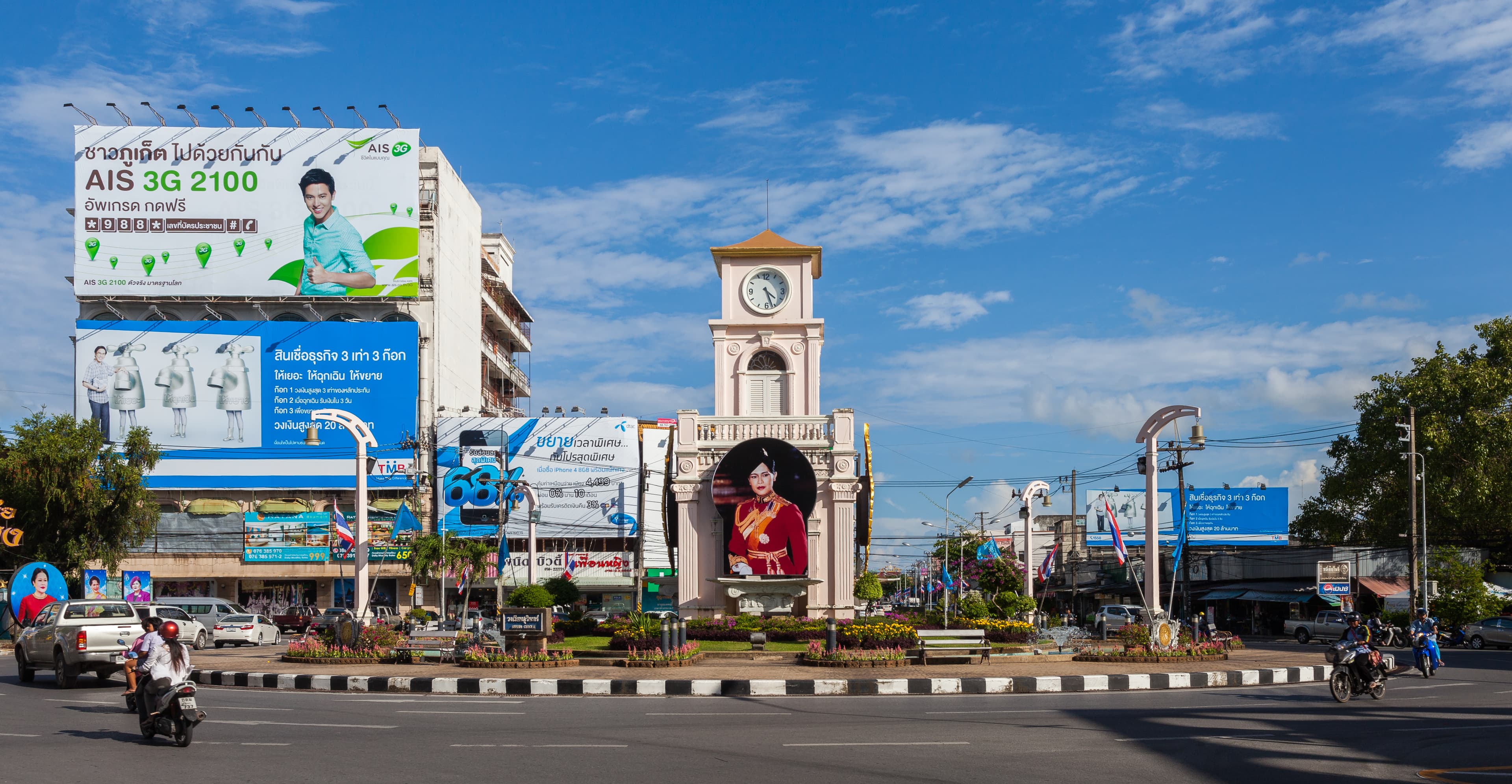
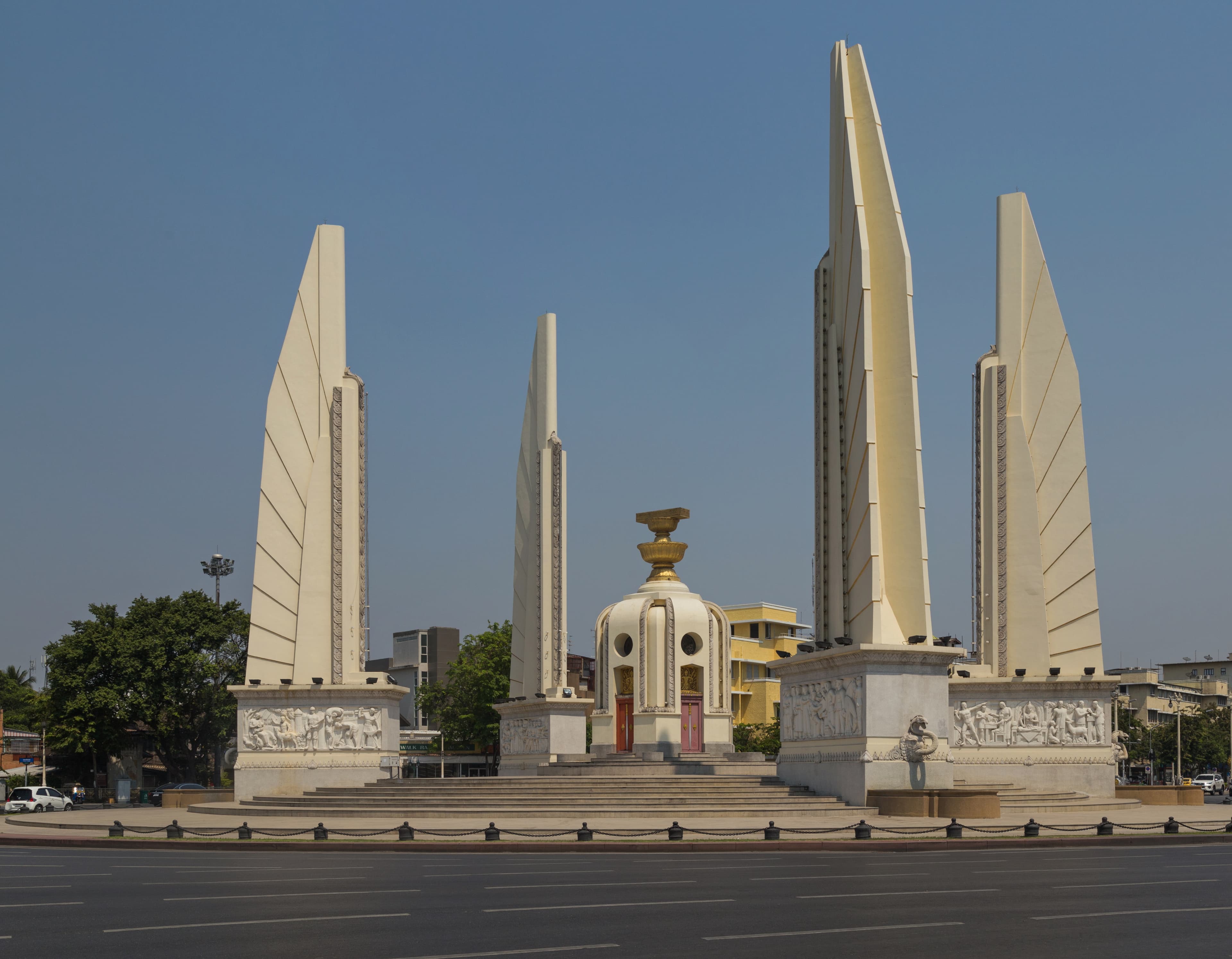
All destinations
Destination
Bangkok
Explore Bangkok! Discover the unique blend of historical richness and modern life. Immerse yourself in Thai culture, take a boat ride on the Chao Phraya River, and explore vibrant markets.
Bangkok · Brasil
Photos
Visual journey
Discover the landscapes and culture of Bangkok
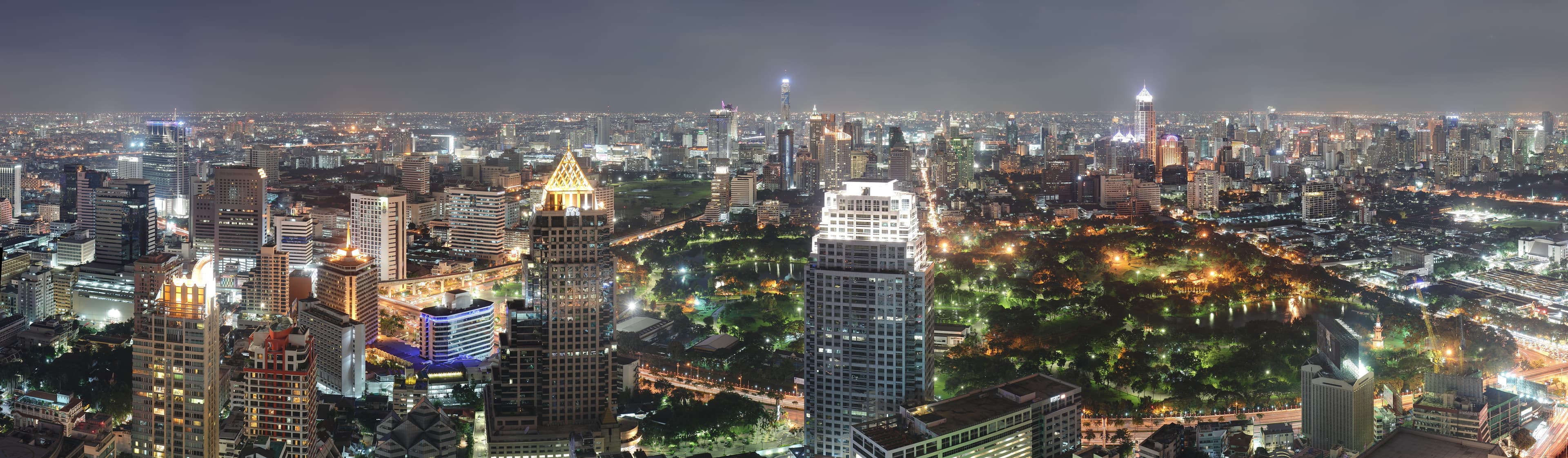
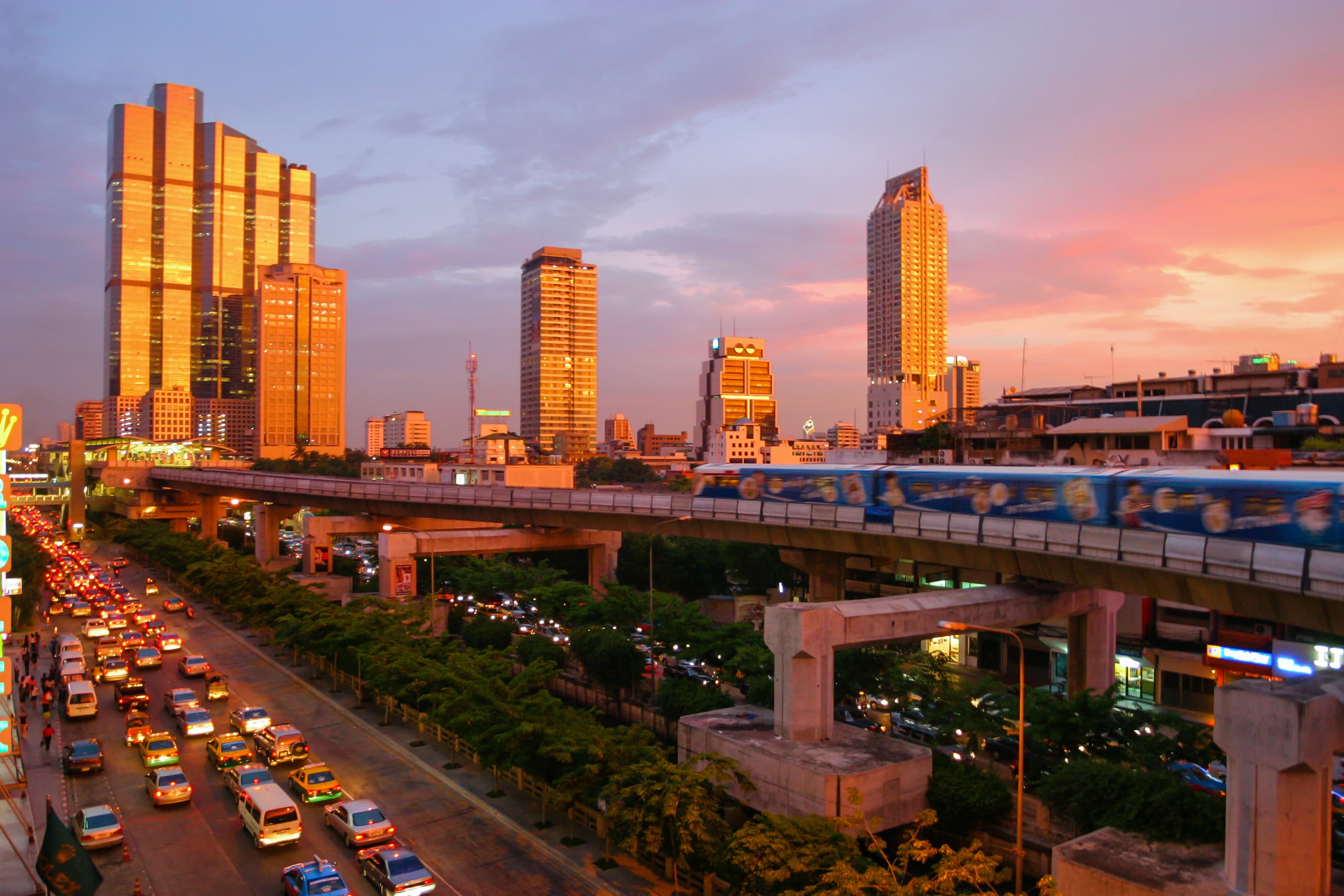
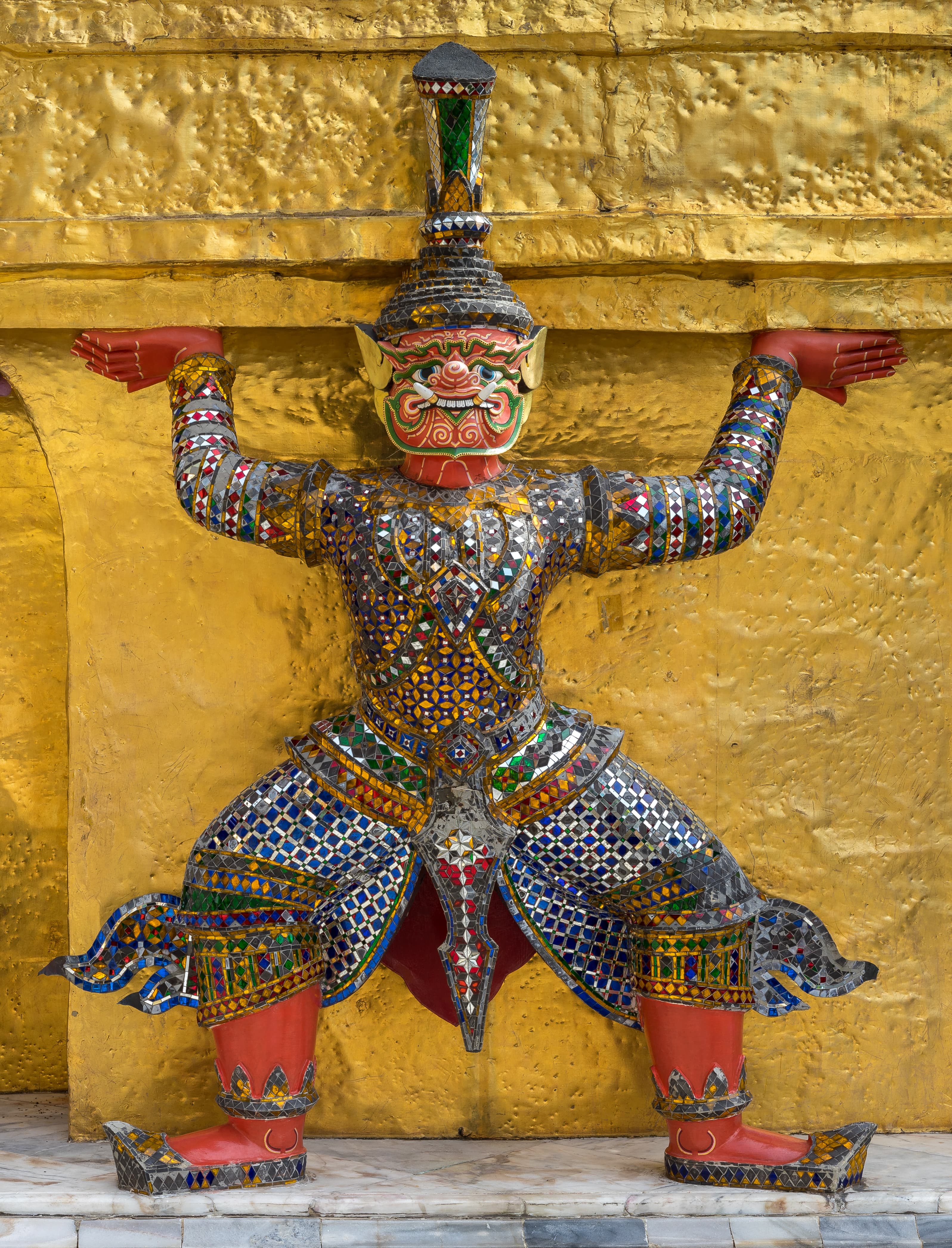
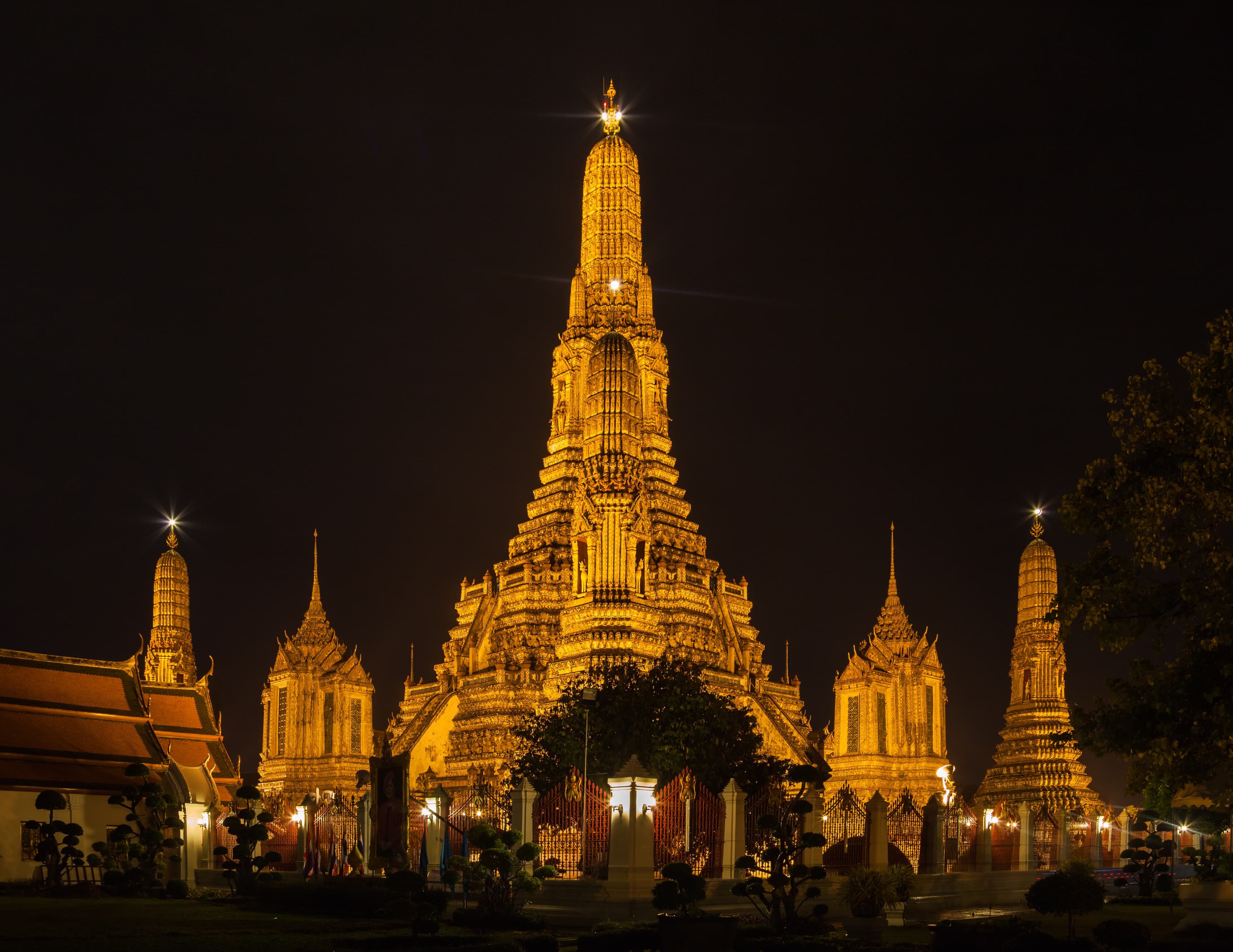
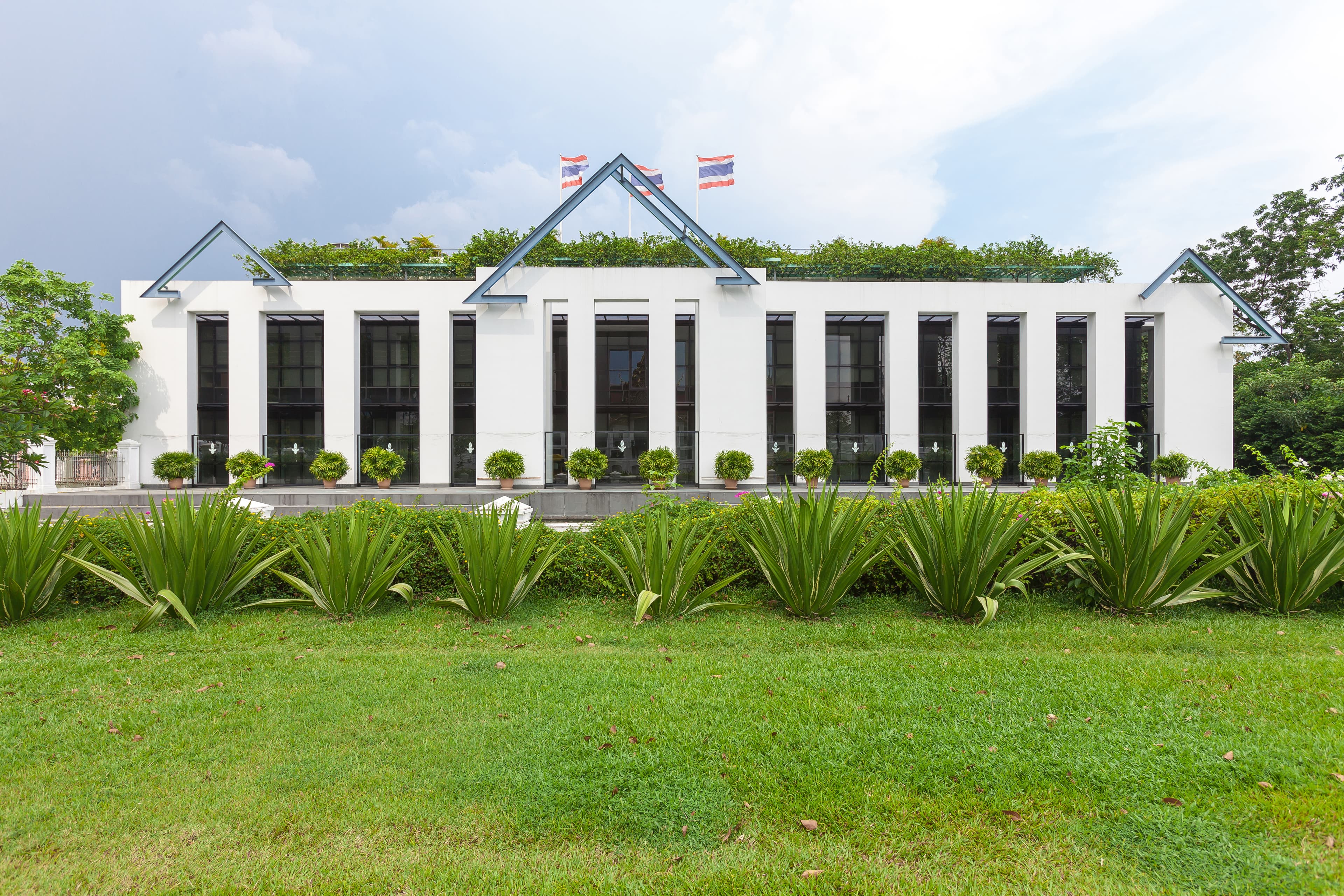
The spirit of Bangkok
Editorial guide with history, culture, and practical tips to plan your trip.
About
Banguecoque, a name that echoes with the grandeur and complexity of a global metropolis, is more widely known by its international eponym: Bangkok. This vibrant destination carries several nicknames—such as Bankoke or even Bancoc—but one thing never fails is its undeniable status. Bangkok is not merely the capital of Thailand; it stands as the pulsating epicenter of the entire country, playing a multi-faceted and crucial role for the Thai nation.
More than just a concentration of people, it is a complex nexus where financial, corporate, mercantile, cultural, and historical forces converge. Within its vast area, Thailand's economic development is deeply concentrated in Bangkok, making it an irradiating hub of energy and commerce in the Southeast Asian region.
The demographic size is colossal and deserves immediate attention. Although the city proper recorded a considerable population—estimates pointed to around 8.28 million inhabitants in 2011—the true scope of its growth manifests in Greater Bangkok. This gigantic metropolitan area houses an impressive 14.6 million residents. This figure underlines the sheer magnitude of the region.
The human concentration is so immense that approximately 12.6% of the total national Thai population resides within the limits of this metropolitan area, positioning it not only as one of Asia's largest cities—boasting the title of tenth most populous continentally—but also as one of the world's most populous metropolitan regions, ranking thirty globally.
History
The long history of Bangkok is intrinsically linked to its strategic position and ceaseless development. Since its origins, the city has been a focal point of civilization and trade in the Chao Phraya River delta region. Its role as a commercial and cultural center is not recent, but rather the result of centuries of exchange and dominance over vital river routes.
The city's historical narrative is a fascinating mosaic that reflects the country's trajectory of power and wealth. As recognized as Thailand’s primary historic center, it preserves layers of architecture and traditions that tell stories of past empires, millennia of cultural exchanges, and the constant flourishing of arts and religions.
This historical depth is a fundamental pillar of its identity. While relentless modernization builds skyscrapers and cutting-edge corporate centers—solidifying its global financial role—the ruins, ancient temples, and colonial traces keep the memory of bygone eras alive. It is this duality that gives the experience of living or visiting Bangkok a singular and unparalleled richness.
Culture
Bangkok's culture is a vibrant, complex, and incredibly rich fabric, fueled by the confluence of diverse traditions. As Thailand’s main cultural hub, the city acts as a melting pot where artistic rhythms, religious festivities, and global influences mix in a visual and sensory symphony.
The way of life is deeply marked by religious devotion and respect for Thai traditions. Temples (or wats), which serve not only as places of worship but also as community and art centers, permeate every neighborhood, representing the spiritual strength of the people.
While the spiritual side is evident in the colors of clothing and daily rituals, the city's corporate and mercantile dynamism drives a culture of accelerated modernity. Artistic expressions range from traditional royal ceremonies to contemporary avant-garde art, reflecting a people who honor their past while embracing the future with vigor.
This cultural fusion is palpable on the streets: there are pulsing street markets where ancient commerce meets sophisticated art galleries and ultra-modern offices. It is an experience that appeals simultaneously to the adventurous tourist, the historian, and the high culture enthusiast.
Geography
Bangkok occupies a privileged and strategic geographic position in Central Thailand. Its foundation and development were profoundly influenced by the country's river geography.
The city is specifically situated in the delta of the majestic Chao Phraya River. This location is not accidental; the river served, historically and even today, as the vital artery nourishing both trade and population settlements. The capital was established on the left bank of this important waterway, and is also located near the Gulf of Thailand.
The urban area of Bangkok covers a surface of approximately 1,568.7 square kilometers. This territorial extent is enough to accommodate not only its dense citizenry but also the vast green belts and rivers that define its landscape.
This geographic configuration in a river delta guarantees a unique environment: a mega-city, highly populated—with its metropolitan area reaching 14.6 million residents—yet still deeply interconnected by water. The Chao Phraya and its tributaries are not just sights; they are the vectors that shaped the region’s economic and cultural growth.
Climate
While the provided factual material focuses on demographic, economic, and geographic aspects, it is important to note that Bangkok's climate, due to its tropical location in a river delta and proximity to the Gulf of Thailand, follows equatorial climatic patterns. This condition guarantees a warm and humid environment throughout the year.
Seasonality tends to manifest through periods of drier, milder weather, interspersed with rainy seasons. High temperatures are constant, but the tropical climate is moderated by the sea breeze from the gulf. This climatic dynamic contributes to maintaining a vibrant atmosphere, ideal for exploring both bustling markets and peaceful temples.
(Editorial Note: High humidity and high temperatures are typical features of the region, requiring visitors to plan activities considering the tropical pace and the need to adapt to constant heat.)
Tourism
Bangkok is a tourist destination that appeals to an almost infinite range of interests. Its recognition as the country's primary commercial center ensures there is always something new, modern, and fascinating to explore.
For the cultural and historical traveler, the city offers an incomparable journey through time. Ancient temples and traditional markets invite contemplation of millennial traditions. It is possible to dive into Thailand’s real history through its gilded cathedrals and preserved ruins.
For the lover of corporate dynamism, the attraction is dazzling modernity. The global financial profile ensures that Bangkok presents impressive skyscrapers, world-class shopping centers, and avant-garde culinary experiences. It is a destination where glorious past meets futuristic brilliance.
Furthermore, its status as a mercantile center attracts lovers of good deals and popular culture. River trips along the Chao Phraya are more than mere excursions; they are immersions into local life, showing the synergy between the flow of historical goods and modern tourist movement.
Fun Facts
The magnitude of Bangkok is one of its most striking facts. Its demographic numbers confer upon it a status possessed by few cities on the planet. The fact that it is the tenth most populous city in Asia underlines its continental importance and irreplaceable role in Asian dynamics.
Another notable curiosity is its vast metropolitan scope. With almost 15 million inhabitants throughout Greater Bangkok, it not only sustains a complex economy (being a financial and corporate hub) but also manages human logistics that place its region within the global top 30 most populous metropolitan areas.
Geographically, being established in the fertile delta of the Chao Phraya River is crucial. This configuration not only explains the city's historical wealth—as rivers were always the first roads—but also sustains its current economic vitality. Control over this strategic fluvial point consolidated Bangkok as the economic and cultural engine driving all of Thailand, making it a true crossroad of civilizations.
Quick facts
Everything you need to know to plan your trip
Destination at a glance
Reference figures to help plan your trip
Hotels in the area
580
Attractions
9
Best hotels
We are still connecting hotels for this destination. Search stays in the area in the meantime.
Coming soon
We are still connecting hotels for this destination. Search stays in the area in the meantime.
Search hotelsDestination map
Hotels and experiences in the area
Frequently asked questions
Everything you need to know to plan your trip
What is Bangkok's primary importance to Thailand?
Bangkok is considered the capital and the most populous center, in addition to being the main financial, corporate, mercantile, cultural, and historical hub of the country.
Where is Bangkok geographically located?
The city is situated on the left bank of the Chao Phraya River, near the Gulf of Thailand, and belongs to Central Thailand.
What is the approximate size of Bangkok's metropolitan area?
Although the city has about 8.2 million inhabitants (2011 data), Greater Bangkok as a whole has 14.6 million inhabitants.
What is the demographic impact of the metro area on Thailand's population?
The metropolitan area holds great global population relevance, as approximately 12.6% of the total national population resides in its region.
What is the physical area occupied by the city and where is it located?
Bangkok occupies 1,568.7 square kilometers in the Chao Phraya River delta.
Nearby destinations
Extend your trip to incredible destinations nearby
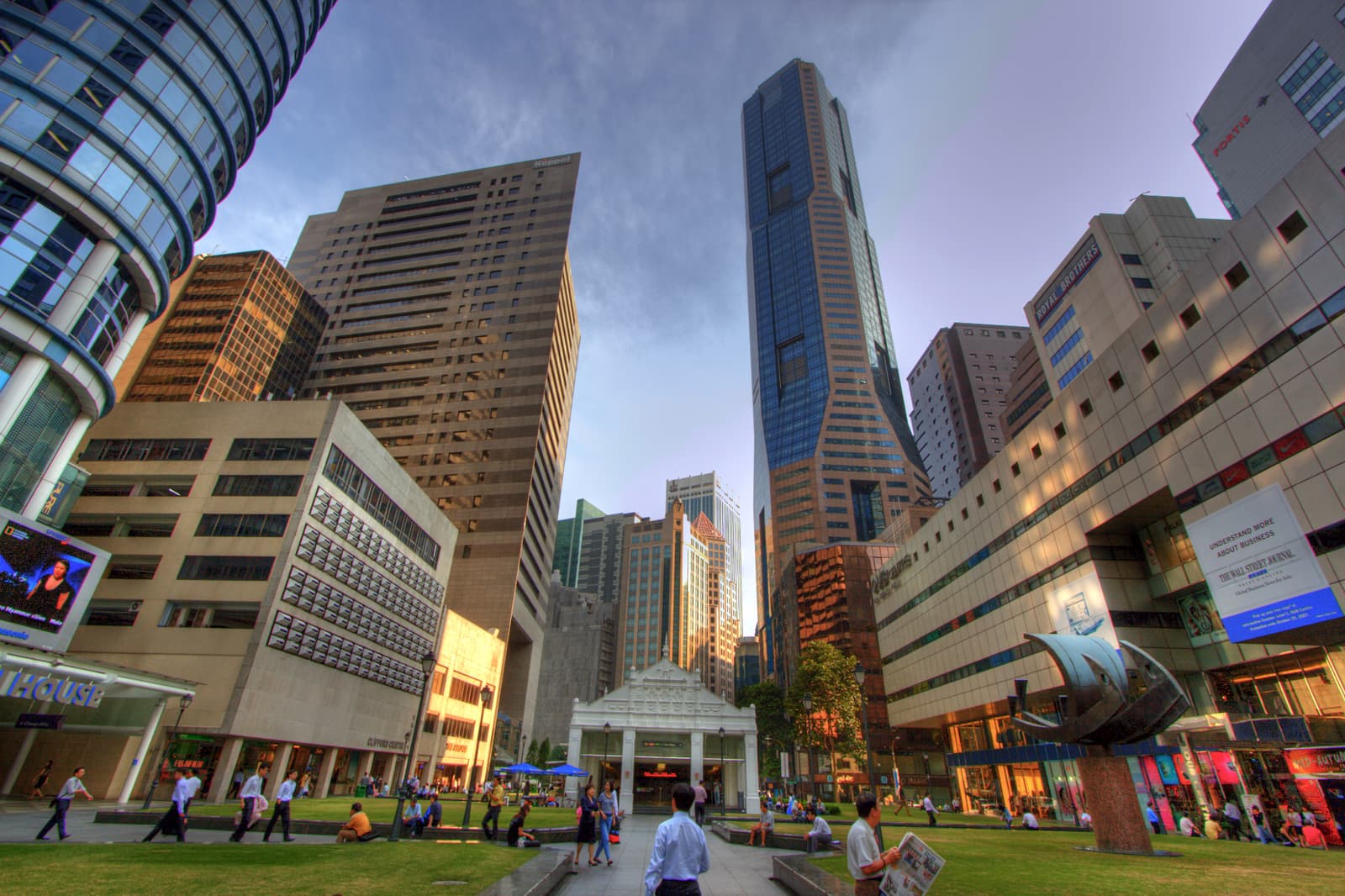

Ready to experience Bangkok?
We personalize every moment of your journey — from iconic landmarks to hidden cultural gems.
Available 24/7 · Personalized consultations · Local expertise
Updated on June 7, 2026
Sources