Cidade do Cabo

Destination
Discover Cape Town! Explore the stunning Table Mountain, vibrant beaches, and unique charm of the South African coast. An unmissable destination.
Cidade do Cabo · Brasil
Photos
Discover the landscapes and culture of Cape Town
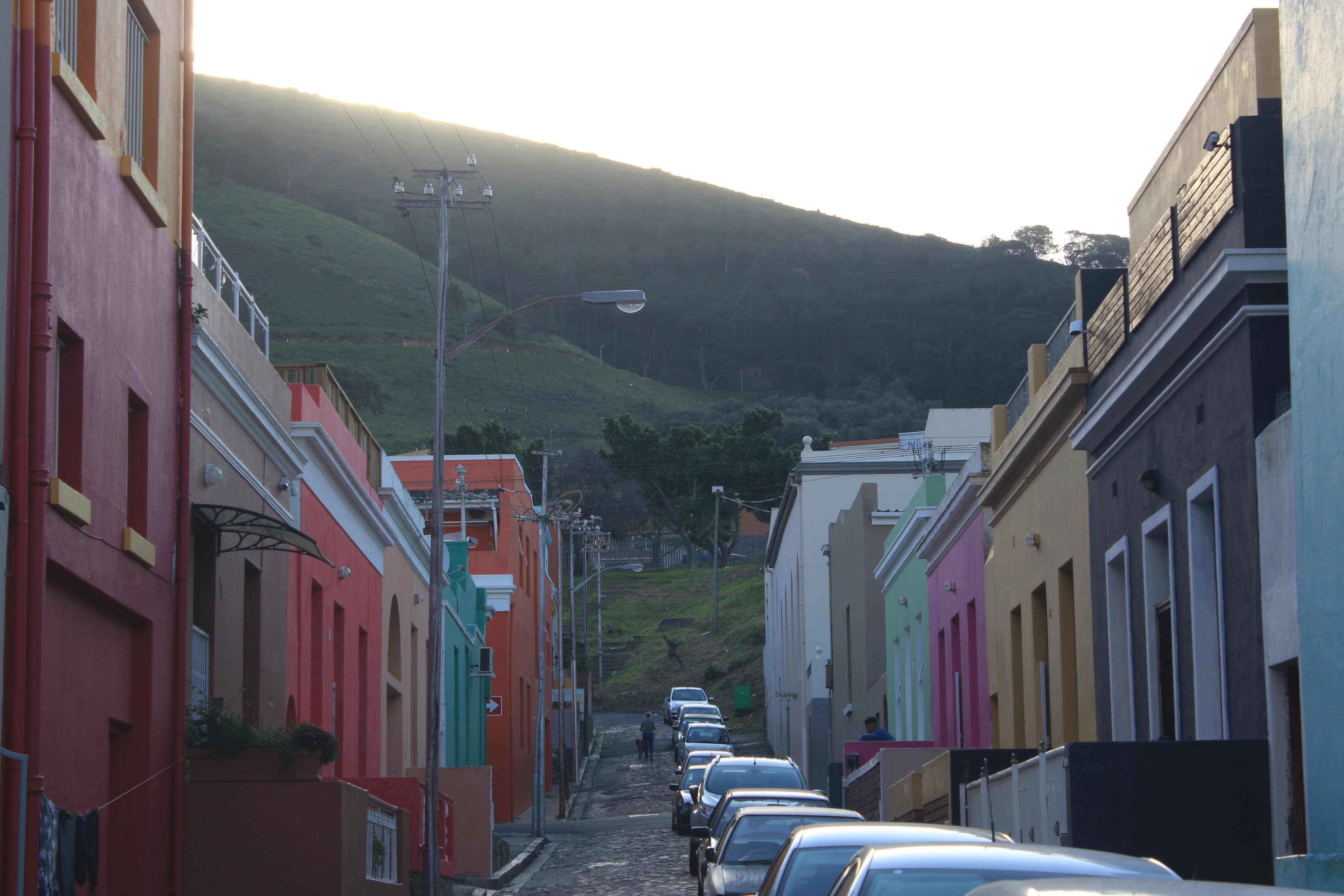
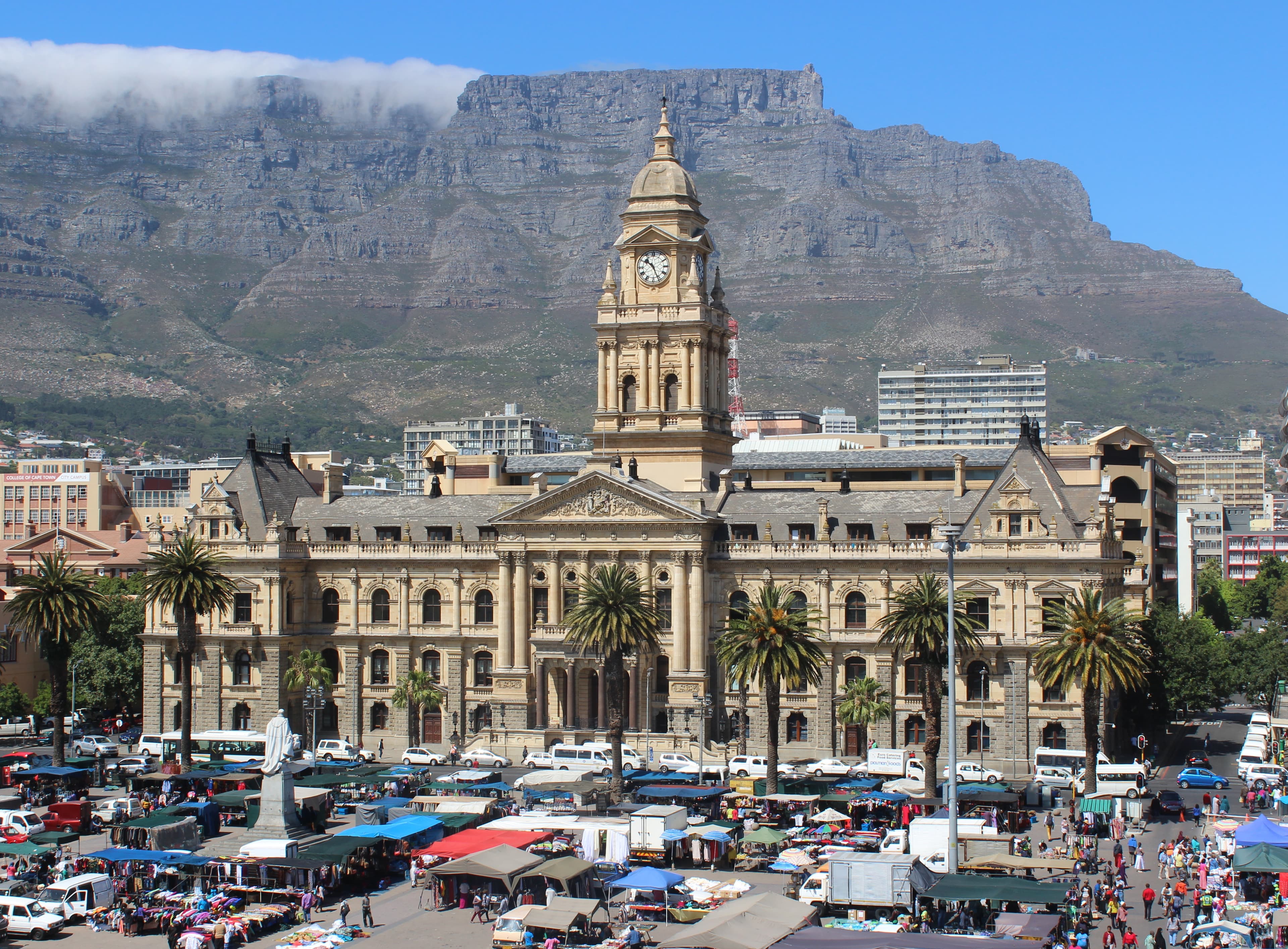
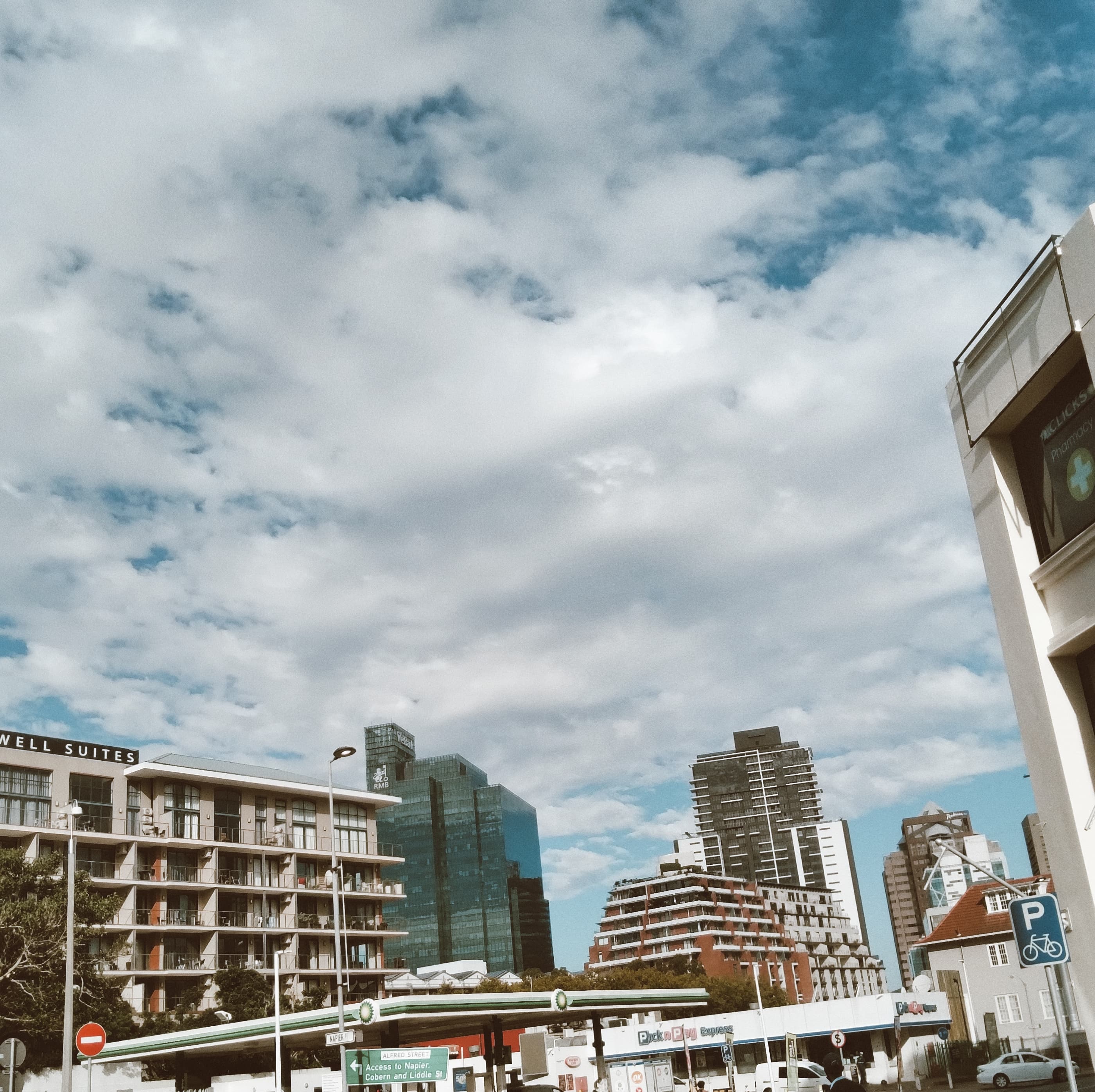
Editorial guide with history, culture, and practical tips to plan your trip.
Situated in the heart of the Western Cape province, in vibrant South Africa, Cape Town is not merely a coastal passing point; it is a multifaceted and historically significant hub. This majestic city resides within the Metropolitan Municipality bearing its name, solidifying itself as a vital center of national and regional importance.
More than just a metropolitan coast, Cape Town performs vital functions for the South African government. It holds the title of the country's legislative capital, serving as the venue for crucial bodies like the National Parliament. Furthermore, its role is reinforced by its status as the provincial capital of the province it resides in, ensuring that a vast network of governmental offices and political decisions are concentrated there.
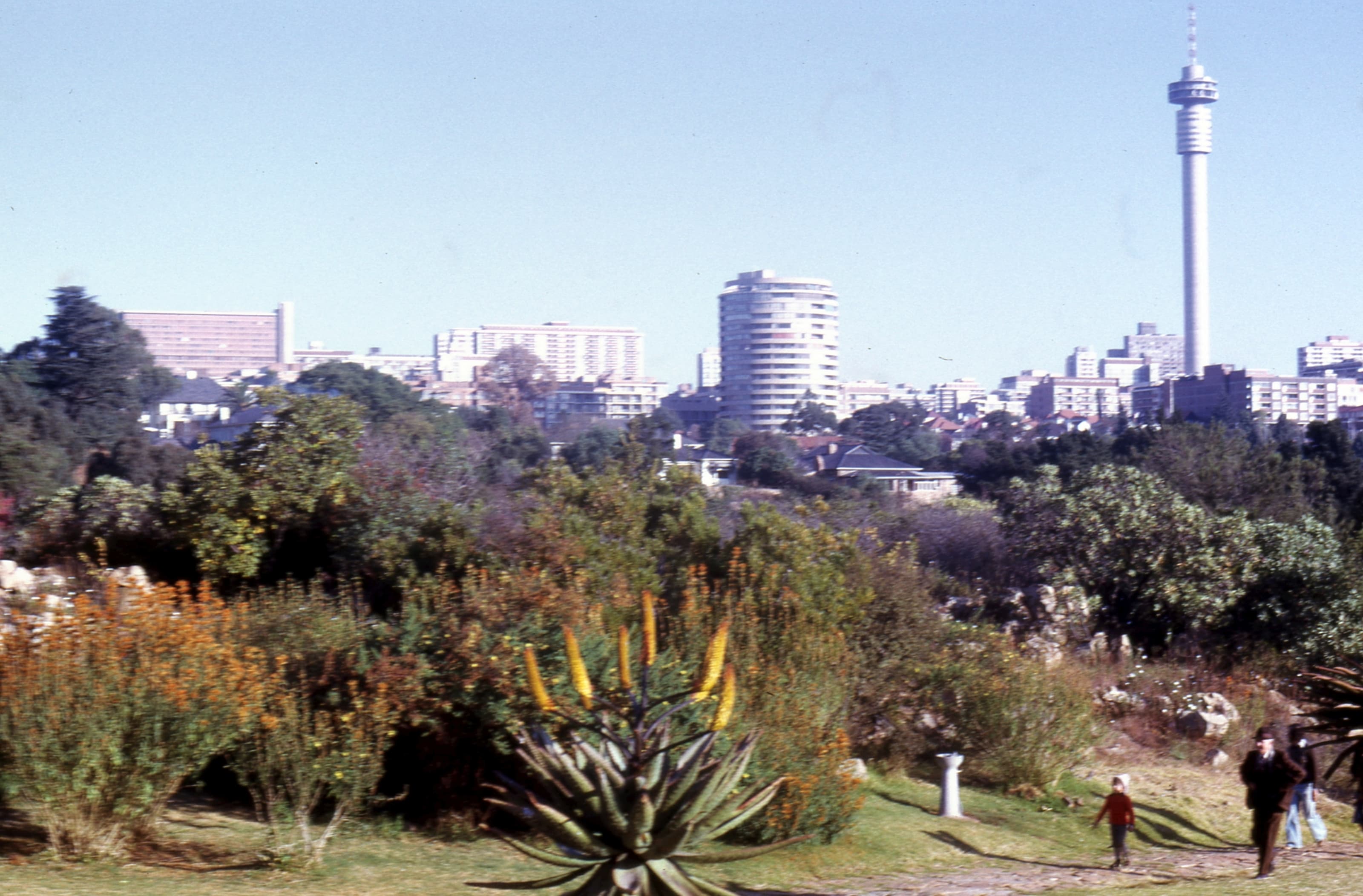
Demographically, it maintains considerable prominence in the South African landscape. It is recognized as the second most populous city in the country, ranking only after Johannesburg. This population volume sustains not only a large workforce but also one of the nation's largest urban, financial, and cultural cores.
What distinguishes Cape Town since its founding is the perfect combination between impressive modern urban architecture and the natural spectacle surrounding it. This unique balance—where governmental structures and financial centers pulsate side by side with breathtaking maritime landscapes, such as iconic mountains and bays—gives the city an unparalleled character on the world map.
The trajectory of Cape Town is marked by constant evolution, transitioning from a strategic settlement to become one of the country's largest economic and administrative centers. Its history cannot be separated from its geographical role; the natural harbor that welcomed it has always been fundamental to its rise.
Over the years, the city developed a complex urban structure, growing in importance until establishing itself as an important financial and cultural engine. Its continuous growth reflects not only a population increase—making it the second most populated core after Johannesburg—but also a consolidation of its political role on the national stage.
The presence of the National Parliament in Cape Town underlines that, at various points in its history, it was recognized as the decision-making center for South African public policies. This legislative and governmental function is a historical legacy that shaped its infrastructural and social development. The city absorbed and adapted different influences, building a rich and stratified identity over time.
This historical evolution allowed Cape Town not only to survive economic cycles but to thrive until it became a nationally recognized world tourist destination. Its history is, therefore, a narrative of resilience and adaptability, anchored in its privileged location in the Western Cape province.
Cape Town's cultural profile is as vibrant as its coastline. Being classified as the second most populous urban, financial, and cultural core of the country, it houses a rich tapestry of ethnic, economic, and artistic influences.
The local culture is a direct reflection of its multifaceted history and its role as a legislative capital. The coexistence of different population groups has resulted in a unique cultural mosaic, where traditions intertwine with globalized modernity. This diversity enriches daily life, manifesting from gastronomy to performing arts.
The cultural environment is stimulated by its status as a major financial center. Economic wealth and energy attract creative talent, artists, and intellectuals, ensuring that the artistic movement remains constant. It is a place where political debate (given its legislative seat) meets artistic expression in a continuous flow.
Beyond government power centers, it is in daily life that the city's cultural soul reveals itself. Its inhabitants celebrate their sense of belonging to the Western Cape, celebrating a culture deeply linked to the natural beauty surrounding them and the historical landmarks of the harbor, making geography itself a central component of its collective identity.
Cape Town is geographically located in the heart of the Metropolitan Municipality of the same name, within the Western Cape province, on South African soil. Its position is not accidental; it was determined by an extraordinary and crucial natural factor: its natural harbor.
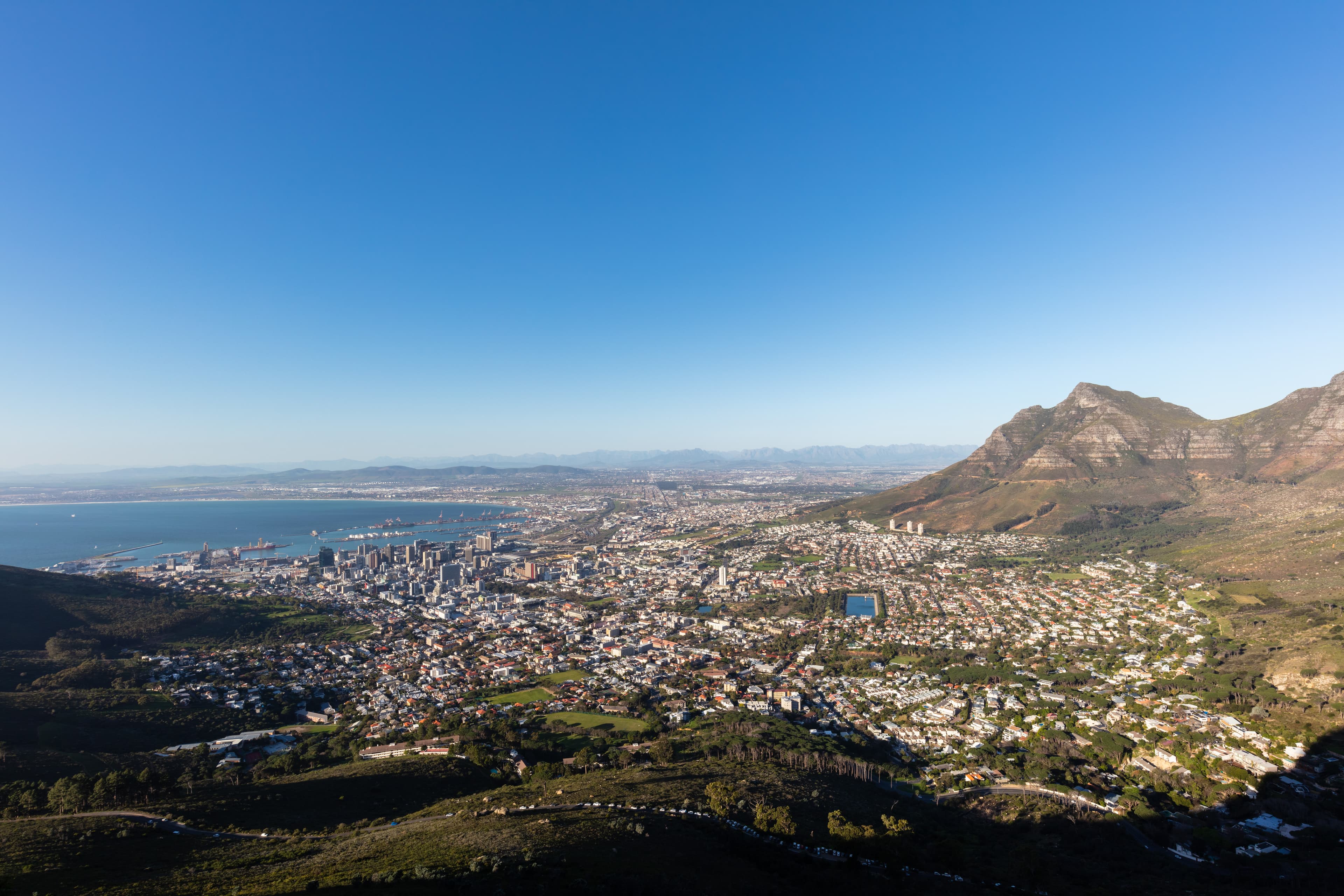
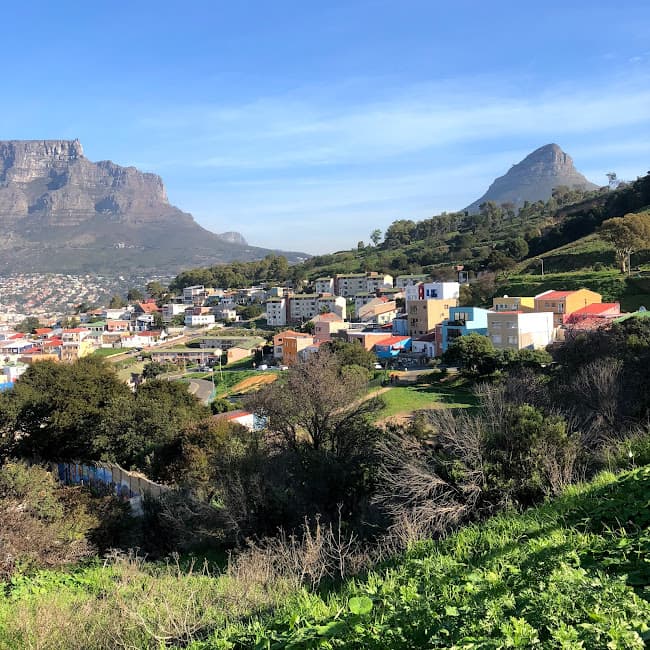
This natural harbor not only gave rise to the city's commercial development but also forever shaped its visual landscape. The geographical scene is dominated by world-famous natural landmarks. Of absolute prominence are the imposing Table Mountain and the vast Table Bay, which form a spectacular coastal panorama.
Demographically, its location in the Western Cape province supports a considerable population. The city is the second most populous urban core of the country, trailing only Johannesburg. This density and distribution ensure a strong internal market and maintain economic vitality across different sectors.
Cape Town's geography is an impressive fusion of elements: coastal plains that host large financial and bureaucratic centers, confronting sharply with mountainous peaks covered in unique vegetation. This combination guarantees not only scenic beauty but also significant ecological variations throughout the metropolitan region.
Cape Town enjoys a Mediterranean climate characteristic of the South African coast. This climate type is celebrated for its stability and well-defined seasons, factors that contribute to its constant appeal to visitors and residents.
While sources do not provide details on seasonal variations in temperature or precipitation, it is notable that the combination of coastal climate with mountainous influence creates unique microclimates in different neighborhoods. The maritime breeze, typical of the port region, moderates the heat and gives the environment a constant, refreshing touch.
This climatic stability is one of the pillars of its success as an excellent tourist destination. It allows outdoor activities—from mountain trails to bay cruises—to be carried out with comfort for most of the year, attracting visitors even during seasonal transition periods. The climate, therefore, is a catalyst for the area's tourism development.
Tourism in Cape Town is world-renowned and perhaps its most visible function. The city has established itself as one of South Africa’s most popular and sought-after national tourist destinations, attracting visitors from all corners of the globe.
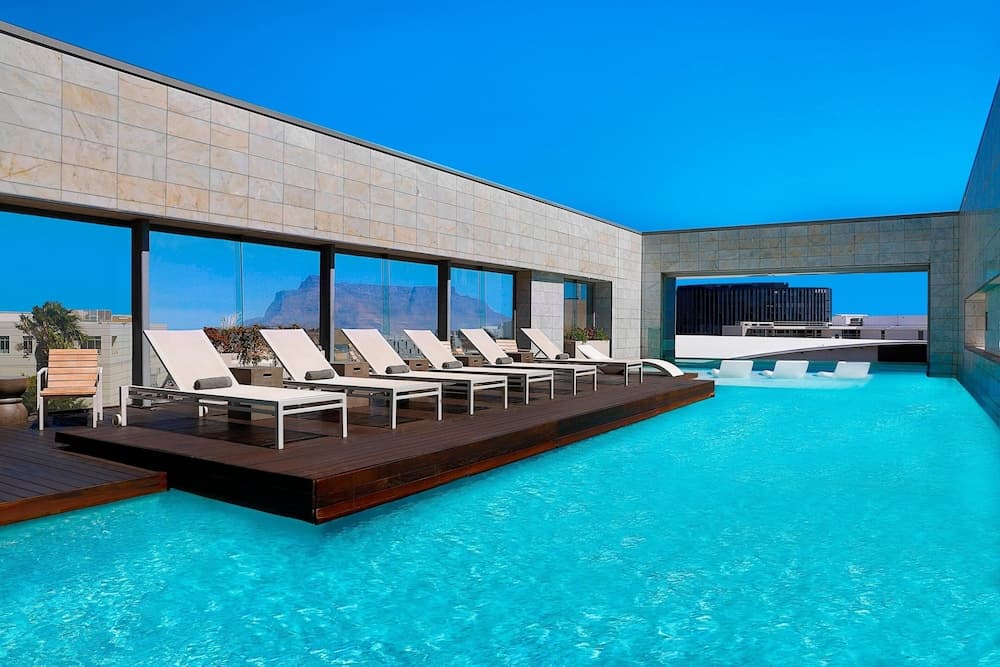
The heart of this tourist experience lies in the unmatched combination of dramatic natural landscapes and sophisticated urban infrastructure. Table Mountain and Table Bay are, without a doubt, the landmarks that define the city's postcard view. Visitors are drawn by the opportunity to contemplate spectacular panoramic views, whether from a viewpoint or a nautical trip.
Beyond the natural icons, Cape Town offers robust cultural and gastronomic tourism. Its status as the second largest financial core attracts the type of tourist who seeks not only leisure but also high-quality urban experiences, museums, and sophisticated shopping centers.
Ecotourism is strongly linked to its geography; hiking trails on Table Mountain are not just walks, but immersions in a unique biome. This variety of activities, from coastal relaxation to cultural exploration of governmental and historic areas, ensures there is an attraction for every type of traveler.
Cape Town holds peculiarities that reinforce its geopolitical and demographic importance in the South African context. A fascinating point is its dual role as a center of power: it not only functions as the legislative capital, where the National Parliament is located, but also bears the title of provincial capital of the Western Cape.
This concentration of government functions in one place gives the city a constant political and administrative dynamic, making it a focal point for anyone who wishes to understand the country's power structure. It is a microcosm of the decisions that shape the destiny of South Africa.
Another notable fact is its demographic ranking: being the second largest urban core, trailing only Johannesburg. This fact does not just mean a large number of inhabitants; it implies a vast and complex economic and cultural network capable of sustaining this high population concentration in areas ranging from cutting-edge finance to artistic and port sectors.
Finally, the natural harbor is more than just a geographical accident; it is the reason for the city's global fame. The integration of these elements—Mountain, Bay, and Harbor—not only defines its tourist landscapes but also ensures the historical and economic vitality that keeps it one of the most vibrant and important metropolises on the African continent.
Everything you need to know to plan your trip
Reference figures to help plan your trip
Hotels in the area
149
Attractions
9
149 properties in the area
Hotels and experiences in the area
Everything you need to know to plan your trip
The city is located in the Metropolitan Municipality of Cape Town, within the Western Cape province. It plays a dual role by being both the national legislative capital and the provincial capital.
It is reported as the second most populous city in the country, following only Johannesburg, with an estimated population of 433,688 people.
The city is widely famous for its natural harbor, including well-known tourist landmarks like Table Mountain and Table Bay.
Cape Town is the second largest urban, financial, and cultural core in the country, trailing only Johannesburg.
Because it is the national legislative capital, many government offices and the National Parliament are located in Cape Town.
Extend your trip to incredible destinations nearby
We personalize every moment of your journey — from iconic landmarks to hidden cultural gems.
Available 24/7 · Personalized consultations · Local expertise
Updated on June 7, 2026
Sources