Búzios
Destination
Discover Búzios: a paradise of beaches in Rio de Janeiro. Explore the best attractions, excursions, and vibrant nightlife.
Búzios · RJ · Brasil
Photos
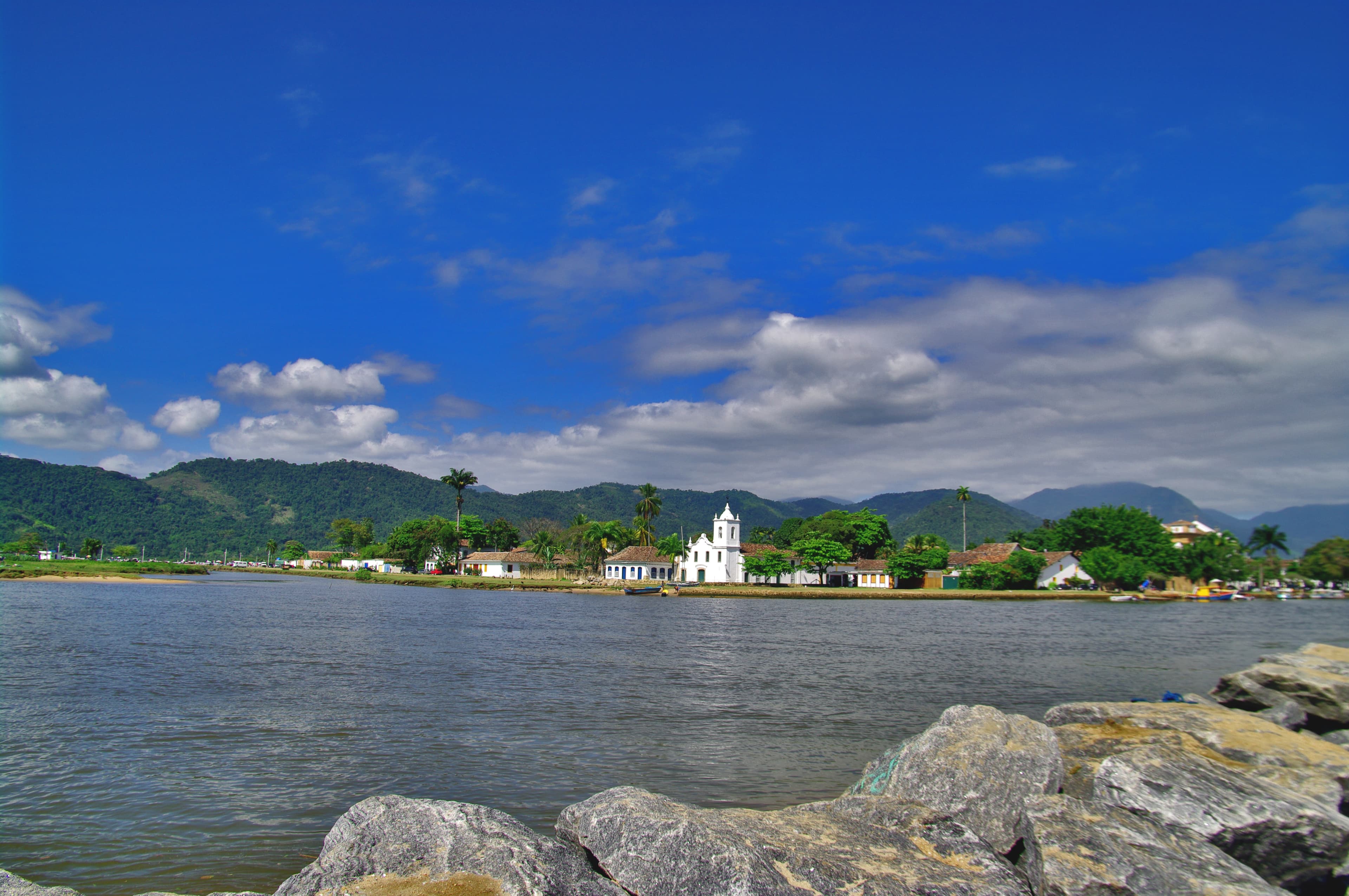
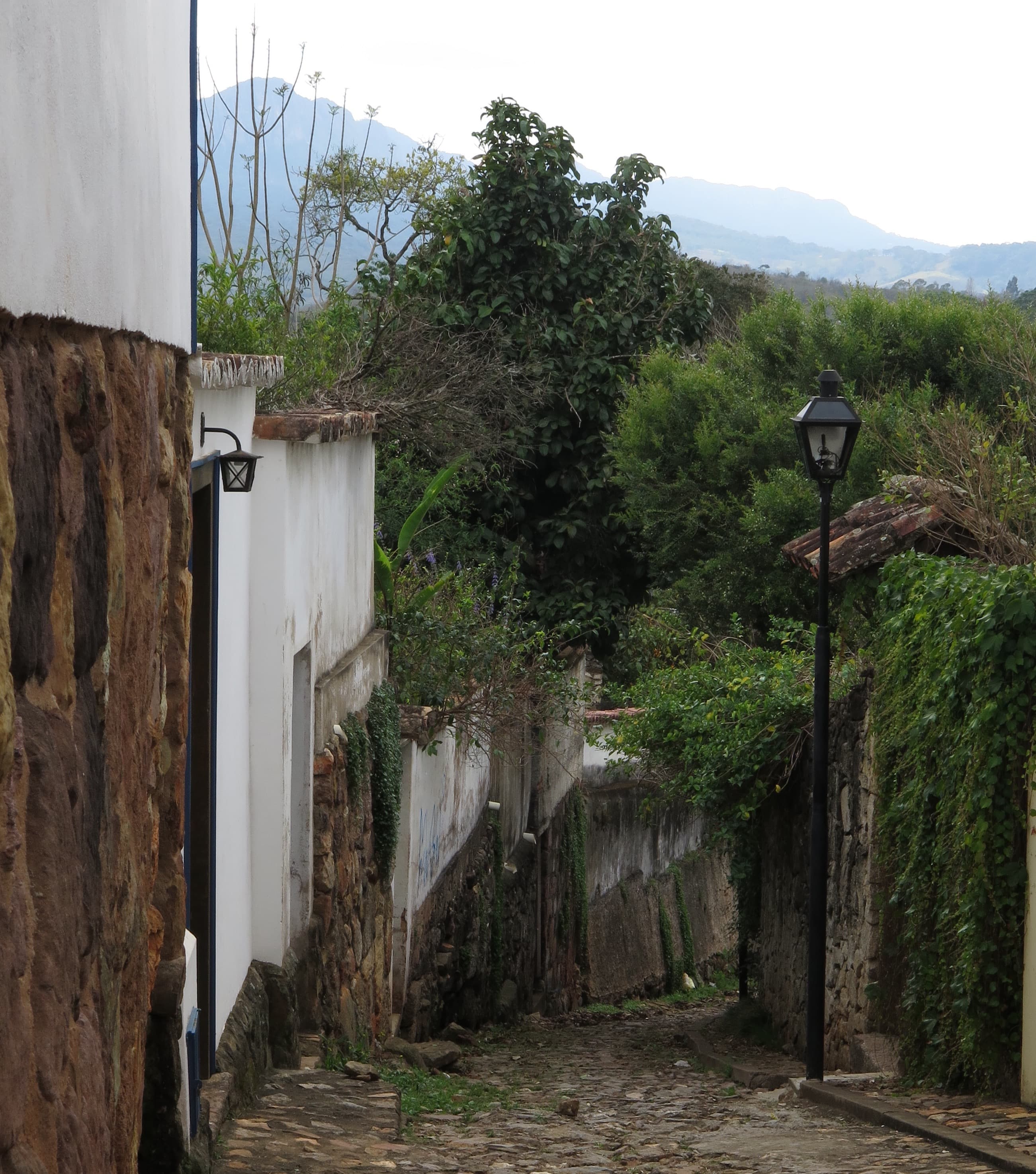
Discover the landscapes and culture of Búzios
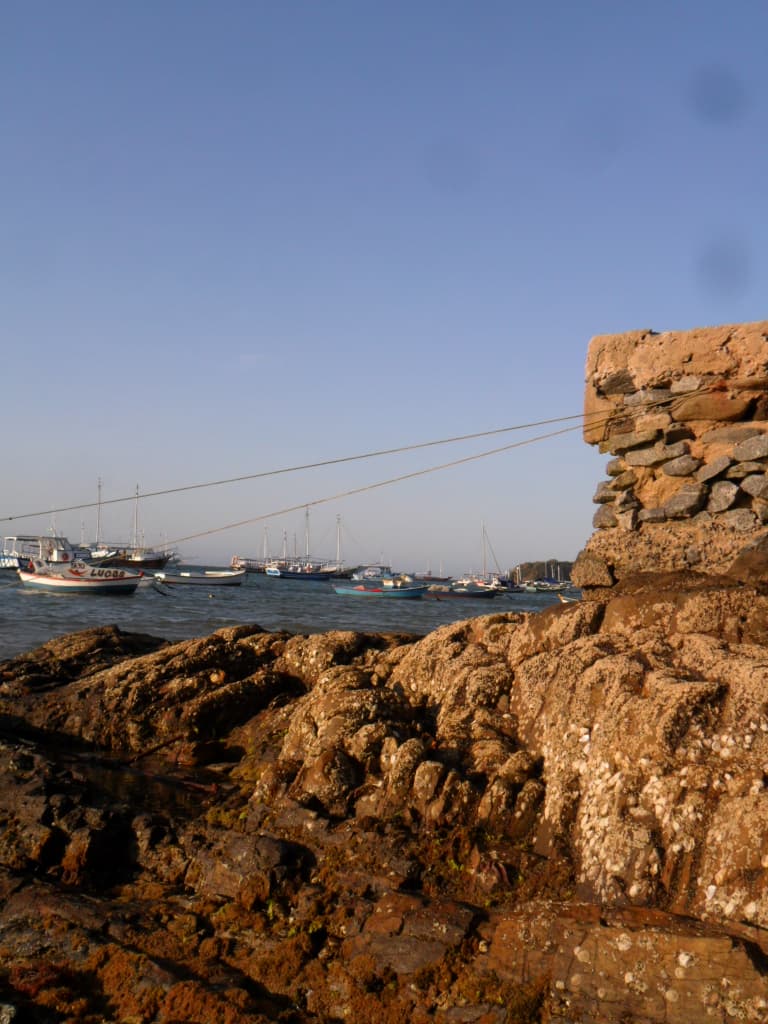

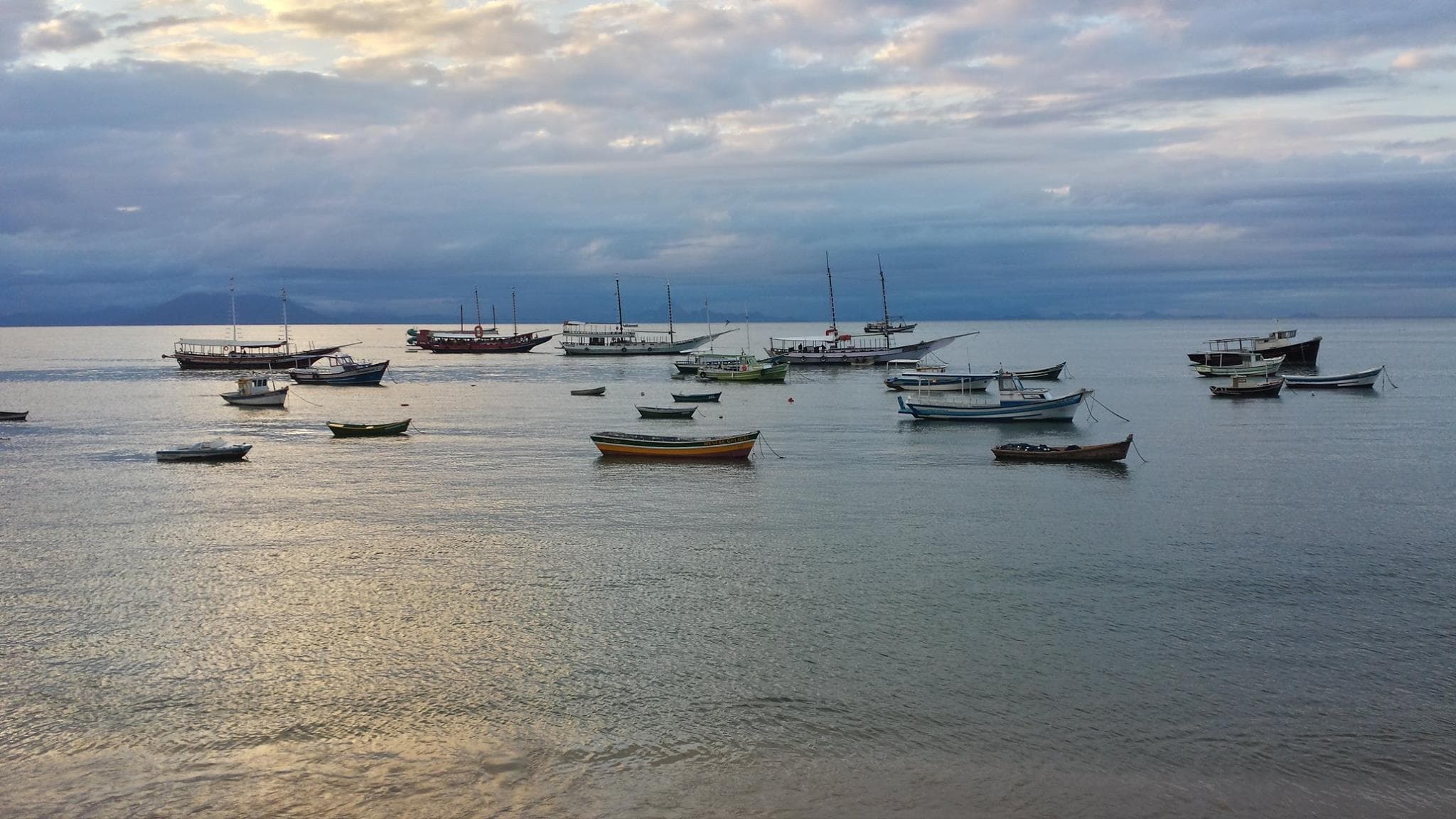
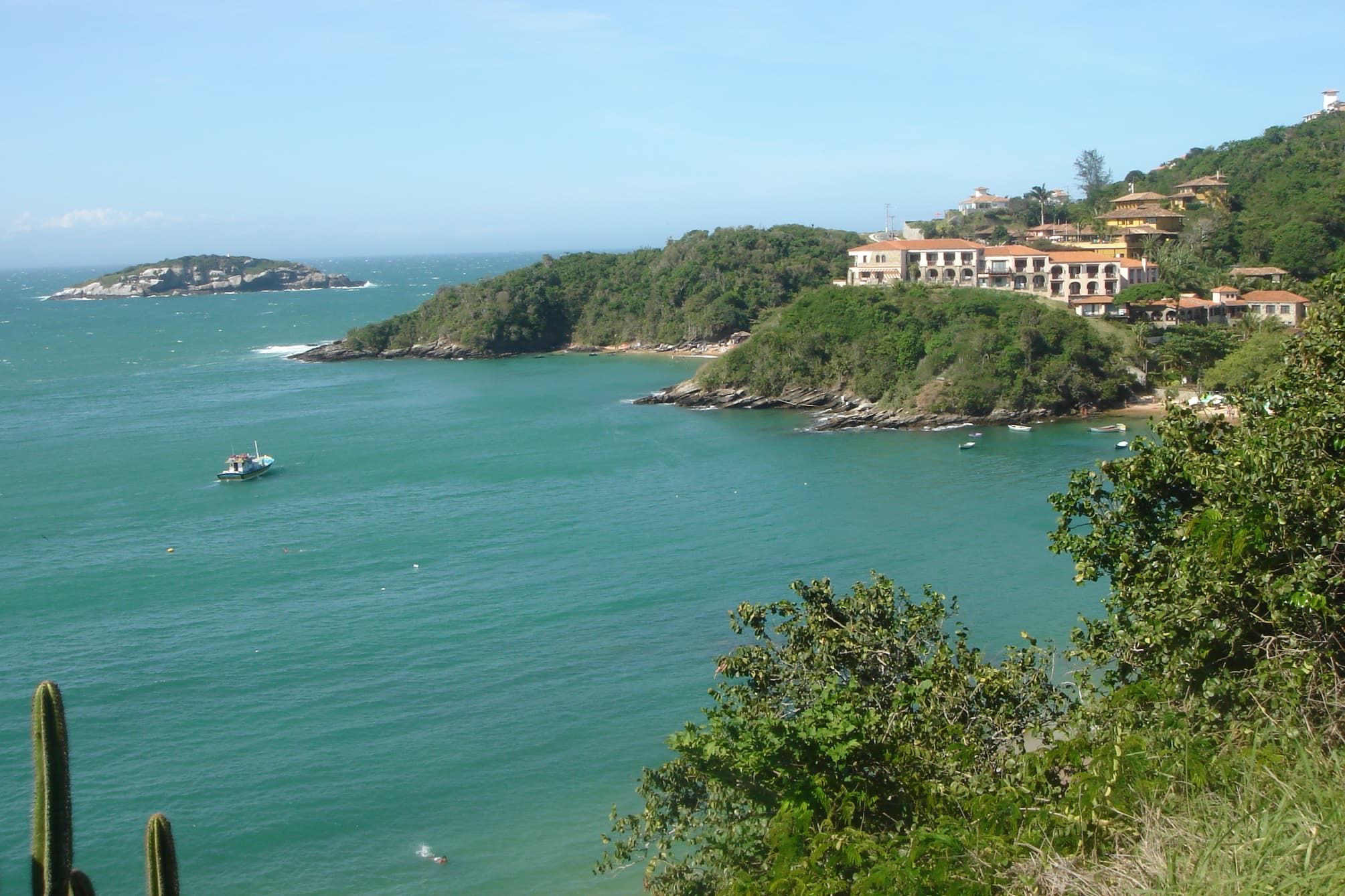
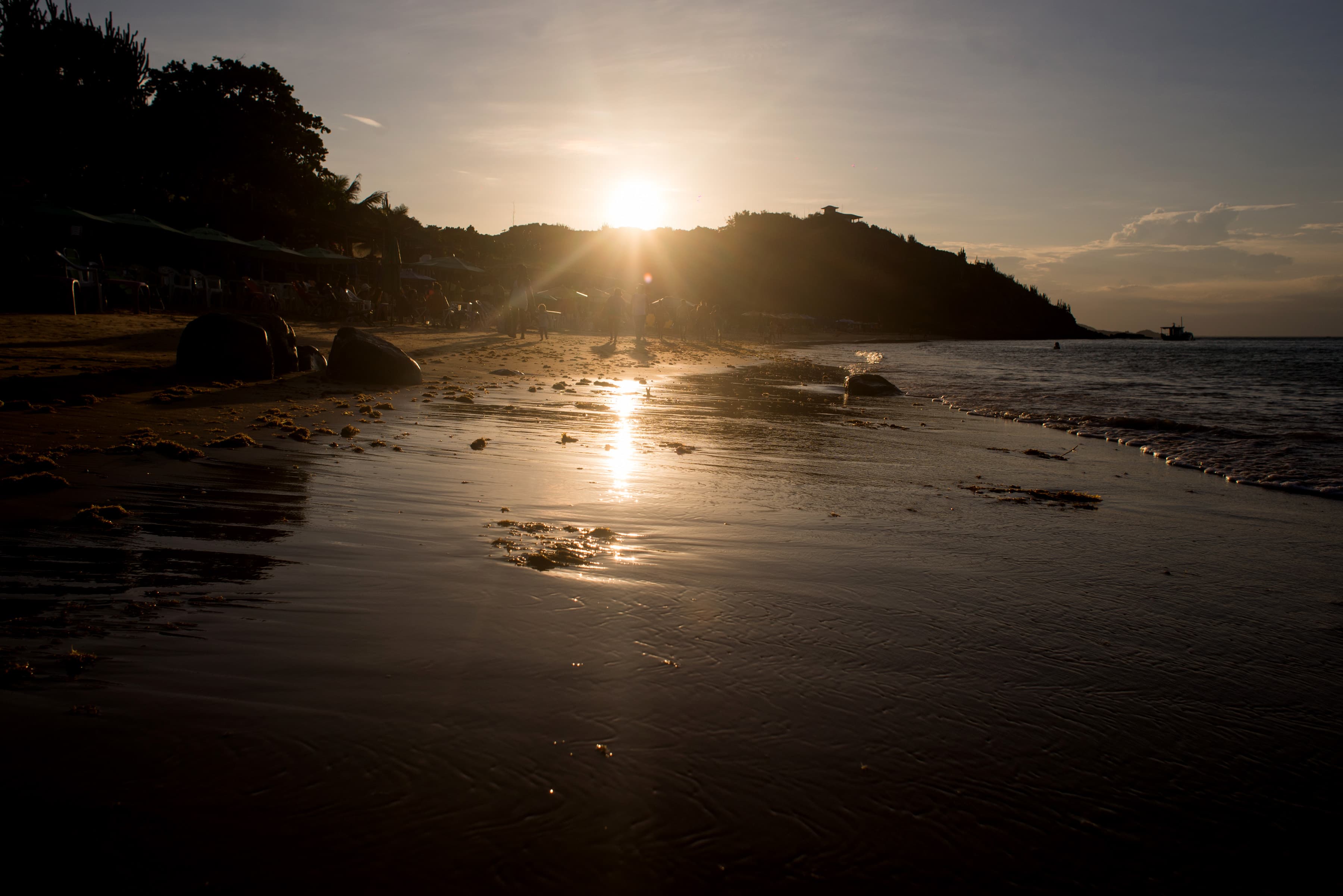
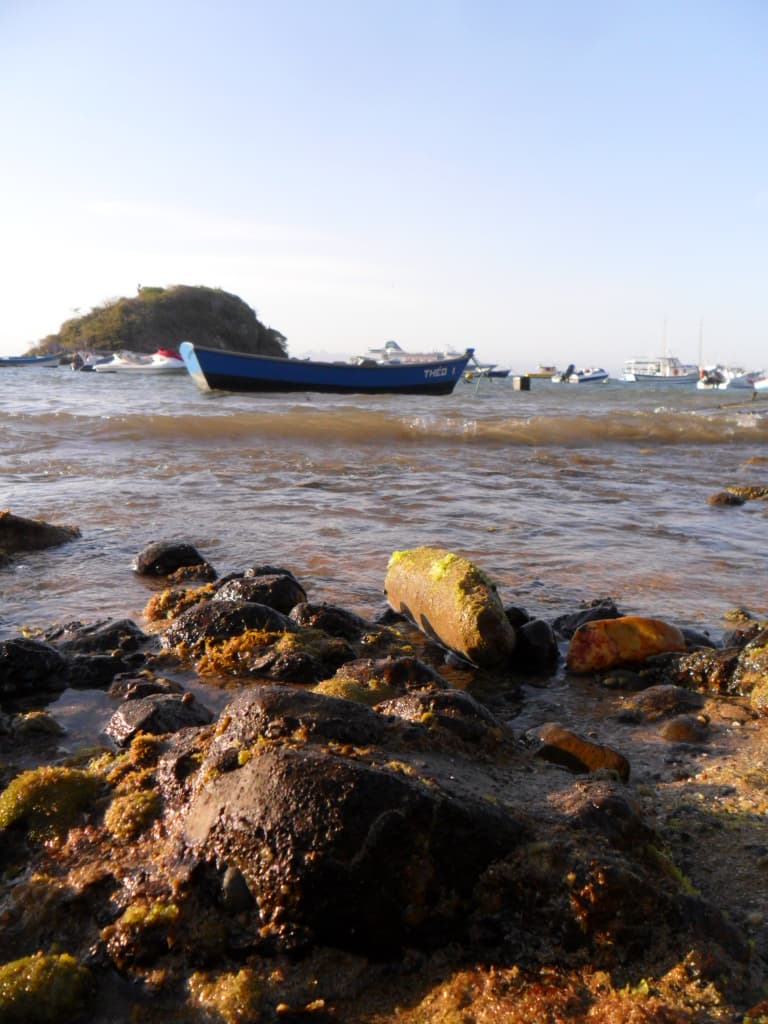
Editorial guide with history, culture, and practical tips to plan your trip.
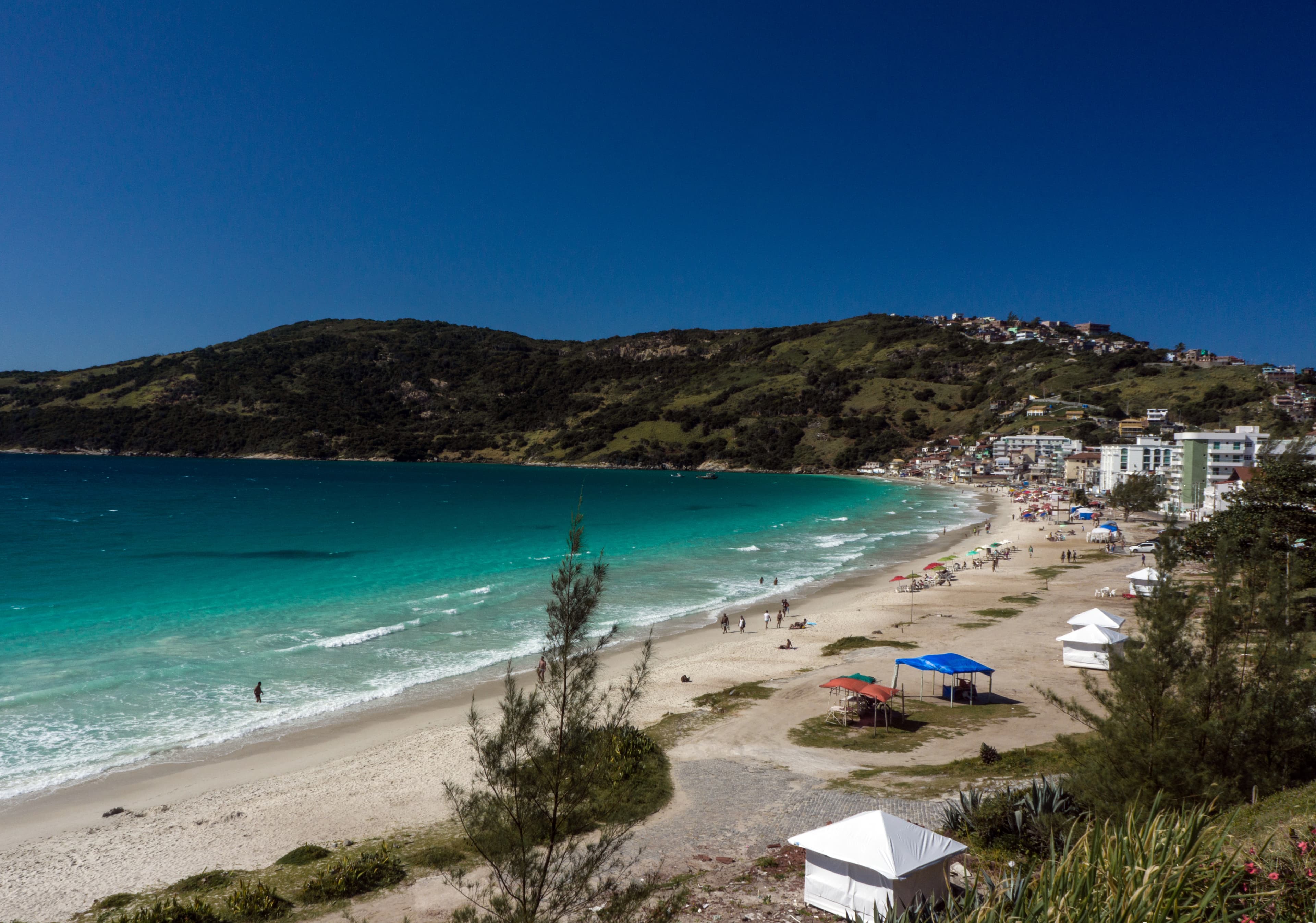
Búzios, officially known as Armação dos Búzios, is a vibrant and renowned destination, world-famous for its stunning beaches and unique artistic atmosphere. Located in the state of Rio de Janeiro, this municipality is part of the desirable Lagos Region (Região dos Lagos), a coastal area that captivates with its natural beauty and peculiar charm.
From a demographic and administrative perspective, Búzios represents a significant hub within the Fluminense scenario. According to the most recent census data, the municipality demonstrates a robust population, reaching approximately 40,006 inhabitants, according to the 2022 census. This population density reflects not only its natural growth but also the constant flow of visitors who cement its fame as a primary tourist destination on the Brazilian coast.
Located approximately 173 kilometers from the state capital – Rio de Janeiro –, Búzios offers an ideal combination of the convenience of being relatively close to major urban centers and the incomparable refuge provided by its colorful beaches and streets. Its strategic location in the Lagos Region solidifies its identity as a must-visit tourist spot for anyone seeking memorable beach experiences.
The administrative and social trajectory of Armação dos Búzios is marked by periods of evolution that culminated in its recognition as an autonomous municipality. Historically, the municipality has roots deeply tied to the coastal development of Rio de Janeiro and the riverine life of the region.
An important milestone in this process was the political-administrative separation from Cabo Frio. Although it borders Cabo Frio to the west, Búzios achieved its municipal autonomy in 1995. This event not only redefined its administrative boundaries but also fueled a sense of local identity and belonging that persists today in traditions and community organization.
In terms of institutional symbolism, history is celebrated through its coat of arms. The creation of this symbol was a formal and competitive event, as the shield of Armação dos Búzios was designed by Luid Borges dos Santos. He stood out as the winner of a contest held by the City Council in 1996, thus immortalizing a cultural memory linked to the municipality's civil development.
Búzios’ culture is intrinsically linked to its coastal vocation and the influence of a constant artistic and gastronomic flow. Although the source material focuses on geographical and administrative facts, its very existence as a tourist hub established a rich cultural tapestry.
The municipality carries not only the identity of its people but also the legacy of those who visit: artists, bathers, gastronomy enthusiasts, and divers. This mix generates a vibrant multicultural environment where local traditions coexist with the global dynamism of modern tourism.
Furthermore, the official representation of the city itself is the guardian of this identity culture. The municipal coat of arms is not merely an emblem; it carries within it a history of competition and civil recognition (winner of the City Council contest in 1996), symbolizing civic pride and the appreciation of local heritage among its residents.
Geometrically, Búzios is a Brazilian municipality located in the Lagos Region, a highly recognized coastal area throughout the state of Rio de Janeiro. This privileged geographic position determines both its environmental characteristics and its economic importance.
In terms of territorial boundaries, the local geography shares borders with Cabo Frio. This limit is not merely demarcation; it is historical, reflecting a significant administrative process: Búzios' separation and achievement of municipal autonomy in 1995, an event that shaped its current borders.
The city is situated on the coastal strip of the state, reaching a distance of approximately 173 kilometers from the nerve center of Rio de Janeiro. This distance positions it as an accessible and attractive travel destination, without losing the sense of paradisiacal isolation that characterizes the Lagos Region.
From a population and demographic standpoint in 2022, the data point to a resident population of 40,006 inhabitants, figures that reflect both urban growth and the importance of tourism in the municipality's social composition.
As a coastal destination located in the Lagos Region in Rio de Janeiro state, Búzios possesses a characteristic tropical coastal climate. This geographic location gives the city mild climatic features favorable for outdoor leisure.
The region's climate regime is influenced by its proximity to the ocean, resulting in temperatures that tend to be high for most of the year, but always softened by the sea breeze. Such climatic conditions are a determining factor for tourist flow throughout the entire annual calendar.
(Note: The factual content provided does not detail the specific climate regime; this description is based on its geographic classification as a coastal municipality of the Lagos Region, consistent with the established location.)
Búzios is an emblematic tourist destination in Rio de Janeiro. Its main attraction lies in the unique combination of stunning natural landscapes and highly developed urban infrastructure for leisure.
The municipal vocational focus is eminently beach-based, capitalizing on the natural beauty of the Lagos Region. The ease of access—being located about 173 kilometers from the state capital—ensures that Búzios remains on the radar of both national and international tourists.
The tourist scene is enriched by its aesthetic sense and the diversity of its beaches. It is not just a destination, but an experience of sophisticated and relaxed coastal lifestyle. The constant flow of visitors elevates the local economic profile and promotes the maintenance of services and attractions that highlight its fame as a must-stop on any itinerary along the Rio coast.
The municipality of Búzios holds fascinating details regarding its development of institutional identity. A striking example is the development of its municipal coat of arms, a symbol that refers to specific moments in local history.
This coat of arms was the result of a public contest held by the City Council. The credit for the design went to Luid Borges dos Santos, a dental surgeon. He not only designed the symbol but also won the competition in 1996, leaving an indelible mark on the city's cultural history.
Additionally, it is interesting to note the administrative context of its consolidation: Búzios achieved its autonomous status after separating administratively and bordering the neighboring municipality of Cabo Frio in 1995. These administrative details do not only delineate political borders but tell part of the social and political evolution of its inhabitants.
The information regarding its population in 2022 (40,006 inhabitants) serves as an updated demographic portrait, reflecting the dynamism of a location that manages to balance residential life with the massive seasonal flow of tourists. Búzios is therefore a mosaic of rich geography and recent civic history.
Everything you need to know to plan your trip
Reference figures to help plan your trip
Attractions
9
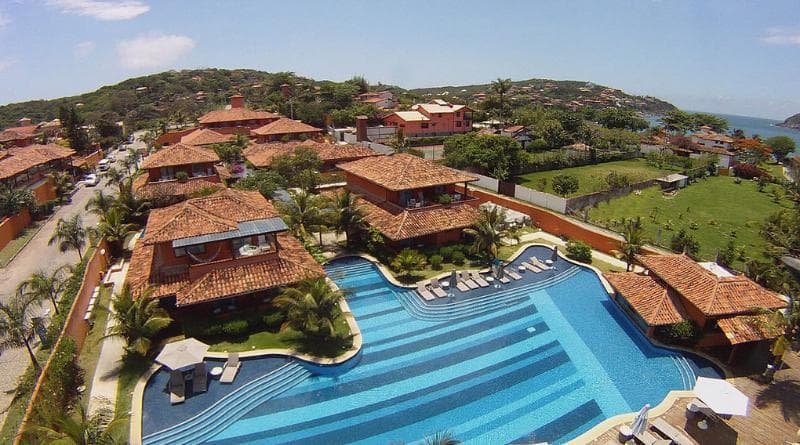
Selected stays available to book
Hotels and experiences in the area
Everything you need to know to plan your trip
Búzios is a Brazilian municipality located in the Lagos Region of the state of Rio de Janeiro.
Yes, Búzios borders Cabo Frio to the west.
Búzios became autonomous in 1995.
It is located about 173 kilometers from the center of Rio de Janeiro's capital.
According to the 2022 census, the municipality had 40,006 inhabitants.
Extend your trip to incredible destinations nearby
We personalize every moment of your journey — from iconic landmarks to hidden cultural gems.
Available 24/7 · Personalized consultations · Local expertise
Updated on June 7, 2026
Sources