Tiradentes
Destination
Discover the colonial charm of Tiradentes, in Minas Gerais. Experience the history of the Inconfidência Mineira and explore preserved architecture. The perfect itinerary!
Tiradentes · MG · Brasil
Photos
Discover the landscapes and culture of Tiradentes
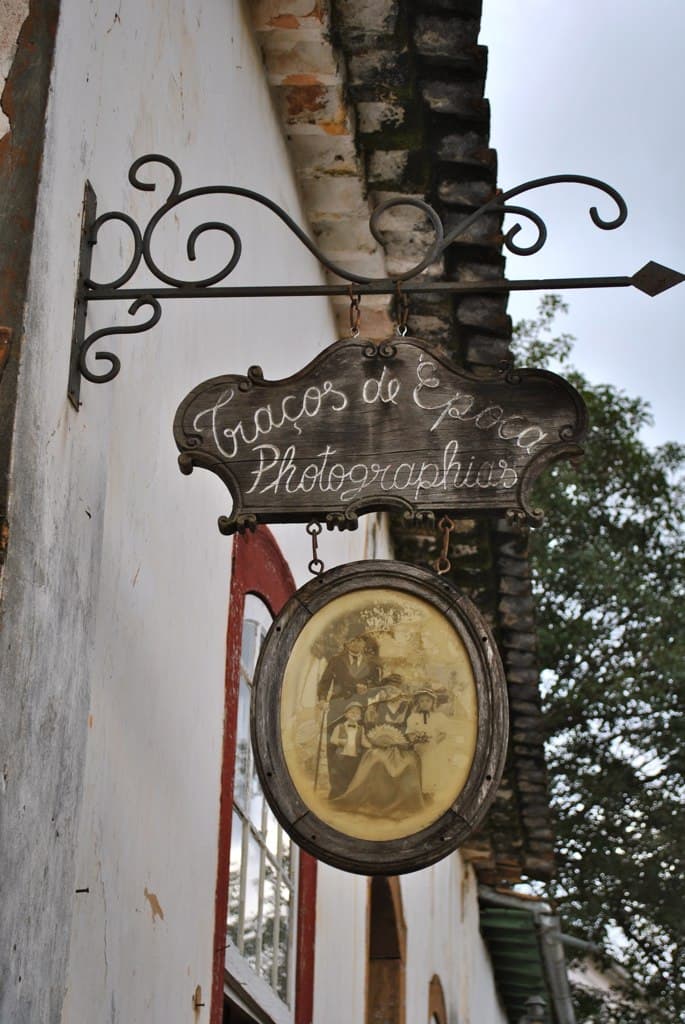
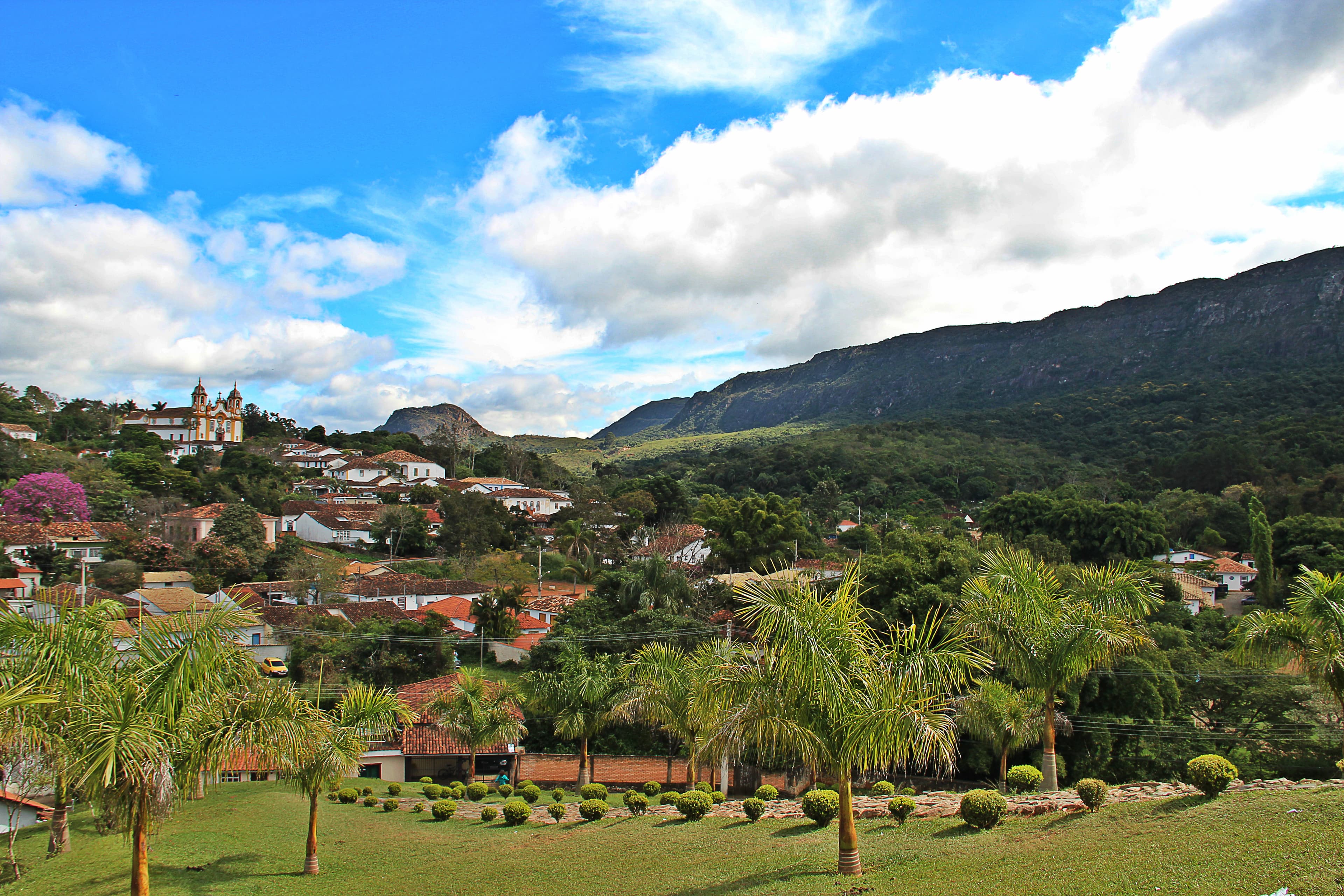
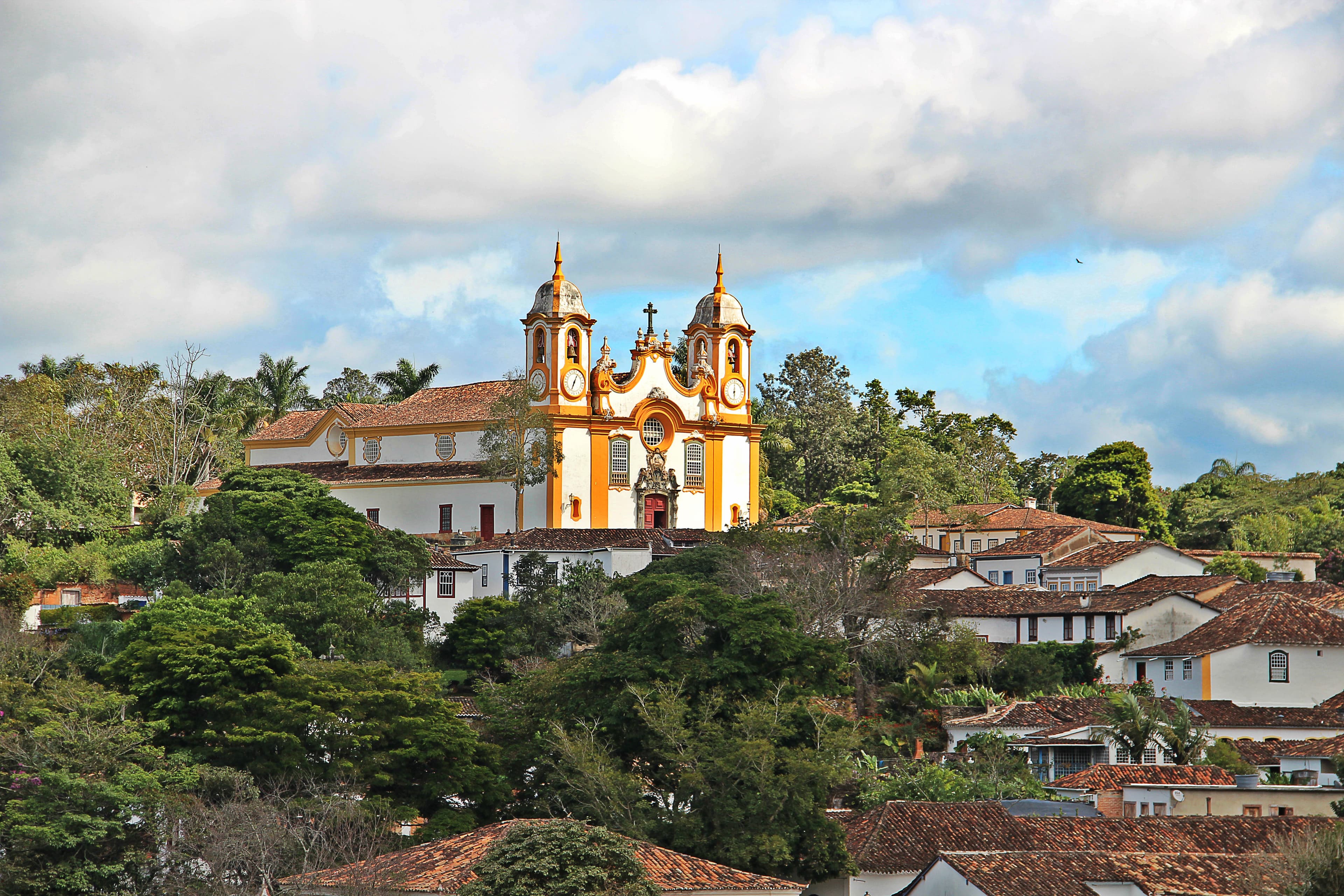
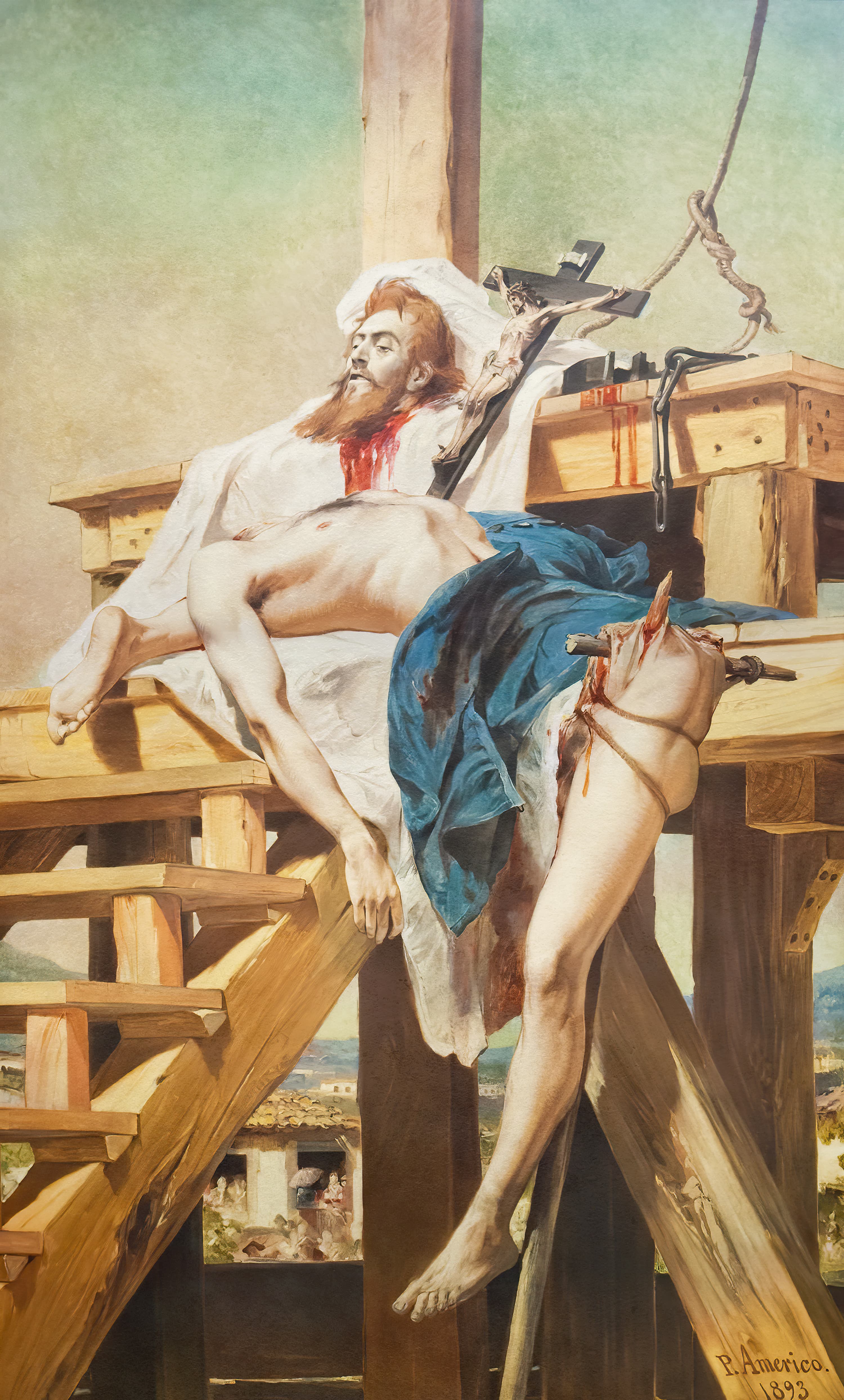
Editorial guide with history, culture, and practical tips to plan your trip.
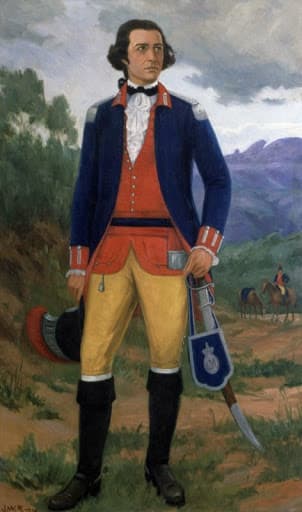
Welcome to Tiradentes, a destination that transcends the concept of a simple tourist stop; it is a journey back in time. Nestled in Minas Gerais, this city carries on its stones and streets the glorious weight of ideals of freedom and autonomy. Tiradentes is not just a geographical location; it is the materialization of a revolutionary spirit. The name of the city honors Joaquim José da Silva Xavier, better known as Tiradentes, a monumental historical figure in Brazil.
From the moment a visitor crosses its urban limits, they feel enveloped by an atemporal atmosphere, permeated by the richness of the colonial cycle and the fervor of emancipatory movements. The presence of Tiradentes in the collective Brazilian memory means that every corner, every Baroque church, and every public square tells chapters from an epic narrative: the struggle against external dominance and the search for a destiny for the nation.
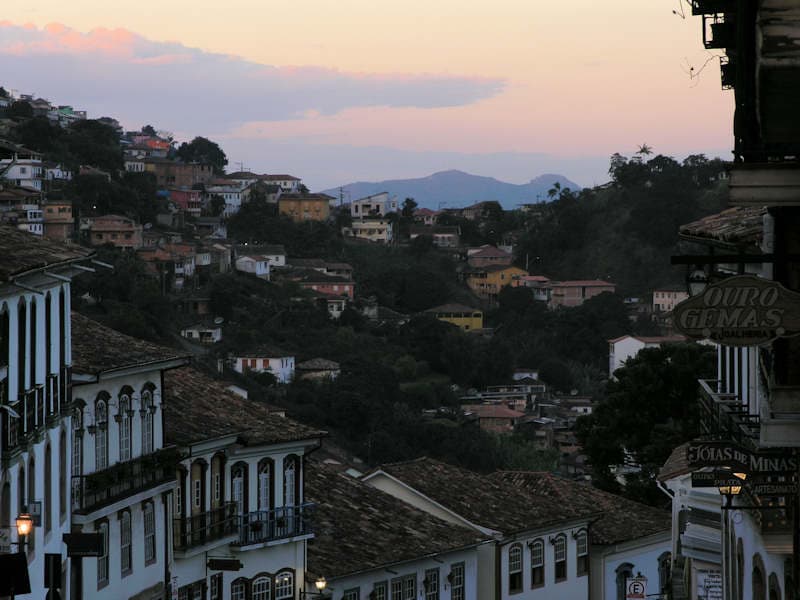
The city has preserved not only its untouched colonial architecture—characterized by soapstone and vibrant colors—but also the living memory of the Inconfidência Mineira (Minas Gerais Conspiracy). This legacy makes Tiradentes an essential cultural hub, where past and present coexist in a fascinating synergy. Visitors arriving here are not just seeking leisure; they are searching for a connection with the roots of republican Brazil.
With an estimated population and incredibly preserved charm, Tiradentes offers travelers a deep immersion into a slower rhythm, where time seems to respect the grandeur of the events that marked this region. It is a destination for those who want to go beyond the superficial itinerary, diving into the depths of history and the art of living in a cultural cradle.
The historical narrative of Tiradentes is inseparable from the grandiose figure of Joaquim José da Silva Xavier. Affectionately known as Tiradentes, he was not merely another soldier; he became the living symbol of political activism and intellectual courage during times of oppression. His life spanned the final years of the economic cycle that dominated Minas Gerais, a period marked by intense mineral exploitation and a growing desire for political autonomy.
The turning point in this history was the Inconfidência Mineira. This was no mere local misunderstanding; it was a complex conspiracy deeply rooted in Enlightenment ideals of national sovereignty. The movement had an explicitly separatist character: the objective was to break economic and political ties with Portugal. The conspirators were a social mosaic that included members of the intellectual elite, military personnel, and individuals from different backgrounds, all united by a common dream: the founding of an independent nation.
Tiradentes was the catalyst and spokesperson for this fervent desire. His participation in this revolution is the pillar supporting the city's memory. The political climate was one of growing tension, fueled by Portuguese tax collection and the intellectual maturity of local elites, who saw in Minas Gerais not just a source of mineral wealth, but fertile ground for the birth of republican ideals.
The unfolding of events was tragic. Although the conspiracy failed, its meaning endured. Tiradentes paid with his own life for defending these separatist ideals against Portuguese rule. His sacrifice not only crystallized local history but shaped the political consciousness of Brazil that came after. His memory remains alive in every cultural and civic aspect of the city.
Studying the trajectory of Tiradentes is revisiting a crucial period in the formation of Brazilian identity—a time of intellectual audacity and personal sacrifice in the name of freedom, making the location a true living museum of national history.
The culture in Tiradentes is a rich tapestry woven with the threads of colonial Baroque, secular craftsmanship, and, above all, historical memory. The cultural rhythm is contemplative and deep, inviting visitors to slow down and pay attention to details that tell stories.
Baroque Minas Gerais manifests itself in its magnificent churches, true artistic jewels that have resisted time. These buildings are not merely places of worship; they are monuments to sacred art and a mirror of the opulence and artistic talent of the colonial period. Every facade, every gilded carving, and every architectural detail speaks of master artisans whose hands were shaped by faith and gold.
Local craftsmanship is another fundamental cultural pillar. It is possible to find pieces that date back centuries—from wrought iron to ceramics, passing through delicate laces. These objects are not just commodities; they are extensions of popular culture, keeping alive the manual traditions of Minas Gerais communities.
Furthermore, local cuisine is an intrinsic part of the cultural experience. Reflecting the simplicity and richness of Minas Gerais ingredients, the gastronomy celebrates the robust flavors of the interior. Traditional dishes use ingredients that evoke the time when the gold cycle moved through the region: sweets (quitandas), homemade desserts, and recipes honoring rural past.
The culture in Tiradentes is an invitation to a dialogue between the passive (the weight of history) and the active (the continuous celebration of its customs). It is a culture that demands contemplation, where every stroll becomes a deep dive into the time of great ideas and the master artisans of Colonial Brazil.
Located in the state of Minas Gerais (MG), Tiradentes is situated in a region marked by hilly terrain and mineral history. The city's geography, although compact and centered on its preserved historical core, is part of a Minas Gerais setting that extends through rural and mountain landscapes.
Its privileged location in the heart of Minas Gerais allows it to be a focal point for those exploring the historic circuit of inland Brazil. Local geographic influence was decisive in the original economic development, linking the prosperity of the town to mineral extraction—the famous cycle of gold and diamonds that transformed this area into an epicenter of colonial civilization.
The immediate surroundings of the city are characterized by gently undulating topography. The roads leading to Tiradentes, as well as the internal paths, reflect this adaptation to classic Minas Gerais terrain. This combination of climate and relief not only shaped the colonial architecture—which often uses local stone for its foundations and construction details—but also determined the rhythm of agricultural activities that still surround the city today.
The preservation of the urban core within a geographical context of Minas Gerais is remarkable. The historical challenge was maintaining the authenticity of a village that peaked in the 18th century, resisting time and accelerated modernization. It is this stable historical geography that allows visitors today to relive an almost museum-like environment.
As part of Minas Gerais' climatic quadrangle, Tiradentes generally enjoys a highland tropical climate. The region's characteristics are notably tempered compared to the extreme heat of coastal areas, providing a pleasant and mild atmosphere throughout most of the year.
The thermal variation is noticeable between seasons. Summer tends to be hot and humid, ideal for energy-intensive outings, although Minas Gerais comfort mitigates temperature peaks seen in other tropical regions. Winter, on the other hand, provides cooler days and a perfect climate for cultural and gastronomic introspection.
In general, the city benefits from climatic stability that allows tourist flow throughout different months. Morning mist is a poetic constant of the region, adding a mystical touch to walks and colonial landscapes. It is a climate that invites slow contemplation.
For any visit, it is recommended to wear light clothing for warmer days but always carry jackets or shawls, especially during mornings and nights, when the region's altitude manifests with a cool breeze. The climate is an element that perfectly harmonizes with the contemplative historical rhythm of the destination.
Tourism in Tiradentes is fundamentally about historical experience. It is not just about seeing, but about living through the atmosphere of colonial and revolutionary times. The city caters to the cultural traveler seeking depth and meaning in their itinerary.
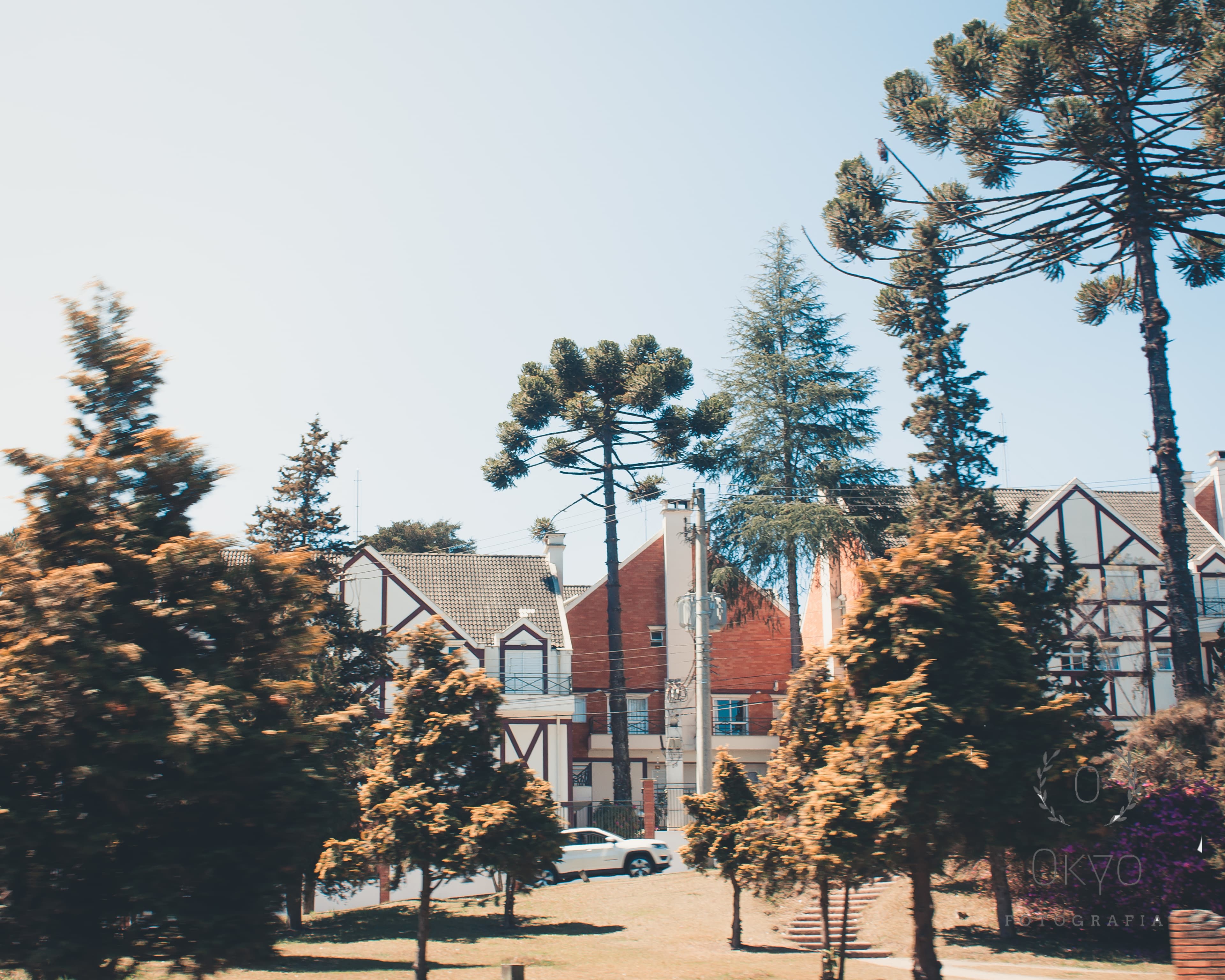
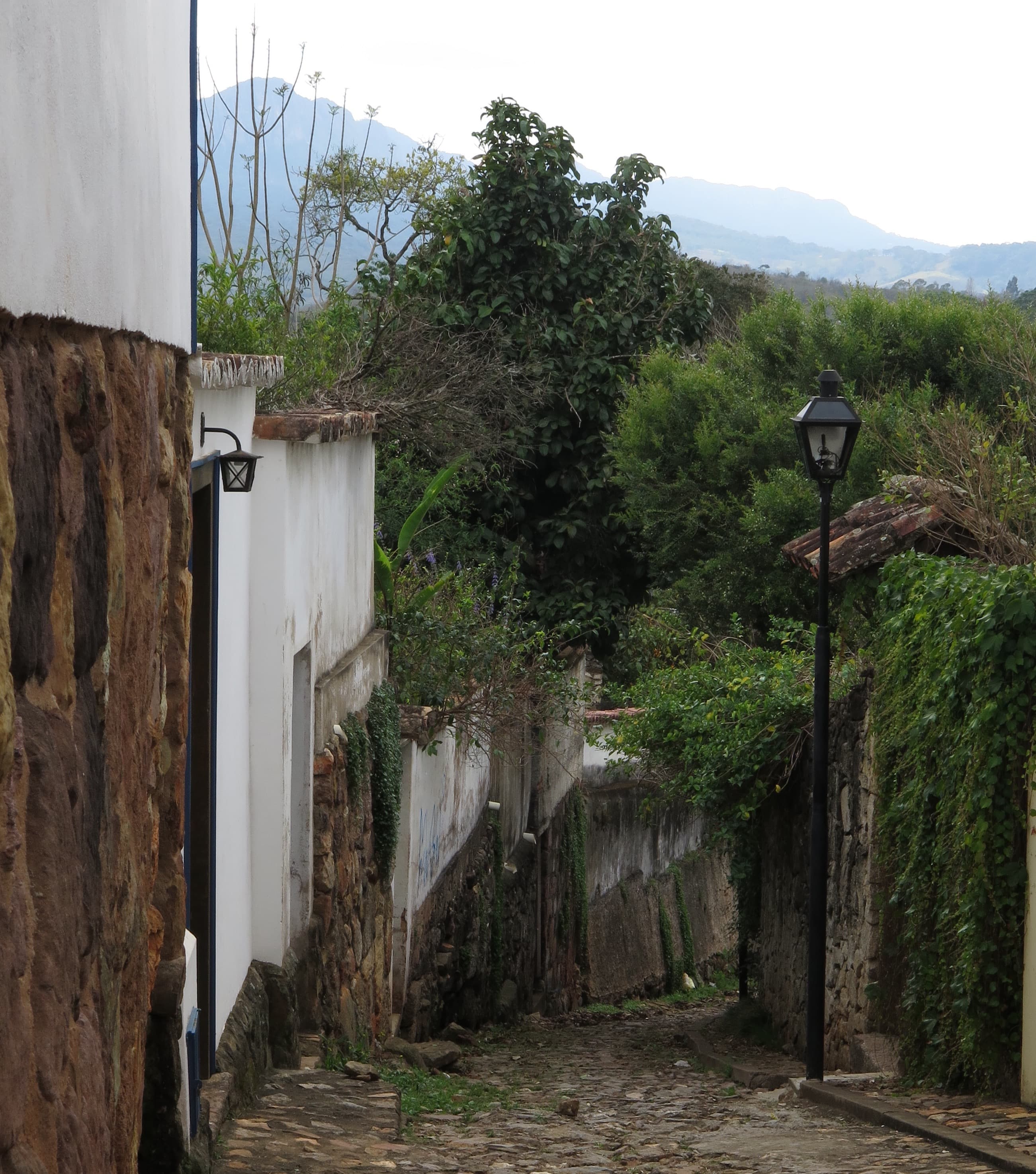
The main tourist attractions involve architectural immersion: walking through the soapstone streets is an almost mandatory activity. Colorful houses, local artisan shops, and historic mansions form a perfect backdrop for long exploratory walks. The ideal journey is done on foot, allowing visitors to interact directly with the architecture and traditional commerce.
Cultural tourism unfolds through visiting countless Baroque temples. Each church tells a story of faith and wealth, serving as an open-air laboratory of colonial sacred art. It is also the perfect place to explore smaller museums dedicated to daily life, craftsmanship, or the documents of the Inconfidência Mineira.
Gastronomically, tourism is enriched by local culinary experiences. Participating in a meal in Tiradentes is a tourist act in itself: tasting authentic Minas Gerais cuisine using regional ingredients that keep alive the tradition of old mills and farms.
The focus of tourism in Tiradentes is respect for the past. Local guides are masters of historical narrative, transforming tours into true lessons in lived history, ensuring that every visitor takes away not only beautiful memories but also a deep understanding of the ideals of autonomy defended by figures like Tiradentes.
The name "Tiradentes" immediately evokes a series of fascinating facts that enrich the visitor experience. The destination is more than just the city; it is a monument to the idea of an emerging Brazil.
A particularly curious aspect is how the Inconfidência Mineira, although a grand separatist movement filled with Enlightenment ideals, was brutally repressed. This tension between revolutionary idealism and the force of colonial power creates the central drama of local history.
It is interesting to note that Tiradentes is a living example of Brazilian colonial urban planning. Its winding streets, made of soapstone or cobblestones, were not designed for modern transport ease but adapted to the slow, contemplative movement of 18th-century life. This gives it a unique charm few cities can maintain.
Another curiosity resides in the persistence of artisan traditions. Soapstone (steatite) craftsmanship is notably linked to the region, utilizing materials and techniques lost in many other parts of Brazil. The pieces produced here are more than decoration; they are functional art with a strong geographical link.
Finally, the very meaning of the city lies in sacrifice. Tiradentes represents the personification of political activism for the cause of liberty. The post-mortem and constant tribute to Joaquim José da Silva Xavier ensures that the flame of republican ideals remains lit on every historical corner.
Everything you need to know to plan your trip
Language
Portuguese
Reference figures to help plan your trip
Attractions
9
Selected stays available to book
Hotels and experiences in the area
Everything you need to know to plan your trip
Tiradentes is a city located in Minas Gerais (MG), Brazil.
The city's population exceeds 6,961 inhabitants.
It is notable for its connection to the Inconfidência Mineira (Minas Gerais Conspiracy), a separatist conspiracy against Portuguese rule.
The name honors Joaquim José da Silva Xavier, who served as a military man and political activist in Brazil.
Tiradentes is a Brazilian city located in Minas Gerais.
Extend your trip to incredible destinations nearby
We personalize every moment of your journey — from iconic landmarks to hidden cultural gems.
Available 24/7 · Personalized consultations · Local expertise
Updated on June 7, 2026
Sources