Buenos Aires

Destination
Discover Buenos Aires! Argentina's cultural capital pulses with art, tango, European architecture, and unique flavors. Plan your trip today.
Buenos Aires · Brasil
Photos
Discover the landscapes and culture of Buenos Aires
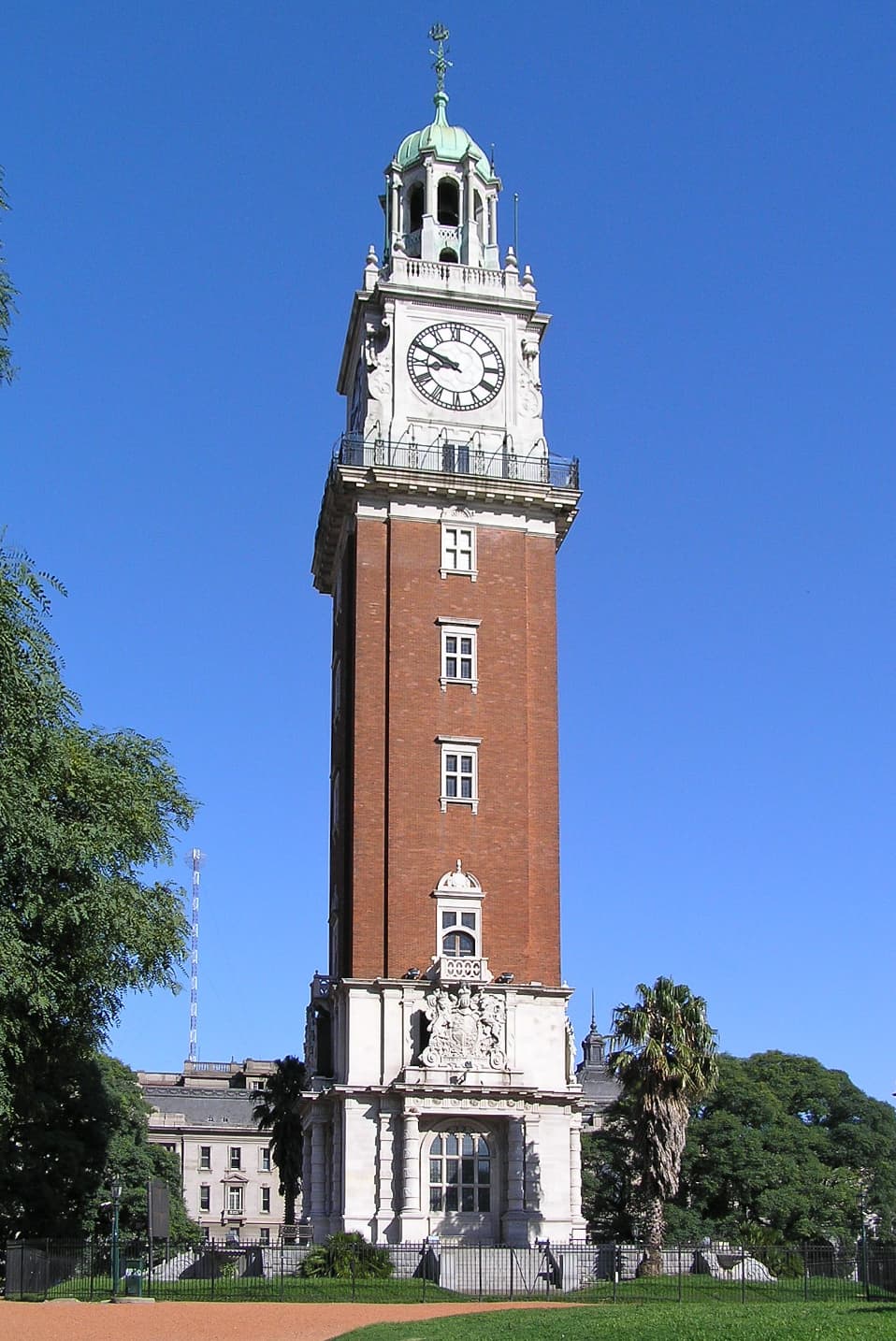
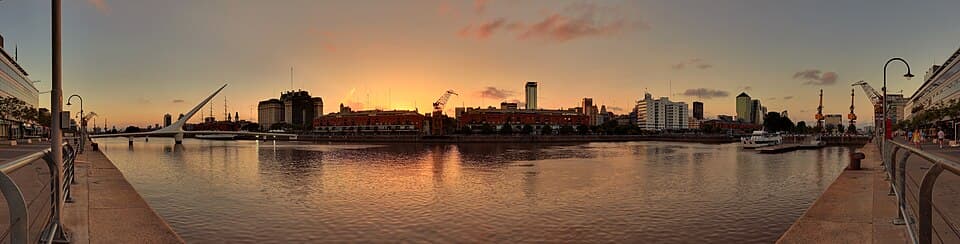
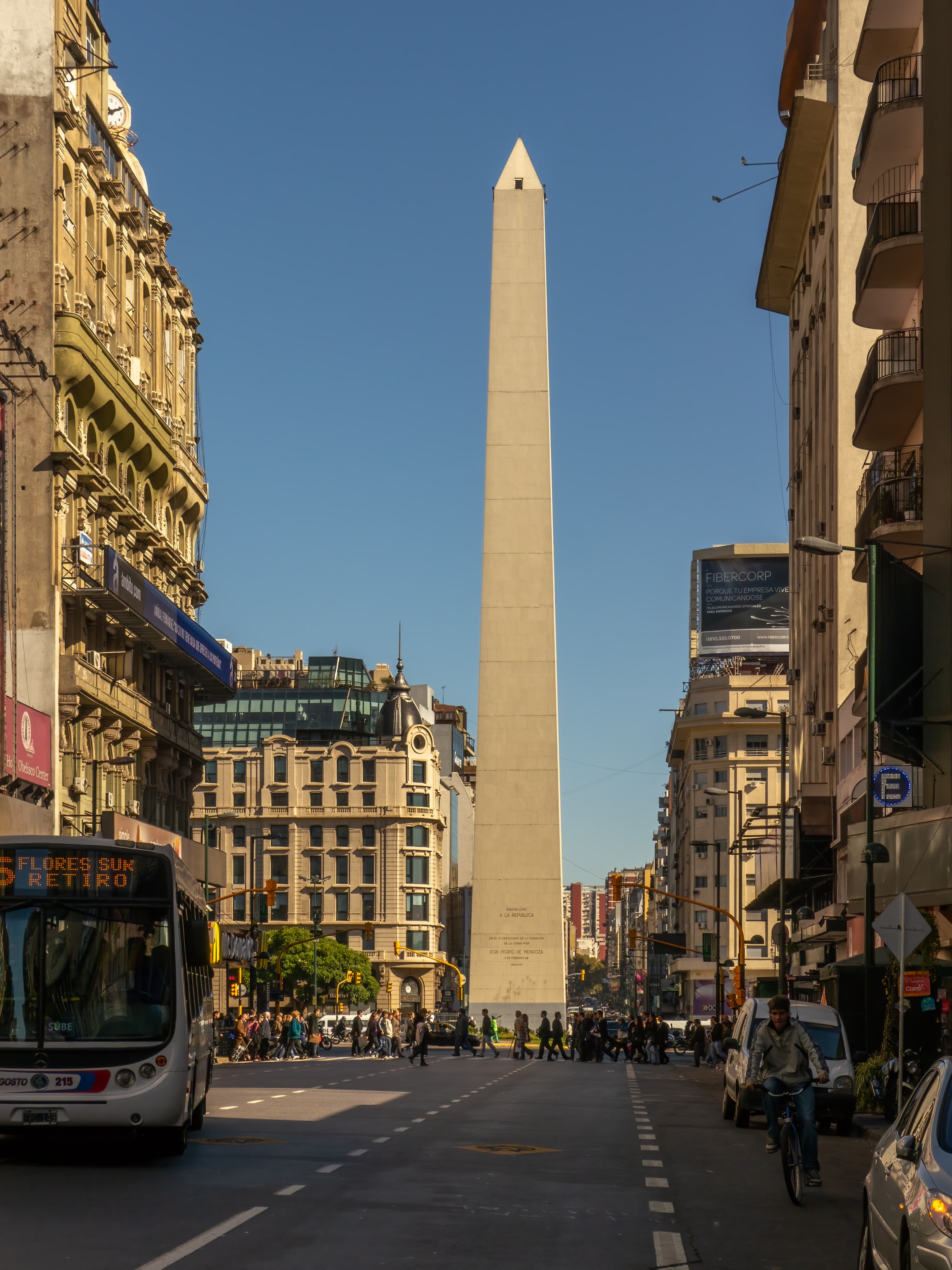
Editorial guide with history, culture, and practical tips to plan your trip.
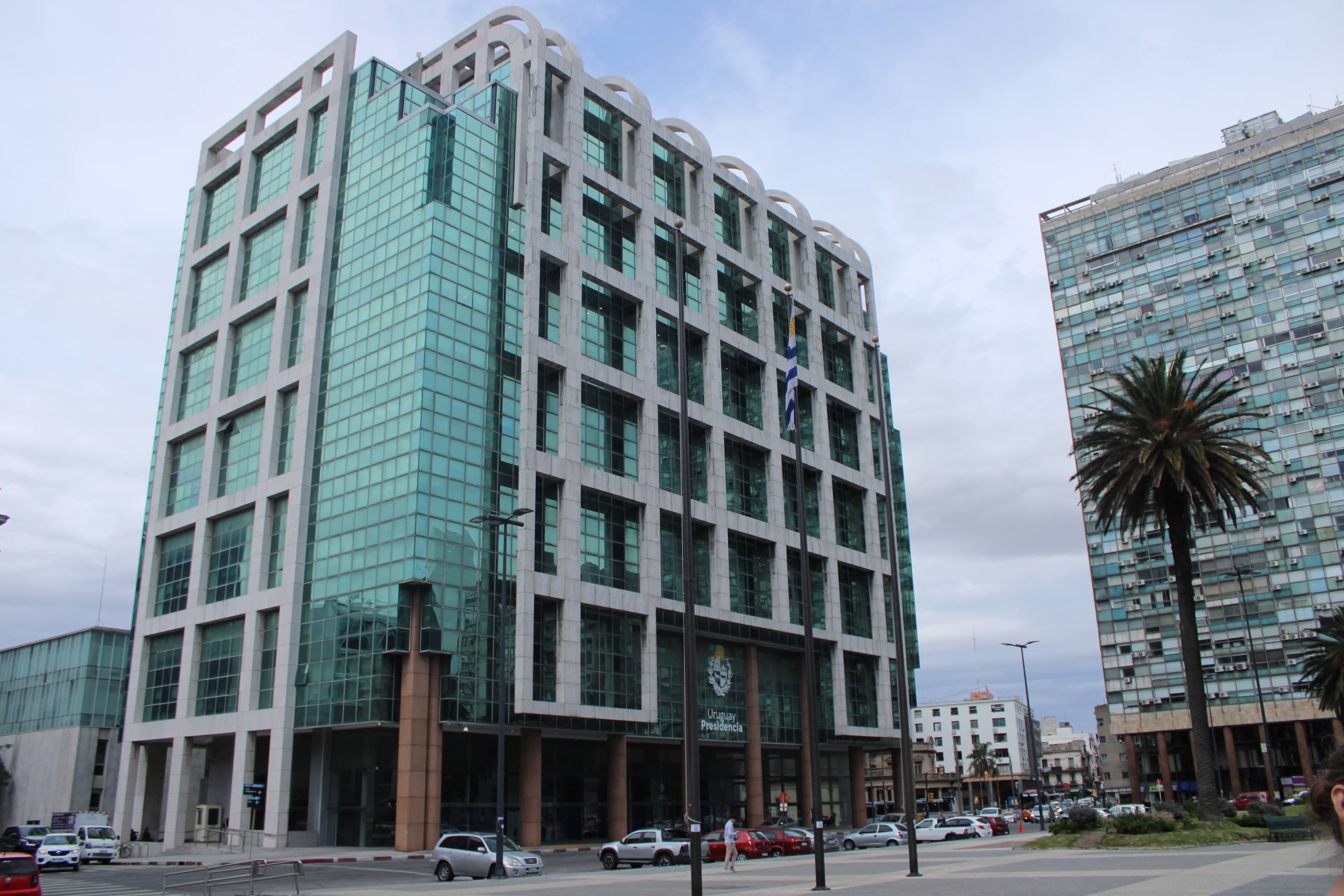
Buenos Aires, officially known as the Autonomous City of Buenos Aires (CABA) in Brazilian Portuguese or Autónoma in European Portuguese, is more than just a city; it is the beating heart and main metropolis of Argentina. Recognized for its urban grandeur and geopolitical importance, it holds the title of capital and represents, indisputably, the largest population and cultural concentration in the country.
Its classification as an alpha-global city, according to the 2024 GaWC rankings, attests to its international status. Buenos Aires is not merely a destination, but a vital hub that has attracted worldwide attention and human flow due to its unique characteristics and vibrant urban atmosphere.
Although the provided sources focus on current demographic and geographical data, the very existence of Buenos Aires as the capital and largest city in Argentina implies a rich historical tapestry. The magnitude of its growth to the point of being recognized in global rankings reflects centuries of urban development and cultural influence.
The history of the region culminated in the formation of a vital center, whose trajectory allowed it to establish itself as a gigantic metropolitan area. This history of expansion and resilience has molded the city into a globally recognized destination, maintaining its importance as the main focal point of Argentine development.
As the capital and largest urban center of Argentina, Buenos Aires is a cultural epicenter that reflects a rich blend of European and South American influences. It is a metropolis where culture flourishes in all its forms: in performing arts, magnificent architecture, and vibrant daily life.
The city's vast cultural area is the stage for manifestations that attract tourists from all over the world, consolidating it as a destination with historical depth and unparalleled contemporary energy. The cosmopolitan atmosphere makes every corner tell a fascinating story.
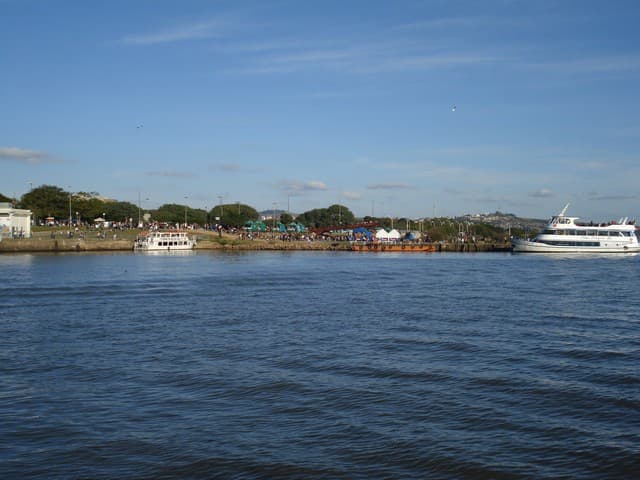
Geographically, Buenos Aires has a strategic location in the southwest of the Rio de la Plata. This river position has not only shaped its economic and historical development but also connects it to vital commercial and cultural routes in the region.
In terms of population and extent, the numbers reveal a striking contrast: while the urban core itself accounts for an estimated population of around 3.1 million inhabitants, its metropolitan area is significantly larger. This surrounding area has an estimated population of impressive 16.7 million people, solidifying Buenos Aires as the 21st most populous metropolitan area on the planet.
Located in the southwest region and close to the vast river system of the Rio de la Plata, Buenos Aires' climate tends to be influenced by the body of water. Although detailed climatic information is not available, its geographical position suggests an environment with variations that enrich the experience of its visitors.
The coexistence between dense urban life and the natural proximity of the river grants the city a unique climate dynamic, which is an integral part of the landscape and local rhythm of life. It is a climate that welcomes both the adventurous visitor and those seeking tranquility.
Buenos Aires' tourism strength is undeniable, driven by its international recognition as an alpha-global city (GaWC 2024). The destination offers a vast array of attractions pleasing everyone from history lovers to modern life appreciators.
The combination of architectural beauty, massive population, and location in the southwest of the Rio de la Plata creates an unparalleled tourist itinerary. Whether exploring historical neighborhoods or immersing yourself in the vibrant life of its metropolitan area, Buenos Aires guarantees memorable experiences that make it a mandatory stop on any travel circuit.
A notable fact about Buenos Aires' demography is the contrast between its numbers: the urban core (the city itself) houses approximately 3.1 million inhabitants. However, when considering its entire metropolitan area, the number skyrockets to an impressive 16.7 million people. This data highlights the colossal size and demographic importance of the region.
Furthermore, its status as an alpha-global city in 2024 is a global testament to its economic, cultural, and population influence. Being located in the southwest of the Rio de la Plata not only defines its natural beauty but also solidifies the crucial role it plays in South American human geography.
Everything you need to know to plan your trip
Best time to visit
Spring to Autumn
Currency
Argentine Peso (ARS)
Language
Spanish
Recommended stay
3 days
Timezone
ART (Argentina Time)
Reference figures to help plan your trip
Hotels in the area
129
Attractions
9
129 properties in the area
Hotels and experiences in the area
Everything you need to know to plan your trip
The city was classified as an alpha-global city according to the GaWC 2024 ranking.
Buenos Aires is located in the southwest of the Rio de la Plata.
The city itself has a population of 3.1 million inhabitants.
Its metropolitan area is considerable, with an estimated total population of 16.7 million people. This ranks it as the 21st most populous metropolitan area in the world.
It means that Buenos Aires is recognized for its prominence and global influence, as classified by the GaWC 2024 ranking.
Extend your trip to incredible destinations nearby
We personalize every moment of your journey — from iconic landmarks to hidden cultural gems.
Available 24/7 · Personalized consultations · Local expertise
Updated on June 7, 2026
Sources