All destinations
Destination
Mendoza
Discover Mendoza! Explore this vibrant Argentine capital, nestled among the majestic Andes. Immerse yourself in the taste of wine in its iconic vineyards. Plan your journey today.
Mendoza · Brasil
Photos
Visual journey
Discover the landscapes and culture of Mendoza
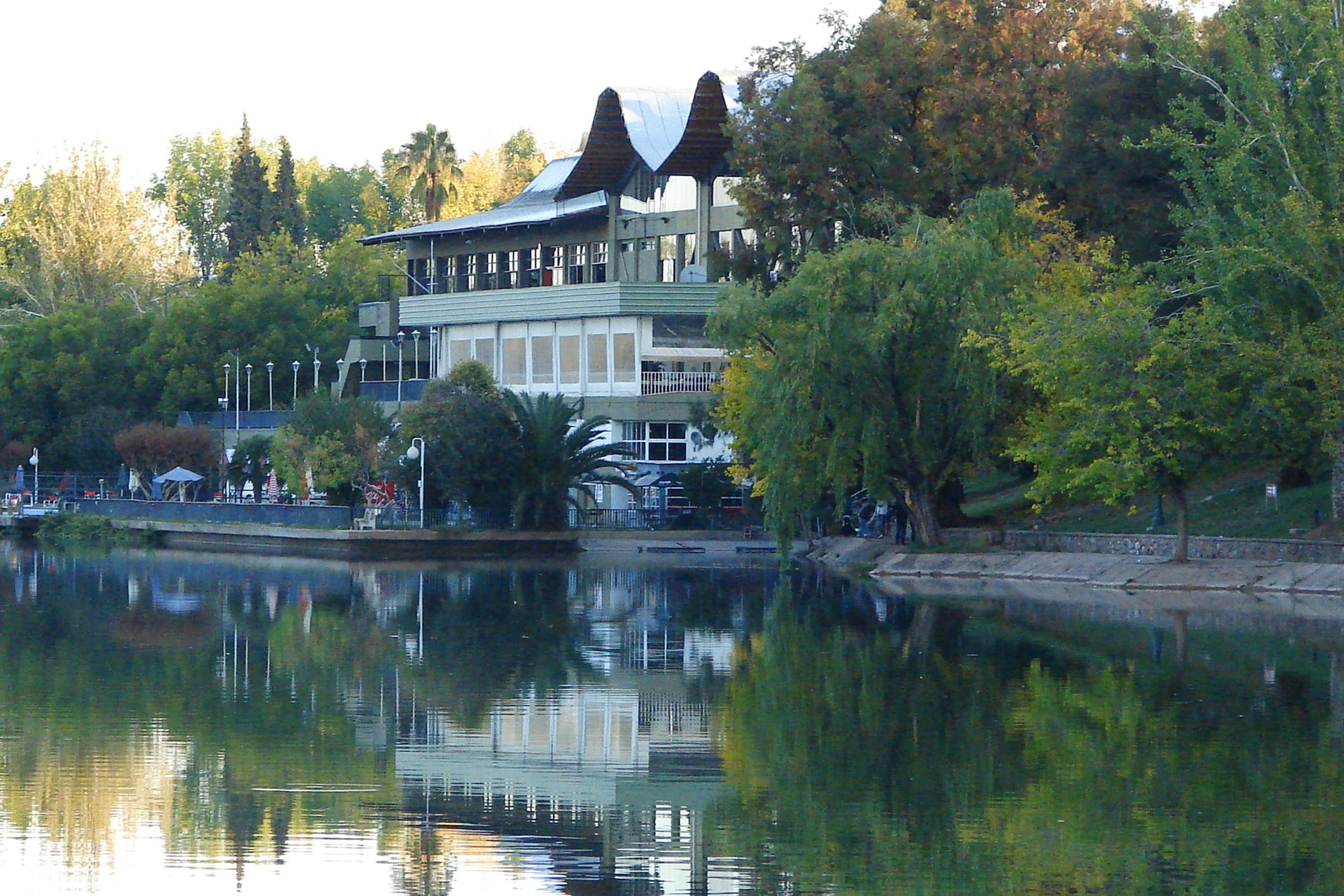
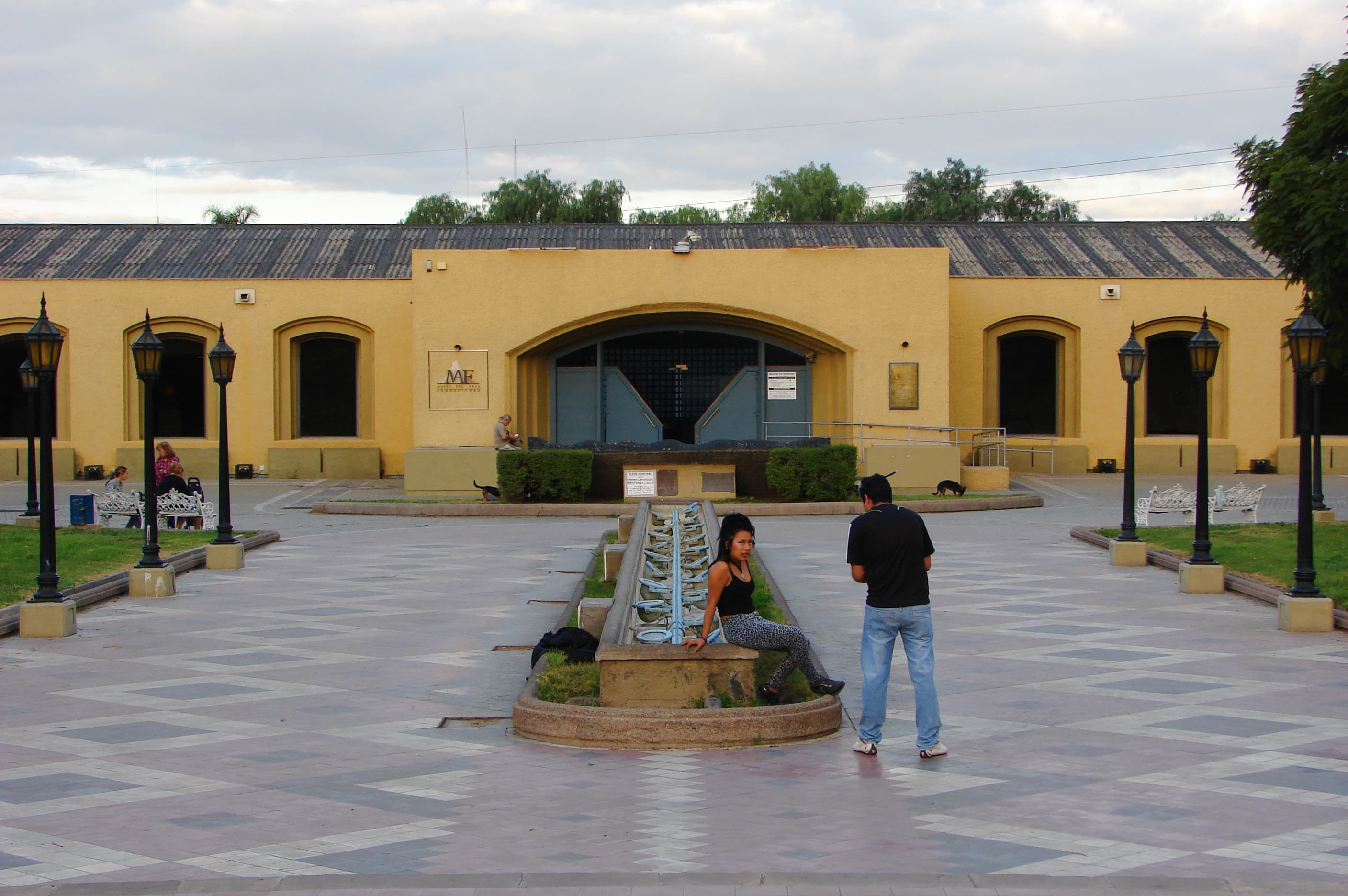
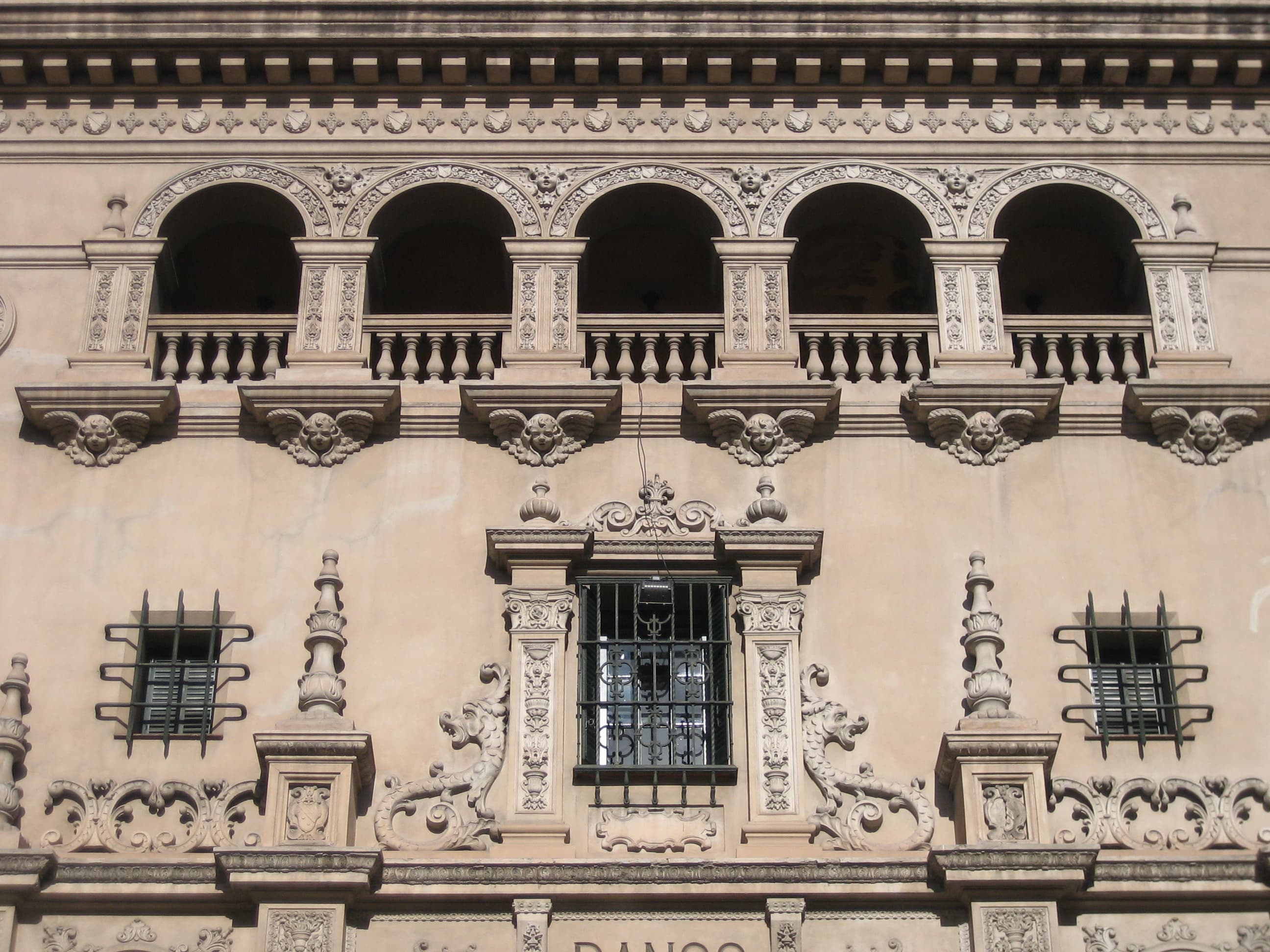
The spirit of Mendoza
Editorial guide with history, culture, and practical tips to plan your trip.
About
Mendoza is recognized as the capital of the homonym province in Argentina. Strategically located on the eastern side of the majestic Andes, this city not only serves as the administrative and cultural center of its province but also represents a significant population hub. Its location in a region that combines mountainous foothills with extensive plains gives it unique geographical characteristics within Argentina.
In terms of demographics, Mendoza presents impressive figures that attest to its role as a major urban center in the country. Although the 2010 census recorded a city population of 115,041 inhabitants, it is its metropolitan area—known as Great Mendoza (Grande Mendoza)—that demonstrates its true size and regional influence. With an estimated population of 1,055,679 people, it establishes itself as the fourth largest metropolitan area in the country, indicating considerable development and quality of life.
This combination of administrative importance with robust population growth makes Mendoza a destination that blends urban tradition with the natural potential of the nearby Andean mountains. Its consolidated structure positions it as a vital axis on the South Cone map, attracting both residents and visitors seeking the region's cultural and scenic richness.
History
As the capital of a rich and historically important province, Mendoza has deep roots in Argentine history. While the source material does not detail specific events, it is undeniable that its function as a political and administrative center granted it a crucial role in the region's historical development.
Its trajectory is intrinsically linked to the control and development of fertile lands located at the transition between high plains and Andean foothills. The importance of its geographic location has always been determining, making it a focal point for colonization, trade, and provincial power.
Over time, Mendoza consolidated itself not only as a populated settlement but as the economic and cultural engine of the province. Its constant development, reflected in its status as a large metropolitan area, tells the story of a city that knew how to leverage natural resources and privileged location to build a solid past and a continuously growing future.
Culture
Mendocino culture is a reflection of its unique geographic position—at the meeting point between the plains biome and the majestic impact of the Andes. Being situated in an area of foothills and high plains shapes habits, traditions, and even the gastronomic and winemaking identity of the province.
As a large metropolitan area accommodating over one million inhabitants (Great Mendoza), the city is a vibrant cultural melting pot. The population mix, natural to major cities in the country, ensures a rich artistic and gastronomic mosaic where Hispanic influences blend with local traditions.
The residents of Mendoza carry the pride of being the capital of their province. This identity is expressed in festivals that celebrate not only local history but also the vital cycles of agriculture and winemaking that flourish at the foot of the Andes. The cultural life here pulses between urban architecture and surrounding natural grandeur.
Geography
Mendoza occupies a geographically relevant location in the north-central part of the province, Argentina. Its position is defined by the dynamic interplay of large topographical formations: it is settled in an area that transitions between high plains and Andean foothills.
The most determining factor for its geography is the striking presence of the eastern side of the Andes Mountain Range. This proximity not only shapes the visual landscape but also influences the climate and water resources vital for life in the region. The topography surrounding Mendoza is a testament to this natural force, featuring imposing peaks and gentler plains.
The geographical aspect of being such an extensive metropolitan area (Great Mendoza) directly bordering this mountainous environment creates fascinating contrasts: the planned order of the city juxtaposed against the grand wilderness of the mountains. This dichotomy is what gives the region its beauty and potential for outdoor activities, beyond the urban core.
Climate
Although specific climatic data are not detailed in the source material, the geographical location in foothills and high plains, adjacent to the Andes, suggests a typically continental and semi-arid climate. This characteristic is common to regions that develop in the rain shadow of large mountain ranges.
Mendoza's climate regime is marked by a wide thermal amplitude and pronounced seasonality. The Andean influence moderates the climate in some areas, but the vast exposed plains ensure significant variations throughout the year. The high-altitude desert and fertile valleys create ideal microclimates for various activities, especially viticulture.
It is important to note that climate is a determining factor in the profile of Mendocino life. The well-defined seasons dictate both the rhythm of urban life and the cycles of agricultural crops. Adapting to climatic variations in such a region of sharp contrasts is part of the local way of life, granting the city notable resilience.
Tourism
Tourism in Mendoza is profoundly influenced by its dual vocation: being a vibrant urban center and being anchored in a magnificent natural setting. The tourist flow greatly benefits from its status as a large metropolitan area, offering complete infrastructure to receive visitors.
For the visitor, the Mendocino experience is a journey of contrasts. On one hand are the city's urban attractions; on the other, stretch the epic outlines of the Andes and the landscapes of the high plains. This combination attracts lovers of culture, wine, gastronomy, and outdoor activities.
Mendoza's ability to sustain a diverse tourist pole is evident through its large metropolitan population, which ensures constant services and attractions. Whether enjoying local flavors in historic restaurants or exploring vineyards at high altitudes, the region positions itself as a complete experience destination where wine, mountain, and Andean civilization converge.
Did You Know?
A notable fact about Mendoza is its impressive population growth. The number exceeding one million inhabitants in Great Mendoza (1,055,679) is not just a statistic, but an indicator of its vitality and socio-economic importance within the country.
It is relevant to point out how the city developed in a region that transitions between high altitudes and mountainous foothills. This unique positioning allows for the harmonious coexistence of intensive agricultural activities, sophisticated tourism, and a dense urban core.
Another interesting aspect is its role as the central axis of the province. Its capital function is not limited to governmental administration; it concentrates and potentializes the cultural, economic, and human resources crucial to the Mendocino identity. Mendoza, therefore, is not just a point on the map, but the beating heart of a region rich in natural and cultural contrasts.
Quick facts
Everything you need to know to plan your trip
Destination at a glance
Reference figures to help plan your trip
Hotels in the area
21
Attractions
9
Best hotels
We are still connecting hotels for this destination. Search stays in the area in the meantime.
Coming soon
We are still connecting hotels for this destination. Search stays in the area in the meantime.
Search hotelsDestination map
Hotels and experiences in the area
Frequently asked questions
Everything you need to know to plan your trip
Where exactly is Mendoza located?
Mendoza is the capital of the province of Mendoza, Argentina. It is situated in the north-central part of the province, in a region characterized by foothills and high plains, on the eastern side of the Andes.
How large is the urban area of Mendoza?
Great Mendoza (Grande Mendoza) is a considerable metropolitan area, ranking as the fourth largest in the country.
What was the population of the region (historical data)?
According to the 2010 census, the city had 115,041 inhabitants, while its total metropolitan population reached 1,055,679.
What is the geographical context of the province?
Mendoza is located in a region of foothills and high plains, geographically positioned on the eastern side of the Andes Mountains in Argentina.
Nearby destinations
Extend your trip to incredible destinations nearby

Ready to experience Mendoza?
We personalize every moment of your journey — from iconic landmarks to hidden cultural gems.
Available 24/7 · Personalized consultations · Local expertise
Updated on June 7, 2026
Sources