Porto de Galinhas
Destination
Discover Cusco, the historic capital of the Inca Sacred Valley in Peru. Plan your trip and immerse yourself in millennia of Andean culture.
Cusco · Brasil
Photos
Discover the landscapes and culture of Cusco

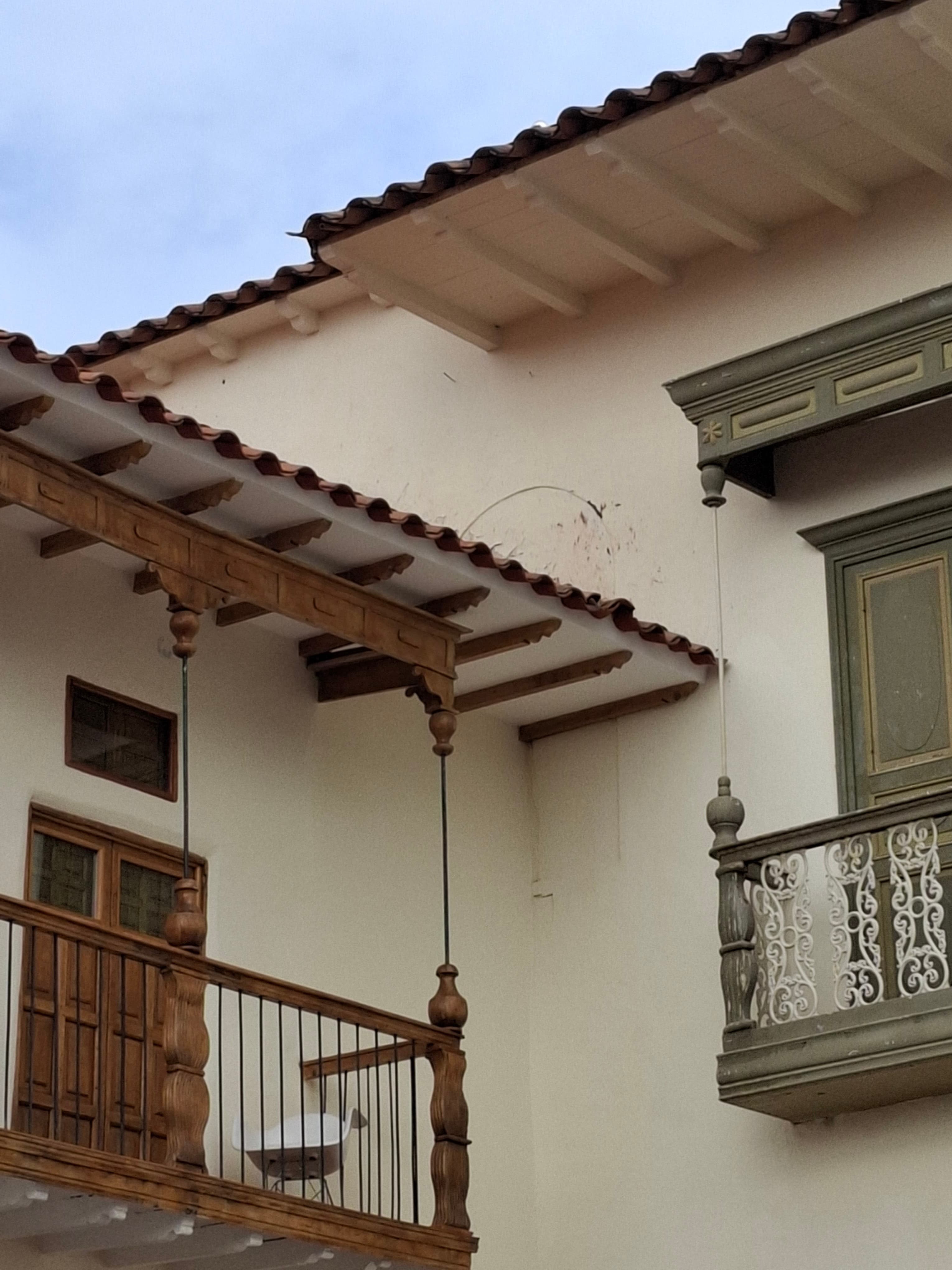
Editorial guide with history, culture, and practical tips to plan your trip.
Cusco is a historical and cultural gem nestled in the heart of Peru. More than just a tourist spot, it is a vibrant center of civilizations—a place where the Inca legacy meets the resilience of modern Andean cultures. Strategically located in one of the region's most fertile valleys, this city carries centuries of history and mystery.
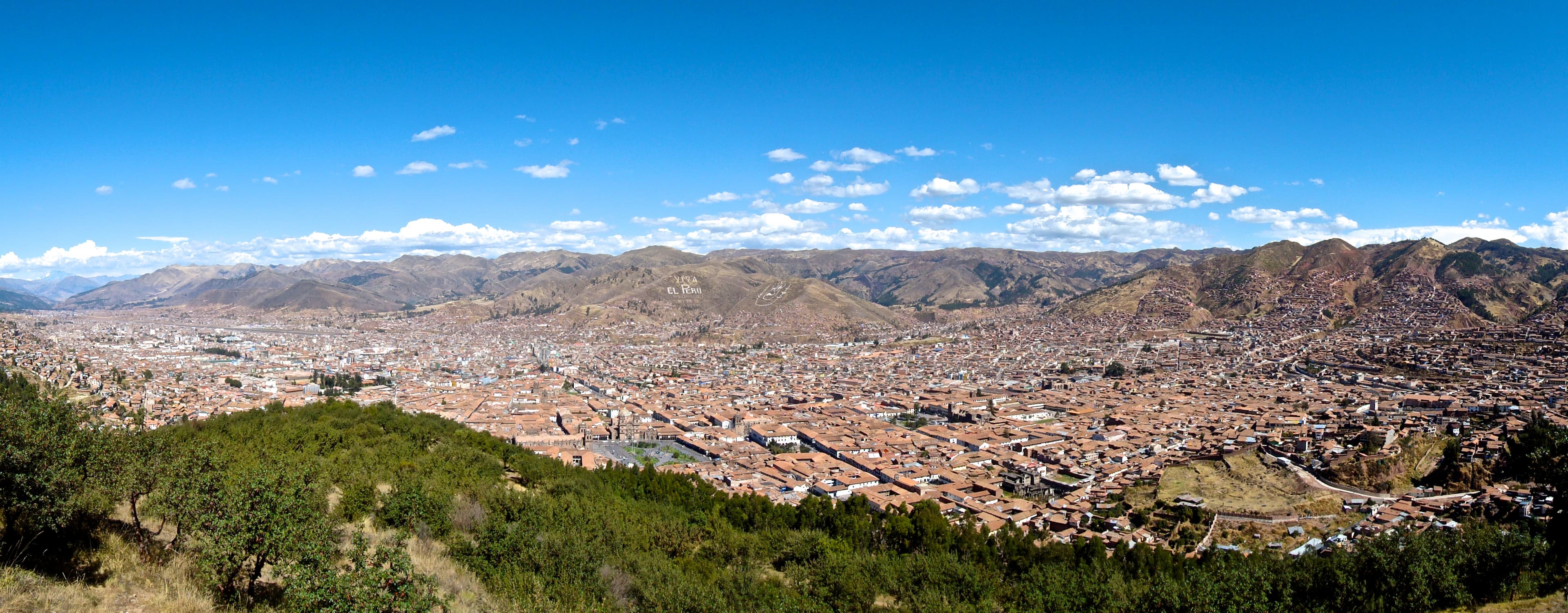
Geographically, Cusco is positioned in the southeast of the Huatanay Valley, which is globally recognized as the Sacred Valley of the Incas. This privileged location in the vast and imposing Andes mountain range not only defines its stunning landscape but has also profoundly shaped the lives of its inhabitants over millennia.
Currently, Cusco is officially recognized as the capital of both the region and the province named after the city. With an estimated population of 428,450 people, it represents a significant urban center while maintaining the soul and traditions of a much distant time.
Although written records regarding its occupation are vast and complex, Cusco's historical significance is intrinsically linked to the height of the Inca Empire. The city flourished as the political and spiritual heart of this powerful empire, a center of power that shaped not only the geographical borders of South America but also the cultural identity of Andean peoples.
The Sacred Valley, where Cusco resides, has always been a vital corridor for commerce and passage. It was in this ancient setting that a sophisticated civilization flourished, building megalithic structures that still withstand the passage of time, silent witnesses to a glorious era.
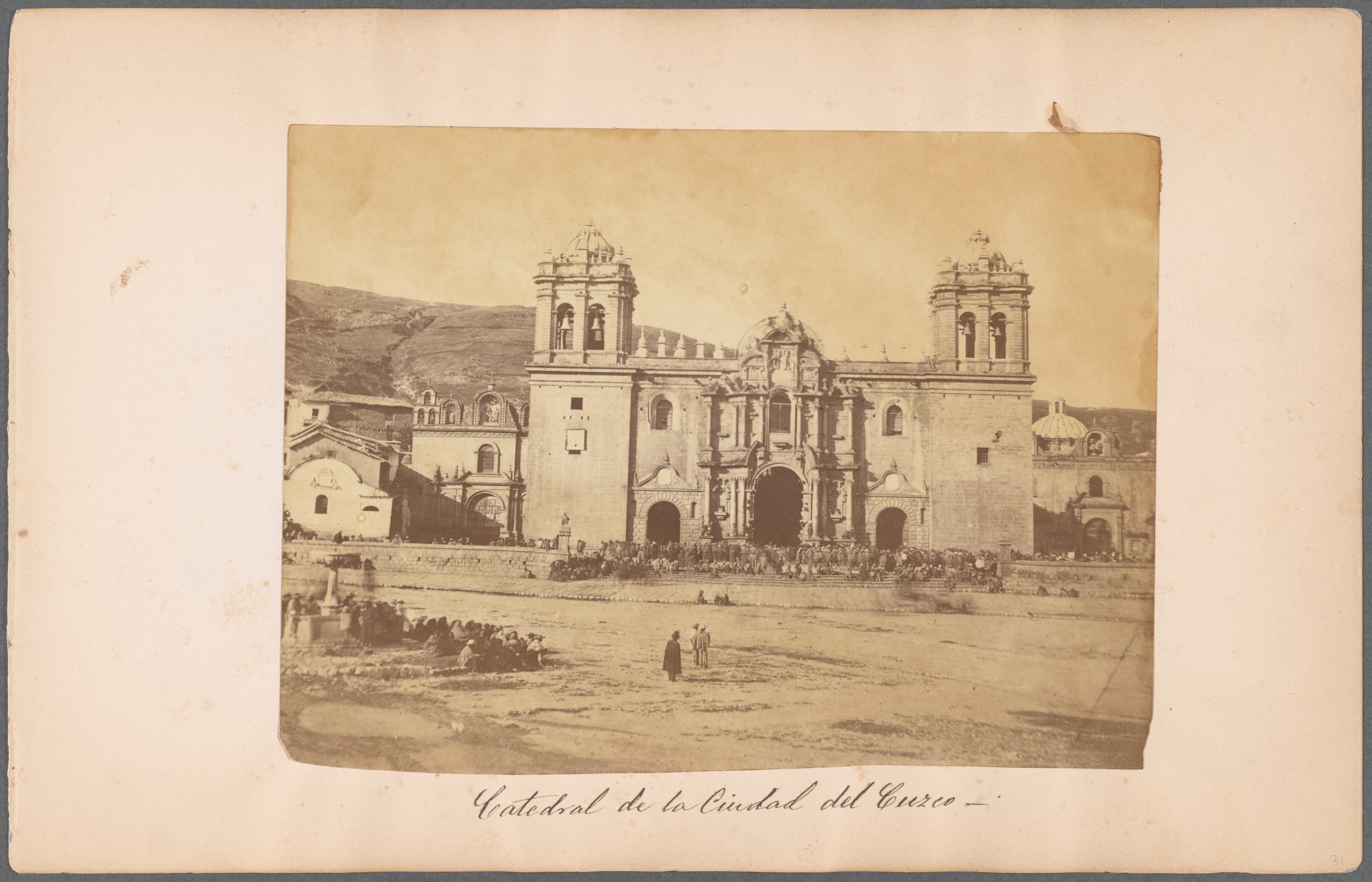
Over the centuries, Cusco underwent significant transformations. The influence of European conquistadors and the subsequent colonial period mixed with the original Inca heritage. This historical layering is what gives the city such a rich and multifaceted character: an open-air museum where different eras meet in constant dialogue.
Cusco's culture is a vibrant tapestry, woven with threads from various civilizations. It is the convergence point of millennia-old Andean traditions and the artistic and religious influence established after the arrival of Europeans. This fusion does not result in erasure but rather in rich cultural syncretism.
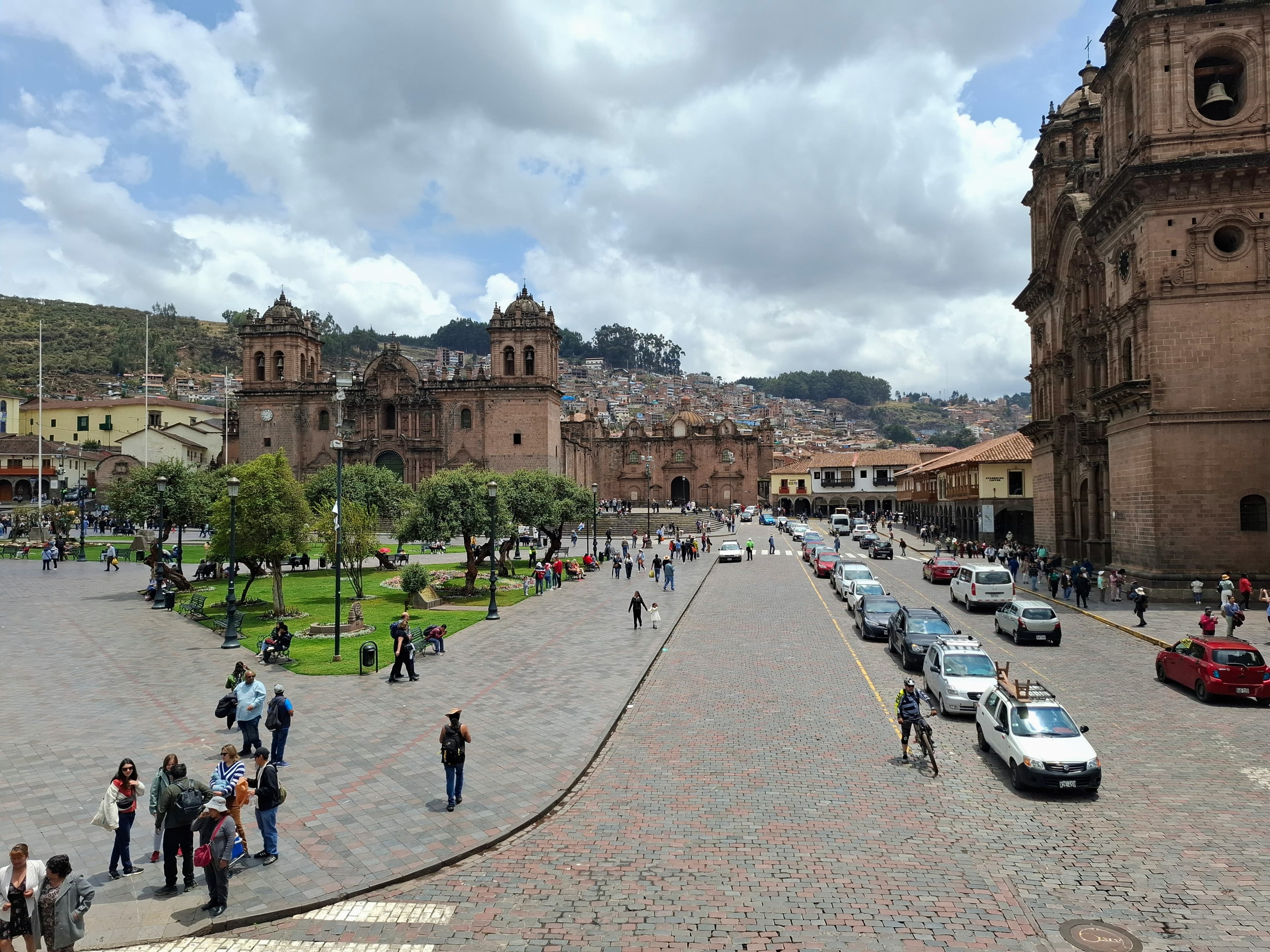
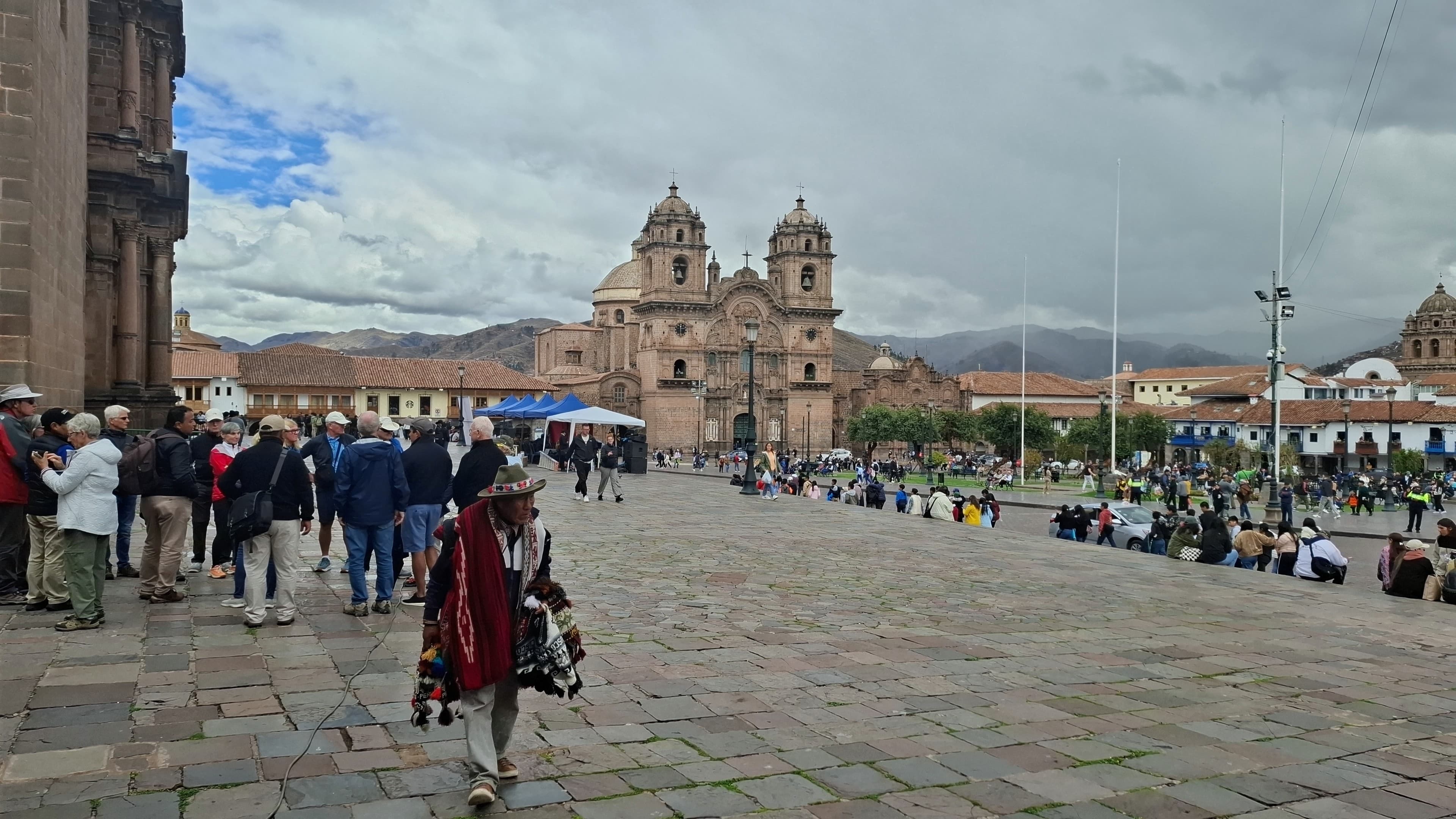
Cultural manifestations are visible around every corner: in the majestic architecture of Inca stone structures supporting colonial buildings; in vibrant markets where local crafts and products echo ancestral trade; and in religious festivities, which often incorporate pre-Columbian rituals.
Local life is marked by a deep respect for agricultural and spiritual traditions. Communities still hold strong ties to the land and natural cycles, elements central to the Andean worldview, making Cusco an immersive experience for any traveler wishing to connect with millennia of roots.
Located in Peru, Cusco's geography is spectacularly challenging and beautiful. The city is situated in the southeastern part of the Huatanay Valley, a region known by the poetic and reverent nickname, the Sacred Valley of the Incas.
This valley is not merely a physical trace; it represents the historical and cultural axis that fueled Inca prosperity. The surrounding landscape is dramatic: snow-capped Andean peaks dominate the horizon, contrasting with the fertile green areas of river valleys and terraced cultivated plains.
The altitude itself—a defining feature of the Peruvian Andes—imparts crystal clear air but also imposes a particular climate that any visitor must consider. The combination of high altitudes with the biological richness of the Sacred Valley creates a unique and geologically fascinating ecosystem.
Due to its considerable altitude and location in the Andes mountain range, Cusco has a typically Andean climate: cold, dry, and highly variable. Visitors should be prepared for rapid changes in weather conditions throughout the day.
In terms of temperature, mornings and evenings are usually quite cold, requiring layers of warm clothing. Afternoons may offer intense sun and milder heat, but the altitude demands caution. It is essential to consider 'altitude sickness' (soroche), a condition that requires gradual acclimatization to the city’s rhythm.
The climate varies seasonally. The dry season is generally sunnier, ideal for touring and exploring archaeological sites. The rainy seasons bring lush greenness to the landscape but require additional planning due to intermittent rainfall.
Tourism in Cusco is an experience that transcends mere leisure; it is a deep dive into human history and natural grandeur. The city has established itself as one of the most important archaeological destinations on the planet, attracting travelers from all corners of the world.
The tourist activities are extremely diverse. In addition to colonial urban wonders, the main focus lies on the incredible archaeological sites surrounding the Sacred Valley. It is possible to explore remnants of the Inca civilization at a pace that combines adventure and historical contemplation.
Tourist experiences include hiking along ancient trails, visiting local markets where you can interact with regional cuisine, learning about Andean weaving, and taking guided tours through imposing ruins. Whether your interest lies in physical adventure in the mountains or the academic depth of pre-Columbian history, Cusco offers an itinerary for every taste.
A striking curiosity about Cusco is its administrative and cultural importance. The city not only holds the title of regional capital but also serves as an epicenter where Andean history converges with modern Peruvian life. This fact underscores its crucial role in the political geography of the country.
In demographic terms, Cusco has a robust estimated population of 428,450 inhabitants, which lends it vitality and social dynamism despite its historical aura. This combination of an active population and such a glorious past is remarkable.
The Sacred Valley of the Incas is not just a place; it is a culturally charged concept, representing the area where the Incas concentrated their power and finest constructions. Being in Cusco means being at the epicenter of this sacred narrative, making the Huatanay Valley the cradle of countless archaeological mysteries waiting to be discovered by the curious traveler.
Everything you need to know to plan your trip
Best time to visit
May to September (Dry Season)
Currency
Peruvian Sol (PEN)
Language
Spanish
Recommended stay
3 days
Timezone
UTC -5
Reference figures to help plan your trip
Hotels in the area
23
Attractions
9
23 properties in the area
Hotels and experiences in the area
Everything you need to know to plan your trip
Cusco is a city located in Peru.
It is a city located in the Andean region, specifically in the southeast of the Huatanay Valley or Inca Sacred Valley.
Yes, it is the capital of both the Cusco region and the province of Cusco.
The estimated population for Cusco is 428,450 inhabitants.
Extend your trip to incredible destinations nearby
We personalize every moment of your journey — from iconic landmarks to hidden cultural gems.
Available 24/7 · Personalized consultations · Local expertise
Updated on June 7, 2026
Sources