Lima
Destination
Discover Lima! Explore the vibrant heart of Peru. A metropolitan city rich in history and culture on the Pacific coast. Plan your trip today.
Lima · Brasil
Photos
Discover the landscapes and culture of Lima

Editorial guide with history, culture, and practical tips to plan your trip.
Lima is undeniably the vibrant heart and most significant metropolis of Peru. It is not merely a city, but a nerve center where ancient history meets an accelerating and pulsating urban rhythm. As the capital and largest population cluster in the country, Lima attracts attention from across the continent, recognized for its demographic and economic importance.
Its magnitude is impressive: the Metropolitan Region of Lima, which encompasses both the urban core and the strategic Port of Callao, forms a massive contiguous area. Population data is striking, pointing to almost 12 million inhabitants in its vast metropolitan area. This number not only establishes Lima as Peru's most populated metropolitan region but also places it among the major urban centers of Latin America.
The population concentration indicates its crucial role in national development. With nearly a third of Peru's entire population residing within the limits of this gigantic metropolitan area, Lima plays a central role in the social, economic, and political life of the entire country. Exploring Lima is diving into an urban experience that reflects the complexity and resilience of South American culture.
While factual material does not detail specific historical landmarks, it is impossible to discuss Lima without acknowledging its role as the historic capital of Peru. The city has been a focal point for civilizations over centuries, witnessing the cultural and social evolution that shaped modern Peru.
Lima's growth is intrinsically linked to its privileged geographical location. Its history unfolds in the fertile valleys created by the convergence of the Chillón, Rímac, and Lurín rivers—a vital water system in central Peruvian coastal areas. This geography not only allowed for the initial subsistence of important communities but also determined its course as an undeniable commercial hub.
The formation of the modern Metropolitan Region is the result of continuous and strategic expansion that embraced elements vital for international trade. The inclusion of the port maritime of Callao is not just a physical fact, but a historical marker of Lima as the entry point and exit point for Peruvian resources, solidifying its relevance in the Latin American geopolitical scene.
The culture in Lima is a vibrant mosaic that mirrors its immense population diversity. With almost 12 million people residing in the metropolitan area—the figure estimated around 2017—the city has absorbed and celebrated multiple influences, resulting in a rich cultural tapestry.
This cultural fusion is visible in the daily life of the streets, the flavors of local cuisine, and artistic expressions. Life in the Peruvian capital is characterized by an incessant rhythm of human interaction, making this metropolis a vast center of cultural convergence. Ancient traditions coexist alongside modern manifestations, creating a unique and fascinating atmosphere for the visitor.
The population scale of the Metropolitan Region—where approximately a third of Peruvians live—ensures that every neighborhood, from historic centers to the most modern areas adjacent to the port, tells a distinct cultural narrative. In this multiplicity lies the true magic of Lima: the capacity to embrace and celebrate its vast and multifaceted identity.
Geographically, Lima's standout feature is notable in its strategic positioning on the central coast of Peru. The city developed majestically in the valleys of the Chillón, Rímac, and Lurín rivers. This river system not only provides vital water resources but also shaped the very topography upon which the city grew.
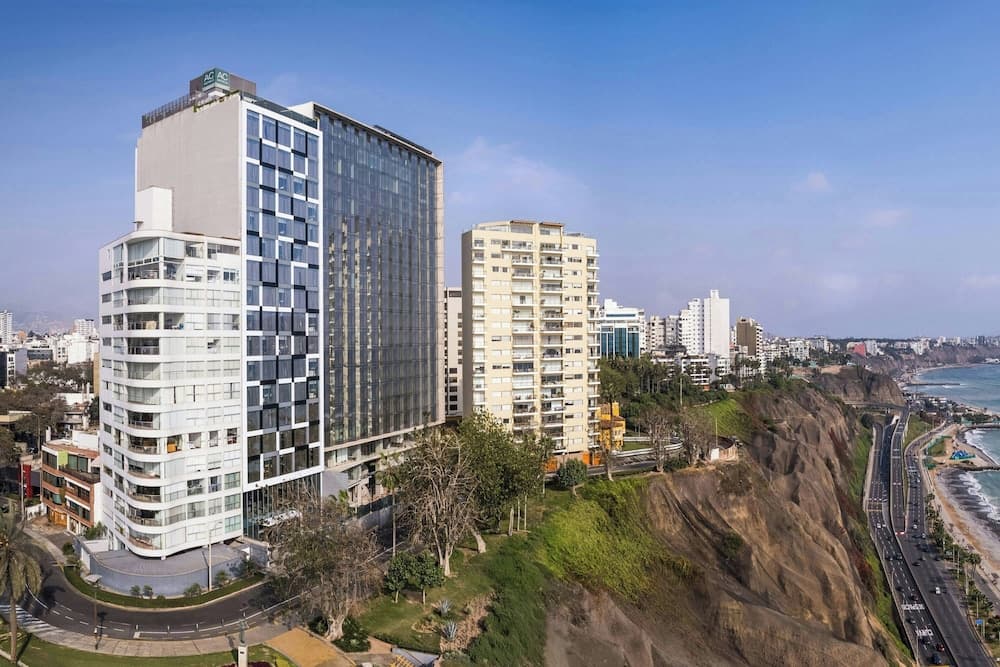
With a stunning view of the Pacific Ocean, Lima embraces the Peruvian coast in its central section. This proximity to the sea is fundamental to its commercial and historical vocation. Additionally, the vast urban area expands contiguously with a crucial element: the Port Maritime of Callao.
Together, these elements—the three rivers cutting through the valleys, the pacific horizon, and the vital port—form the Metropolitan Region of Lima. This metropolitan region is not merely a geographical area; it is an urban axis of continental proportions, recognized as one of the largest and most populated metropolitan regions in Latin America.
Although factual material does not provide specific details on rainfall patterns or daily temperatures, Lima's geographic location on the central Peruvian coast, overlooking the Pacific, suggests a typical coastal climate. This environment is influenced by oceanic dynamics and river valleys.
Life in the city unfolds in a setting that transitions between maritime influence and the energy of the Chillón, Rímac, and Lurín rivers' water systems. The climate acts as a constant backdrop to the metropolitan area's fast pace, shaping the daily habits of its gigantic population.
Despite regional variations within the vast Metropolitan Region, the predominant characteristic is the direct connection with the Pacific Ocean. This climatic and geographical factor lends the city a maritime character that permeates everything from its fashion to its economic activities, making this natural element of connection a constant in the Limeño experience.
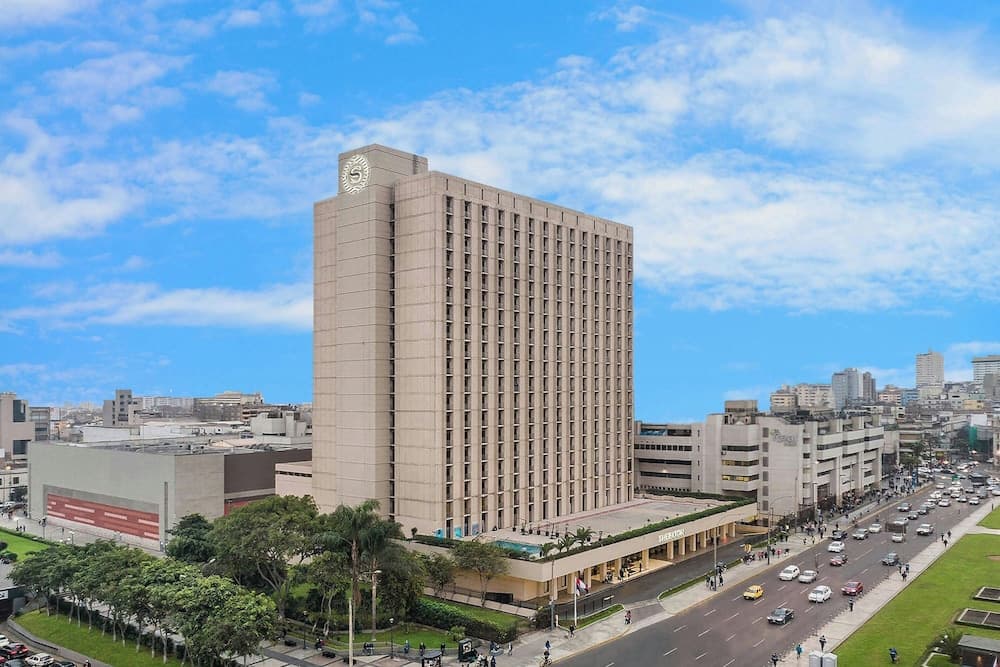
Lima offers continental-scale tourism, where the urban experience is the main attraction. Exploring the city takes the visitor through neighborhoods that tell stories of different eras and social classes. The historic city center invites immersion into the culture of the past.
A vital tourist pole is the Port Maritime of Callao. This site, besides being a crucial economic point for Peruvian logistics, possesses historical richness that attracts those interested in trade and the architecture of the past port. The combination of modern life with this historic infrastructure creates unique itineraries.
The vast demographics (almost 12 million people) ensure that the tourist offering is extremely diverse, ranging from world-renowned gastronomic experiences to tours exploring the Chillón, Rímac, and Lurín river valleys. Tourism in Lima is synonymous with urban discovery, a dive into the vibrant energy of Peru's largest metropolitan area.
The most striking aspect of Lima is its demographic magnitude. With an estimated population of nearly 12 million inhabitants, it establishes itself as the demographic and economic engine not only for Peru but also for a large part of Latin America.
It is fascinating to note that this gigantic human concentration (about a third of the national population) lives within the limits of this Metropolitan Region. This data underscores the vital importance of the axis formed by the Chillón, Rímac, and Lurín rivers in sustaining life and commerce for such a large population.
The integration of the city with the Port Maritime of Callao is a logistical curiosity that defines its global role. It is not just a residential center; it is a strategic hub that channels the continent's wealth through the waters of the Pacific Ocean, reinforcing its position as an urban and commercial powerhouse in Latin America.
Everything you need to know to plan your trip
Reference figures to help plan your trip
Hotels in the area
3
Attractions
9
3 properties in the area
Hotels and experiences in the area
Everything you need to know to plan your trip
Lima is the capital and largest city of Peru.
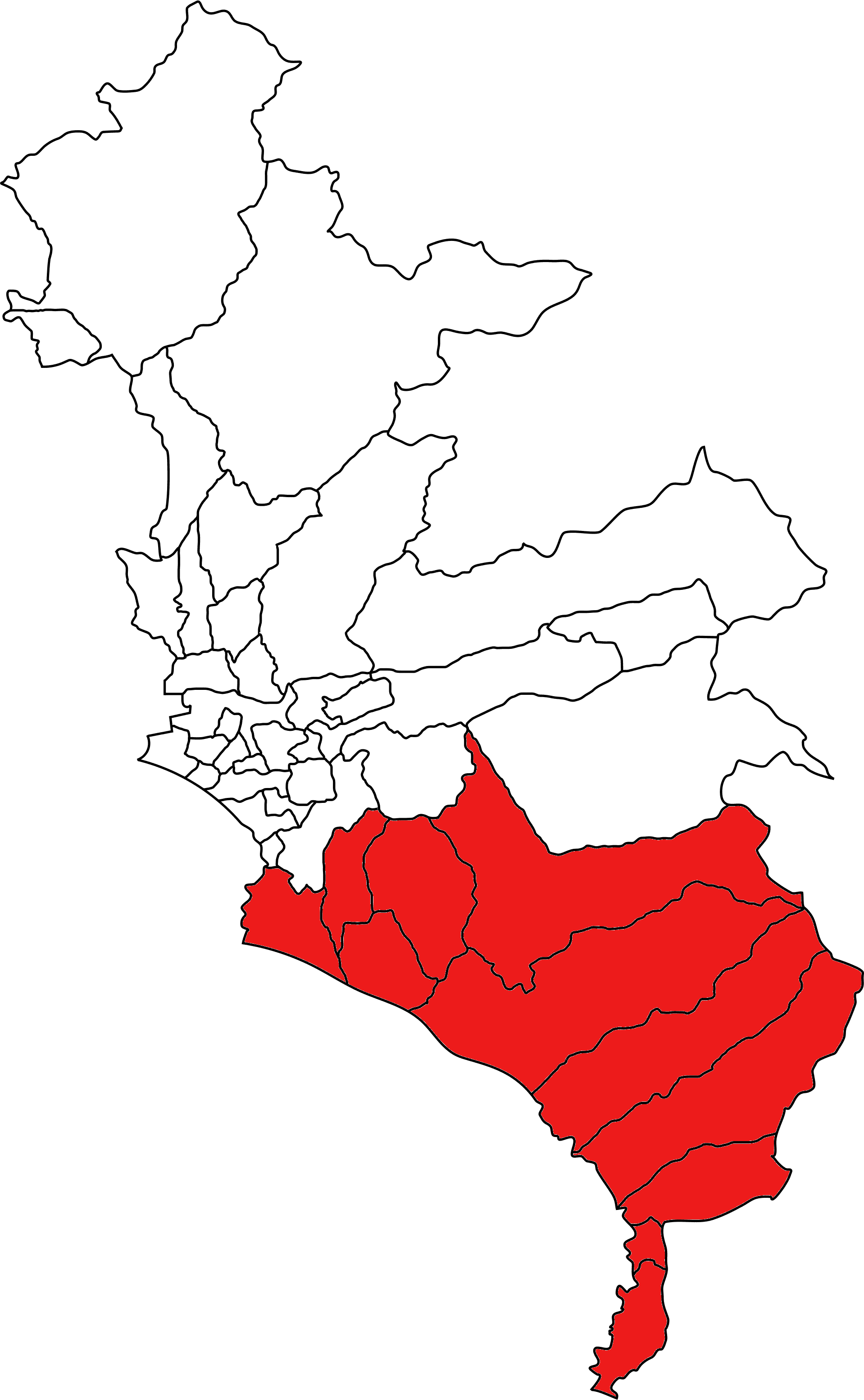
It is located on the central Peruvian coast, specifically in the valleys of the Chillón, Rímac, and Lurín rivers.
Lima overlooks the Pacific Ocean.
It is a contiguous urban area formed by Lima and the Port Maritime of Callao.
The Metropolitan Region of Lima has an approximate population of nearly 12 million, considered the most populous in Peru and one of the largest in Latin America (data from 2017).
Extend your trip to incredible destinations nearby
We personalize every moment of your journey — from iconic landmarks to hidden cultural gems.
Available 24/7 · Personalized consultations · Local expertise
Updated on June 7, 2026
Sources