Campos do Jordão
Destination
Discover Campos do Jordão! This destination in the Mantiqueira Range offers incredible landscapes and perfect mountain climate for romantic trips. Plan your stay now.
Campos do Jordão · SP · Brasil
Photos
Discover the landscapes and culture of Campos do Jordão
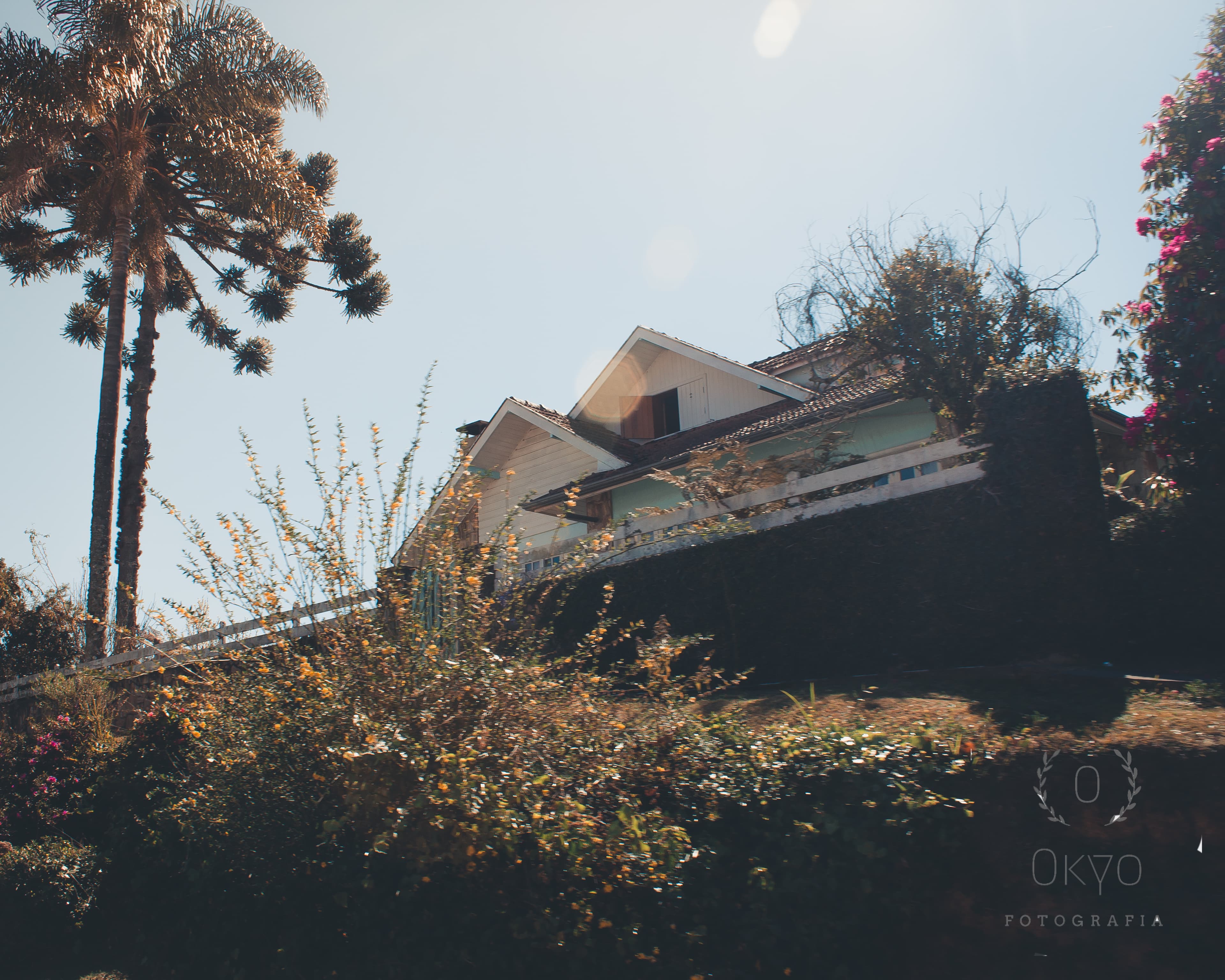
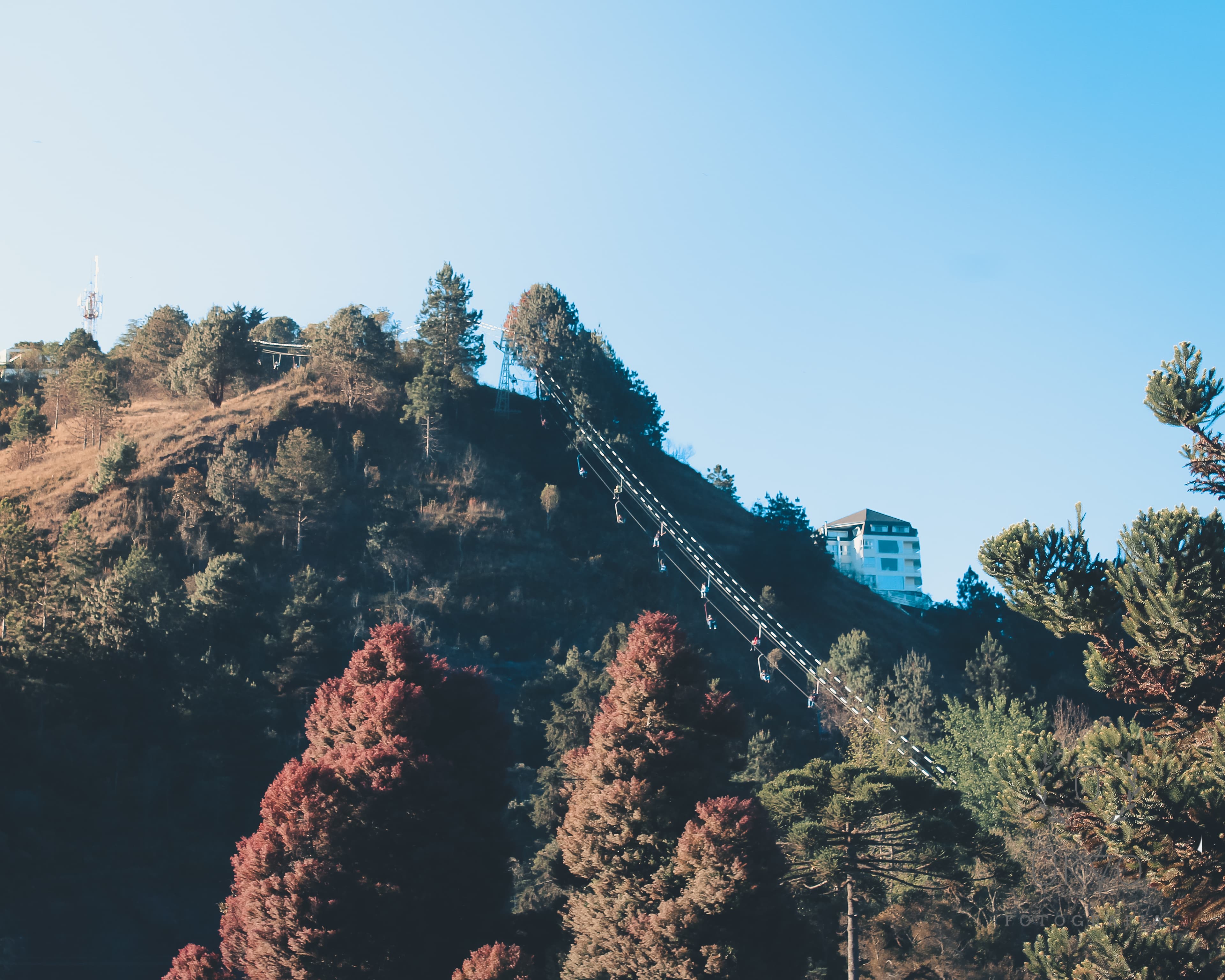
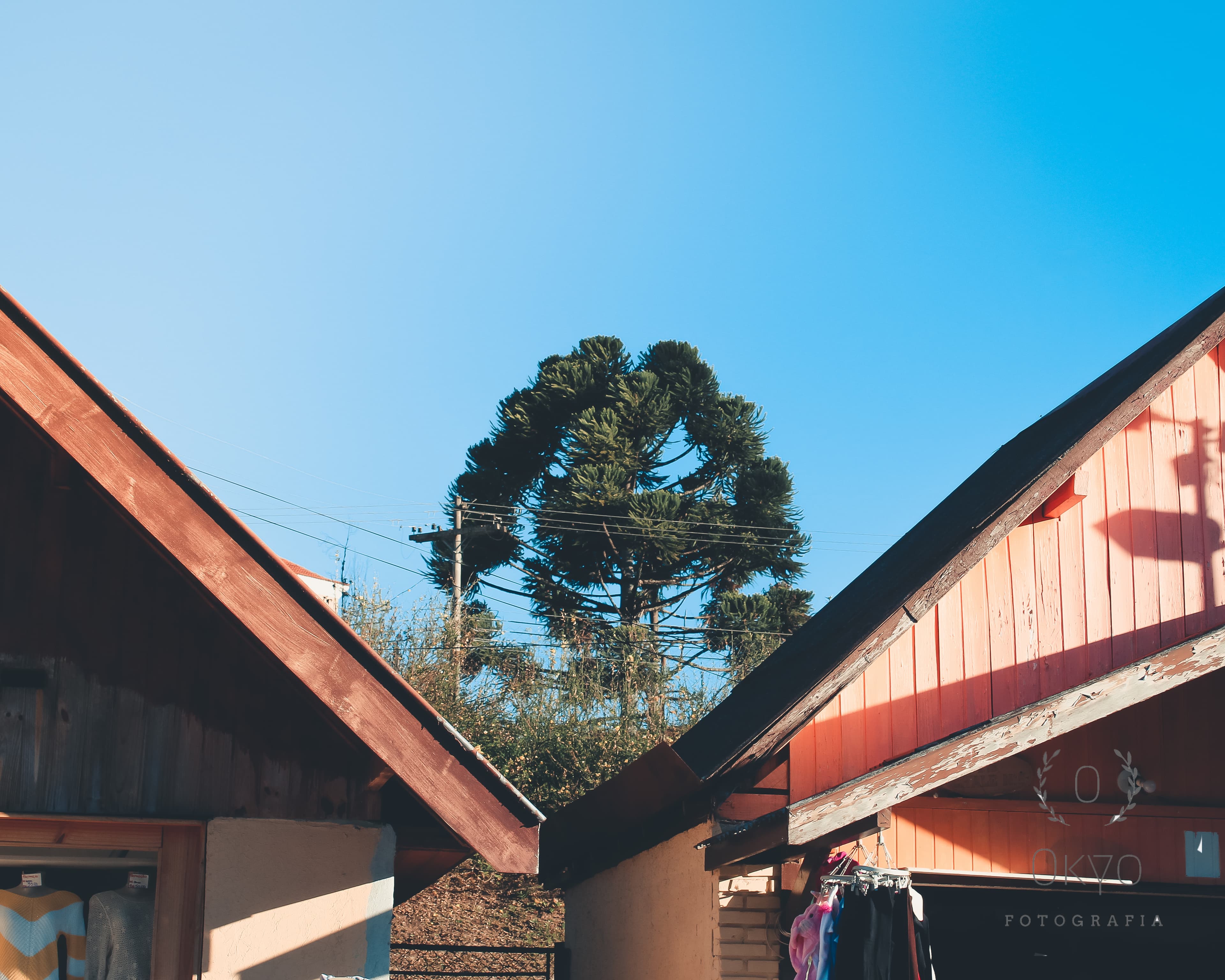
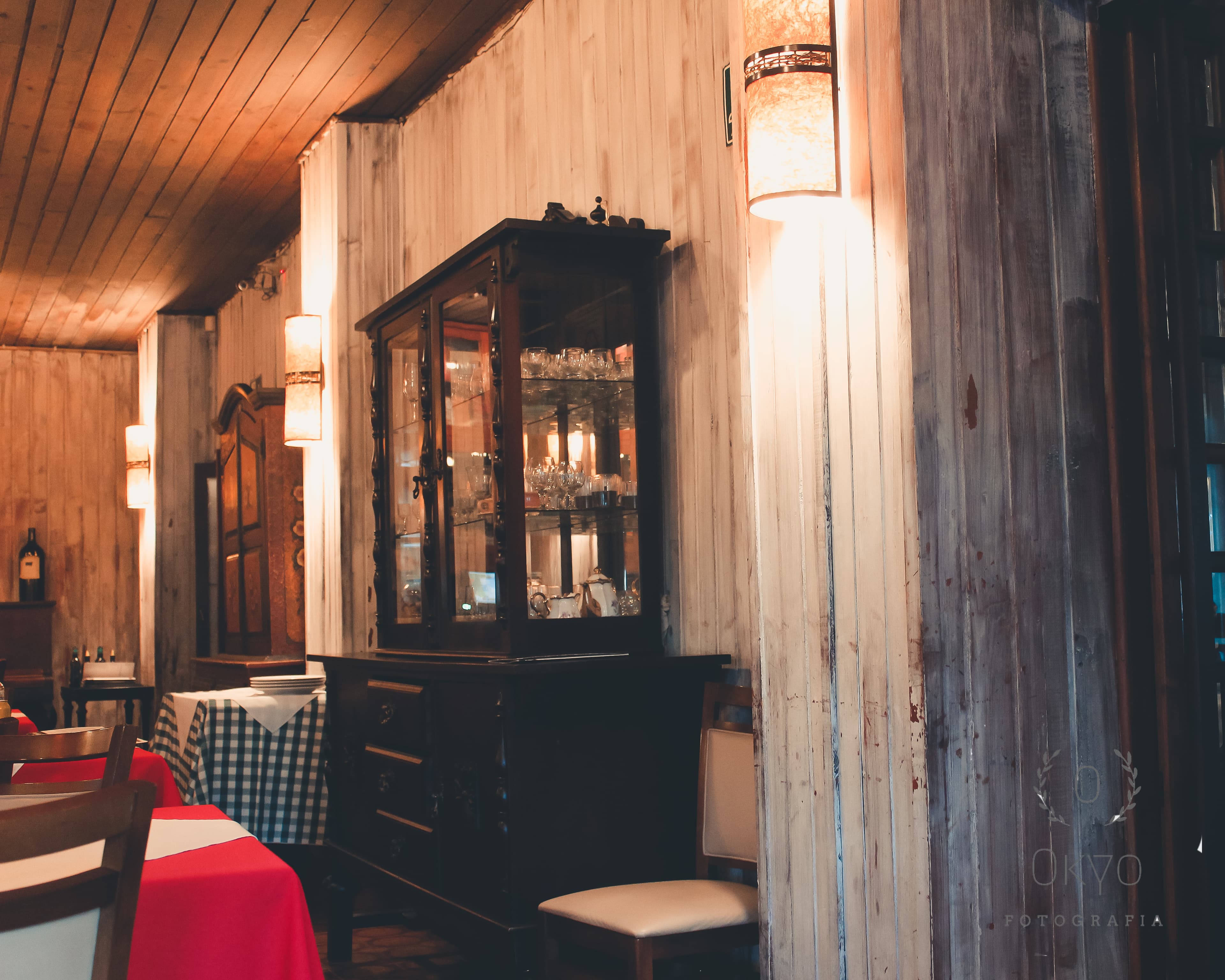
Editorial guide with history, culture, and practical tips to plan your trip.
Campos do Jordão is a Brazilian municipality distinguished by its privileged location and mountainous charm, situated in the heart of São Paulo state. More than just a geographical point, it represents a sophisticated refuge nestled in the interior of São Paulo. The city is recognized for the scenic beauty provided by its natural surroundings and an atmosphere that blends the serene pace of the Serra with the cultural vibrancy of one of the country's most developed regions.
Its identity is deeply linked to the majesty of the Mantiqueira Range, one of Brazil’s most important mountain systems. This geographical integration grants the municipality not only breathtaking landscapes but also a unique microclimate and lifestyle, ideal for those seeking to escape the chaotic pace of large metropolises without sacrificing comfort and refined experiences. It operates as part of the wider regional dynamic that includes the Paraíba Valley and North Coast.
Although factual sources do not detail its historical past, the very existence and development of Campos do Jordão are intrinsically linked to its elevated geography. The region's history reflects a movement seeking cooler clearings and high altitudes within São Paulo state.
Its location in the interior of São Paulo, specifically in a mountainous area like Mantiqueira, suggests from an early stage the development of rural properties and residences that capitalized on the mild climate and panoramic views. Over time, the municipality grew and consolidated itself as an attractive destination, expanding its vocation beyond mere rural life. Its progressive integration into neighboring metropolitan regions, such as part of the Paraíba Valley and North Coast Metropolitan Region, indicates an evolution in its economic and social importance, transforming it into a hub that harmonizes tradition and modernity.
The culture of Campos do Jordão is a rich mosaic, shaped by the coexistence between traditional mountain life and broader cultural influences. The municipality, due to its strategic location within the vast São Paulo metropolitan area, absorbs various artistic, culinary, and gastronomic manifestations.
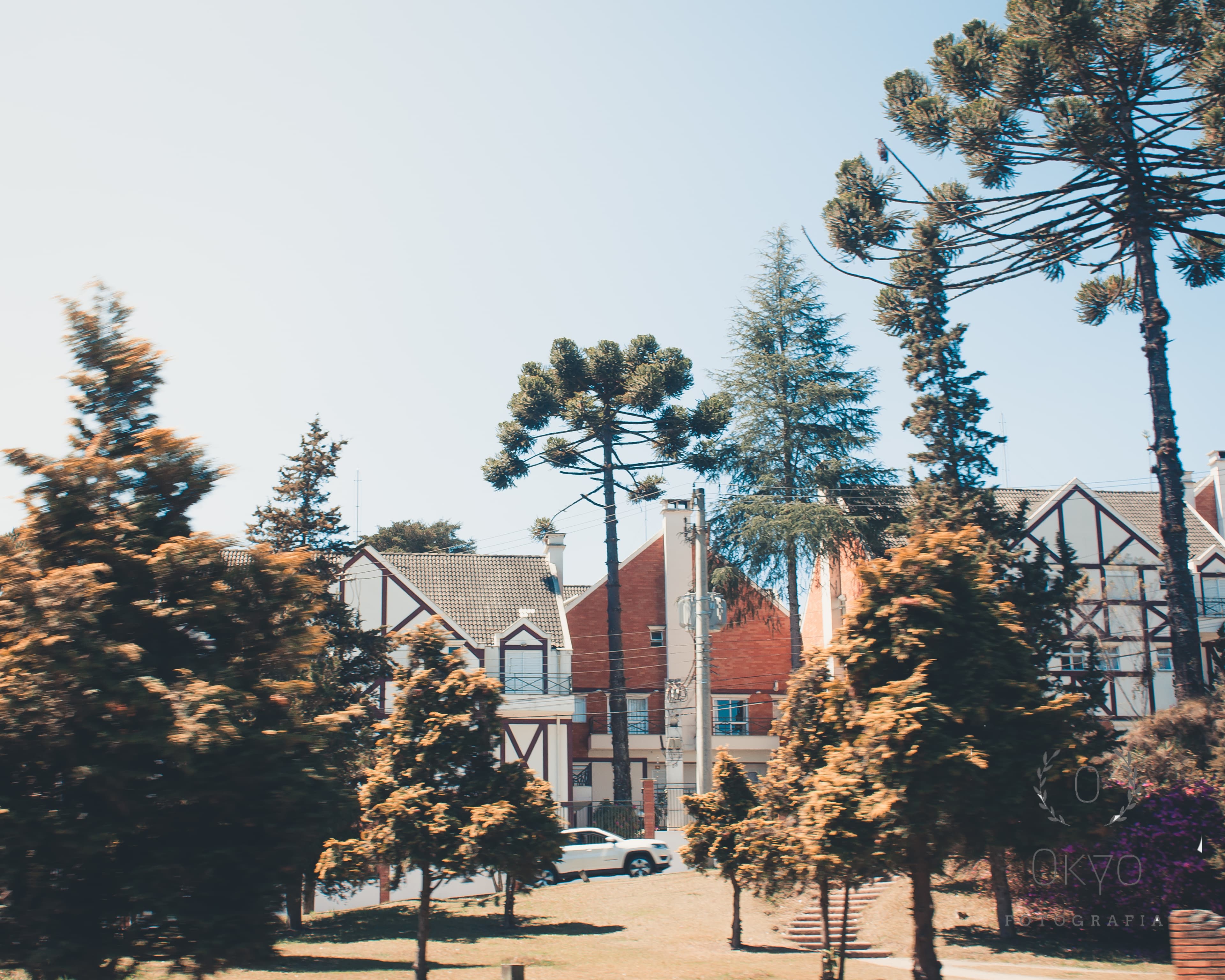
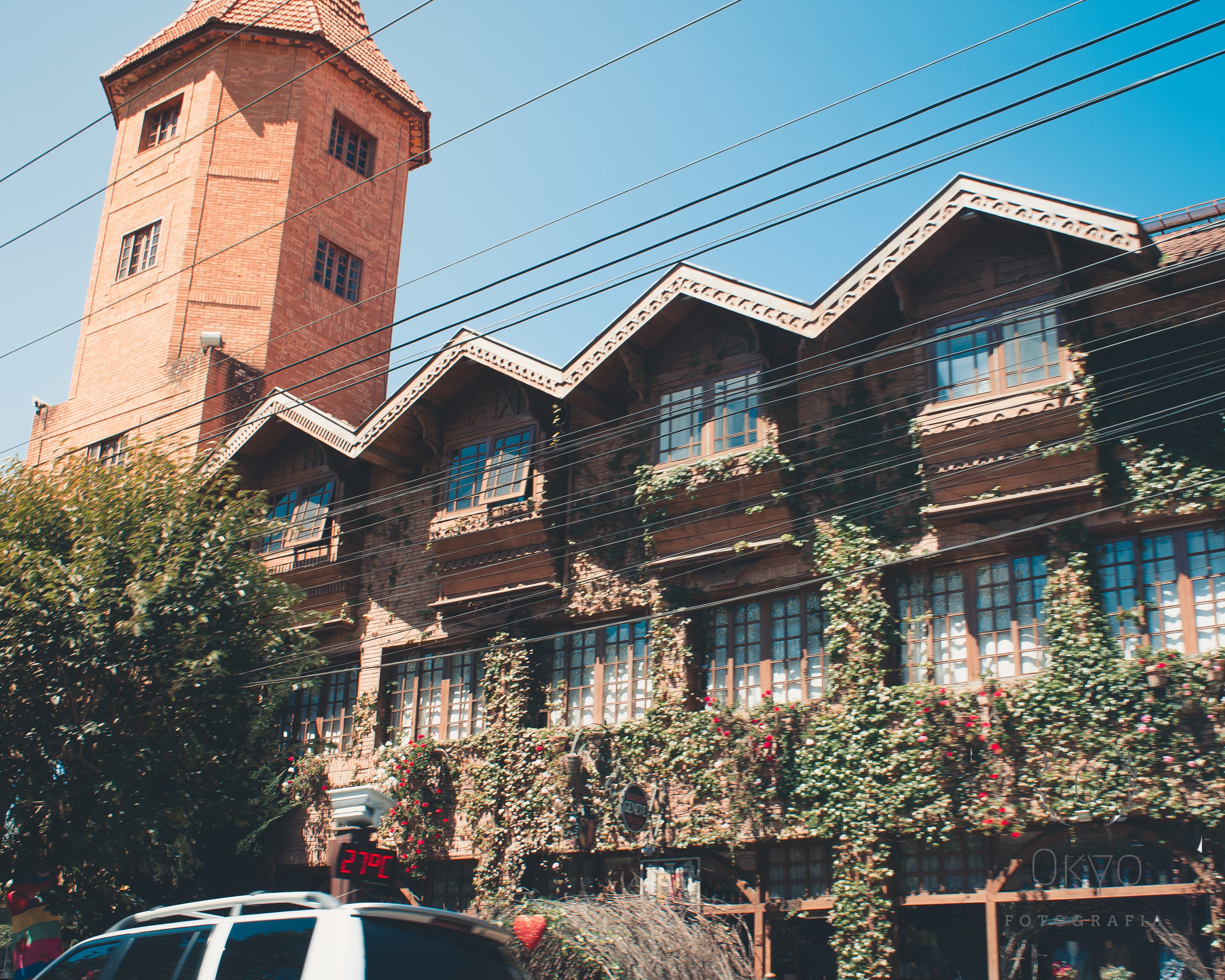
Local traditions celebrate the mountainous charm, reflected in architecture, the rhythm of seasonal festivities, and customs. Local culture deeply values connection with nature, transforming landscapes into settings of inspiration for artists and leisure enthusiasts. This fusion between the mountain environment and urban influence ensures that everyday life is filled with cultural expressions that appeal both to the adventurous spirit and the desire for sophistication and well-being.
Located in São Paulo state, Campos do Jordão is a municipality whose geographical identity is defined by its placement within the Mantiqueira Range. This mountain elevation gives the area distinct characteristics compared to the rest of the São Paulo plain and is the central pillar for understanding its development.
Administratively, it is part of the Paraíba Valley and North Coast Metropolitan Region. Specifically, it is classified as sub-region 2 of Taubaté within this large regional metropolis. This strategic position not only facilitates access to large neighboring population centers but also integrates the municipality into an economic axis that covers different ecosystems—from the most populated valleys to the coolest altitudes of the mountains.
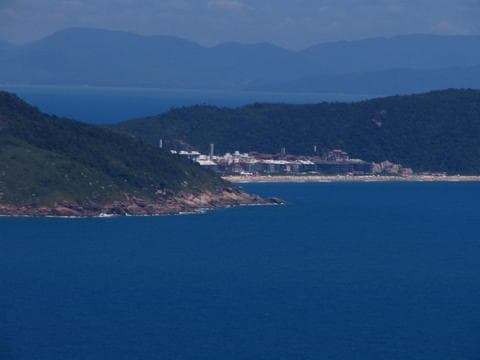
The mountain geography guarantees varied topography and lush landscapes, characterizing it as a high-altitude destination in the state's interior. The Mantiqueira is not just a backdrop; it shapes the climate, vegetation, and even the urban planning patterns of the city.
Situated in the Mantiqueira Range, Campos do Jordão enjoys an altitude climate, which gives it significant variations throughout the year. This climate is the main driver behind its tourist and residential appeal, distinguishing it drastically from the warmer climates of coastal areas or São Paulo plains.
The air tends to be pure and invigorating, with temperatures noticeably milder than those found at lower altitudes. This feature allows for a marked seasonality: one can experience the pleasant warmth of summer days in the mountains and the cozy charm of cooler nights, especially during the winter period. The climate regime is ideal for outdoor activities, but also requires clothing that adapts to typical high-mountain temperature variations.
Tourism in Campos do Jordão is deeply rooted in the experience of nature and the comfort of mountain resorts. The main attraction lies in the escape to the mountainous environment, where tourism infrastructure has developed over the years to serve both the visitor seeking adventure and that seeking a gastronomic retreat.
A trip to the city is synonymous with panoramic landscapes and recreational activities geared toward high-altitude leisure. The combination of a rich culinary offering, which explores typical mountain products, with the natural beauty of Mantiqueira, creates a diverse tourist itinerary. The municipality has established itself as a destination that caters to wellness tourism and cultural tourism, inviting visitors to explore its trails, charming urban centers, and welcoming atmosphere.
The geographical position of Campos do Jordão is particularly notable for its association with the Mantiqueira Range. This location not only gives it a distinct climate in São Paulo but also embeds it within a wider and dynamic regional network. The municipality belongs to a growing metropolitan area—the Paraíba Valley and North Coast Metropolitan Region—indicating its rising role in the São Paulo economy.
Its mention as part of sub-region 2 of Taubaté within this large metropolitan region reinforces the connection between mountainous charm and the logistics of major urban areas. This duality makes Campos do Jordão a unique destination: it preserves the magic of the high mountains while being strategically connected to São Paulo's development.
Everything you need to know to plan your trip
Currency
BRL
Language
Portuguese
Reference figures to help plan your trip
Attractions
9
Selected stays available to book
Hotels and experiences in the area
Everything you need to know to plan your trip
Campos do Jordão is a municipality located in the interior of São Paulo state, specifically in the Mantiqueira Range.
It is part of the Paraíba Valley and North Coast Metropolitan Region, classified as sub-region 2 of Taubaté.
Campos do Jordão is a municipality located in Brazil, specifically in São Paulo state (SP).
The municipality's population has an estimate exceeding 44,000 inhabitants.
It is classified as a Brazilian municipality, located in the interior of São Paulo state (SP).
Extend your trip to incredible destinations nearby
We personalize every moment of your journey — from iconic landmarks to hidden cultural gems.
Available 24/7 · Personalized consultations · Local expertise
Updated on June 7, 2026
Sources