
All destinations
Destination
Cancun
Explore Cancun! Dive into Caribbean beaches and discover the rich Mayan history in Tulum and Chichen Itza. Your Mexican paradise awaits.
Cancún · Brasil
Photos
Visual journey
Discover the landscapes and culture of Cancun
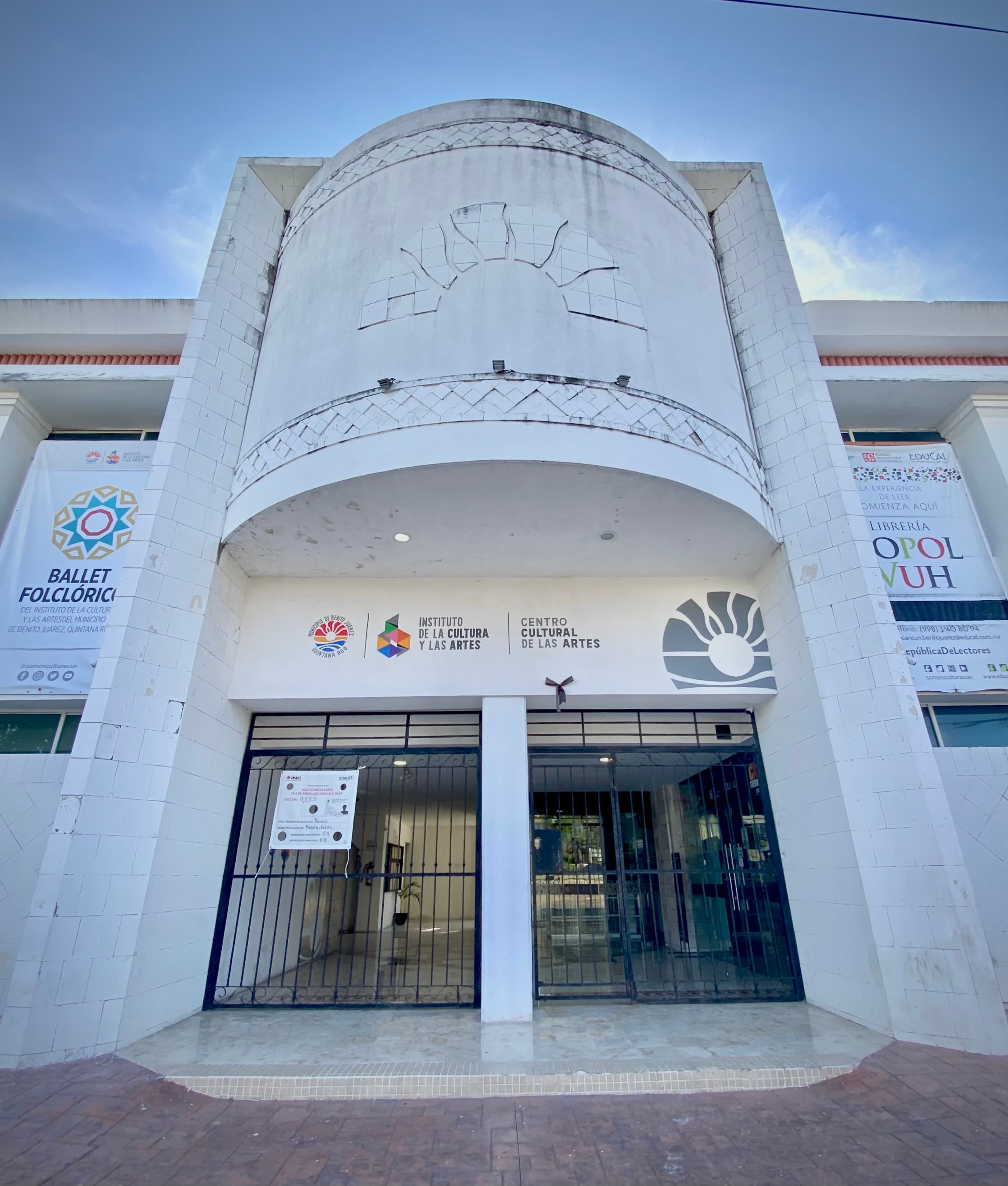

The spirit of Cancun
Editorial guide with history, culture, and practical tips to plan your trip.
About
Cancun, known by its residents as Cancun, is a coastal gem that represents one of Mexico's most vibrant and recognized tourist poles. It is not merely a paradisiacal destination; it is the urban center of the Benito Juárez municipality and is strategically located on the stunning coast of Quintana Roo state. Its geographic position, marked by its location on an exuberant peninsula, has given it a unique profile where vibrant modernity coexists with natural riches and an ancient past.
The city has managed to maintain an impressive balance between cutting-edge tourist development and the preservation of its original beauties. This cultural and natural meeting makes Cancun not just a vacation spot, but also a gateway to uncovering an ancestral culture deeply rooted in the pre-Columbian history of the American continent.
History
The narrative of Cancun is marked by two distinct and fascinating eras. On one hand, there is modern history: the exponential development that transformed this region into one of Latin America's most important tourist centers. The vibrant infrastructure, sophisticated resorts, and continuous flow of international visitors are testimonies to this dizzying growth.
However, the historical depth of the region dates back long before contact with European civilizations. The area is a silent guardian of an age-old culture: the Mayan civilization. The Mayan ruins and ancestral settlements are not merely attractions; they represent the living legacy of peoples who flourished in the area during the pre-Columbian period, leaving behind impressive architectural vestiges that tell stories of kings, rituals, and deep astronomical knowledge.
This temporal duality—the cosmopolitan energy of modern tourism versus the silent majesty of Mayan cities—gives Cancun a richly historical dimension, allowing visitors to literally travel back in time.
Culture
The culture of Quintana Roo is a fascinating mosaic where the vibrant and contemporary spirit of tourism harmoniously intertwines with the spiritual and artistic legacy of the Mayan civilization. The most tangible cultural heritage is represented by the ancient Mayan cities surrounding the main Cancun area.
These historical locations, such as Tulum, Uxmal, or Chichén Itzá, are not mere piles of stones; they were complex population and spiritual centers, founded centuries ago. They preserve the construction methods and social organization of pre-Columbian peoples.
By exploring these archaeological sites, the visitor is immersed in an ancestral culture that deeply valued astronomy, mathematics, and connections with the divine. Mayan art, manifested in the architecture of its temples and the reliefs on its structures, still inspires and fascinates to this day, serving as a powerful testament to the resilience and knowledge of these original peoples.
Geography
Located in Mexico, Cancun is the heart of Benito Juárez, an area that developed over a privileged coastal peninsula. This geographic position is the determining factor for its global appeal.
Being situated on a peninsula guarantees not only spectacular maritime access but also a microclimate and landscape that alternates between the lush tropical jungle inland and the crystal-clear Caribbean waters. This unique geography allows tourists to enjoy breathtaking beaches on one side and deep archaeological sites on the other, all within a relatively small radius.
Its proximity to other natural and historical wonders, such as Mayan ruins scattered throughout the region (including the notable examples of Tulum, Uxmal, and Chichén Itzá), solidifies Quintana Roo not merely as a tropical coast, but as a nerve center of Mesoamerican history. The peninsular formation itself is key to its global tourist appeal.
Climate
As a coastal city located on a peninsula in the state of Quintana Roo, Cancun's climate is typically tropical. This environment ensures high temperatures throughout almost the year, making it ideal for outdoor activities, diving, and beach relaxation.
The climatic rhythm mirrors the exuberance of Caribbean life, providing a perfect setting that enhances the vibrant colors of the sea and cliffs. The location in a tropical area is why the preservation of its nature—whether in the form of palm trees or dense jungles near archaeological sites—is so crucial for maintaining the charm that has attracted travelers for generations.
Tourism
Cancun has established itself as one of Mexico's most important and recognized tourist centers. The tourist experience here is multifaceted, serving both leisure travelers and those with deep archaeological interests. Tourism is not limited to the beaches; it dives into history.
Visitors can start their day relaxing on the coastal beaches and, at a later moment, stand before the grandeur of an ancient Mayan city. This unique combination is the main draw of the destination. Archaeological tours to sites like Chichén Itzá, Tulum, and Uxmal are pillars of the tourist experience, allowing travelers to interact with pre-Columbian history without leaving a vibrant coastal environment.
The tourism infrastructure is world-renowned for its quality, offering everything from luxury resorts to authentic cultural experiences that celebrate the region's ancestral legacy. It is a destination where mass tourism meets millennia of cultural depth.
Did You Know?
The most fascinating aspect of Cancun is precisely its ability to be, simultaneously, a modern global entertainment center and a living museum of Mayan culture. This coexistence is not accidental; it reflects how local inhabitants have managed to integrate their ancestral roots into a modern tourism-based economy.
It is remarkable that despite intense urban development on the peninsula, the memory and preservation of the great Mayan cities—Tulum, Uxmal, and Chichén Itzá—remain alive and visitable. These ruins function as tangible reminders of a glorious past, founded on advanced rituals and knowledge from the pre-Columbian period.
In summary, Cancun is a geographical metaphor: it is the point where the vast blue expanse of the Caribbean meets the unchanging time of great civilizations. It is a place of contrasts that has enchanted visitors for centuries.
Quick facts
Everything you need to know to plan your trip
Destination at a glance
Reference figures to help plan your trip
Attractions
9
Best hotels
We are still connecting hotels for this destination. Search stays in the area in the meantime.
Coming soon
We are still connecting hotels for this destination. Search stays in the area in the meantime.
Search hotelsDestination map
Hotels and experiences in the area
Frequently asked questions
Everything you need to know to plan your trip
Where is Cancun located in Mexico?
It is a city located on the coast of Quintana Roo state, situated on a peninsula.
What is the touristic importance of the Cancun region?
It has become one of Mexico's most important tourist centers, preserving both natural beauty and its ancestral culture.
What cultural vestiges are preserved in the area?
The region preserves the ancestral Mayan culture, represented by historical cities such as Tulum, Uxmal, or Chichen Itza.
What is the founding period of the Mayan civilizations in the region?
The major Mayan cities mentioned were founded during the pre-Columbian period.
What is the municipal seat of the municipality where Cancun is located?
Cancun is the administrative center of the Benito Juárez municipality.
Nearby destinations
Extend your trip to incredible destinations nearby
Ready to experience Cancun?
We personalize every moment of your journey — from iconic landmarks to hidden cultural gems.
Available 24/7 · Personalized consultations · Local expertise
Updated on June 7, 2026
Sources