Nha Trang

Destination
Visit Havana! This cultural capital offers an immersion into vibrant history and colors. Explore monumental architecture and Cuban soul on every corner.
Havana · Brasil
Photos
Discover the landscapes and culture of Havana

Editorial guide with history, culture, and practical tips to plan your trip.
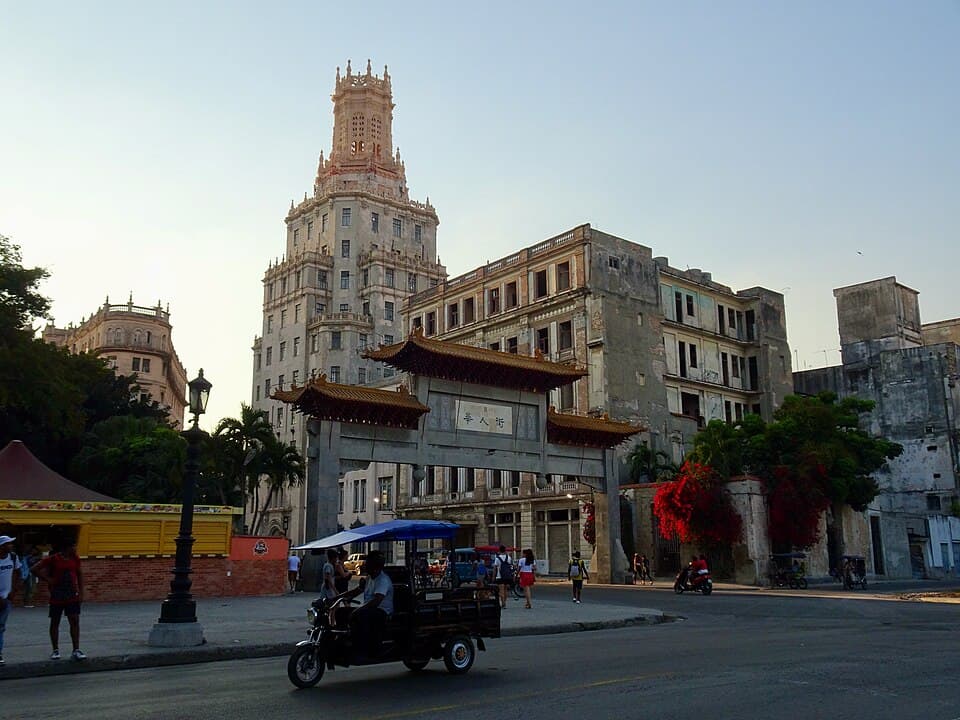
Havana is much more than just a capital; it is the vibrant, beating heart of Cuba, the largest metropolis in this fascinating Caribbean archipelago. Located in the province of the same name, this city emerges as a unique destination, where centuries of history meet in harmony with the vitality of an unmatched culture. For those arriving in Havana, it's clear they are faced with a monumental yet simultaneously eclectic urban center—an architectural characteristic that defines its unique identity on the global stage.
With an estimated population of about 2.4 million inhabitants, Havana not only holds the title of largest Cuban city but also functions as a nerve center where the island's rich historical and cultural tradition converges. Life in the capital is a constant spectacle: central squares echo with the rhythm of Caribbean drums, monumental skyscrapers bear witness to deep social changes, and every corner tells chapters from an epic narrative spanning centuries.
The complexity of its urban structure makes it a fascinating point for historians, architects, and lovers of vibrant cultures. It is the meeting between the grandeur of the past and the spontaneity of daily life that gives Havana its irresistible charm and its reputation as one of the most culturally and historically rich cities in Latin America.
Havana's history is a tapestry rich and deeply marked by time. As the capital and main population center of Cuba, the city has not only witnessed eras of intense global trade activity but has also been the stage for dramatic social, political, and cultural transformations that have shaped its architecture and way of life to this day.
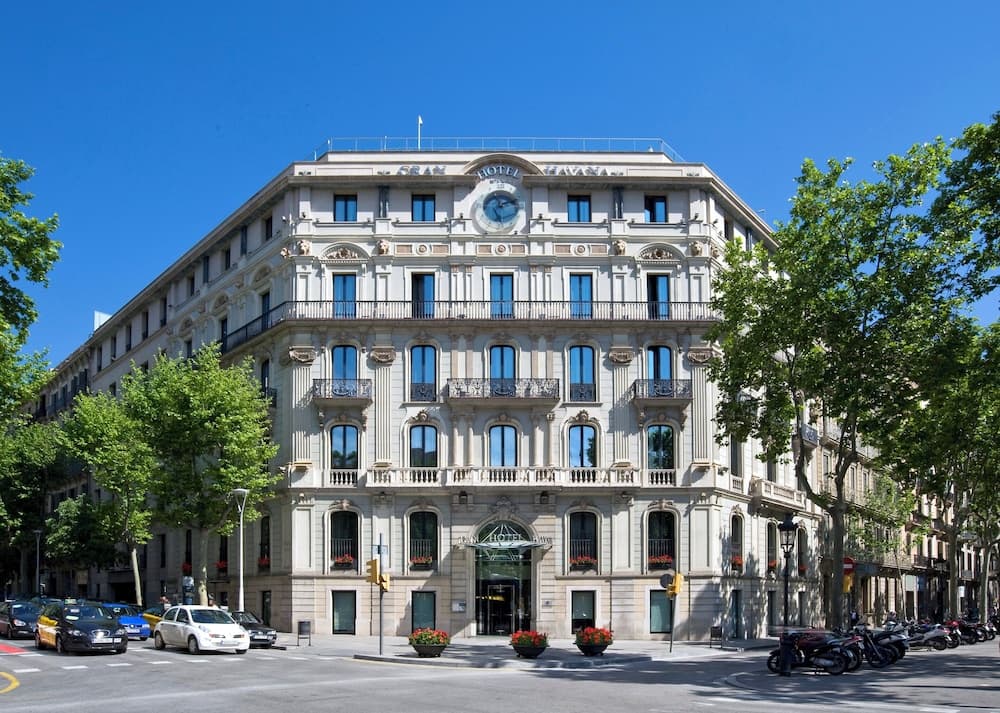
The 'monumental' character of the city is a physical testament to this long journey. The buildings dotting the skyline are not merely structures; they are time capsules, carrying the memory of different colonial and imperial eras. The historical richness lies in the superimposed layers of these architectural styles, where every palace, church, and main street narrates a distinct period of Cuban history.
This profound cultural tradition is not just passive; it is alive in the rhythm of the streets and the customs of its residents. The influences that shaped Havana over the centuries—from trans-Atlantic trade to recent cultural movements—have ensured that the city has maintained, even amidst adversity, a vibrant soul and an unwavering sense of Caribbean identity.
Exploring Havana is like traveling through time. It's walking through streets where the weight of history is almost palpable, feeling immersed in a glorious past that unfolded until the present day, keeping alive the essence of a resilient metropolis.
Havana's culture is as vast and complex as its urban center. It is characterized by being multifaceted, resulting directly from the coexistence of diverse influences—Caribbean, Spanish, African, and American. It is this mix that gives the city its cultural eclecticism.
Music is undoubtedly one of the strongest pillars of this culture. Cuban rhythms, recognized worldwide, make music and dance daily activities that permeate every corner and public square. The musical energy of Havana cannot be contained; it pulses in the air, inviting celebration and reflecting the intrinsic joy of the local people.
Beyond music, crafts, cuisine, and community traditions reinforce the rich cultural mosaic. Local gastronomy is a story-telling plate: from the fresh, exotic flavors of Caribbean ingredients to dishes influenced by Spanish cooking. Every meal in Havana is an immersive cultural experience.
The vibrancy of urban life, where people interact in squares and markets, represents the social soul of the city. Cuban culture, therefore, is a spectacle of resilience, celebration, and living art that unfolds in all its daily manifestations, keeping Havana as an unmatched cultural epicenter.
Havana is strategically located in the eponymous province, in the geographical heart of Cuba. Its Caribbean position grants it not only a vibrant tropical context but also a vital historical connection with the maritime routes crossing the Caribbean Sea.
Geographically, the city developed along the coast and in central areas that allowed for the accumulation of wealth and power since colonial times. The topography is marked by a dense historic center, where the urban fabric grew organically around the oldest and most significant points of interest.
This physical layout greatly contributes to the sense of 'monumentality.' The grand avenues, carefully planned squares, and architectural density form a natural stage that emphasizes its role as a capital. The geographical surroundings of the city are intrinsically linked to its maritime history, reflecting the importance of the port and trade routes for Havana's existence and prosperity.
It is this combination of a privileged coastal location and an extremely dense urban center that gives visitors a unique geographical experience: feeling surrounded by architectural and historical beauty, with the Caribbean breeze as a constant companion.
As part of the Caribbean archipelago, Havana enjoys a typically tropical climate. This hot and humid climatic scenario is one of the factors contributing to the incessant vitality and fast pace of urban life.
The tropical climate ensures sunny days and vibrant colors, elements that are directly reflected in the architecture and lifestyle of the inhabitants. The constant sea breeze brings not only coolness but also the characteristic smell of the sea and Caribbean culture.
(Note: While specific seasonal details are not available from primary sources, it is crucial to understand that the tropical climate shapes the urban experience. It determines the bright colors of the buildings, the use of open spaces, and the cyclical nature of outdoor festivities.)
Havana's tourist appeal is vast and multifaceted. The city invites visitors not only as observers but as active participants in an experience that touches all the senses: visually with its monumental architecture, aurally with its music, and olfactorily with its vibrant colors.
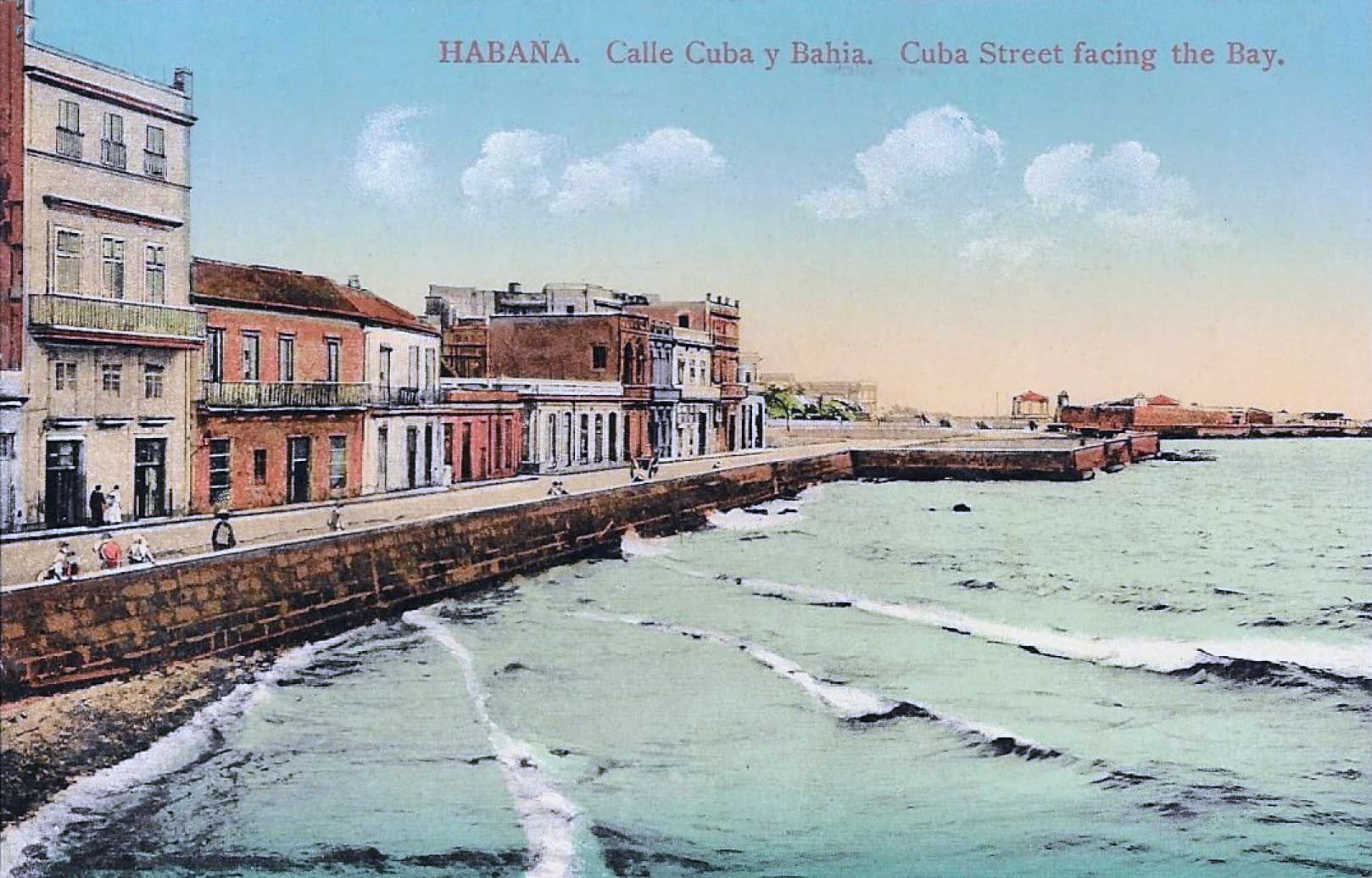
The main focus of tourism is immersion in history. Strolling through central Havana means traversing an open-air museum where every detail—from colorful tiles to colonial gate details—tells part of the Cuban saga. The various architectural eras side by side exemplify what it means to be simultaneously eclectic and monumental.
Beyond historical monuments, tourism in Havana also encompasses the street cultural experience: participating in a spontaneous music show, tasting local cuisine, and observing the daily life of Cuba. It is a journey that appeals to the modern traveler's senses but soothes the soul with the timeless rhythm of the past.
Havana is a destination for those seeking authenticity, where major tourist attractions walk side-by-side with the genuine daily life of its 2.4 million residents. It is a rich and deep experience that promises unforgettable memories.
Havana is a true treasure of global history. The fact that it is simultaneously 'eclectic and monumental' encapsulates its mystery: how can so many architectural eras coexist in one city? It is an urban and cultural miracle.
With approximately 2.4 million inhabitants, the capital is a Caribbean megalopolis that maintains the charm and intimacy of a historic village. This contrast between massive population size and preservation of its traditional character is what gives Havana unique power.
The historical richness is not limited to palaces; it permeates even everyday objects, such as antique cars, music played in the avenues, and community traditions that have resisted time. The ability to maintain such a strong and visible cultural identity, despite the constant flow of modern life, is perhaps its most fascinating curiosity.
The city is a living testament to human resilience. Its streets, with their monumental traits and eclectic spirit, tell the story of a nation that has never stopped vibrating, celebrating its culture on every corner and in every musical note.
Everything you need to know to plan your trip
Reference figures to help plan your trip
Attractions
9
Selected stays available to book
Hotels and experiences in the area
Everything you need to know to plan your trip
Havana is the capital and largest city of Cuba, located in the City of Havana province.
The city has an estimated population of about 2.4 million inhabitants.
Havana is recognized for its rich historical and cultural tradition, presenting both eclectic and monumental characteristics at the same time.
It is located in the City of Havana province (the province where the city itself is situated).
It is a vibrant and monumental city, offering an immersion into rich cultural history and an eclectic environment.
Extend your trip to incredible destinations nearby
We personalize every moment of your journey — from iconic landmarks to hidden cultural gems.
Available 24/7 · Personalized consultations · Local expertise
Updated on June 7, 2026
Sources