All destinations
Destination
Miami
Discover Miami! Florida's vibrant city is where dazzling beaches meet art and an impressive urban skyline. Plan your trip now.
Miami · FL · Brasil
Photos
Visual journey
Discover the landscapes and culture of Miami

The spirit of Miami
Editorial guide with history, culture, and practical tips to plan your trip.
About
Miami, formally known as the City of Miami, is a vibrant and cosmopolitan urban destination. Located on the coast of Florida, USA, it stands out not only for its coastal beauty but also for its immense economic and demographic dynamism.
In demographic terms, the City of Miami holds a significant position in Florida's landscape. According to 2020 census records, it registered a considerable population of 442,241 inhabitants. This number establishes it as the second most populous city within the boundaries of the state of Florida.
However, the true metropolitan size is represented by the Miami Metropolitan Area. This vast and growing area has an estimated population exceeding 6.46 million people. This volume places it at a prominent national level: classified as the third largest metro area in the Southeast US and, notably, the sixth largest metropolitan region across all of America.
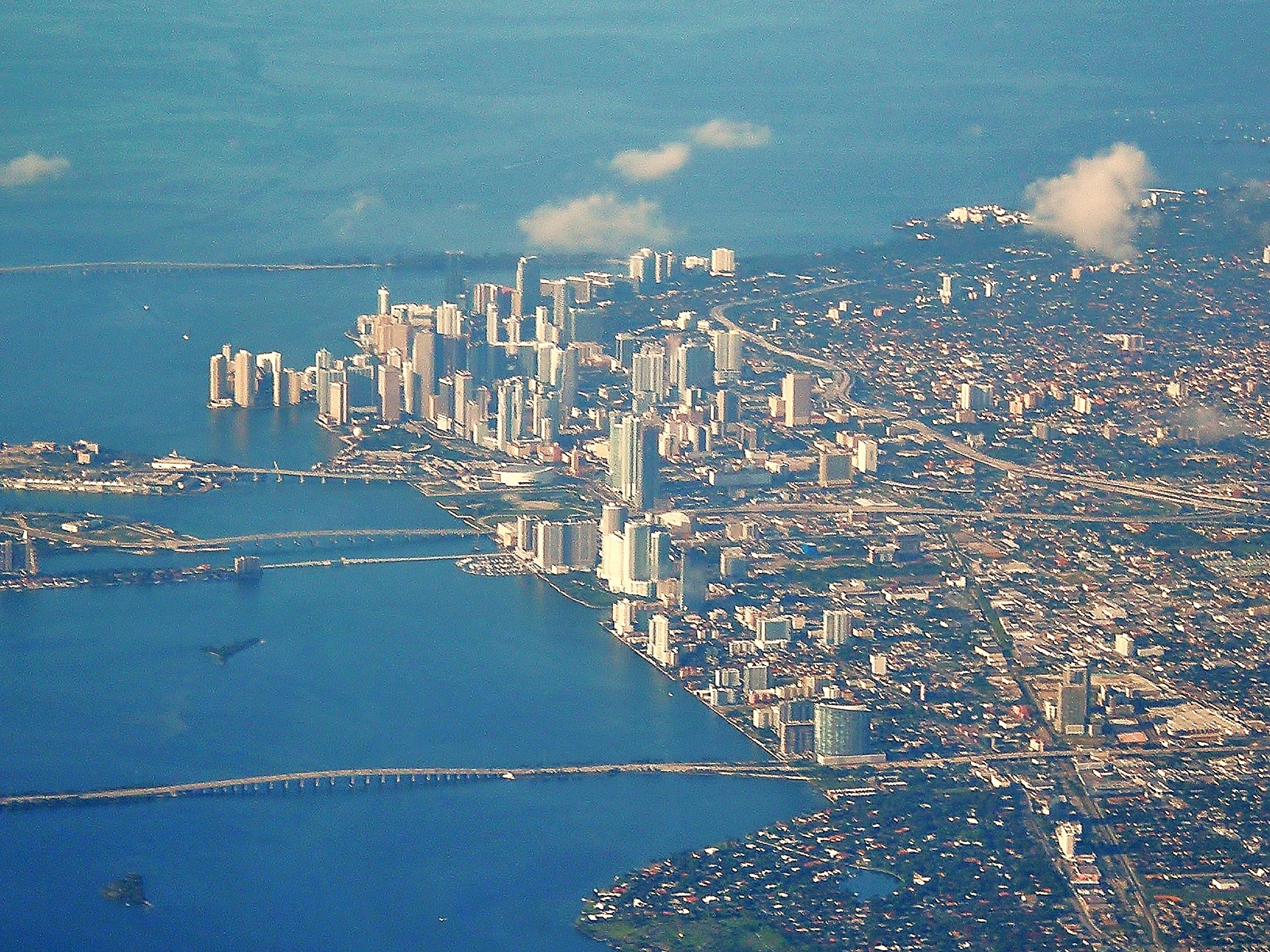
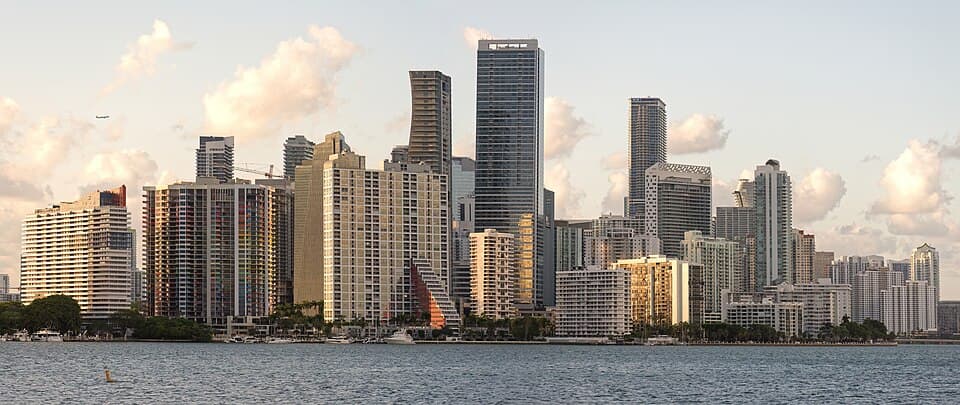
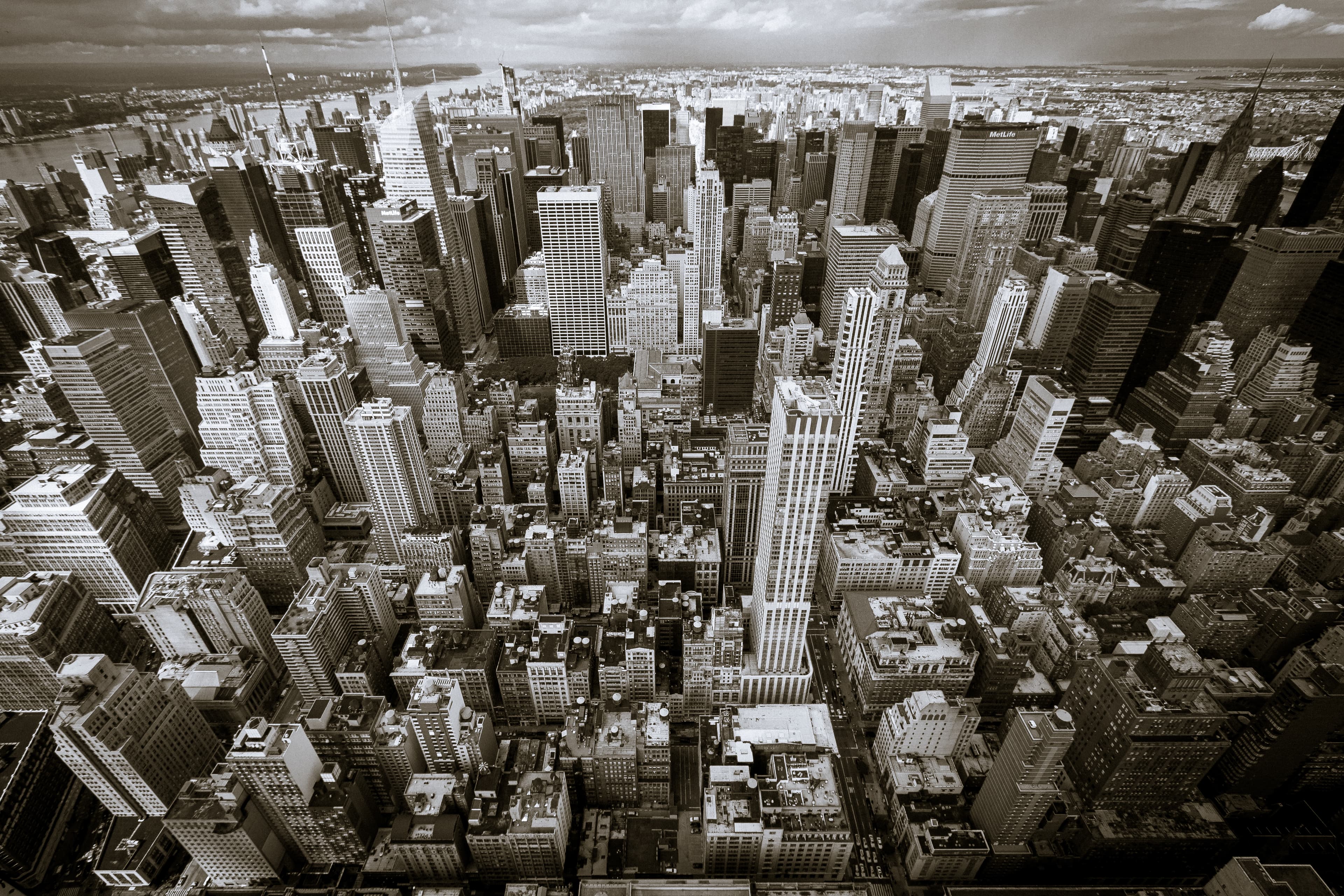
This rapid growth and high concentration of residential and commercial activity are evidenced by its impressive urban infrastructure. Miami is nationally recognized for its skyline, being the third largest in the United States. With over 300 skyscrapers comprising its structure, much of this modern architecture possesses a remarkable grandeur, with around 70 buildings exceeding the impressive mark of 491 feet (approximately 150 meters).
Additionally, Miami plays a crucial administrative role in the region, serving as the county seat of Miami-Dade County. This combination of data—high population density in its core and a vast surrounding metropolis—defines the city as a hub of attraction, development, and intense commercial activity.
History
Although sources provided focus more on the contemporary demographic and architectural status of the city, it is clear that Miami's historical development was directly fueled by its coastal geography and increasing strategic importance relative to Florida.
The massive growth and consolidation of its modern urban structure reflect a continuous history of population and economic expansion. The fact that it serves as the administrative center of Miami-Dade County underscores its central role in local territorial organization, suggesting centuries of administrative activity and civil development.
Miami's architectural landscape—boasting over 300 skyscrapers—is physical testament to this historical evolution. Such structures are not merely aesthetic monuments; they represent the accumulation of economic, commercial, and residential power over time.
The city's trajectory to date shows a transition from a coastal settlement to what has become one of the most dense and important metropolitan areas in the Southeast US. This continuous growth is the backbone supporting its classification as Florida's second most populous city (with 442,241 inhabitants in 2020) and the engine behind its gigantic metropolitan core, with nearly 6.5 million residents.
Culture
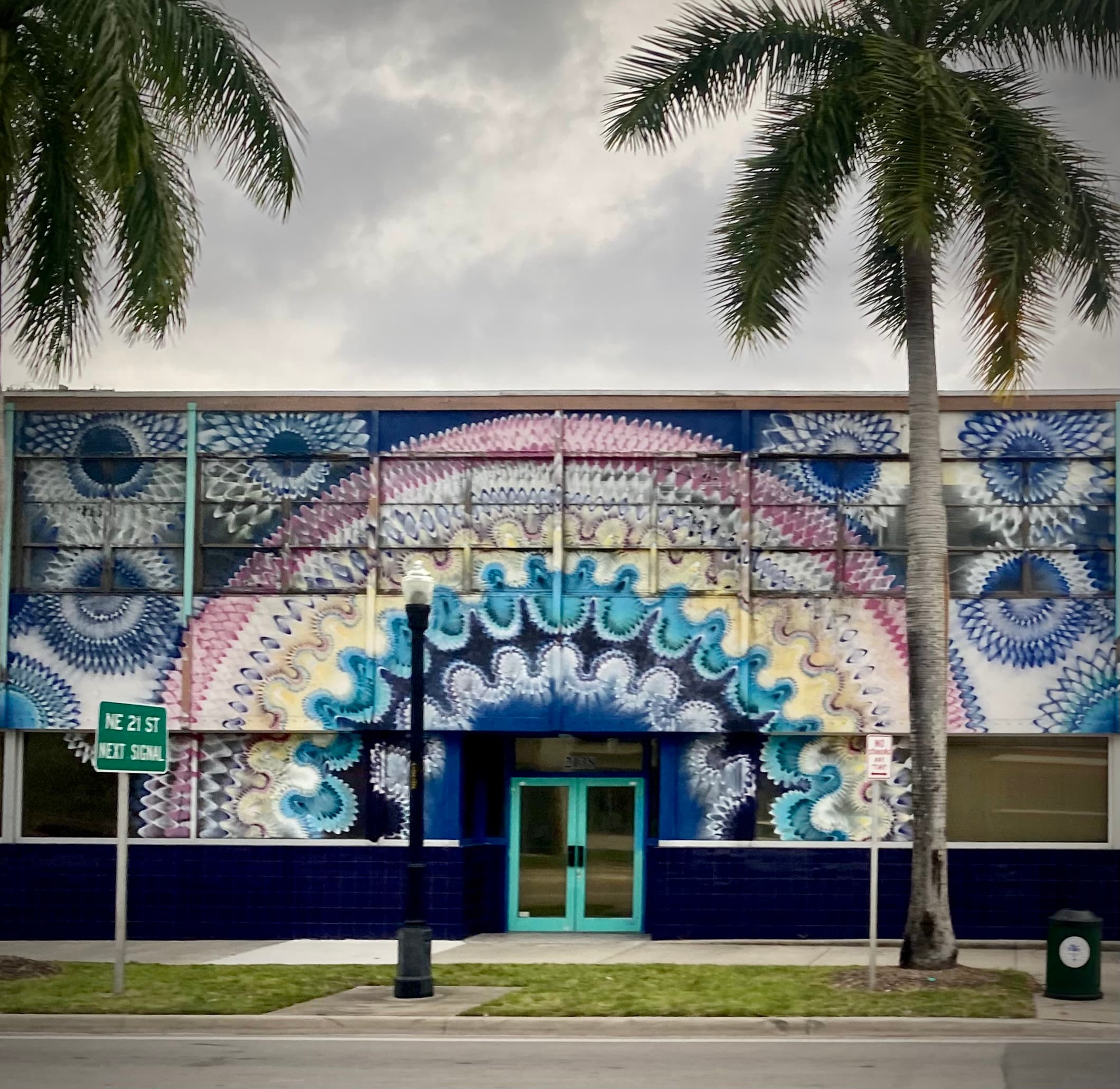
Miami's culture is a direct reflection of its migration history and its status as a major international metropolitan region. The vibrant urban environment, driven by thousands of inhabitants from different parts of the world, creates an unmatched cultural mosaic.
The architectural scene, dominated by the third largest skyline in the US, is itself a cultural expression: the Miami-Dade megalopolis not only houses offices and residences but also manifests the economic power that attracts diverse artistic, gastronomic, and social influences. The concentration of skyscrapers, many exceeding 150 meters, symbolizes a global center for business and cultural exchange.
The high population density, reaching 6.46 million in the metropolitan area, ensures a diversity that translates into rich cultural manifestations. This mix is what gives the city its unique flavor, making it a melting pot of rhythms, flavors, and traditions.
County administration and the commercial nature of the metropolis mean that culture is intrinsically linked to movement and trade. Miami is a stage where different cultures meet daily, ensuring its identity remains constantly evolving, maintaining itself as a global pole of attraction.
Geography
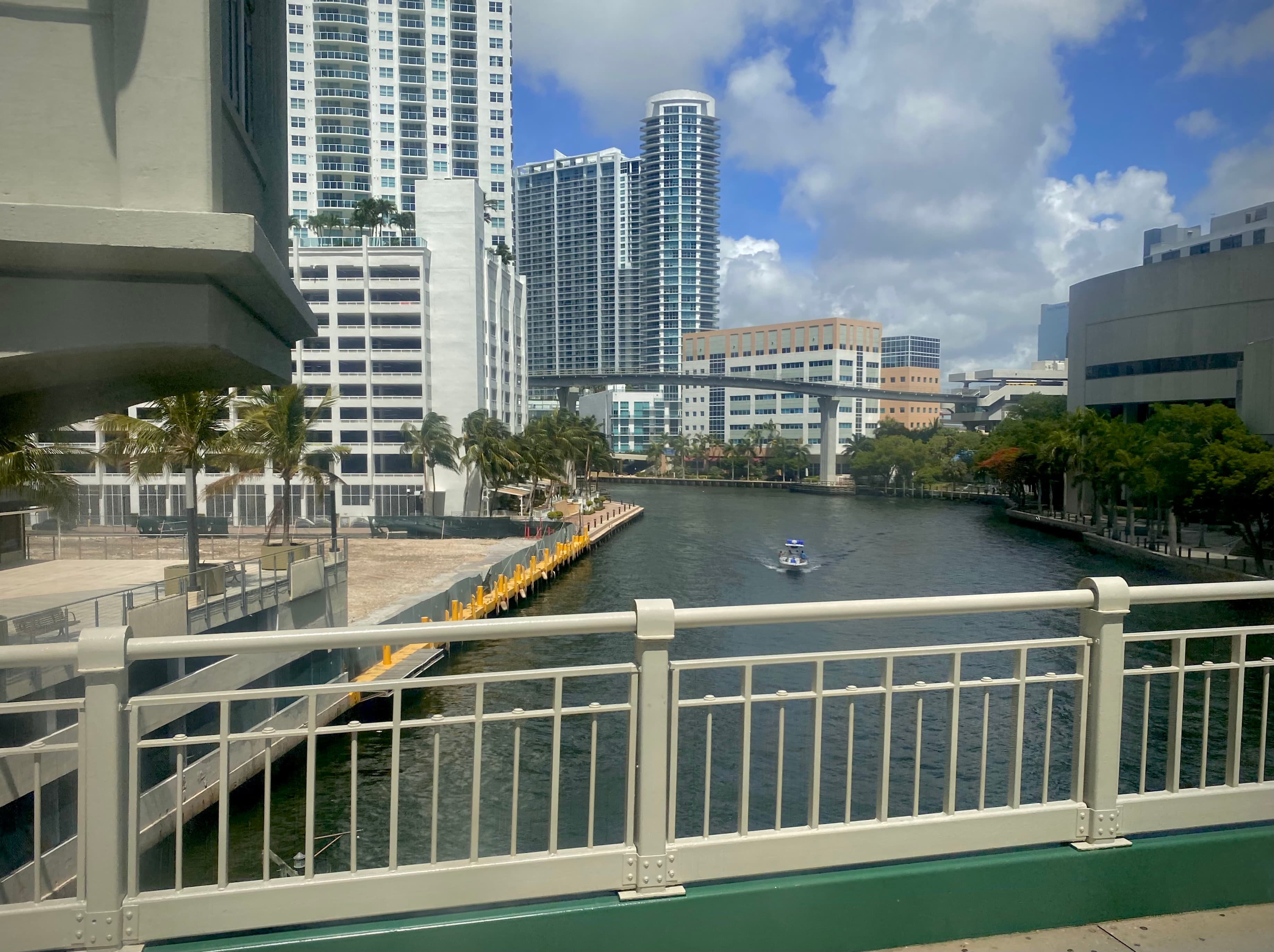
Geometrically, Miami is defined by its coastal positioning in the state of Florida. The littoral geography is the primary factor that has shaped not only urban life but also the economic and demographic development of the area.
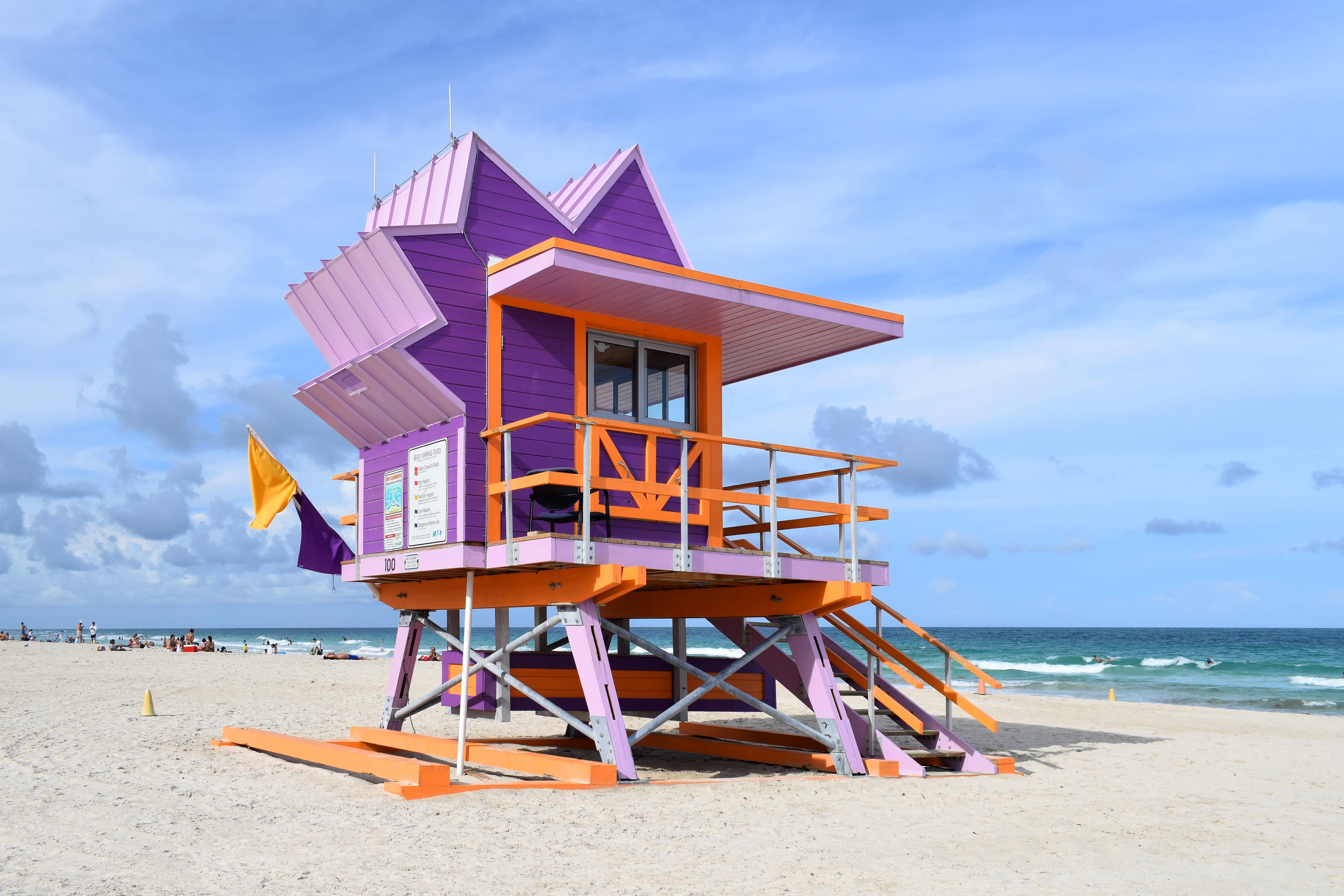
As a coastal city, its relationship with the Atlantic Ocean and adjacent bodies of water is constant. This seaside location facilitates maritime trade and establishes a lifestyle intrinsically linked to the sea and the beach.
In broader geographical terms, Miami operates as the county seat of Miami-Dade County, which covers a significant area in South Florida. This territorial extension is the cradle of a vast metropolitan region.
The urban and structural concentration is notable. The topography allows not only for horizontal development but also for vertical construction on a colossal scale, as evidenced by its skyline featuring over 300 skyscrapers. This high degree of building within a defined geographic space elevates Miami to the status of a global metropolis.
The area surrounding the city is the demographic epicenter of the region, supporting the vast estimated population of 6.46 million in its metropolitan area, consolidating it as one of the most populated centers in the American Southeast and a geo-economic pillar for the United States.
Climate
While factual sources do not detail the specific climate regime, it is imperative to acknowledge that Miami's coastal location in Florida determines its climate. The subtropical tropical environment is characteristic of this Southeast American region.
The marine factor significantly influences the local climate, ensuring high temperatures and high relative humidity for much of the year. This type of climate favors not only dense urban life but also attracts constant population flows seeking a coastal lifestyle.
The tropical nature is fundamental to the metropolis's pace of life and contributes to the vibrant, always-active atmosphere that characterizes Miami. Proximity to the sea regulates extreme temperatures but demands continuous adaptation of human activities to the hot and humid maritime environment.
Tourism
Miami attracts a massive flow of tourists due to its unique combination of dazzling coastal scenery and monumental urban infrastructure. The city is not just a beach destination but a global urban center that offers attractions for all types of visitors.
The architectural highlight is the engine of cultural tourism in Miami. Having the third largest skyline in the US, with hundreds of modern buildings, attracts architecture enthusiasts and corporate travelers who admire the urban grandeur. The 70 towers exceeding 150 meters represent an unparalleled visual spectacle.
Beyond the commercial aspect, its coastal nature makes Miami an irresistible destination for leisure and resort living. The metropolitan area draws millions annually, making it one of the primary tourist entry points to the United States in the Southeast.
The combination of a robust population base—nearly 6.5 million in the metropolitan area—with its position as a commercial and cultural hub ensures that tourist activities are as varied as its public, ranging from sophisticated luxury to authentic coastal experiences.
Fun Facts
Miami possesses unique characteristics that deserve highlighting in any travel guide. One of the most striking curiosities is its architectural and demographic status. Firstly, the city's skyline is not just large; it places it among the third largest in the United States.
The magnitude of this construction is quantified by its skyscrapers: exceeding 300 buildings that compose its horizon, with a select group of 70 towers significantly surpassing the 150-meter (491 feet) mark. This number speaks volumes about the region's constructive and economic power.
Demographically, the contrast between census data is notable. While the City of Miami has a population of approximately 442 thousand inhabitants, it is the vast Metropolitan Area that holds nearly 6.5 million people. This difference underlines how extensive and densely populated the area under administrative management truly is.
Finally, its function as the county seat of Miami-Dade solidifies its role not only at a regional but also political and administrative level for South Florida. These multiple layers—commercial, population, and governmental—make Miami a fascinating study in 21st-century urban growth.
Quick facts
Everything you need to know to plan your trip
Destination at a glance
Reference figures to help plan your trip
Attractions
9
Best hotels
We are still connecting hotels for this destination. Search stays in the area in the meantime.
Coming soon
We are still connecting hotels for this destination. Search stays in the area in the meantime.
Search hotelsDestination map
Hotels and experiences in the area
Frequently asked questions
Everything you need to know to plan your trip
Where exactly is Miami located?
Miami is a coastal city situated in the state of Florida, United States.
What architectural or urban highlight should a traveler know about Miami?
The city boasts one of the most impressive skylines in the US, featuring over 300 skyscrapers.
What is the main geographic or administrative area of the city?
Miami serves as the county seat of Miami-Dade County.
What is the population size of the surrounding metropolitan area?
The estimated population in the Miami Metropolitan Area is 6.46 million, making it one of the largest in the Southeast US.
When was the official census count for the city performed?
According to the 2020 census, the population of the City of Miami itself was 442,241 inhabitants.
Nearby destinations
Extend your trip to incredible destinations nearby

Ready to experience Miami?
We personalize every moment of your journey — from iconic landmarks to hidden cultural gems.
Available 24/7 · Personalized consultations · Local expertise
Updated on June 7, 2026
Sources