Foz do Iguazu
Destination
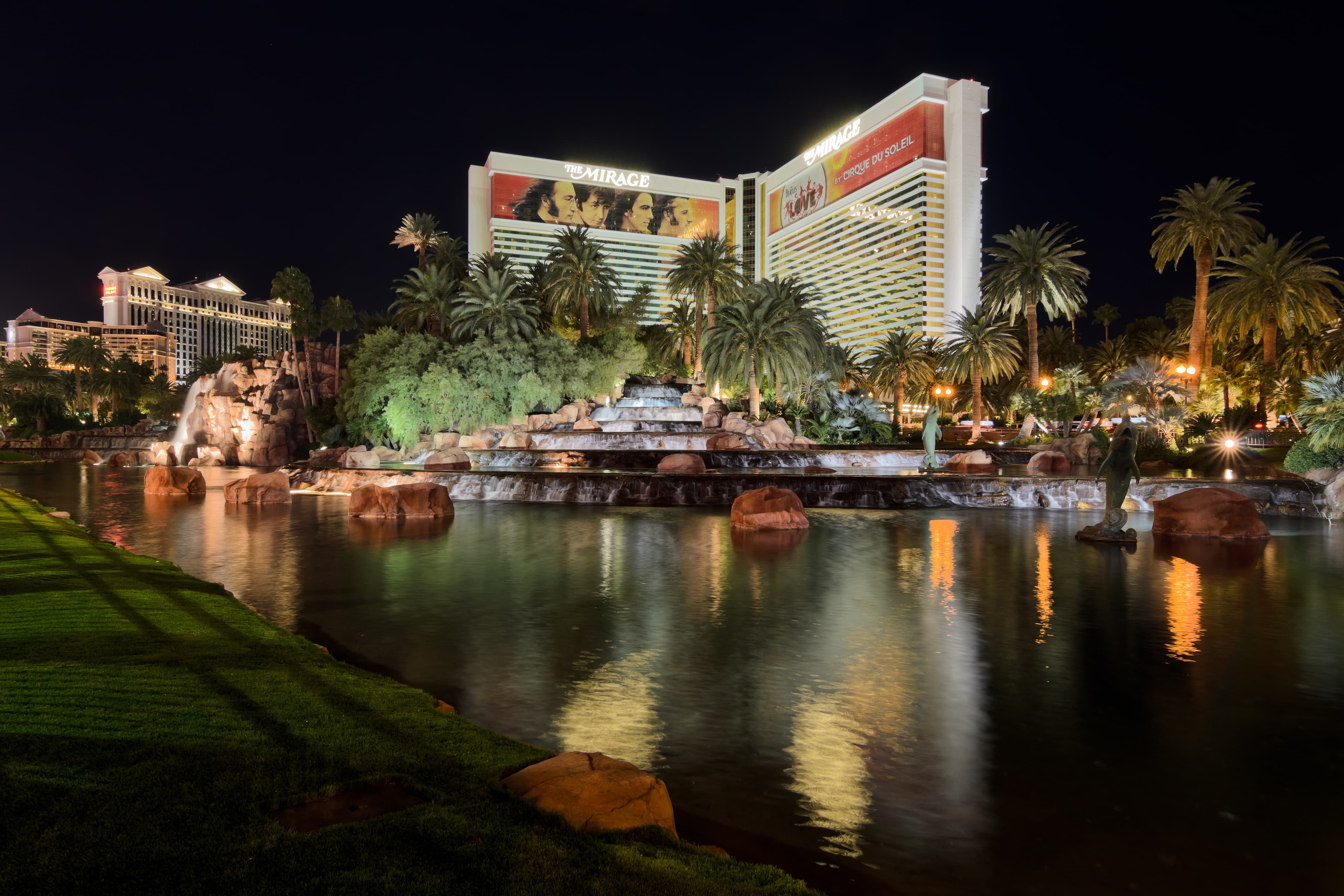
Experience the glamour of Las Vegas! Explore luxurious resorts, incredible casinos, and the best entertainment Nevada has to offer. Your dream trip awaits.
Las Vegas · NV · Brasil
Photos
Discover the landscapes and culture of Las Vegas
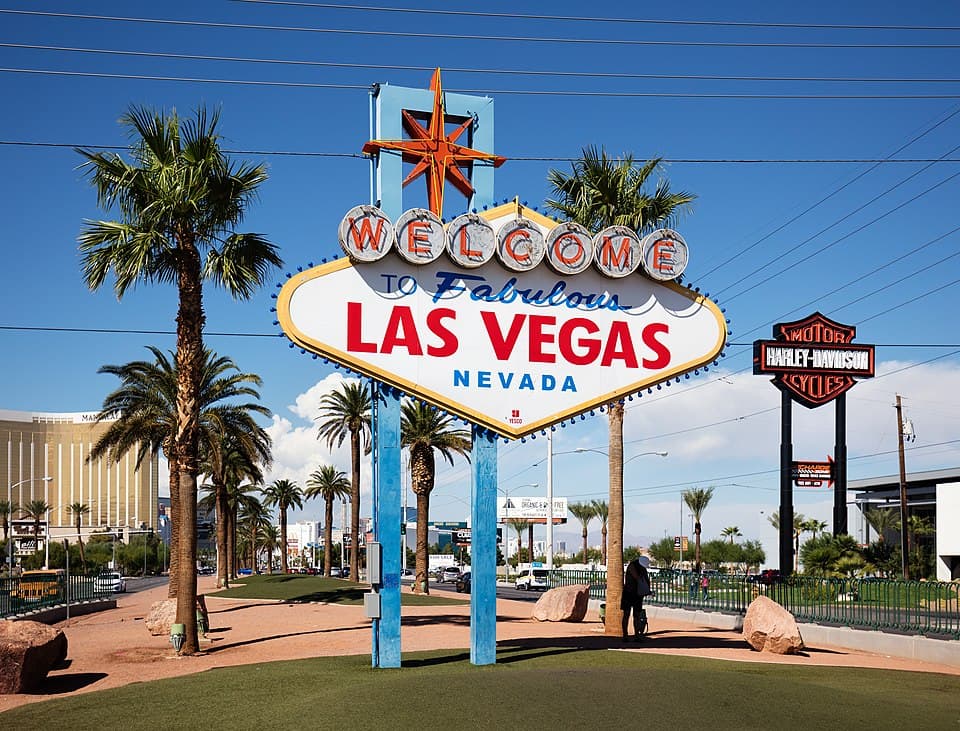
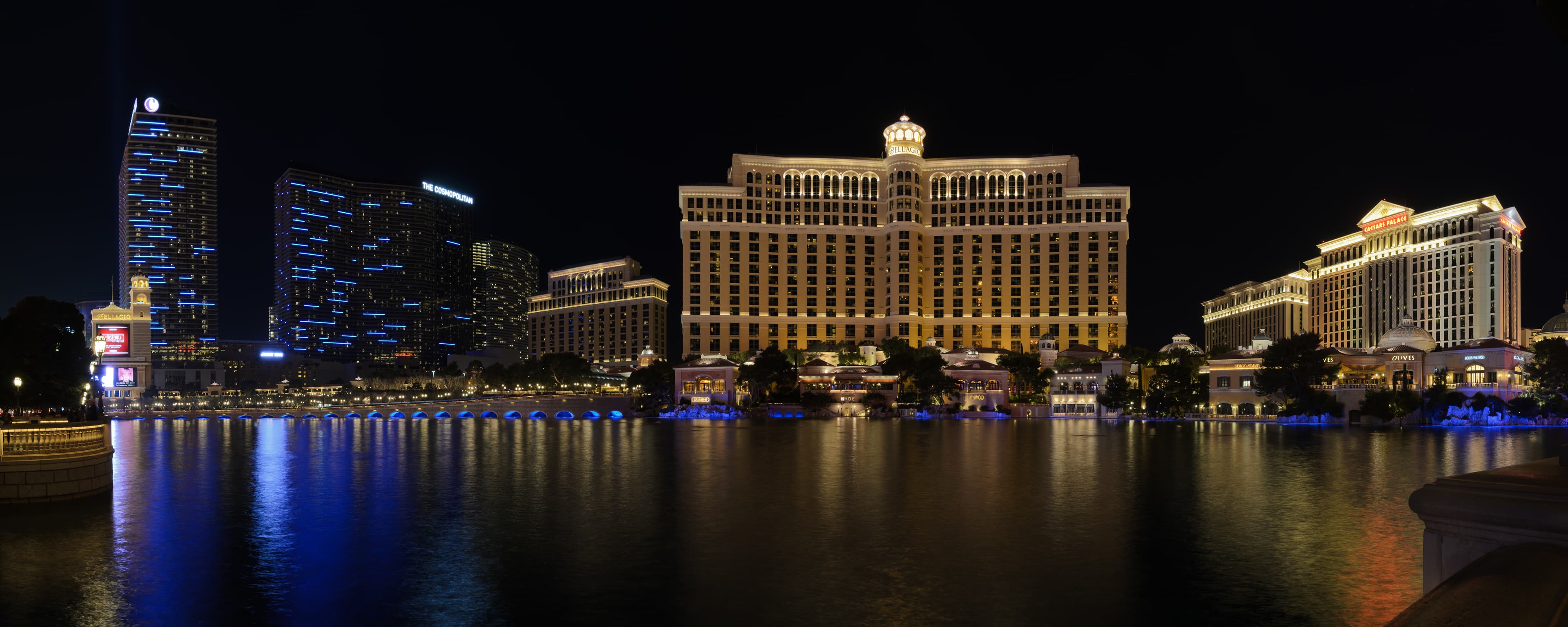
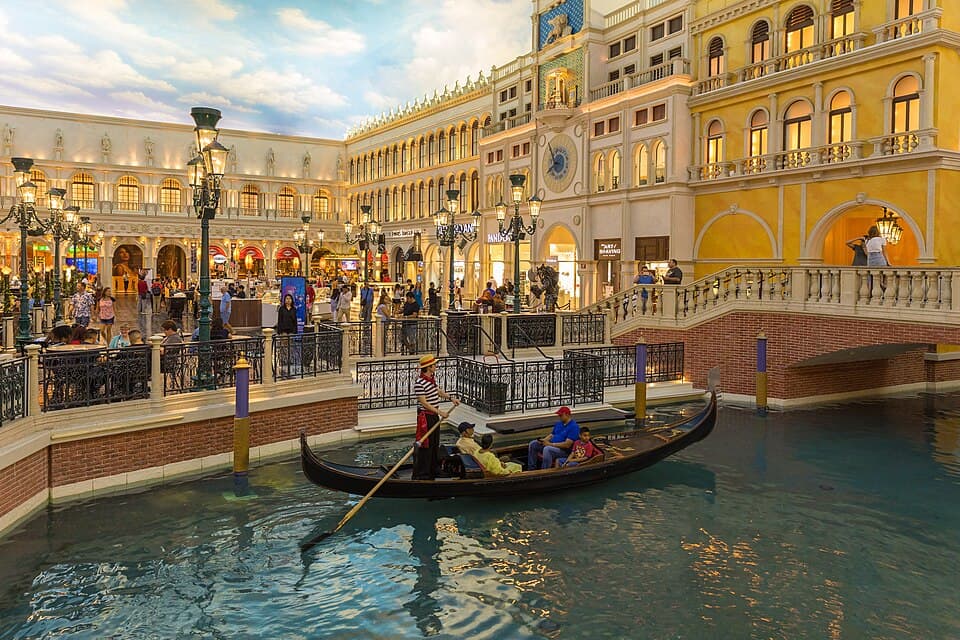

Editorial guide with history, culture, and practical tips to plan your trip.
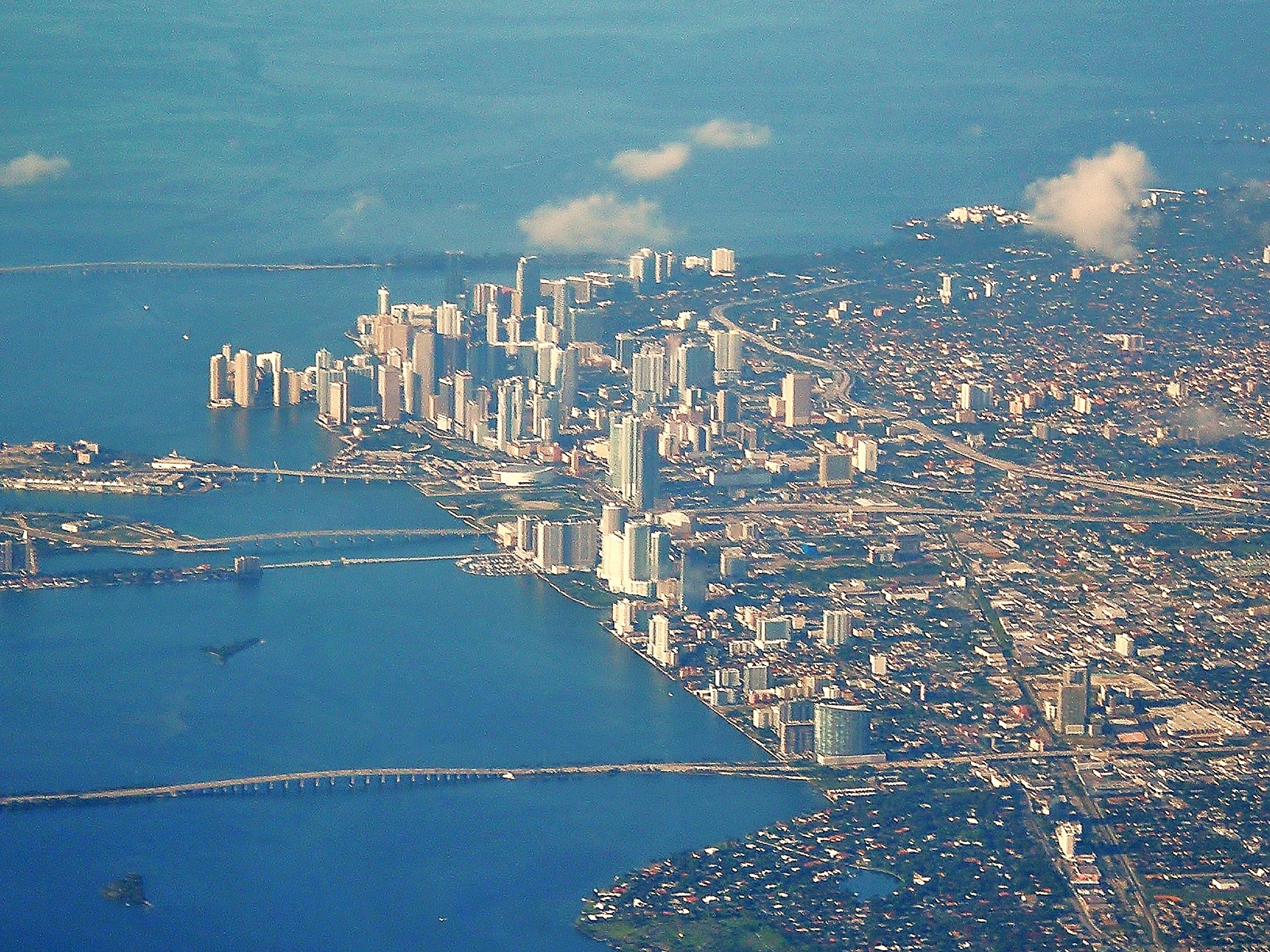
Las Vegas, officially known as the City of Las Vegas, is not just a point on the map of the American state of Nevada; it is a vibrant and dynamic epicenter that defines the modern concept of a world tourist destination. According to the latest demographic data, the city is recognized for being the most populous and also the most densely populated location within the geographical limits of Nevada. This high human concentration is not accidental; it is the result of exponential urban development that made the lights of the Strip a global stage for entertainment and luxury.
The identity of Las Vegas is intrinsically linked to its ability to attract crowds. Its structural characteristics have made it a constant attraction hub, driving a type of tourism that prioritizes high-level experience and boundless leisure. While its name evokes images of ceaseless partying and dazzling glamour, the city also functions as the administrative heart of Clark County, being the location where this important county has its administrative headquarters. This duality—being both a global entertainment center and, simultaneously, a governmental hub—lends it an additional layer of complexity and relevance.
The trajectory of Las Vegas is marked by phases of meteoric growth, transforming from a small settlement into a continental-scale urban giant. The foundations of this city date back to 1905, a moment that marks the beginning of its development as a meeting point and commercial center in southern Nevada. This initial period was crucial for establishing the basis upon which the modern metropolis would be built.
The official recognition of the community grew gradually in importance and infrastructure. Formal consolidation occurred in 1911, when Las Vegas officially began to be recognized as a full city. This growth was not merely demographic; it reflected the growing attraction of the location for specialized economic activities. Over the following decades, the focus slowly started shifting from a purely commercial and passing center to a sophisticated leisure destination. It was this transition that paved the way for the global fame it carries today: luxurious hotels and world-renowned casinos, elements that became the pillars of the local economy and tourism.
The culture of Las Vegas is a rich tapestry, although predominantly focused on entertainment. It is a performing culture, where visual experience, palpable luxury, and spectacle are king. What manifests on the streets is not just urban life; it is a continuous show. The architecture of the hotels, for instance, often emulates different historical eras or global cultures, inviting visitors on a sensory journey without leaving their place.
This culture of consumption and celebration has shaped an unparalleled nightlife style. Casinos, more than mere gambling venues, are cultural centers that bring together first-rate artists, international gastronomy, and themed events. The interaction between mass tourism and the need to maintain a high standard of luxury has created a culture of service excellence and grandeur. It is an environment where every detail—from the lobby design to the nightly shows—is carefully orchestrated to create an unforgettable memory.
Geographically, Las Vegas is strategically positioned in southern Nevada, USA. This location relative to important transport routes and the Mojave Desert was crucial from the beginning for its commercial development. The city does not merely occupy a significant area; it is the most prominent urban core within Clark County's boundaries, serving as its administrative headquarters.
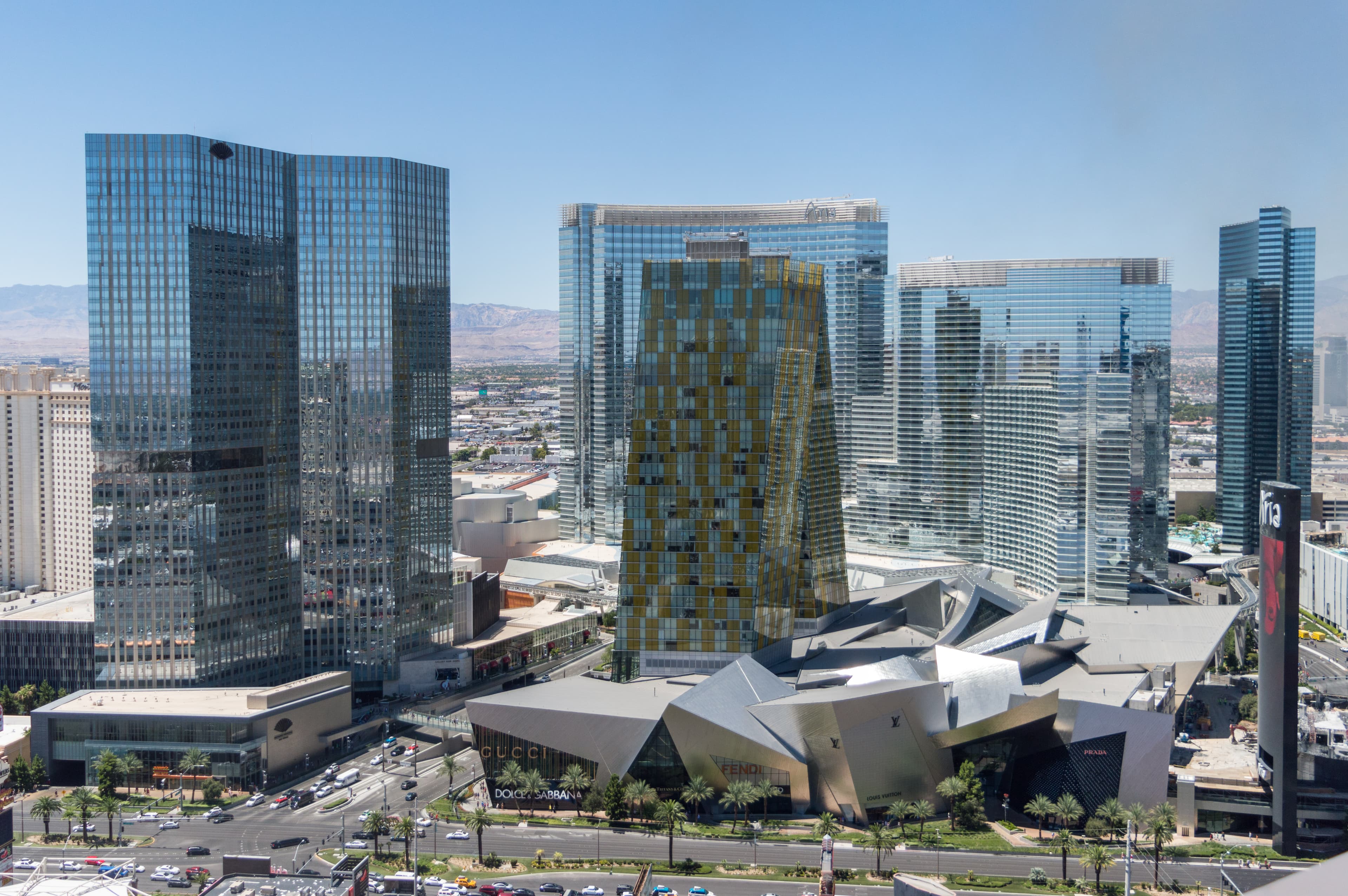
The topography of the region and its position in the American Southwestern desert contributed to creating an environment that, while naturally arid, was overcome by human development. The high population density reflects this capacity to transform a semi-arid setting into a vertical metropolis of glass, concrete, and dazzling lights. Clark County is the geographical stage where this entire urban narrative unfolds, uniting governmental administration with the vibrant commercial force of entertainment.
While specific climatic details are not the main focus of the source, it is important to note that its geographic location in southern Nevada implies a climate characteristic of the American Southwestern desert regions. This means the environment tends to be hot for most of the year and experiences large temperature variations between day and night. However, it is crucial to understand that the fast pace of life in Las Vegas—driven by the hotel and casino sector—creates its own internal climate: vibrant, energetic, and globally connected.
The economic engine and tourist attraction of Las Vegas lie undeniably in its unique combination of luxury hotels and sophisticated casinos. This world fame is not accidental; it is a product meticulously built over time, focused on high-end leisure tourism. The tourist experience in Las Vegas goes far beyond gambling. It encompasses award-winning gastronomy (with restaurants rivaling the most sophisticated in the world), world-class shows, and shopping at designer boutiques.
The constant flow of tourists, drawn by the glamour promised by the dazzling walls of the Strip, ensures that the city remains among global destinations. The tourism sector here is a complex ecosystem where entertainment, accommodation, and gastronomy operate in total synergy, ensuring that the visitor finds everything from deep cultural experiences to an unparalleled night of celebration.
A notable fact about Las Vegas is its extraordinary population density. Being the most densely populated city in Nevada underlines how compact and intensively utilized by its residents and visitors is the urban area of Clark County, where daily life unfolds.
The founding of the city in 1905, followed by its official recognition as a municipality in 1911, attests to resilience and planned growth. This rapid ascent demonstrates how entrepreneurial vision and the allure of entertainment managed to overcome the geographical challenges of its location in southern Nevada. Las Vegas thus remains a fascinating case study on urban transformation and global commercial success.
Everything you need to know to plan your trip
Reference figures to help plan your trip
Attractions
9
Selected stays available to book
Hotels and experiences in the area
Everything you need to know to plan your trip
Las Vegas is world-famous for its luxury hotels and casinos, which are the main drivers of tourism in the city.
The city is located in southern Nevada, specifically within Clark County, where it also serves as the administrative headquarters.
Las Vegas is recognized as the most populous and densely populated city in the American state of Nevada.
The city was founded in 1905 and did not officially become a city until 1911.
According to data, the population area is over 648,224 inhabitants.
Extend your trip to incredible destinations nearby
We personalize every moment of your journey — from iconic landmarks to hidden cultural gems.
Available 24/7 · Personalized consultations · Local expertise
Updated on June 7, 2026
Sources