
All destinations
Destination
Barcelona
Explore Barcelona! Discover the magic of Catalonia on the Mediterranean coast. Meet Gaudí's architecture in this vibrant Spanish metropolis.
Barcelona · Brasil
Photos
Visual journey
Discover the landscapes and culture of Barcelona
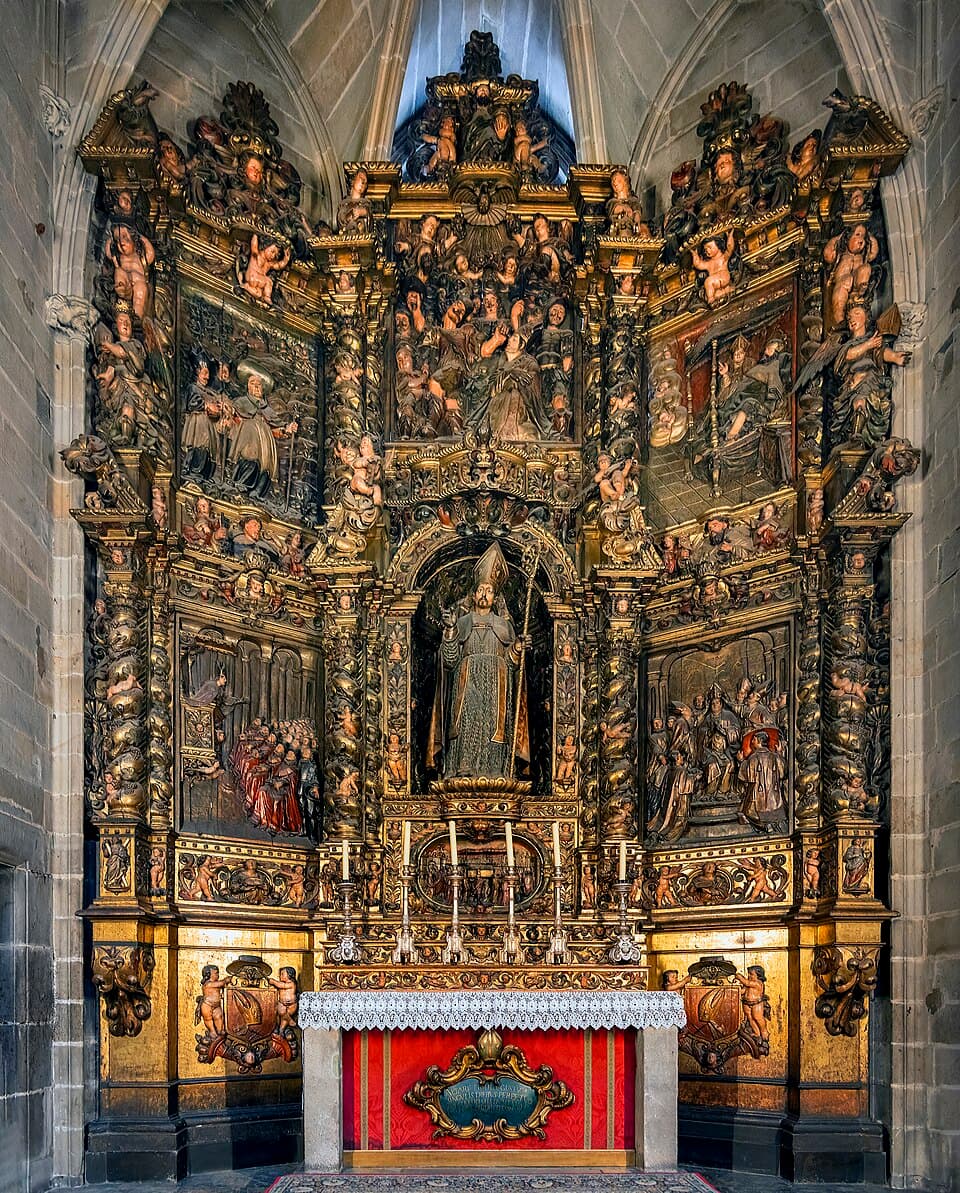
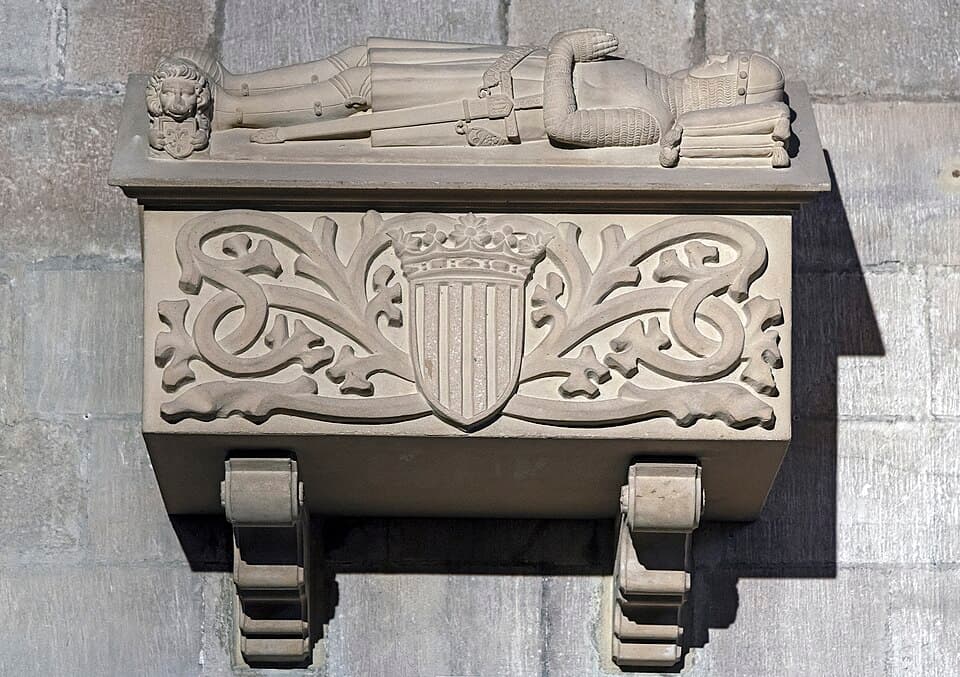
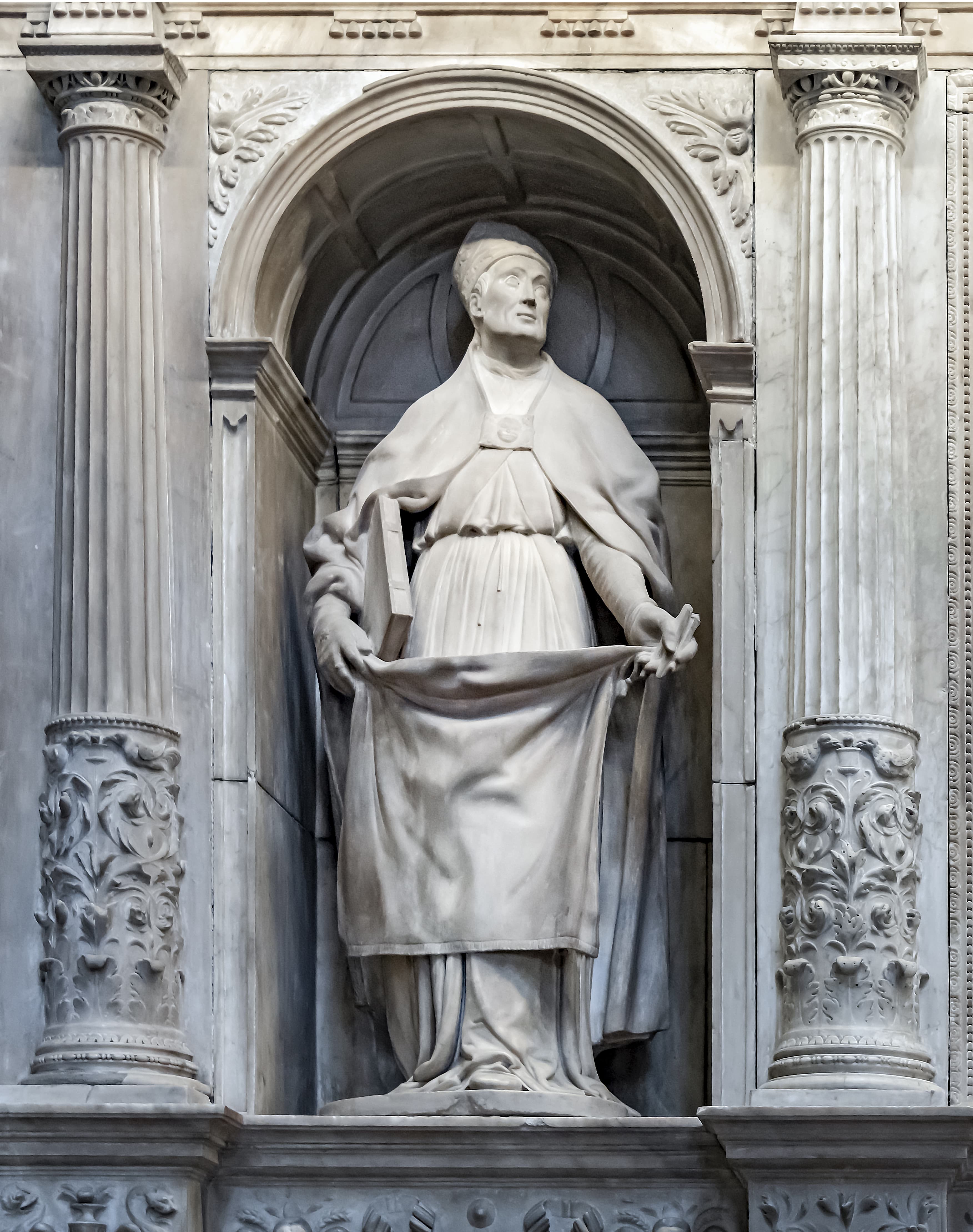
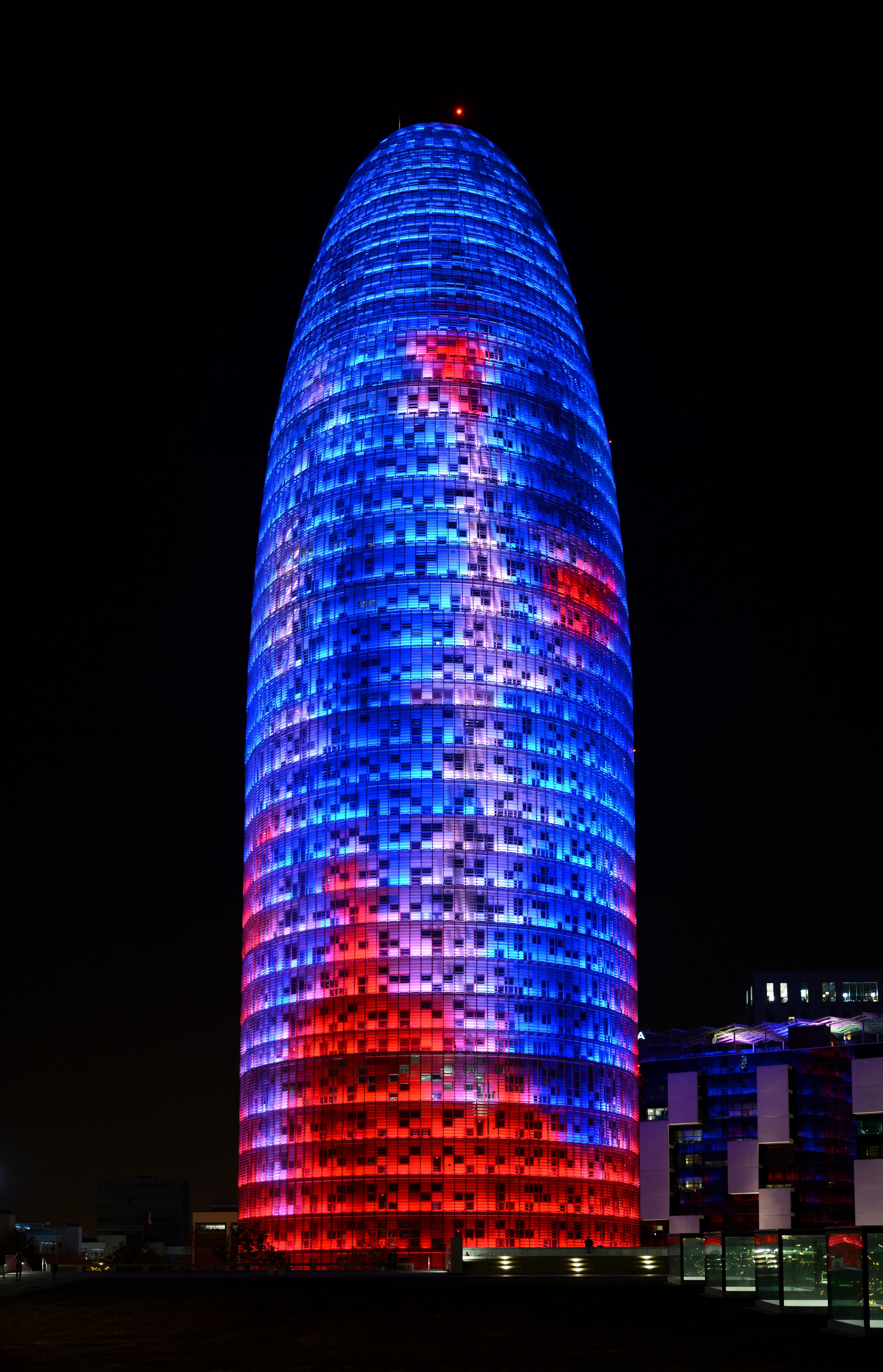

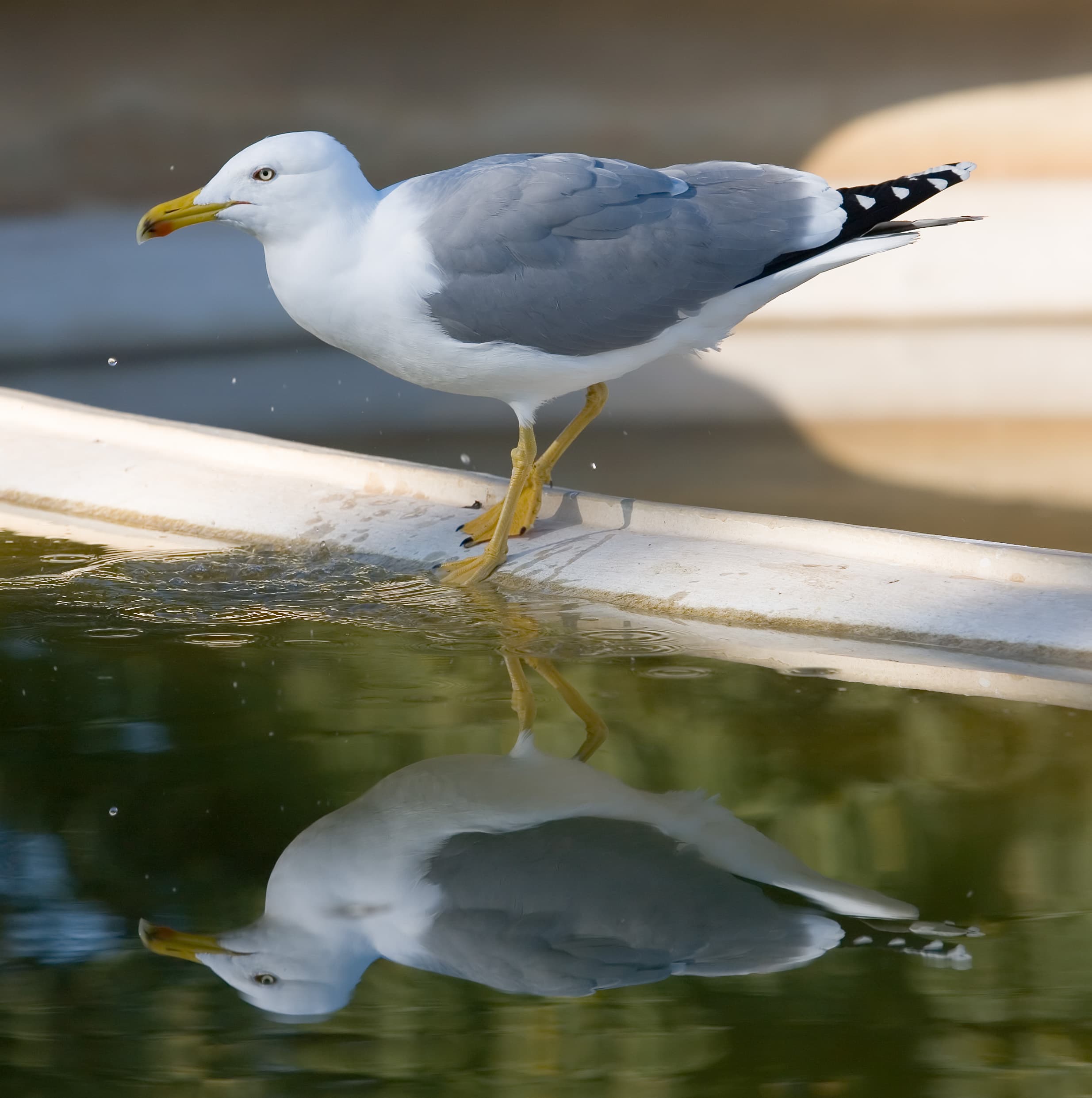
The spirit of Barcelona
Editorial guide with history, culture, and practical tips to plan your trip.
About
Barcelona is a vibrant and multifaceted destination, recognized not only as the capital of the autonomous community of Catalonia in Spain but also for its role as one of the largest and most important metropolises of the Mediterranean Sea. Its cosmopolitan identity pulsates on every corner, combining historical charm with the modern energy of a colossal urban center.
When discussing urban dimensions, Barcelona demonstrates an impressive scale. While the administrative limits of the city house an estimated population of about 1.6 million inhabitants, its actual, beating urban area extends across millions of people. The surrounding conurbation is estimated to have approximately 4.7 million residents, giving the region the title of sixth largest urban area in the European Union.
History
Although specific historical details are not available in summarized sources, the millennial and growing role of Barcelona as a center of cultural and economic convergence is undeniable. Its history is intrinsically linked to Catalan development and its strategic coastal position. Over the centuries, the city consolidated itself as a significant population center within the Iberian Peninsula.
Its growth was gradual but constant, driven by its privileged location on the Mediterranean coast. This trajectory of expansion not only shaped its architecture and social fabric but also positioned it as one of Spain's most populous municipalities—a testament to its continuous appeal to millions of people.
Culture
Barcelona's culture is a rich mosaic reflecting syncretism of influences. As the Catalan capital and Mediterranean metropolis, it celebrates a vibrant blend of Spanish traditions and the autonomous spirit of Catalonia. Cultural energy permeates everything from local cuisine to contemporary art forms.
The scale of Barcelona, with its super-populous urban area (about 4.7 million inhabitants in the conurbation), ensures a constant flow of ideas and styles. It is at this cultural crossroads that the city flourishes, keeping its roots alive while embracing the fast pace of global metropolitan life.
Geography
Geographically, Barcelona has an extremely strategic maritime location. It is situated on the Mediterranean coast, in a stretch delimited by the mouths of the Llobregat and Besòs rivers. This position not only ensures stunning coastal views but has historically facilitated trade and expansion.
The urban geography is marked by important natural elements surrounding the city. To the west, the Serra de Collserola rises as a natural boundary, with its highest peak reaching 512 meters. These rivers and mountains not only define the physical limits of the metropolis but also offer recreational areas that contrast with the dynamism of the city center.
Climate
As a large coastal metropolis located in the Mediterranean, Barcelona typically enjoys a characteristic maritime climate. The proximity to the sea regulates temperatures and contributes to an generally mild environment, inviting visitors to explore its beaches and open spaces.
While seasonal variations are noticeable, it is this Mediterranean influence that defines the city's rhythm of life, keeping it vibrant and suitable for tourism for much of the year.
Tourism
Barcelona's tourist appeal is vast, recognized as one of the largest metropolises of the Mediterranean Sea. The destination attracts visitors from all over the world interested in both its architectural heritage and the effervescence of its cultural activities.
The combination of accessible coastal beaches, the sheer size of the urban area (with 4.7 million surrounding inhabitants), and natural boundaries formed by the Llobregat and Besòs rivers creates an incredibly diverse tourist setting. Whether strolling along the seafront or exploring the hills of Collserola, leisure is a constant feature.
Fun Facts
Barcelona is remarkable for its impressive numbers. Not only does it hold the title of Spain's second most populous municipality, but it also represents a regional demographic powerhouse. The contrast between the population residing within municipal limits (around 1.6 million) and the estimated number in its urban area (4.7 million) attests to the vast scope of its social impact.
Geographically, it is a vital convergence point. Being located exactly between the mouths of the Llobregat and Besòs rivers guarantees a constant hydrological and natural connection with the Mediterranean Sea. The presence of the Serra de Collserola as a western barrier also adds unique geographic charm to metropolitan life.
Quick facts
Everything you need to know to plan your trip
Destination at a glance
Reference figures to help plan your trip
Hotels in the area
312
Attractions
9
Best hotels
We are still connecting hotels for this destination. Search stays in the area in the meantime.
Coming soon
We are still connecting hotels for this destination. Search stays in the area in the meantime.
Search hotelsDestination map
Hotels and experiences in the area
Frequently asked questions
Everything you need to know to plan your trip
Where is Barcelona located, and what is its regional status?
Barcelona is the capital of the autonomous community of Catalonia in Spain, and it is considered the largest metropolis on the Mediterranean Sea.
What is the population size of Barcelona (within municipal limits vs. total urban area)?
Within the city limits, there are 1.6 million inhabitants. However, its urban area extends beyond these boundaries, reaching a population of around 4.7 million.
What is the geographical location and what are Barcelona's natural borders?
The city is located on the coast between the mouths of the Llobregat and Besòs rivers. To the west, it is bordered by Serra de Collserola, whose highest peak is 512 meters.
Compared to other European cities, how large is Barcelona's urban area?
Its urban area is extremely dense, making it one of the six most populous areas in the European Union, only following Paris, London, Madrid, Ruhr Valley, and Milan.
What is Barcelona's demographic importance in Spain?
It is the second most populous municipality not only locally but also a vital urban center for the entire autonomous community of Catalonia.
Nearby destinations
Extend your trip to incredible destinations nearby
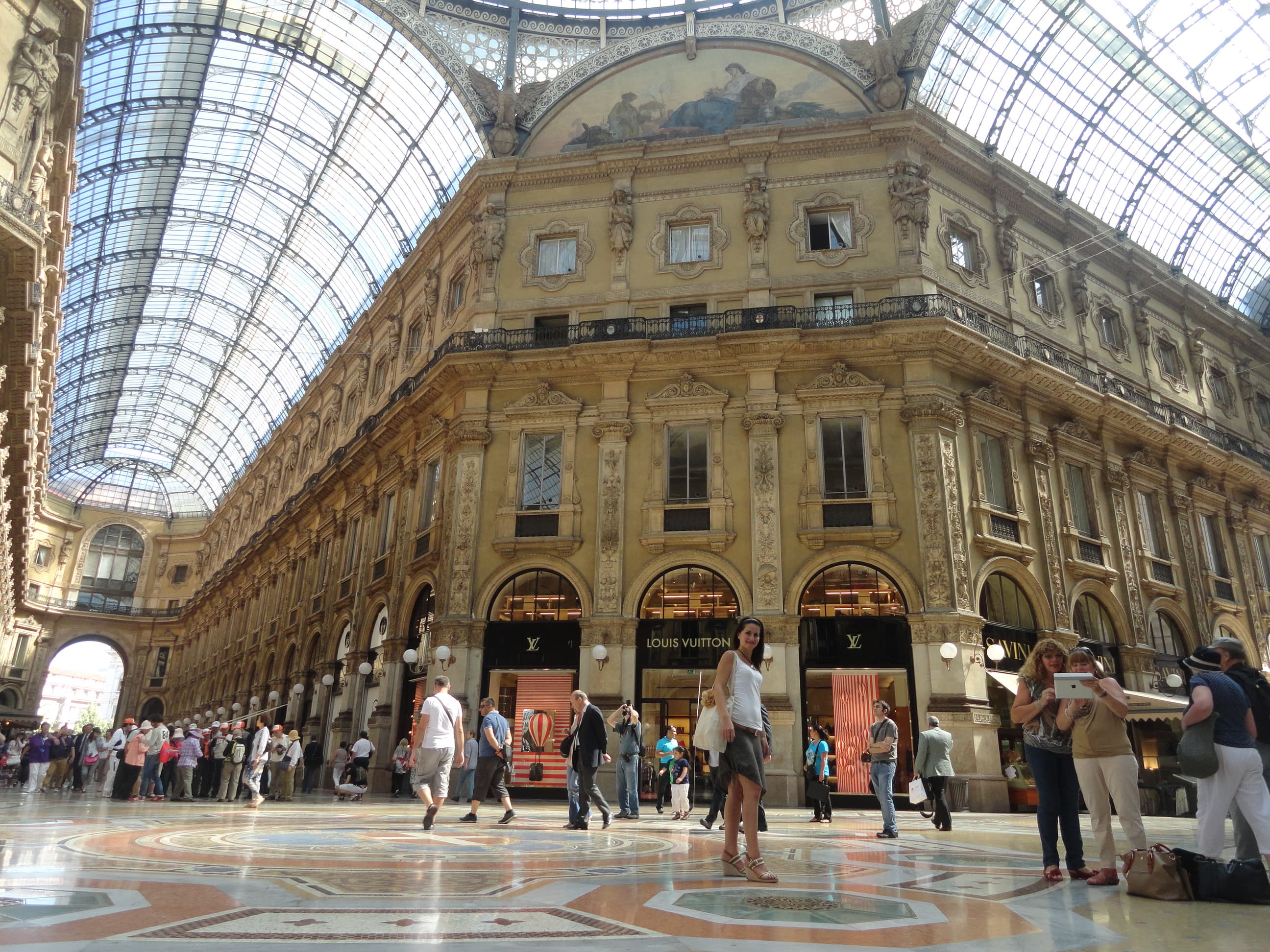
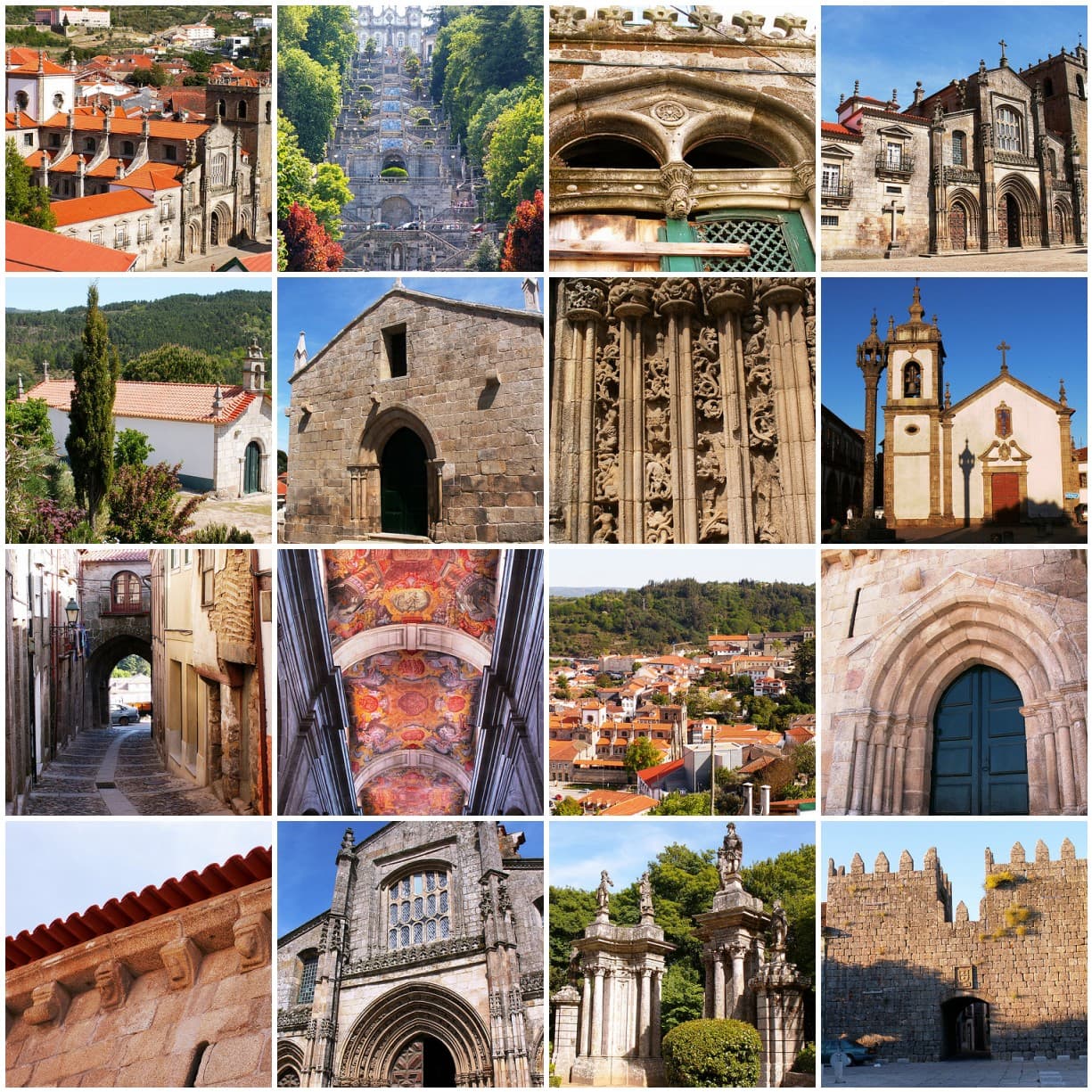
Ready to experience Barcelona?
We personalize every moment of your journey — from iconic landmarks to hidden cultural gems.
Available 24/7 · Personalized consultations · Local expertise
Updated on June 7, 2026
Sources