Brasília

Destination
Discover Brasília! This modern Brazilian capital, built in the 20th century, is a political and cultural hub. Plan your trip to the Central-West region.
Brasília · DF · Brasil
Photos
Discover the landscapes and culture of Brasília



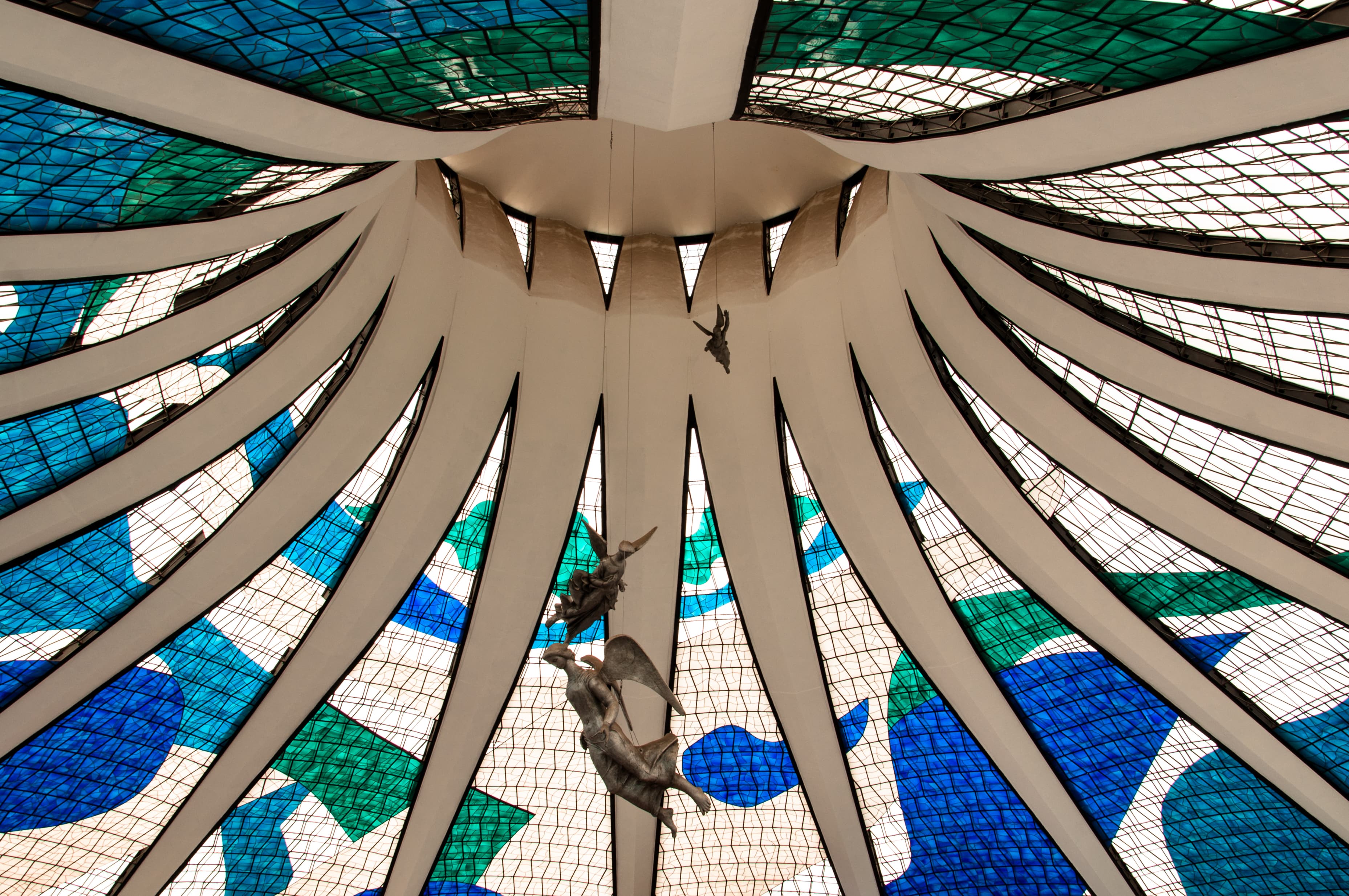
Editorial guide with history, culture, and practical tips to plan your trip.
Brasília is more than just the federal capital of Brazil; it represents a historical and architectural landmark in the country's modern history. As the seat of government for the Federal District, this metropolis concentrates national political power and attracts constant flows of people from all parts of Brazilian territory.
Its existence and development are closely linked to large-scale urban planning, making it a fascinating subject of study for architects and urban planners. According to the latest data collected by the Brazilian Institute of Geography and Statistics (IBGE) in the 2022 Census, the resident population reached impressive numbers, totaling approximately 2,817,381 inhabitants. This figure not only positions it as one of Brazil's largest population centers but is specifically cited as the third most populous city when calculations are restricted to municipal limits (excluding attached metropolitan areas).
Additionally, Brasília's demographic size ensures that it is recognized as one of the main urban concentrations in the country. It features not only on the list of most populated cities but also among the fourth largest urban concentration in terms of population in Brazil. These robust numbers underscore its vital importance to the national social and economic fabric.
What makes Brasília particularly unique, and one of the city's most notable facts, is its status as one of the largest metropolises ever conceived and built on a global scale during the 20th century. This fact speaks not only to its current population magnitude but also to the ambition and planning that shaped its entire structure.
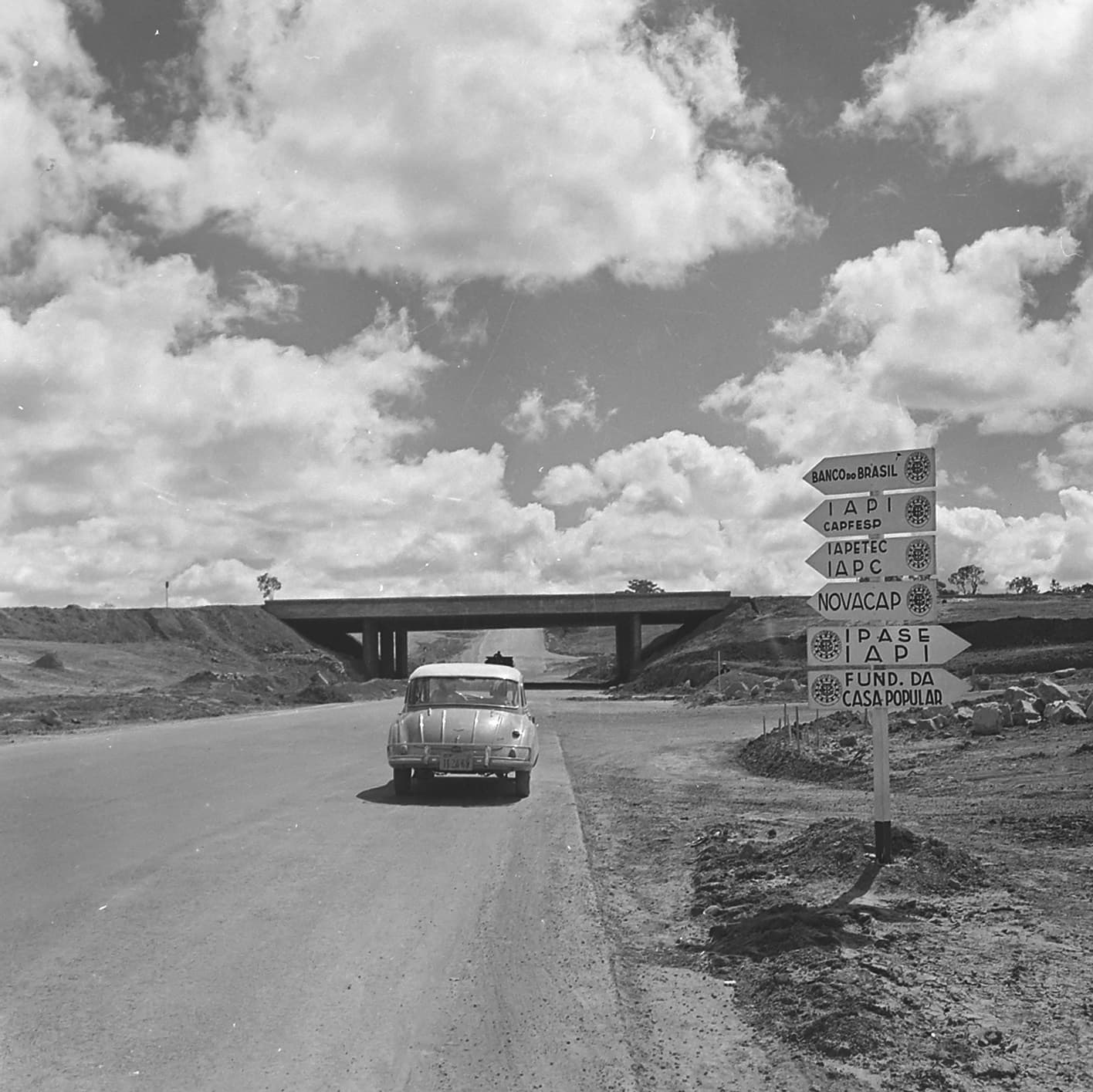
The history of Brasília is a tale of audacity and urban modernism. Unlike Brazil's historical cities, whose evolution occurred organically over centuries in different coastal areas, Brasília was conceived and built by federal mandate with a futuristic vision planned for the 20th century.
Its emergence was not a gradual process; it was an ambitious state project that redefined the parameters of urban development in the country. The historical narrative of the city is therefore deeply linked to the concept of total planning, where infrastructure, government, and civil life were meant to coexist in a modern and functional model.
When established, Brasília represented a radical change on Brazil's political-geographical map. The need to transfer the center of power inland was the engine behind this great historical transformation. This movement not only changed the physical capital but also imposed a new rhythm of development and a new architectural identity upon Brazil.
The history of Brasília is, therefore, the story of Brazilian modernity in urban form—a city designed from scratch to function perfectly as a political center of enormous scale. The magnitude of this historical achievement is what grants the capital its status as the largest and most relevant planned metropolis built in the modern era during the 20th century.
Brasília's culture is a complex mosaic, directly reflecting its function as the nerve center of federal power. As the seat of government for the Federal District, the city attracts and concentrates professionals, diplomats, academics, and citizens from practically all biomes and regions of Brazil.
This intense population movement—with millions of inhabitants concentrated in its various urban areas—generates an unparalleled cultural richness. It is a place where the northeastern accent coexists with the gaúcho cadence, where Amazonian traditions interact with the rhythms of the Southeast and North.
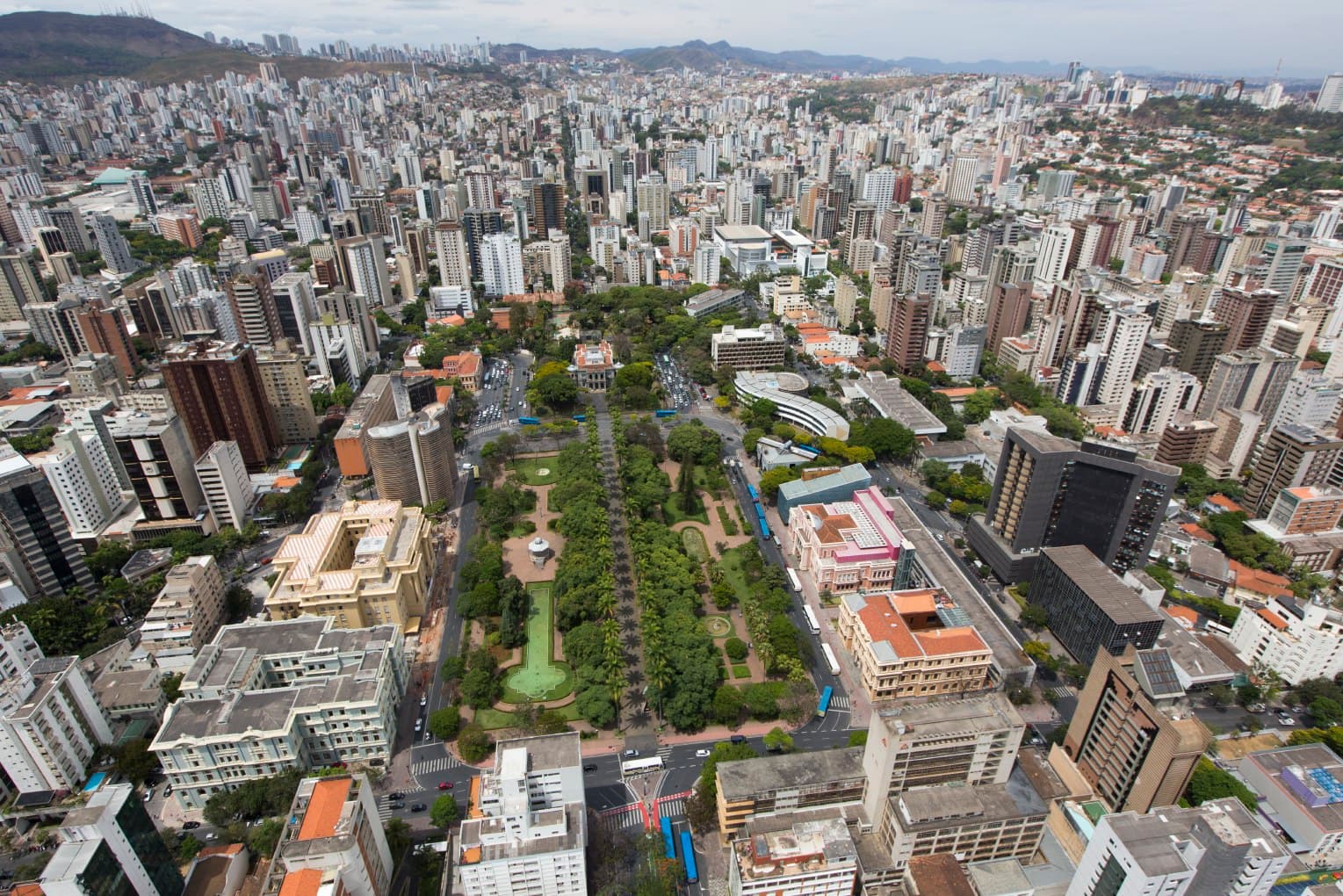
Culturally, Brasília is marked by the intersection between institutional power and modern art. Its own urban layout is already a work of art, being a monumental example of architecture that has become an intrinsic part of the local cultural identity. The city forces its inhabitants to interact with planned works, making daily life itself an aesthetic backdrop.
Brasília's culture is deeply influenced by this forced and intense mix: it needs to be efficient enough to support a gigantic power center, but at the same time must nurture a vibrant life that supports nearly 2.8 million constantly moving people. It is in this duality—institutional power versus popular effervescence—that its cultural core resides.
Strategically located in Brazil's vast Central-West region, Brasília sits upon the majestic topography known as the Central Plateau (Planalto Central). This location is not a geographical coincidence; it was the fundamental pillar for the capital's planning and defines its climate and visual characteristics.
Its positioning on this elevated plain ensures that the city has a geopolitical projection of immense national relevance. The Central-West region, in turn, is a characteristic domain of the country, far from the historical coastlines, which accentuated its role as a nerve center for Brazilian continental integration.
The physical geography, marked by the Central Plateau, directly influences the urban design. The city's planning had to respect and incorporate large areas of relatively plateau-like terrain, facilitating the massive construction of expressways and large-scale buildings that characterize its visual identity.
Thus, Brasília's geographical boundaries do not define just a set of coordinates; they delimit an area where the Brazilian government consolidated its power in the interior of the country, creating a new gravitational center in the landscape. Being situated on this plateau gives it a visual and strategic grandeur unique compared to other Brazilian capitals.
Although Brasília's microclimatic details depend on the season and specific area visited, its geographic location in the Central-West region and upon the Central Plateau grants it typically continental climatic characteristics. The climate tends to show noticeable variations between seasons, influenced by the surrounding continental vastness.
In general terms, because of being in a higher altitude region (the plateau), Brasília can experience significant thermal amplitudes throughout the day and year. This means that the climate is characterized by periods ranging from hot to varied conditions requiring planning for different attire and activities.
The climatic influence of this continental quadrilateral contributes to landscape diversity, even under intense urban coverage. It is a robust climate cycle that reflects its distance from coastal marine influences, granting it a more inland and majestic atmosphere.
Tourism in Brasília is unique because it does not rely primarily on wild nature or colonial village folklore. Instead, the main tourist engine resides in its modernist architecture and revolutionary urban planning of the 20th century.
The tourist experience begins with appreciating the functionality and beauty of governmental structures, which were designed to be grandiose, symmetrical, and highly efficient. Walking through Brasília is participating in an open-air museum, where every road axis and public building tells a story about modern urbanism.
Beyond the institutional circuit, the city offers points of interest that reflect its vibrant and multicultural life. The concentration of millions of people (with the population approaching 2.8 million) guarantees diverse gastronomic offerings and cultural fairs celebrating the roots of every group who came to be part of this great metropolis.
Therefore, visiting Brasília is a deep dive into the history of urban planning. It is a destination that appeals both to the artistic observer and to the tourist interested in understanding the dynamics of power and modern life within one of the most ambitious cities ever built in the 20th century.
Brasília holds singular titles that reinforce its role as a global urban vanguard. The most notable fact is undoubtedly being considered the largest city in the world conceived and erected entirely within the framework of modernism in the 20th century. This characteristic makes it a unique case study in urban planning.
Another striking curiosity is linked to its demographic gigantism. With over 2.8 million inhabitants (IBGE/2022 data), its population consistently places it among Brazil's urban leaders, recognized as one of the largest and densest population centers. This human mass is a constant engine of cultural and economic energy.
This unique combination—being the national political epicenter, having been designed in a very short time during the modern era, and housing millions of people from all parts of vast Brazilian territory—makes Brasília a city that defies traditional notions of how a capital should be built.
It is a place where political ambition translated into permanent architectural lines, ensuring that every corner and every building tells a chapter in the history of Brazilian urban development.
Everything you need to know to plan your trip
Reference figures to help plan your trip
Attractions
9
Selected stays available to book
Hotels and experiences in the area
Everything you need to know to plan your trip
Brasília is the federal capital of Brazil and serves as the seat of government for the Federal District.
The city is located in the Central-West region, along the area known as the Central Plateau.
The Brazilian capital holds the record of being the largest city in the world built during the 20th century.
According to the 2022 IBGE Census, Brasília's population was 2,817,381 inhabitants.
It is considered the third most populous city in the country, excluding metropolitan area figures.
Extend your trip to incredible destinations nearby
We personalize every moment of your journey — from iconic landmarks to hidden cultural gems.
Available 24/7 · Personalized consultations · Local expertise
Updated on June 7, 2026
Sources