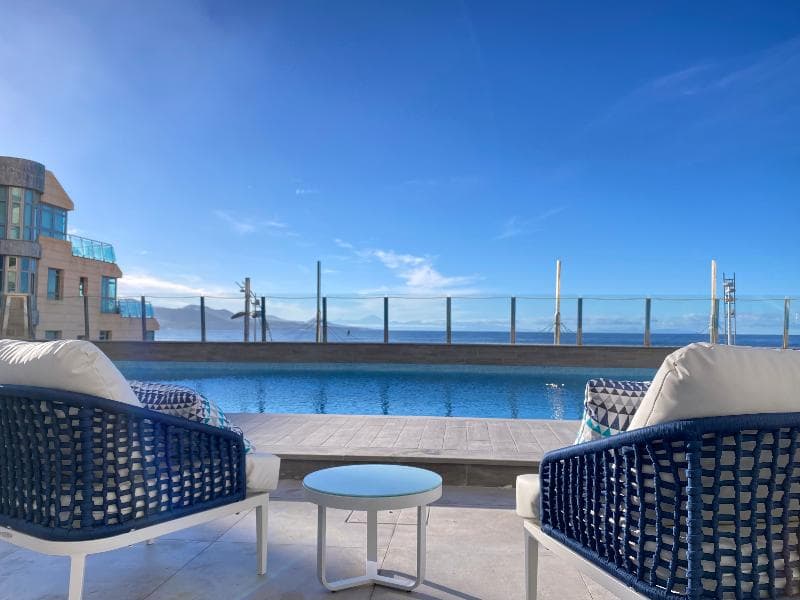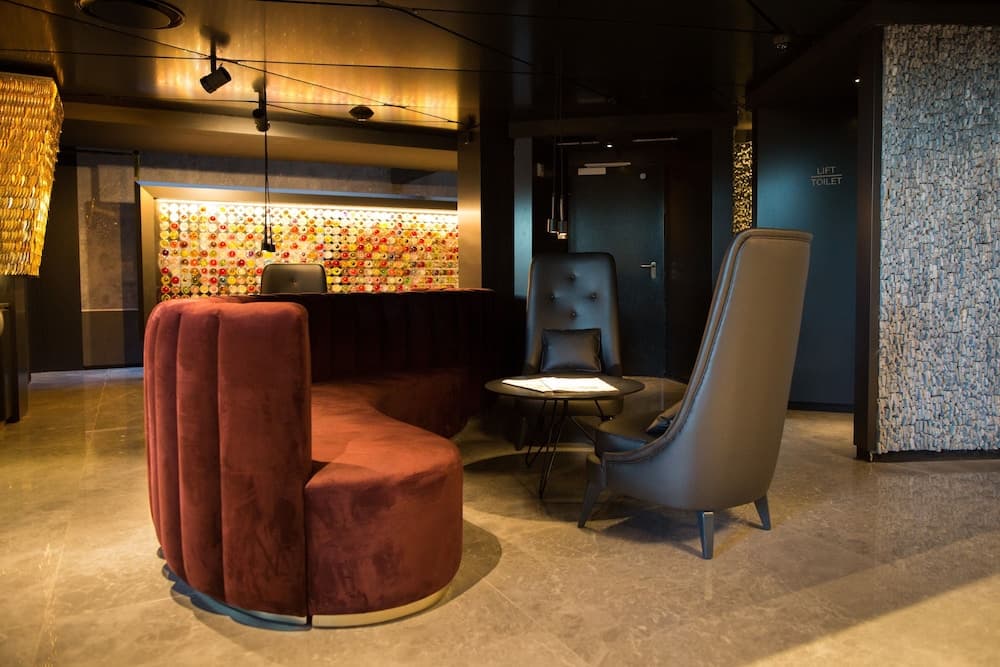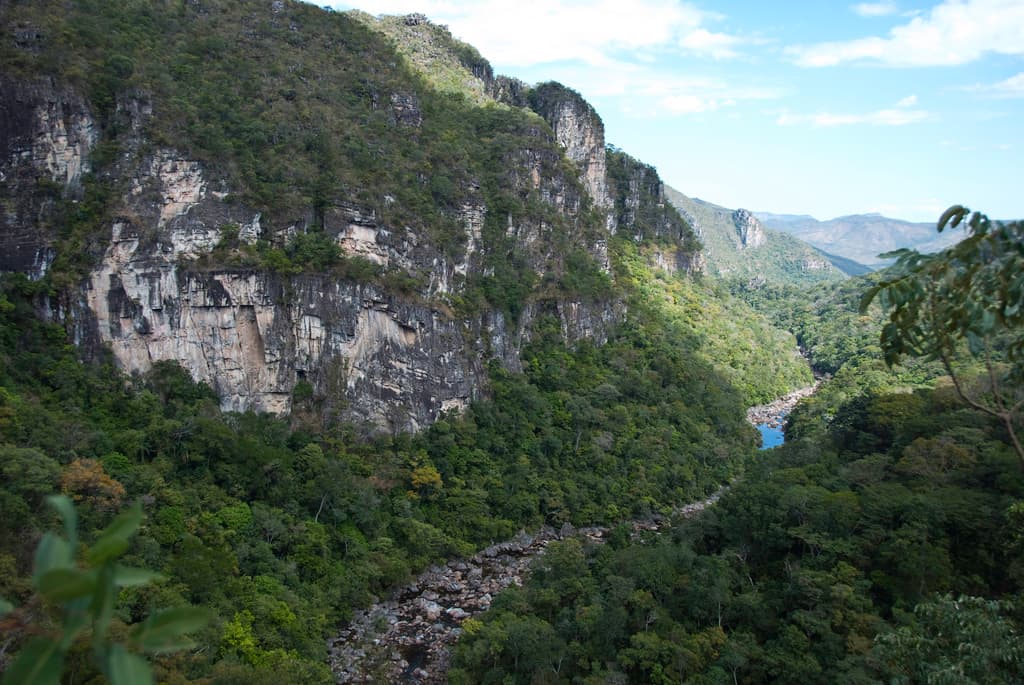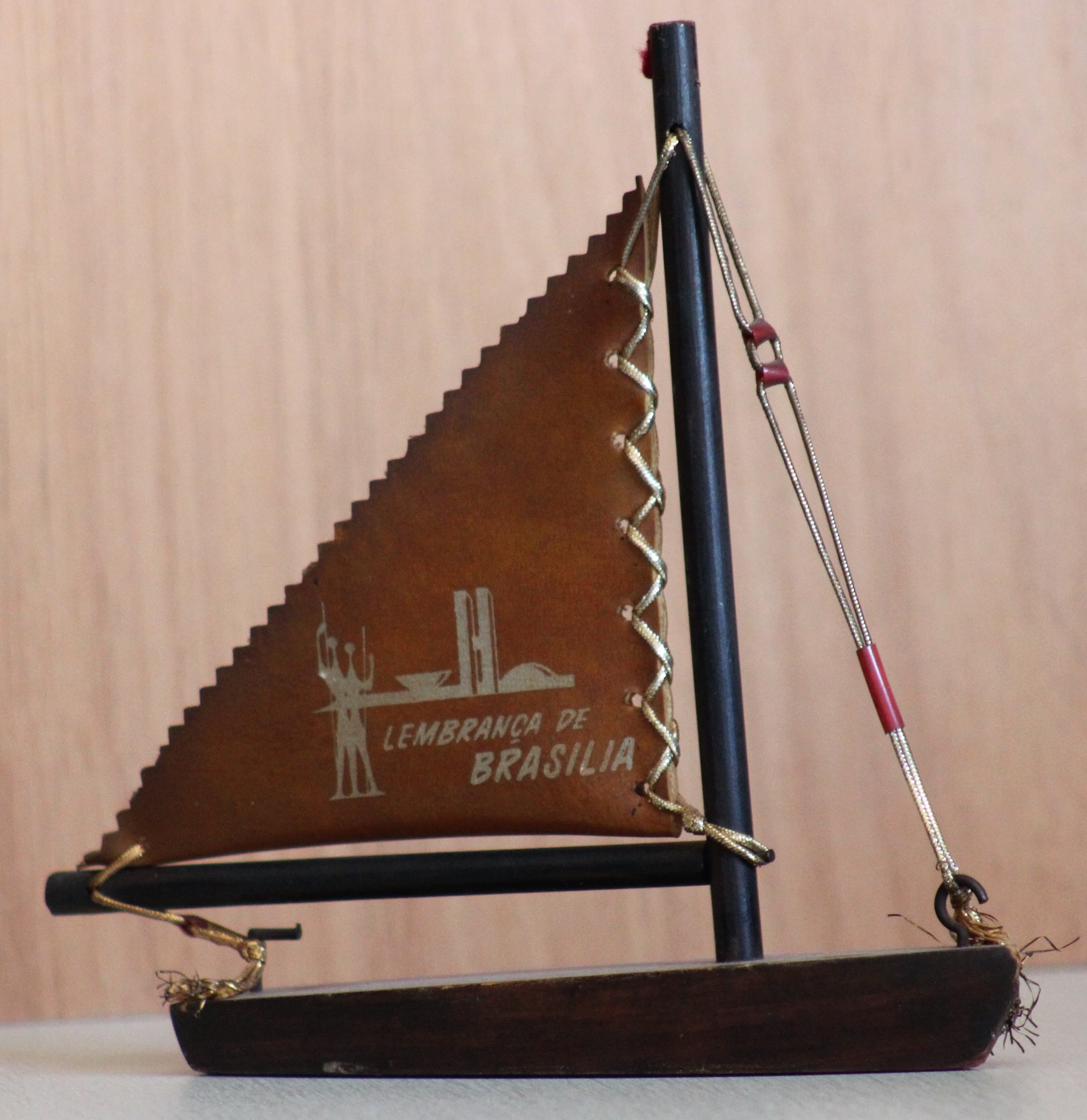
Palmas

Destination
Discover Palmas, the vibrant capital of Tocantins. Plan your trip with tips on unmissable attractions, local gastronomy, and regional tours.
Palmas · TO · Brasil
Photos
Discover the landscapes and culture of Palmas
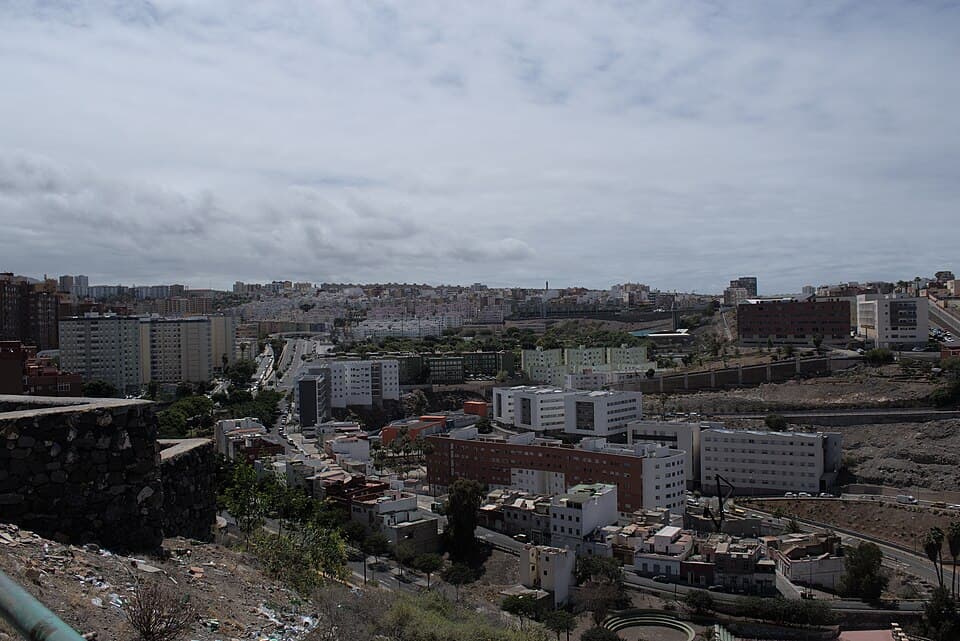
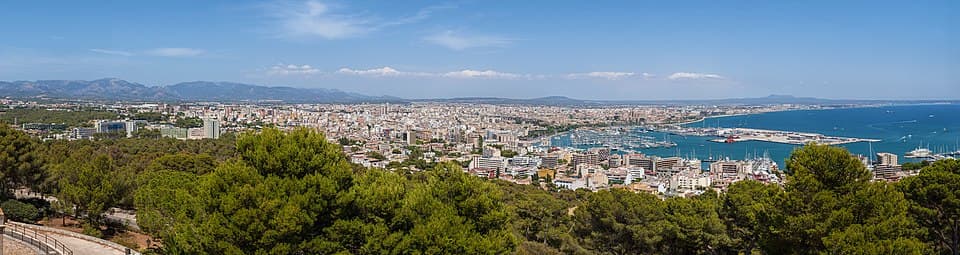
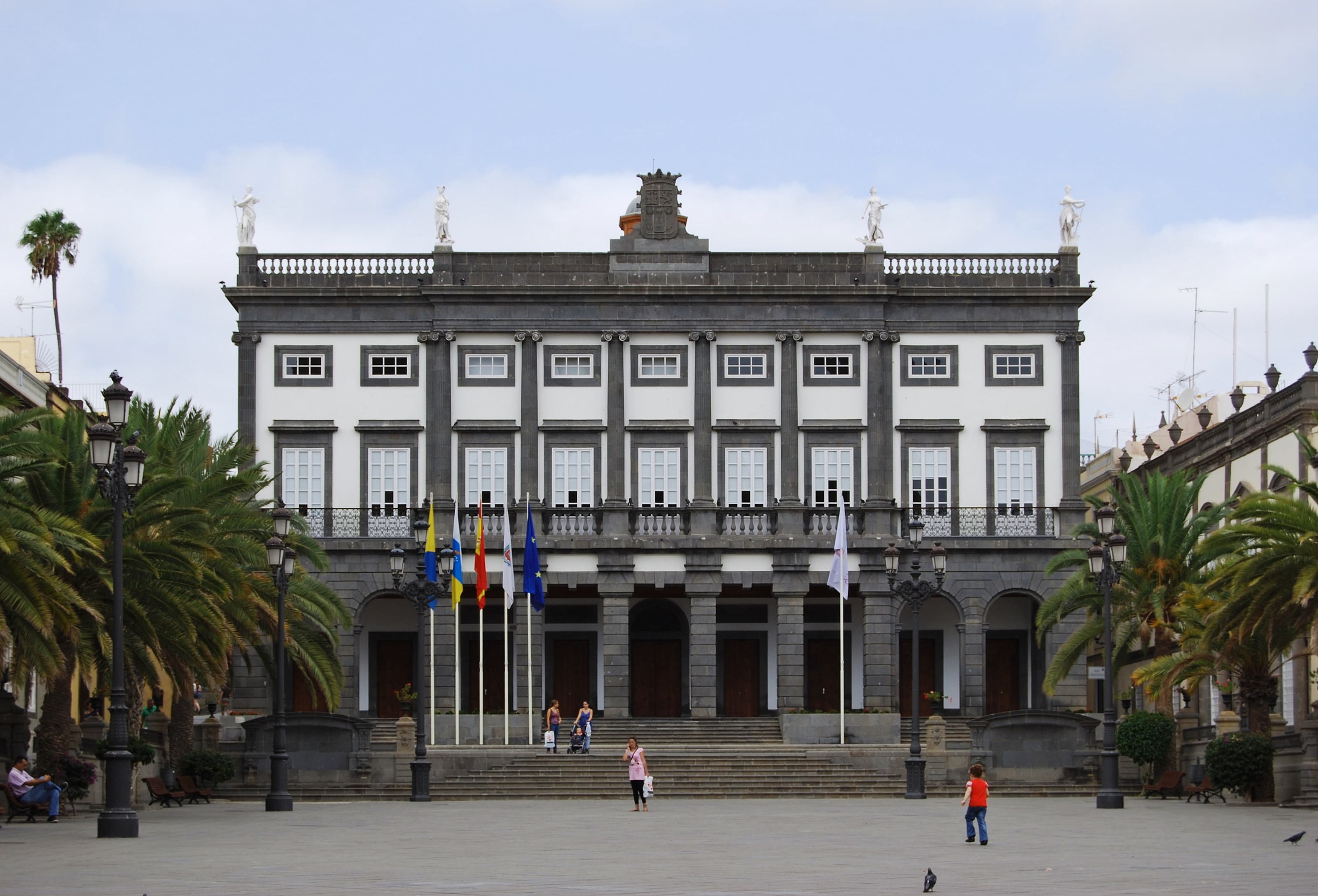
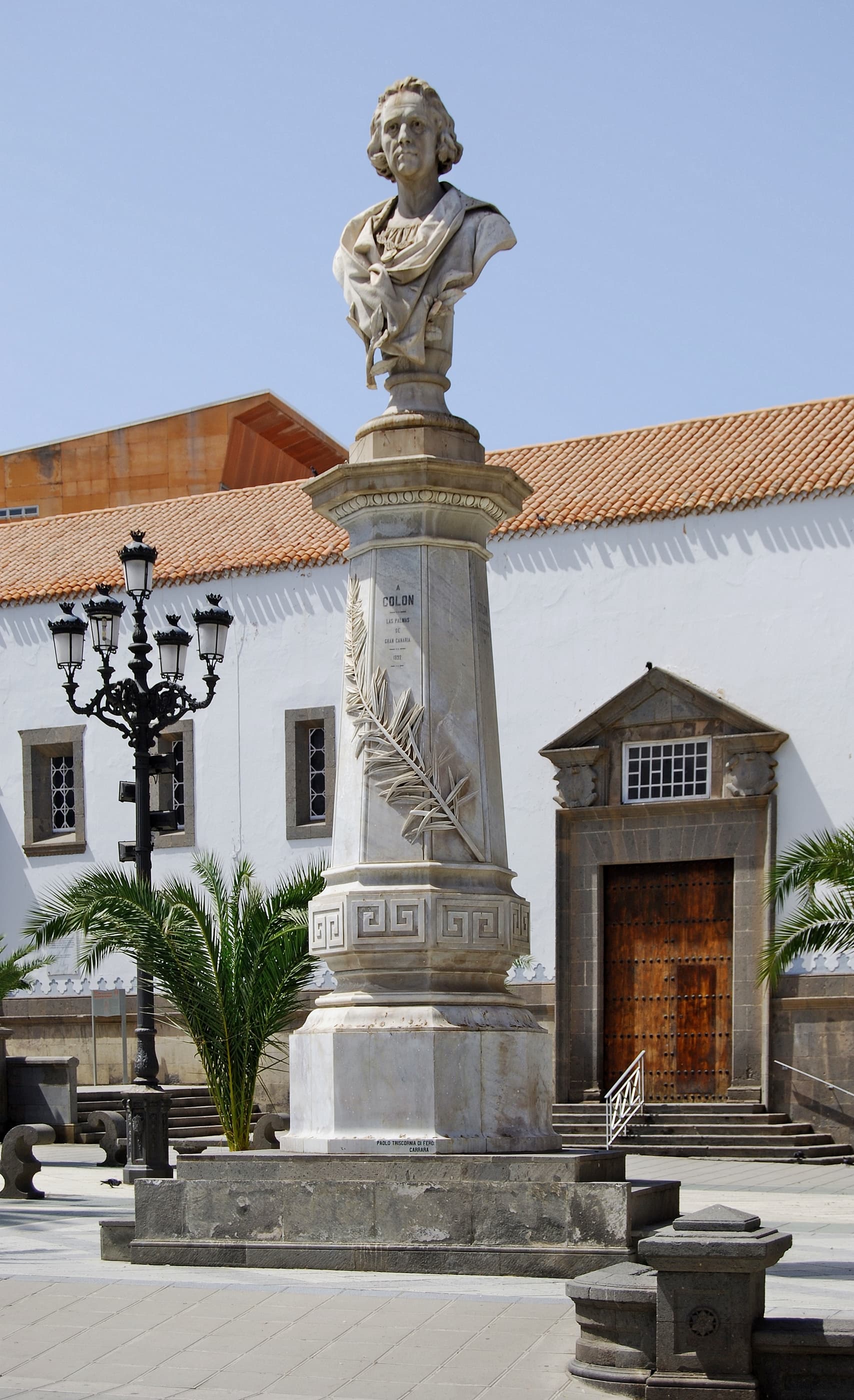
Editorial guide with history, culture, and practical tips to plan your trip.
Palmas is the administrative and urban heart of the state of Tocantins, serving as its recognized capital. The city not only houses centers of political administration but also represents a fundamental landmark in the recent history of Brazil's Center-West region. With a population exceeding 137 thousand inhabitants (approximate data), Palmas stands out due to its urban planning and strategic function within the Tocantins context.
Its existence is intrinsically linked to the state’s development trajectory, serving as a notable example of accelerated and structured growth. The formation of the city is a fascinating story about internal migration, political ambition, and the transformation of a region into a modern center of urban occupation. For travelers interested in understanding the dynamics of contemporary Brazil, visiting Palmas means diving into the nuances of an urban plan aimed at consolidating Tocantins' political future.
The narrative of Palmas is marked by speed and purpose. Although the city was formally established on May 20, 1989, its foundation was an event directly connected to the larger process of creating the state of Tocantins.
It is crucial to understand that Tocantins received its constitutional status through the 1988 Constitution. Palmas emerged seven and a half months after this legal milestone. Under the management of the then-governor José Wilson Siqueira Campos, the first structural works began. The construction process was not isolated; it was fueled by a significant flow of workers, coming from distant rural areas within Tocantins itself and various other Brazilian states.
The initial development was intense and pioneering. However, official consolidation occurred on a significant date: January 1, 1990. It was only on this occasion that Palmas assumed the definitive title of the state capital. Before that, while the new governmental apparatus was being consolidated, administrative activities were temporarily conducted in the neighboring city of Miracema do Tocantins, highlighting the region's political transition and maturity.
This history of accelerated but determined foundation has shaped Palmas' urban identity. The city grew to become not only a population center but also the axis where the future administration of Tocantins would be built, leaving visible marks on its architecture and planning.
As a relatively young capital, Palmas’ culture is deeply marked by the encounter of diverse regional influences and the energy of a people seeking to build a new future. The population diversity that formed the workforce during the founding period—coming from rural Tocantins and different states—guaranteed a vibrant cultural mosaic.
Local culture therefore reflects this mixture: it is a blend between the traditional, rural customs of central Brazil, combined with the dynamism and modernity associated with its role as a political center. Customs and lifestyle are mirrors of this accelerated development.
The entrepreneurial spirit is at the core of Palmas' culture. There is an appreciation for planning and organization, characteristics inherent to its institutional purpose. Although the culture is vibrant in human terms, it also expresses itself in the architecture, which attempts to reconcile respect for tradition with the demands of a planned metropolis.
Located in the state of Tocantins, Palmas occupies a strategic geographic position in Brazil's Center-West region. Its location is crucial not only for state integration and development but also regionally on a broader scale.
The founding of the city itself is linked to the necessity of establishing a central point capable of accommodating the administrative functions of the new state. Demographic growth, reaching numbers above 137 thousand inhabitants, demonstrates the attraction exerted by the urban area and its infrastructural development. Palmas is not just a point on the map; it is the destination toward which efforts of colonization and political development were directed.
The geographic aspect of being a planned capital confers unique characteristics upon it. Unlike cities that grew organically over time, Palmas had its structure outlined by a clear governmental objective: to be the definitive center of Tocantins' power. This planning directly impacted its urban design and the arrangement of its public spaces.
While specific climatic data is not detailed in the provided materials, it is essential to understand that Palmas is situated in a tropical or semi-arid region characteristic of the Tocantins ecosystem. The local climate tends to vary significantly between seasons.
Like any large urban center in this region, the climate directly influences the pace of life and outdoor activities. Generally, one can expect periods of hotter, drier season interspersed with rainy periods that bring vitality to the landscape. Heat is a constant defining the local atmosphere.
The adaptation of Palmas' lifestyle to the regional climatic conditions must be noticeable. Urban planners considered this seasonality, aiming to create spaces and infrastructure that allow for the comfort of its inhabitants, regardless of the intensity of the seasons.
Tourism in Palmas is strongly based on interest in destinations of recent political history, planned architecture, and observing urban development. While it is not traditionally associated with wild natural leisure, what attracts visitors precisely is its identity as a capital under construction.
Tourists usually explore the modern infrastructure and urban planning conceived to accommodate governmental functions, but which today have become points of architectural interest. It is a form of observing civilizational and administrative process tourism.
The tourist experience in Palmas necessarily involves an immersion into its founding history. Understanding the administrative transition—the moment it ceased being merely a temporary location (like Miracema do Tocantins) to definitively become the government seat—is fundamental for anyone seeking to understand the city's soul. Visiting the capital allows travelers to feel the pulse of development in Brazil's Center-West.
One of Palmas’ most fascinating curiosities lies in its founding timeline. It was established on May 20, 1989, an incredibly short period after the legal milestone that created the state of Tocantins (1988 Constitution). This lapse of time is proof of the urgency and political determination behind its creation.
It is notable how quickly the city had to develop, receiving workers from various parts of Brazil. This massive and directed migration not only populated the location but also dictated the rhythm of building all the urban infrastructure we see today. History here is a story of pioneering spirit.
Furthermore, the fact that it went through a clear administrative transition—starting with temporary government activities in Miracema do Tocantins before definitively consolidating as the capital on January 1, 1990—tells an important chapter about Brazilian political organization. Palmas is, therefore, a fascinating case study of urban planning and state development in modern Brazil.
Everything you need to know to plan your trip
Reference figures to help plan your trip
Attractions
9
Selected stays available to book
Hotels and experiences in the area
Everything you need to know to plan your trip
Palmas is the capital of the Brazilian state of Tocantins (TO).
Palmas was founded on May 20, 1989.
Starting January 1, 1990, Palmas became officially the definitive capital of Tocantins.
The city's population is estimated at over 137,355 inhabitants.
The city began to be built by workers coming from the interior of Tocantins and various states of the country.
Extend your trip to incredible destinations nearby
We personalize every moment of your journey — from iconic landmarks to hidden cultural gems.
Available 24/7 · Personalized consultations · Local expertise
Updated on June 7, 2026
Sources