São Paulo

Destination
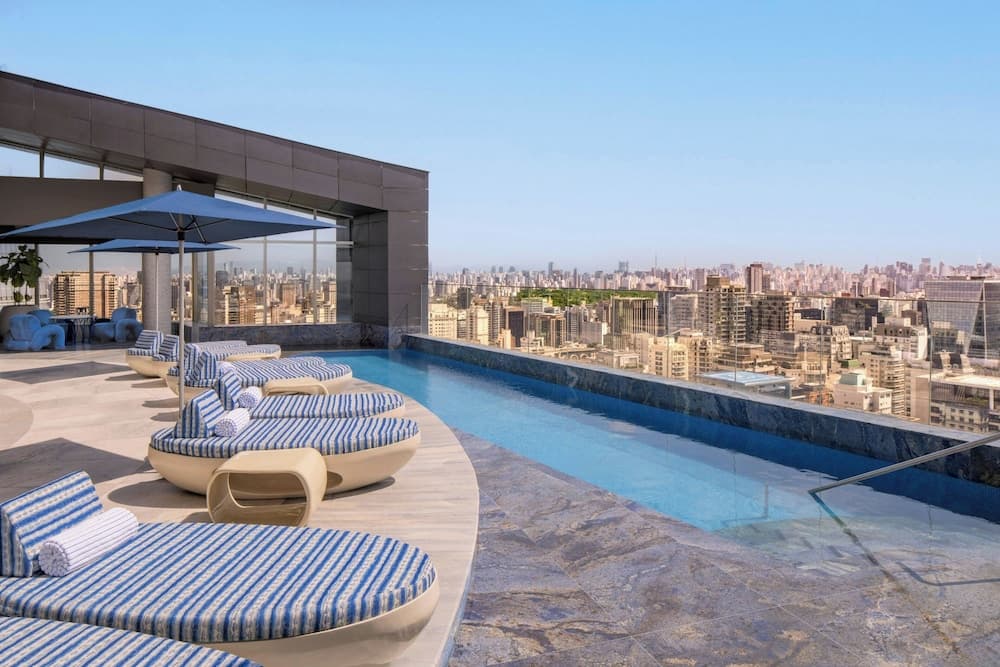
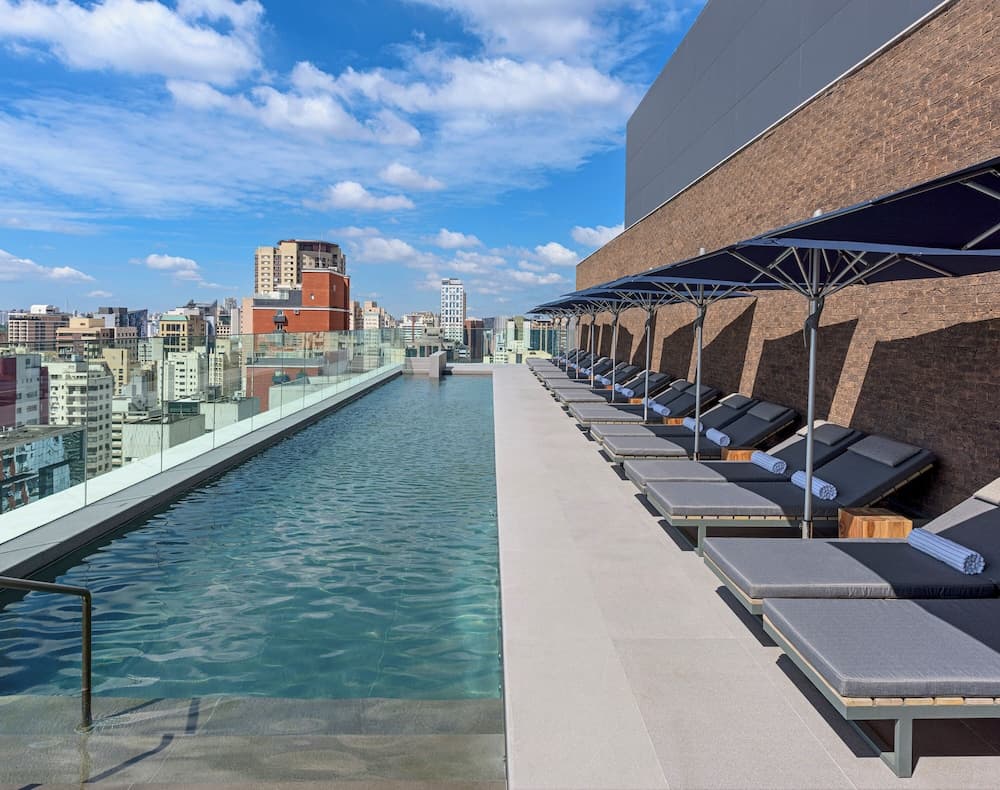
From financial centers to cultural hubs, São Paulo offers an unparalleled urban immersion. Discover its world gastronomy, cinemas, and vibrant energy!
São Paulo · SP · Brasil
Photos
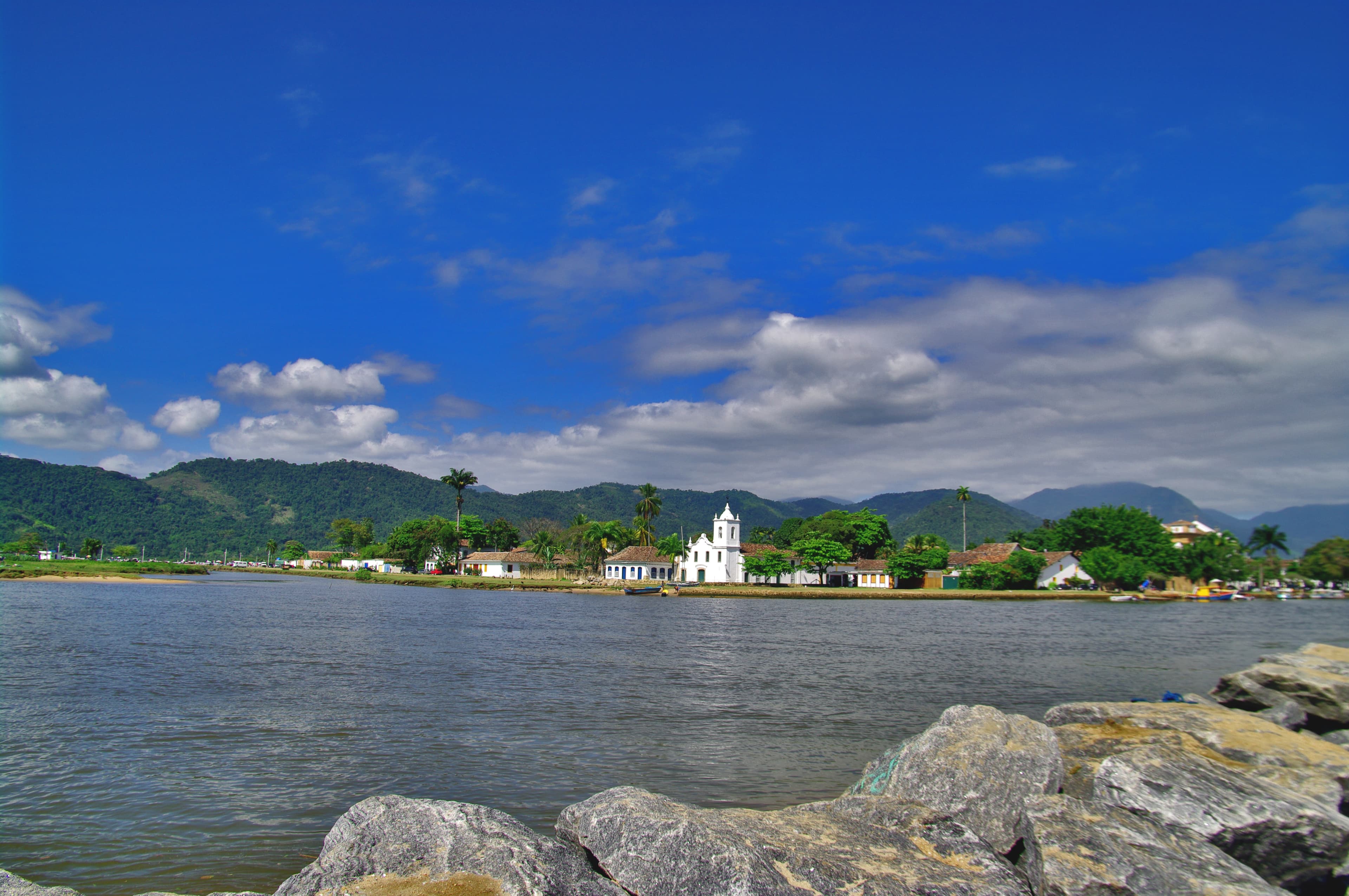
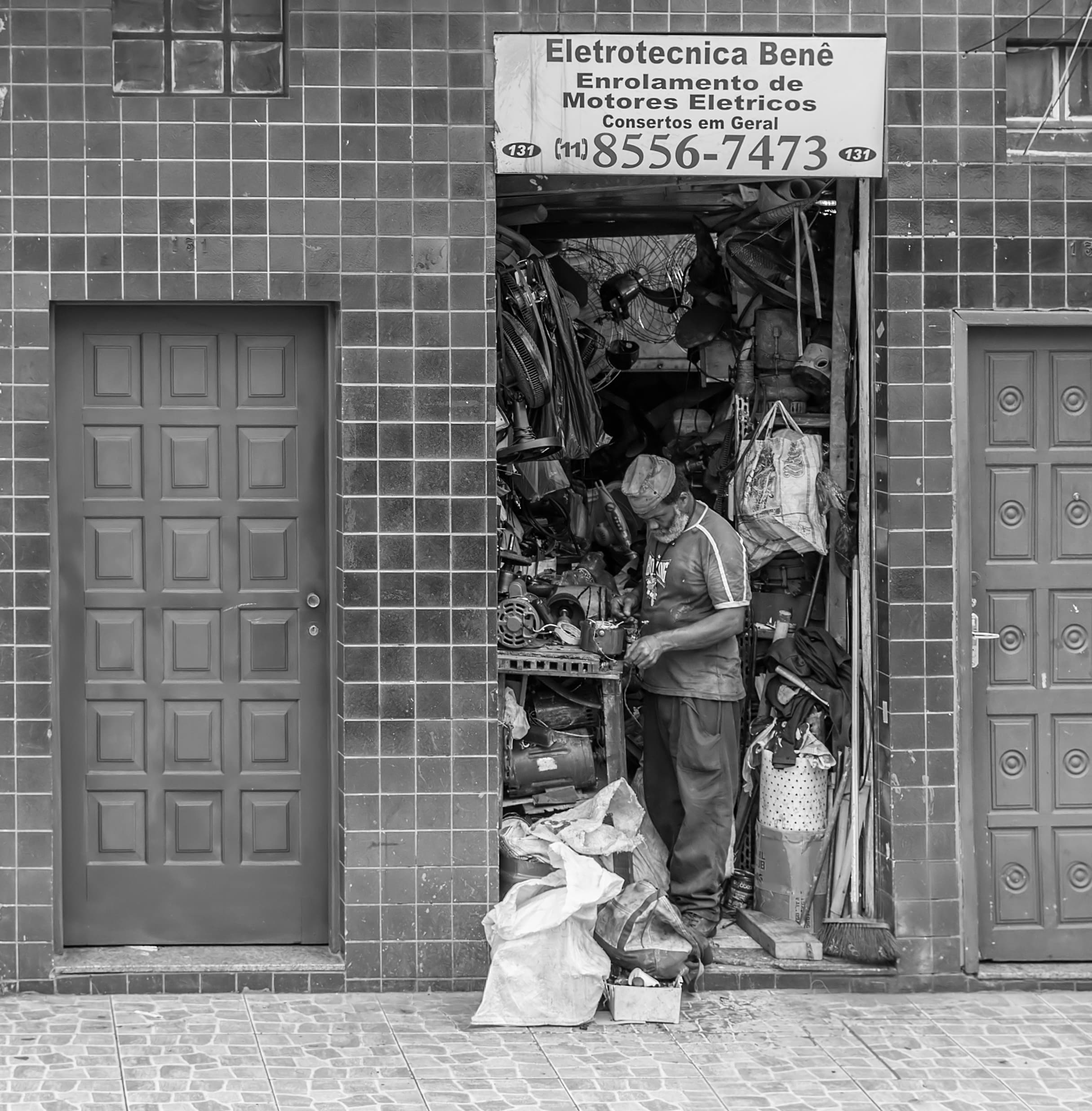
Discover the landscapes and culture of São Paulo

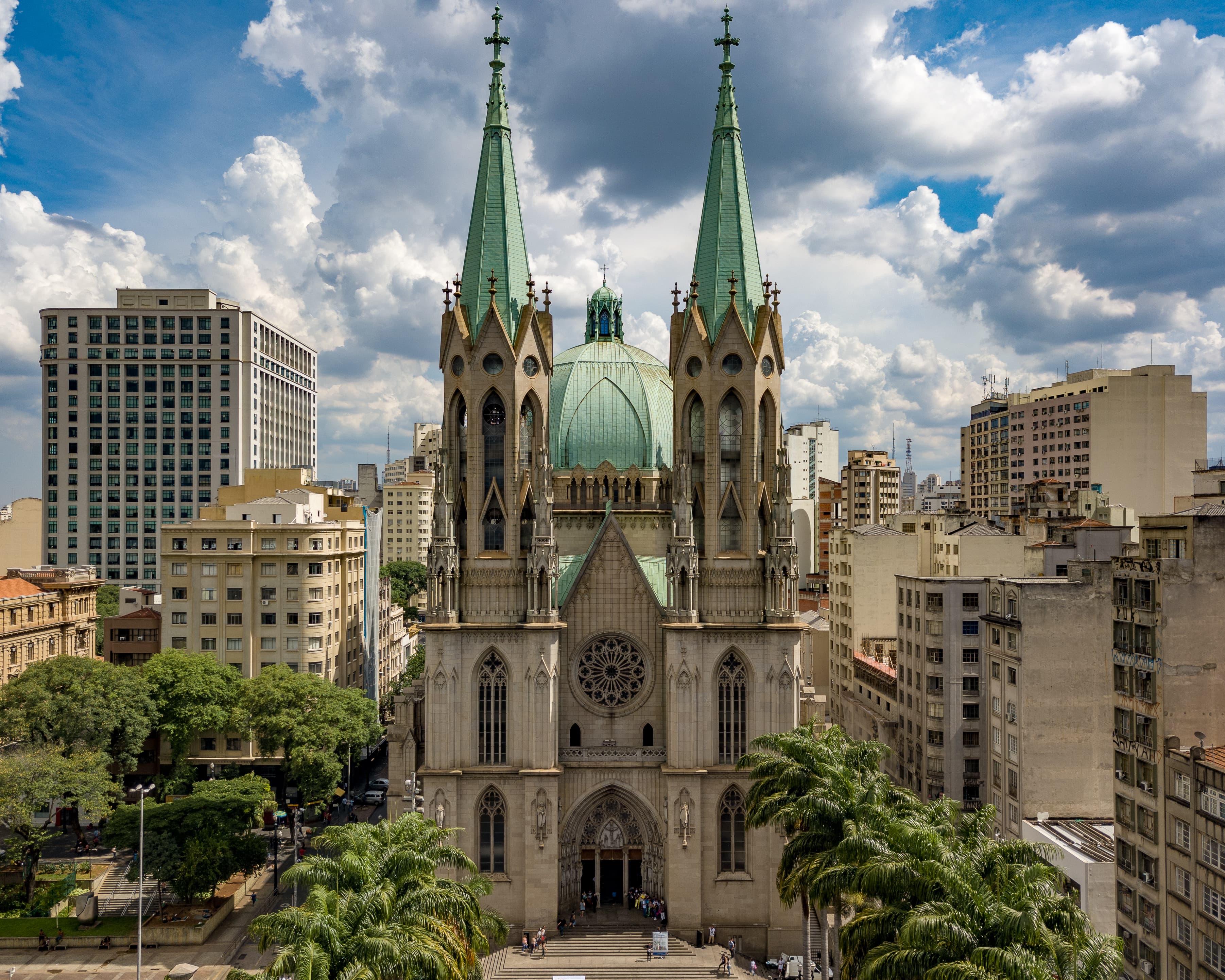

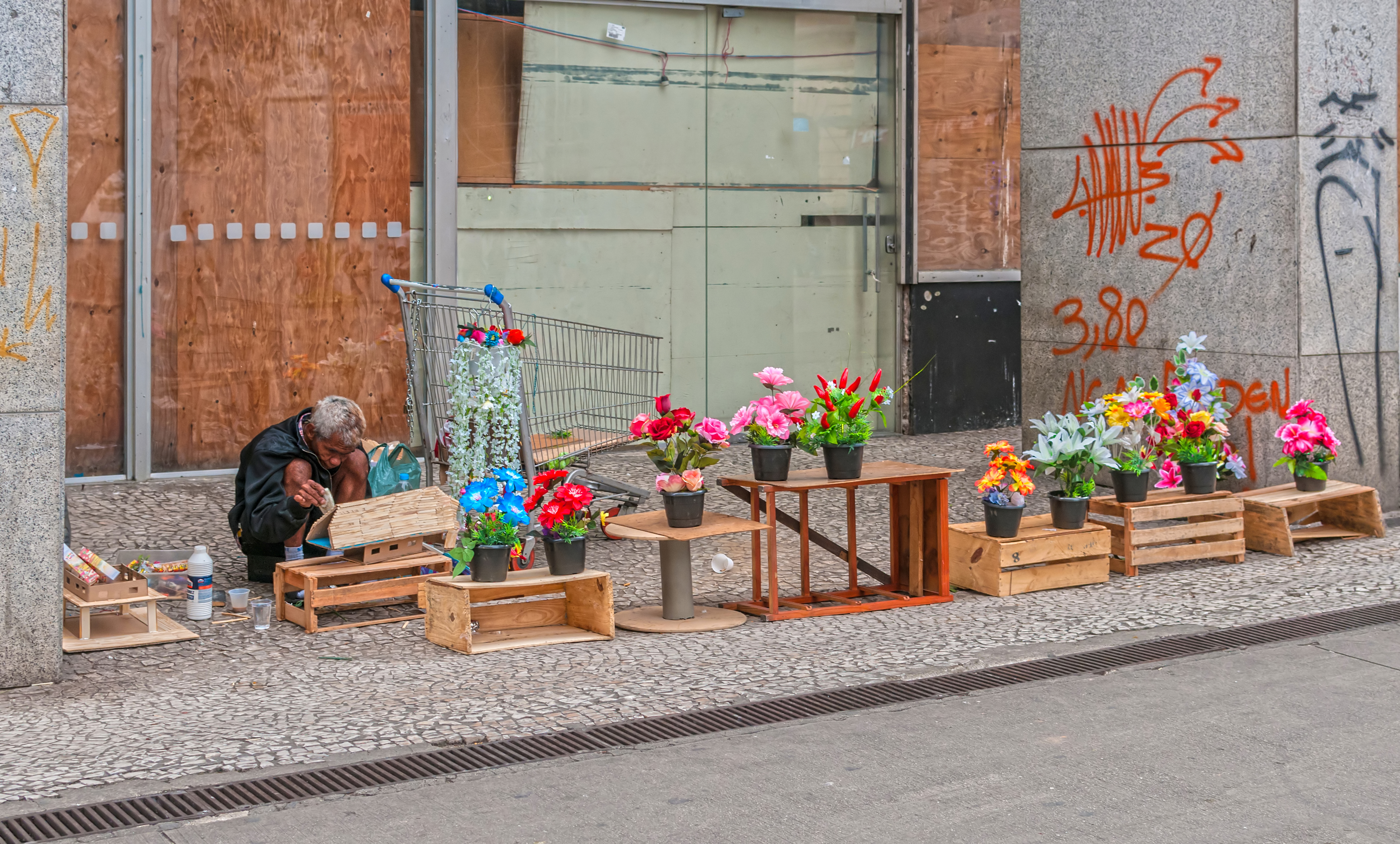
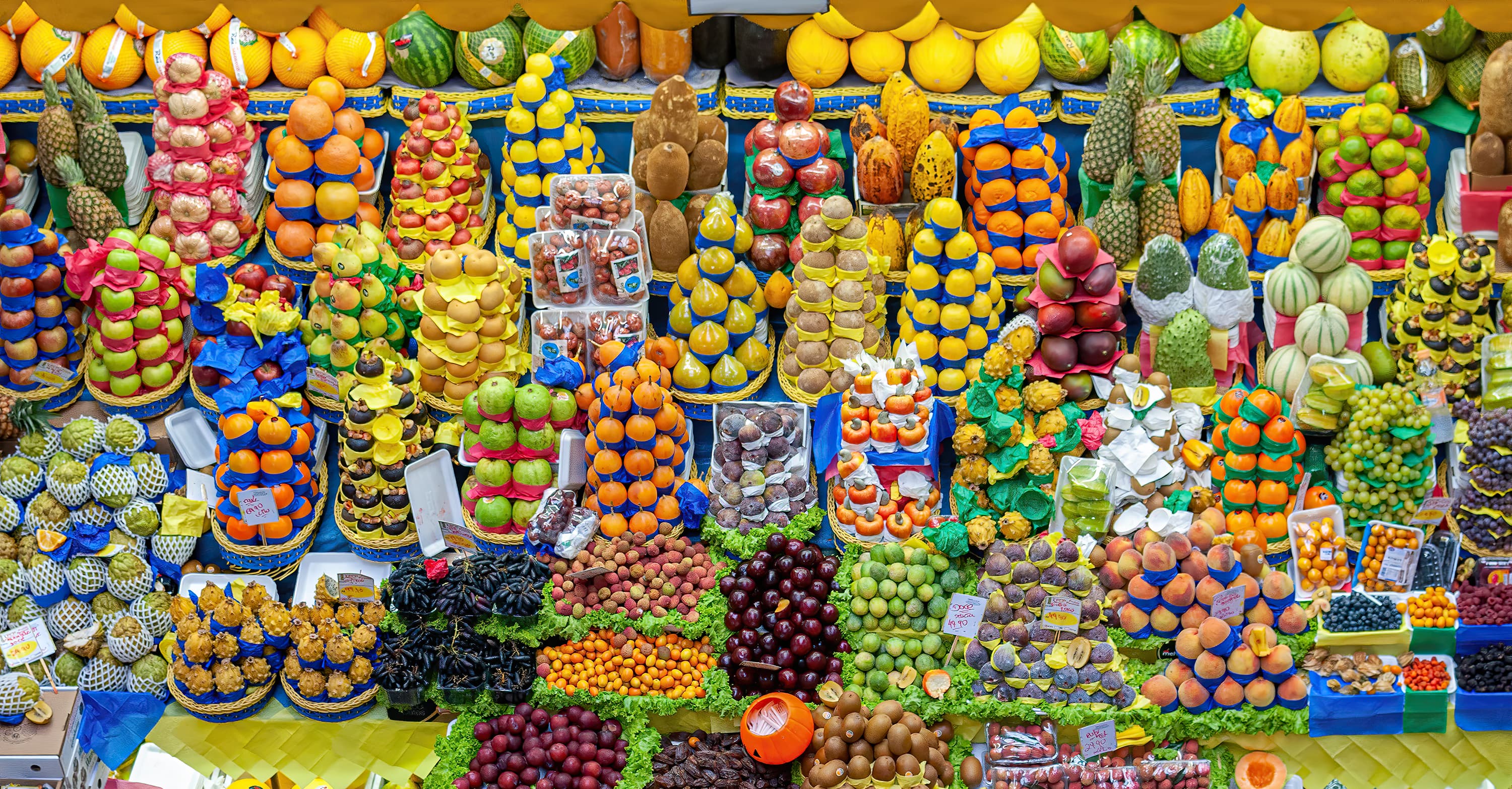
Editorial guide with history, culture, and practical tips to plan your trip.
São Paulo is more than just the capital of the state of São Paulo; it is a cultural and economic epicenter that pulsates with unmatched energy. Its magnitude is globally recognized, being classified by the Globalization and World Cities Research Network (GaWC) as an Alpha Global City. This title is no mere coincidence, but rather the recognition of its monumental international influence across various sectors of modern life.
The city holds the distinction of being the world's most populous urban area outside of Asia, a feat that attests to its ability to absorb and energize unparalleled human diversity. This demographic and economic concentration makes São Paulo a stage where multinational finance meets avant-garde technology hubs, vibrant artistic centers, and global fashion markets.
The Paulistano identity is marked by its resilience and proactive spirit. Its inhabitants are known as Paulistanos, a people who reflect the city's Latin motto: Non ducor, duco — "I am not led, I lead." This phrase captures the essence of an autonomous metropolis, where the creative and entrepreneurial drive of its citizens is the driving force behind its continuous success.
From a historical-cultural point of view, São Paulo has consolidated its reputation by receiving global honors. Its integration into the UNESCO Creative Cities Network as a "City of Cinema" and its recognition as a "World Gastronomy Capital" are just some of the pillars supporting this metropolis's international fame. In summary, visiting São Paulo is diving into an experience of intense vitality, where all facets of global culture manifest side by side.
Although the source does not detail specific historical timelines, it allows us to understand the significance of the name and the profound cultural roots that shaped this metropolis. The very name "São Paulo" is a simple but significant tribute to a historical figure: Paulo de Tarsus. This initial homage marks the city's connection to deeply Brazilian roots.
The growth of São Paulo is intrinsically linked to its growing role in Brazil's commerce and finance. Its evolution into an international economic force is a testament to the adaptability and resilience of its inhabitants. Since its early stages, the city paved the way to become a hub that not only grows but continually redefines patterns of urban and economic development in South America.
The success in attracting international investment and developing sectors such as technology and finance shows continuous historical evolution. This trajectory elevated it to the status of an alpha global city, a status that requires not only material wealth but also robust cultural infrastructure. The history of São Paulo is, therefore, a narrative of ceaseless ambition and increasing multiculturalism.
The recognition as a "City of Cinema" reflects a crucial historical-cultural chapter: the development of the artistic and media sector. This status did not appear by chance; it is the result of forming a sophisticated cultural industry that values art and entertainment in its daily urban fabric.
Paulistano culture is a vibrant mosaic, a direct result of the constant flow of people, ideas, and lifestyles from different parts of the globe. This cultural fusion is perhaps the most fascinating aspect of the experience in the city. Multiculturalism is not just on the streets; it permeates fine dining, visual arts, fashion movements, and all local media.
The concept of "World Gastronomy Capital" encapsulates this cultural diversity through flavors. Dining in São Paulo is a gastronomic map of Brazil and the world, where dishes ranging from traditional Brazilian cuisine to Asian, Italian, or African influences coexist harmoniously in high-end restaurants. Eating here is taking a cultural journey by itself.
Culture also manifests greatly in the area of arts and entertainment. UNESCO's recognition as a "City of Cinema" ensures that cinema, whether art or industry, remains a central element of social life. Theatres, art galleries, and museums operate in synergy with media hubs, creating a rich cultural ecosystem for all tastes.
This intense artistic influence is mirrored in the fashion and technology sectors. São Paulo is not just a business metropolis; it is also a creative laboratory where global trends are generated, tested, and then exported to the world. It is this unique blend of historical tradition with technological vanguard that defines its cultural soul.
Located in the state of São Paulo, the city stands as a geographical hub of continental importance. Although its coordinates are not detailed here, its impact is felt throughout the region and beyond Brazilian borders, characterizing it as a nodal point in South American geopolitics.
From an urban perspective, the vast geographic area that makes up the Paulista metropolis is remarkable for its population density. Being the most populous urban area in the world outside Asia implies a complex territorial organization, where historically established neighborhoods coexist alongside new innovation districts and vertical residences.
This geographical structure allows different sectors—from the financial heart (the commercial axis) to the bohemian artistic hubs—to be connected by a sophisticated urban network. This connectivity is vital for exercising the significant international influence felt in areas like commerce and finance, facilitating the flow of people, capital, and goods.
The city's geographic profile mirrors its function: it is a gigantic economic engine, distributing its power across diverse regions of the planet through its channels of media, technology, and commerce. Its position is not merely physical; it is strategic on the global map of urban development.
As a continental megacity, São Paulo's climate presents significant variations that influence its daily rhythm and outdoor activities. Due to its immense urban mass and high population density, the city possesses a microclimate characteristic of large metropolises.
While specific details of the seasons vary, the general climate is influenced by a combination of tropical heat at certain times with milder temperature fluctuations at others. This characteristic requires both Paulistanos and visitors to be prepared for constant climatic transition.
The climate environment, combined with the city's urban management, creates a scenario where comfort is essential to sustain economic activity 24 hours a day. The influence of climate on tourism is notable, determining the rhythm of outdoor activities and directly impacting the gastronomic experience during certain times of the year.
It is important to note that the city's adaptability to environmental and climatic changes is part of its global resilience. Life in the metropolis is a constant celebration, regardless of climate fluctuations, maintained by the cultural and economic strength of its residents.
Tourism in São Paulo is vast and multifaceted, as the experience of visiting the city encompasses cultural, gastronomic, business, and leisure consumption. The Paulistano takes pride in presenting a metropolis that caters to the most demanding traveler, whether they are a financial investor seeking the global center of decisions or an art enthusiast searching for renowned galleries.
For the gastronomic tourist, the city is a must-visit destination. The title of "World Gastronomy Capital" is supported by a culinary offering that transcends borders and styles. It is possible to find everything from starred tasting menus to authentic street food, representing every color and flavor of the continent.
The cultural dimension attracts the art tourist. UNESCO's integration as a "City of Cinema" means there is a constant itinerary for those who appreciate visual arts, theatre, or Brazilian media history. Museums and galleries are in permanent dialogue with entertainment hubs.
Furthermore, São Paulo is a world-class business destination. Its influence on commerce and finance attracts international professionals, moving hotels, services, and the events sector. For those seeking the energy of urban dynamism, the city offers a dizzying and stimulating experience.
Tourism in São Paulo is, therefore, an immersion into the complexity of modern urban life: it's where finance meets exotic flavors, and where artistic legacy coexists with cutting-edge technology.
One of the most striking facts about São Paulo is its reputation as an unparalleled social laboratory. It is a city that does not merely attract people; it transforms them through constant contact with diversity and the intensity of its pace of life.
The Latin motto "Non ducor, duco" ("I am not led, I lead") perfectly encapsulates this spirit: the Paulistano is an active agent, an engine that moves the city. This autonomous and entrepreneurial mindset is the secret to its rise to Alpha Global City status.
It is worth mentioning the depth of international influence exercised by the metropolis in diverse sectors such as fashion, entertainment, and arts. This shows that São Paulo does not content itself with being just a large market; it is a *creator* of global trends.
The city's name, a tribute to Paulo de Tarsus, adds a layer of personal history to the modern grandeur. This fusion between the honored figure and the megalopolis that developed in his memory is part of the city's fascinating mystery. Paulistanos keep this legacy alive while advancing on the global vanguard.
In summary, São Paulo is a vibrant paradox: a city of global dimensions carrying the soul and heart of its local culture. It is the destination where ambition meets art on every corner, guaranteeing an unforgettable experience for any traveler.
Everything you need to know to plan your trip
Language
Portuguese
Recommended stay
3 days
Reference figures to help plan your trip
Attractions
9
Selected stays available to book
Hotels and experiences in the area
Everything you need to know to plan your trip
São Paulo is the capital of the Brazilian state and exercises significant international influence in areas such as commerce, finance, culture, gastronomy, fashion, and technology.
It is classified by the Globalization and World Cities Research Network (GaWC) as an 'Alpha Global City' due to its great influence across various international sectors.
The city was integrated into the UNESCO Creative Cities Network as a "City of Cinema" and also holds the title of "World Gastronomy Capital."
It is one of the most populous urban areas in the world outside Asia, with an estimated population of approximately 11.8 million inhabitants.
The inhabitants of São Paulo are known as Paulistanos. The name honors Paulo de Tarsus, and its Latin motto is Non ducor, duco ('I am not led, I lead').
Extend your trip to incredible destinations nearby
We personalize every moment of your journey — from iconic landmarks to hidden cultural gems.
Available 24/7 · Personalized consultations · Local expertise
Updated on June 7, 2026
Sources