Ilhabela
Destination
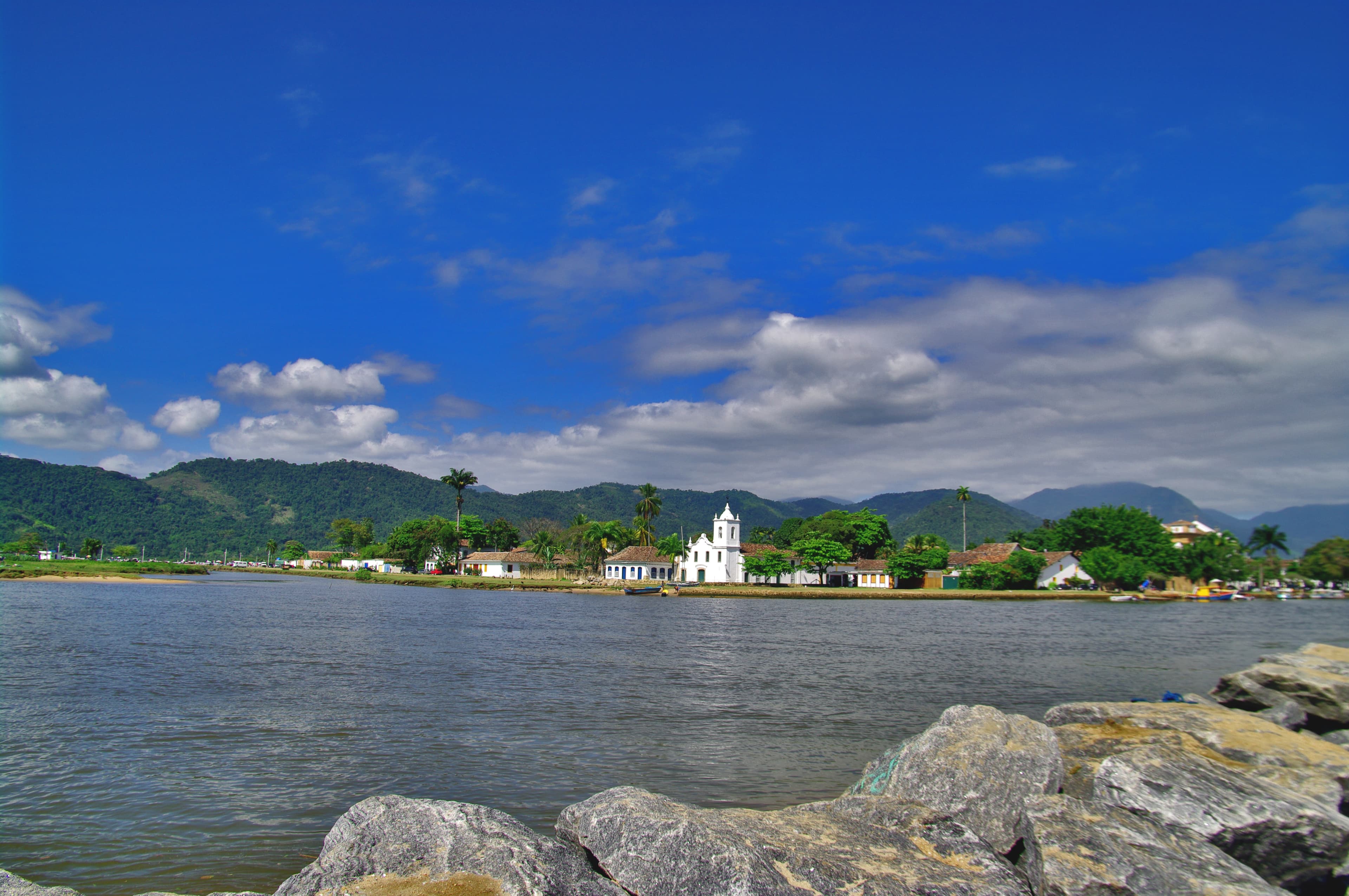
Discover Ilhabela, one of the most beautiful marine archipelagos on SP's north coast. Explore paradise beaches, waterfalls, and island life charm.
Ilhabela · SP · Brasil
Photos
Discover the landscapes and culture of Ilhabela
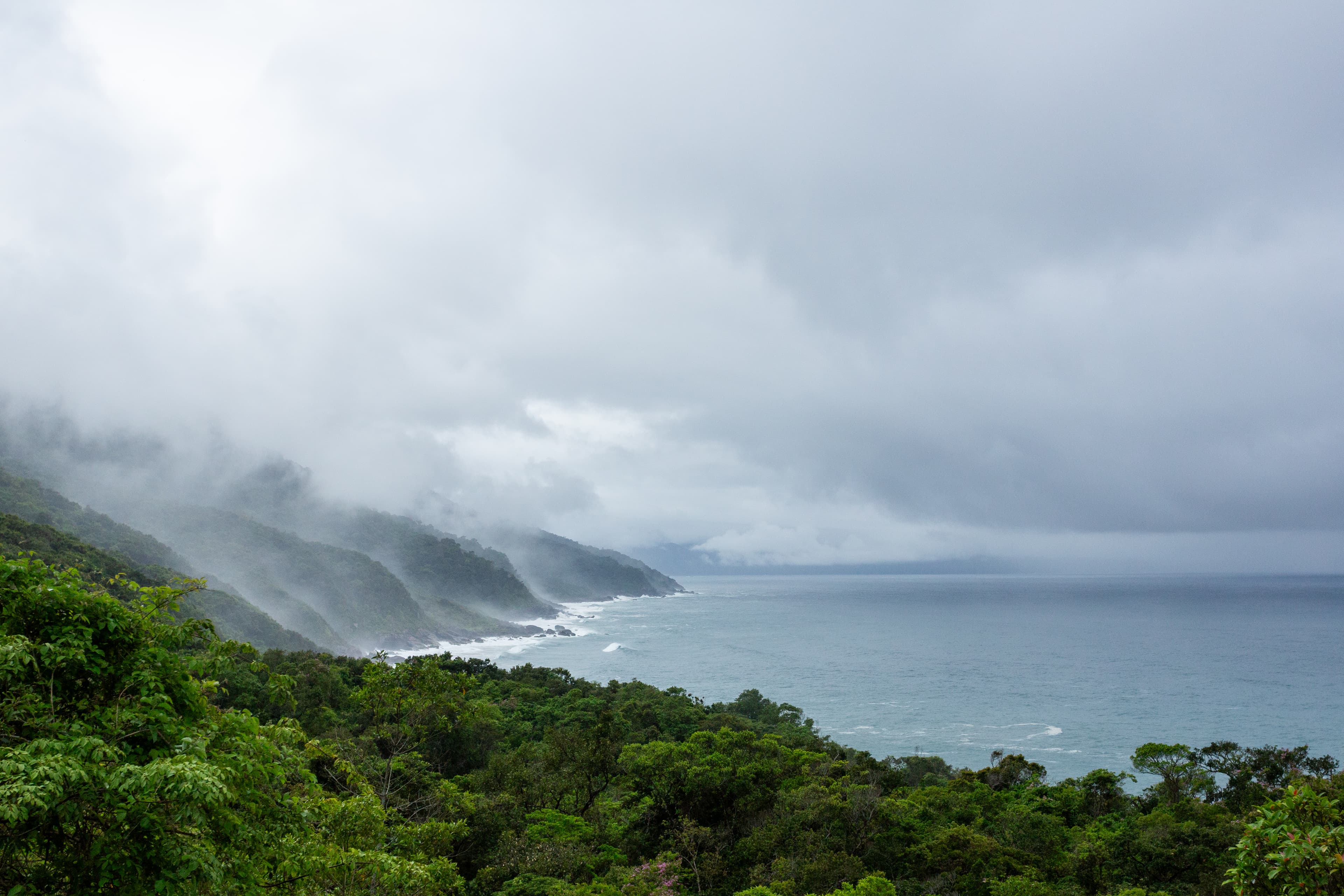
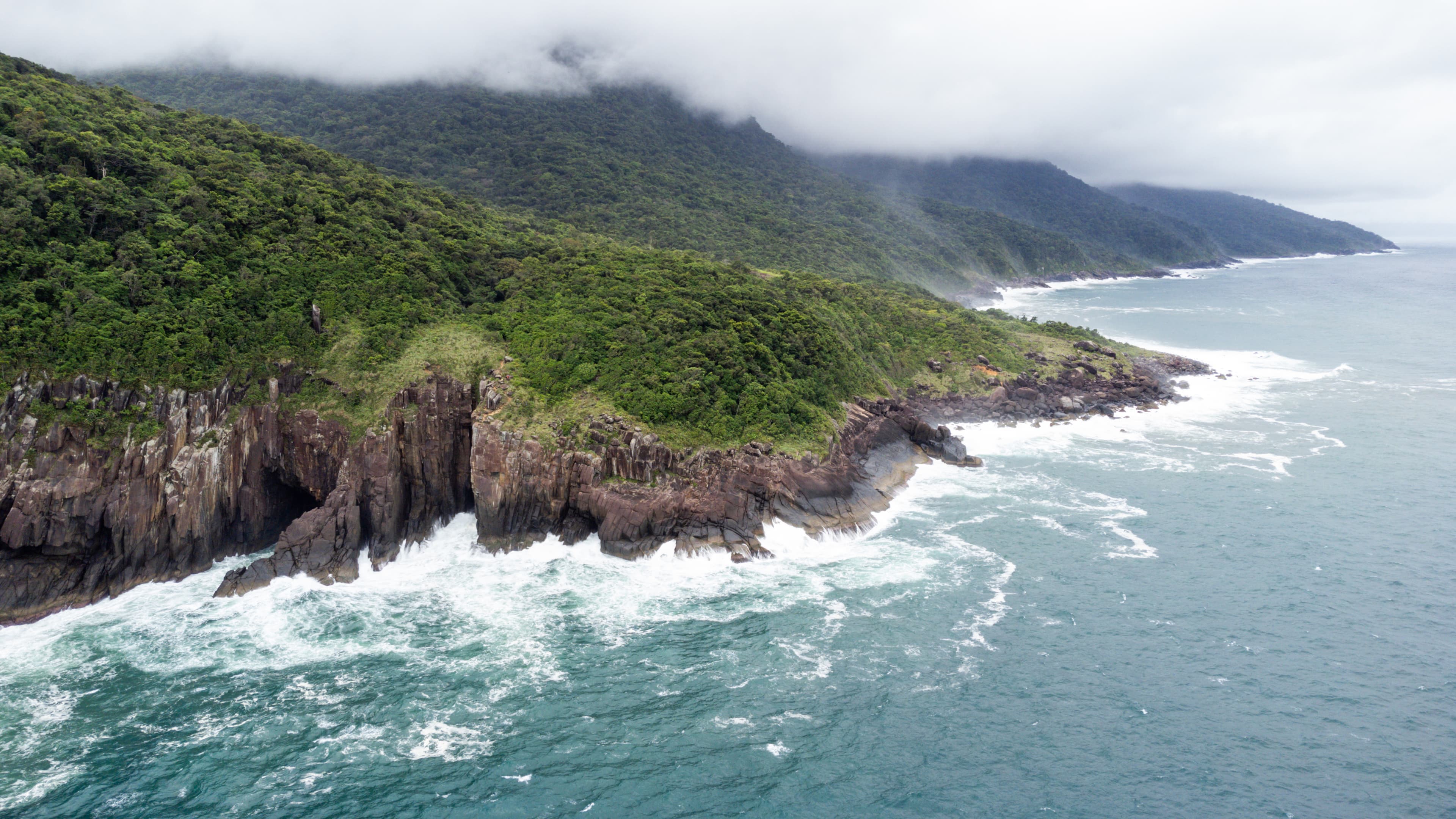
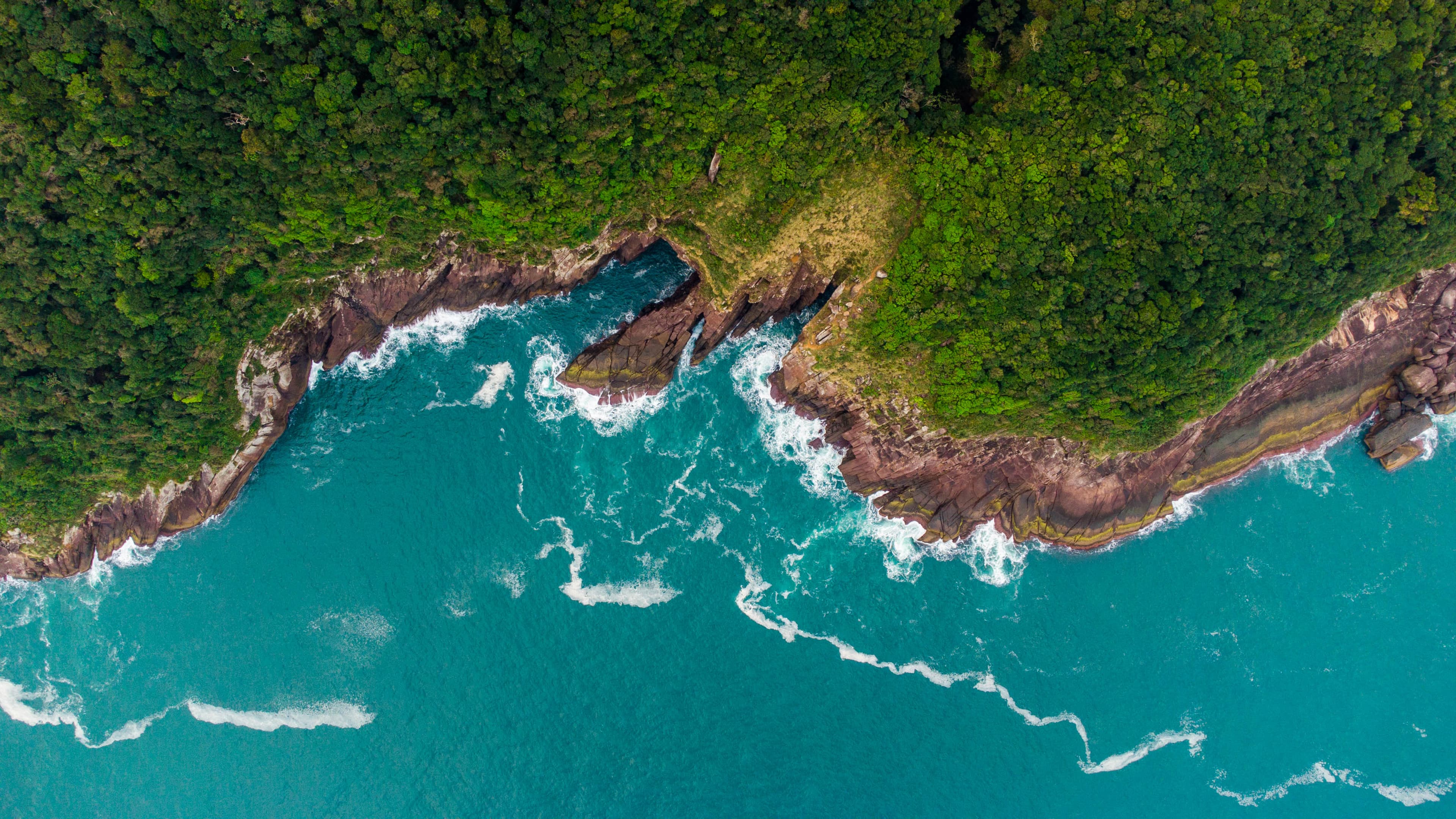
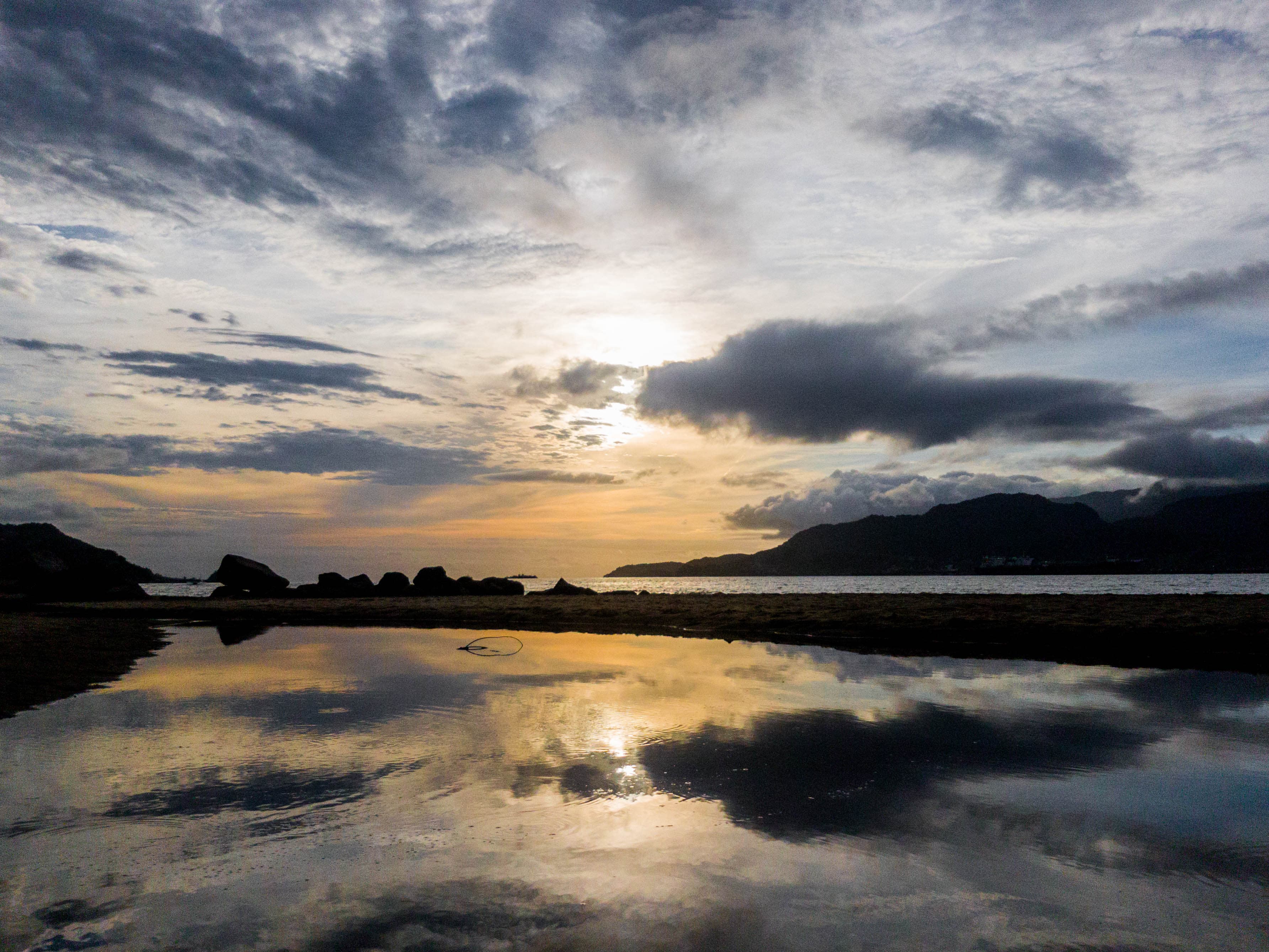
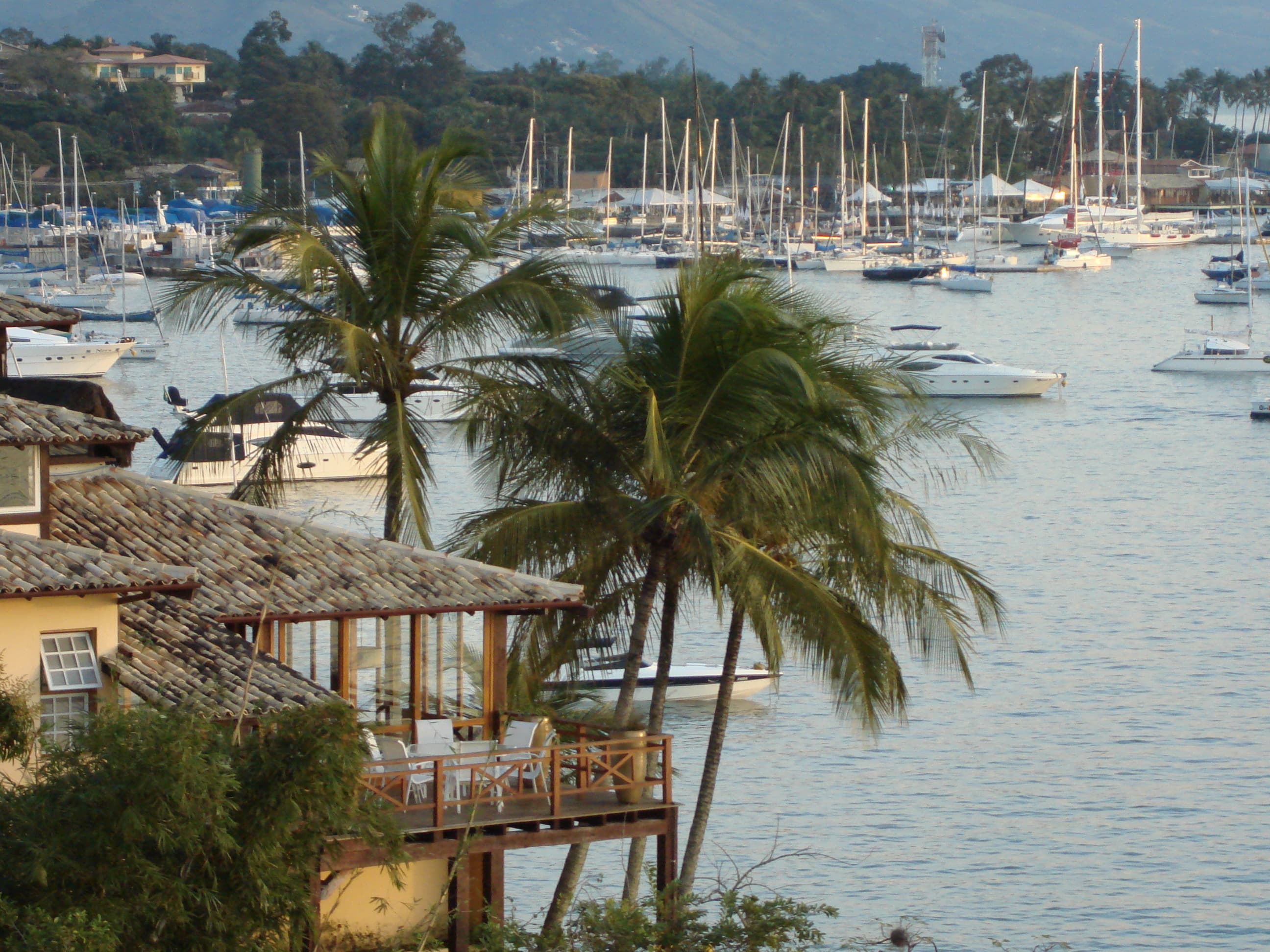
Editorial guide with history, culture, and practical tips to plan your trip.
Ilhabela is a destination of singular beauty and geographical importance on the north coast of São Paulo state. More than just a coastal municipality, it represents one of the most notable manifestations of a marine archipelago within Brazilian limits. This characteristic makes it a unique example nationally, giving it an identity intrinsically linked to the ocean and insular complexity.
In demographic terms, Ilhabela has a population that, according to the 2022 Census data, reached 34,934 inhabitants. This population number is distributed across vast and diversified territory, resulting in an estimated density of 100.9 people/km². This population distribution is notable because it develops over a geographical matrix composed not only of the main seat but also the established districts of Cambaquara and Paranabi. The municipal administrative structure reflects its territorial dispersion, embracing these communities that coexist in a typically insular environment.
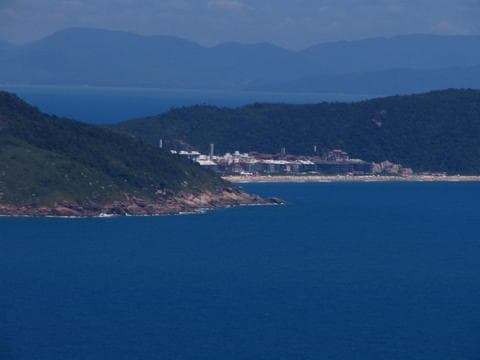
The true magnitude of Ilhabela lies in its physical form: the archipelago is composed of a robust set of 19 islands, supplemented by various islets and reefs (lajes). It is this complex composition that defines the experience of living and the tourist charm of the location, presenting a natural tapestry where land and sea meet in constant dialogue.
Although the provided factual data does not detail a deep historical timeline, it is possible to infer that Ilhabela's history is umbilicaly linked to its archipelago nature. The municipality built its existence on a foundation of islands and shoals, with its development shaped by the dynamics of the sea and the gradual colonization of these lands.
The municipality is recognized as one of the only Brazilian examples of this type of territorial organization: an archipelagic municipality. This uniqueness suggests an occupation trajectory that required the simultaneous integration and development of multiple isolated communities, such as Cambaquara and Paranabi districts, alongside the main seat. The formation of these communities in different island centers is a fascinating historical chapter about human resilience and adaptation to the marine environment.
The existence of the 19-island archipelago, along with its countless islets and reefs, implies a rich geological history that shaped the current landscape. Life on São Paulo's north coast, particularly in Ilhabela, is a living testament to the interaction between the natural force of the ocean and human permanence, establishing a past marked by navigation, fishing, and trade that crossed its waters.
Ilhabela's culture is profoundly marked by its insular context. Living in a municipality composed of a unique archipelago implies a way of life rooted in the rhythm of the tides, the force of the wind, and constant interaction with the Atlantic Ocean. This maritime vocation permeates everything from customs to the local economy.
The cultural identity is shaped by the cohabitation of the diverse communities that form the municipality. The main seat, along with Cambaquara and Paranabi, represents a mosaic of Paulista traditions adapted to island life. This diversity results in palpable cultural richness, where architecture, ways of speaking, and local festivities reflect both continental roots and the relative isolation provided by the sea.
Ilhabela's culture celebrates nature first. The inhabitants have developed deep respect for the environment, since their very livelihood is intrinsically linked to the preservation of the 19 islands and the surrounding reef ecosystem. This intimate relationship between man and sea is the most evident cultural pillar of the region.
Located on the strategic north coast of São Paulo state, Ilhabela boasts a unique geographical formation: an archipelago municipality. It is not limited to a single coastal strip, but rather a complex system of multiple land masses separated by ocean waters.
Geometrically, the territory is defined by its composition. The municipality encompasses the main seat and the well-established districts of Cambaquara and Paranabi. However, what defines the physical space is its insular core: a magnificent set formed by 19 principal islands, in addition to countless smaller islets and reefs (lajes). This geographical distribution makes Ilhabela an area of extremely high landscape diversity.
The estimated population density of 100.9 people/km² reflects how human settlements have established themselves over this vast insular territory matrix. The challenge and charm of the municipality lie precisely in this coexistence of urban centers (seat, Cambaquara, Paranabi) with preserved natural areas covering the multiple islands, guaranteeing a richly supplied and dramatically beautiful geographical setting.
As an archipelago located on São Paulo's north coast, the climate in Ilhabela is typically tropical, with strong maritime influences that moderate temperatures throughout the year. The constant sea breeze provides a characteristic freshness and contributes to maintaining a vibrant atmosphere.
The climatic characteristics are highly variable due to the arrangement of the 19 islands, as every point in the insular geography can present distinct microclimates. This variation is part of the local charm, allowing visitors to find everything from sunny beaches to more protected and cooler coves.
While there are no details on seasonality in the source material, the insular nature implies a strong influence from oceanic air masses. This means that the climate tends to be humid and subject to the unpredictable beauty of sea weather, offering spectacular landscapes in various climatic conditions throughout the year.
Tourism in Ilhabela is inseparable from its maritime vocation. As one of the few archipelagic municipalities in Brazil, the destination attracts visitors seeking a perfect combination of adventure, wild nature, and the comfort of established centers like the main seat, Cambaquara, and Paranabi.
The main tourist attraction is precisely its geographical complexity. Exploring Ilhabela means navigating a system of 19 islands, discovering beaches on isolated reefs and secret coves. This structure encourages water activities such as boat trips, diving, and stand-up paddleboarding, allowing direct contact with rich marine biodiversity.
Despite the high estimated population density (100.9 people/km²), which ensures growing infrastructure in the urban areas of the districts, the tourist focus remains on preservation. Visitors can enjoy ecological trails and viewpoints with panoramic views over the entire archipelago, experiencing the feeling of being in an almost untouched natural refuge. The combination of easy access to urban centers (seat) with the vastness of the island beaches guarantees a complete experience for all types of traveler.
The most notable and curious aspect about Ilhabela is its unique title: it is one of the rare municipalities configured as a marine archipelago within Brazilian territory. This geographical feature gives the place a singularity that raises it to a national prominence.
The administrative composition, divided between the main seat and the recognized districts of Cambaquara and Paranabi, adds another layer of curiosity. The municipality is, in practice, a set of island communities united under the same administration but which have maintained their local identities on each of the 19 principal islands and their accessory reefs (lajes).
Demographically, the estimated population of 34,934 inhabitants is distributed over a vast and geographically fragmented space. One must imagine how this population interacts daily with the ocean to survive and thrive, making this constant interaction (tides, climate, navigability) the primary driving force of the municipality. Ilhabela is, therefore, a living lesson in insular geography.
Everything you need to know to plan your trip
Language
Portuguese
Reference figures to help plan your trip
Attractions
9
Selected stays available to book
Hotels and experiences in the area
Everything you need to know to plan your trip
Ilhabela is a marine archipelago, situated on the north coast of the state of São Paulo.
The archipelago is composed of 19 islands, in addition to islets and reefs.
It is one of the only marine archipelago municipalities in Brazil.
It consists of the main seat (sede) and the districts of Cambaquara and Paranabi.
According to the 2022 Census, the municipality's population is 34,934 inhabitants, resulting in an estimated density of 100.9 people/km².
Extend your trip to incredible destinations nearby
We personalize every moment of your journey — from iconic landmarks to hidden cultural gems.
Available 24/7 · Personalized consultations · Local expertise
Updated on June 7, 2026
Sources