Bento Gonçalves
Destination
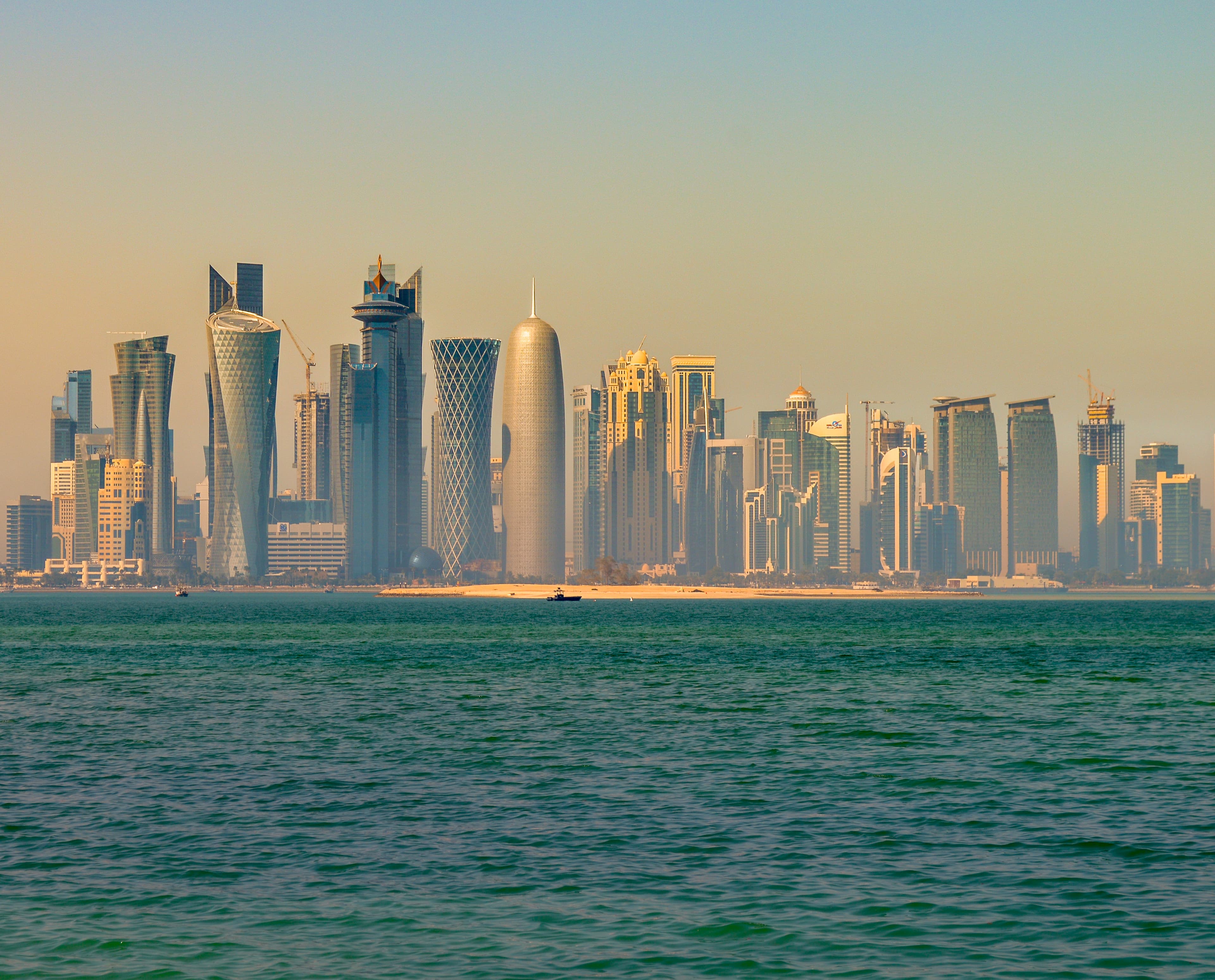
Visit Doha, Qatar's vibrant capital. Explore modern skyscrapers and luxury along the Persian Gulf coast. Discover this booming economic hub!
Doha · Brasil
Photos
Discover the landscapes and culture of Doha
Editorial guide with history, culture, and practical tips to plan your trip.
Doha, sometimes referred to by the name Doa, is the city that holds the title of capital and stands as the population epicenter of the State of Qatar. More than just an administrative location, Doha represents a vibrant and constantly expanding hub, consolidating itself as the largest urban cluster both within the municipality and generally across the country. Its relevance transcends geographical limits; it is the primary economic engine for all of Qatar. It is estimated that only within the strictly defined area of Doha reside approximately 956,457 inhabitants, an impressive number in itself. However, when considering the entire population of the region and its immediate surroundings, this total figure approaches 2.3 million people, demonstrating a significant population density that drives its daily dynamics.
Doha's demographic aspect is notably growing. The city is recognized as the center of greatest demographic growth in all of Qatar. This accelerated trajectory means that an extremely considerable portion of the country's total population — exceeding 50% — has roots or resides in the Doha metropolitan area and neighboring regions. This vast contingent not only sustains local infrastructure but also shapes the economic and social profile of the capital.
The geographical location is crucial for understanding its central role. Strategically situated on the coast of the Persian Gulf, in Qatar's eastern quadrant, this coastal position does not only determine its historical trade activities (linked to maritime commerce) but also places it on a path of intense global circulation, reinforcing its identity as an indispensable economic center for the Middle East and beyond.
While provided sources do not detail the region's millennia of history, it is impossible to discuss Doha without recognizing its transformation into a modern focal point of development. Its recent narrative is intrinsically linked to its continued capacity for growth and its role as the country’s main economic center. Doha's trajectory reflects rapid evolution, undergoing structural transformations that have allowed it to attract and support millions of inhabitants, solidifying it as the megalopolis it is today.
The determining factor in its recent history is, undoubtedly, exponential population growth. Being at the forefront of Qatar’s largest urban growth is not just a statistic; it tells the story of a country that invested heavily in its urban center, making it the epicenter of all economic activities. The need to accommodate and serve more than half of the total national population within or near its metropolitan area forced and shaped highly verticalized and technologically advanced urbanization.
Its location on the eastern coast, bathed by the Persian Gulf, suggests that the city's historical development has always been linked to maritime trade. This port tradition found new impetus in the modern economic landscape, making Doha not just an inhabited city, but also a global commercial influence pole. It is this fusion between geographical heritage and economic ambition that defines its continuous history.
Doha's culture is a rich and dynamic mosaic, directly influenced by its status as a vibrant economic center and massive population concentration. Living in a metropolis where more than half of the country's inhabitants reside or move in the surrounding areas means that the city functions as a cultural melting pot. This constant mixture is the engine of its contemporary identity.
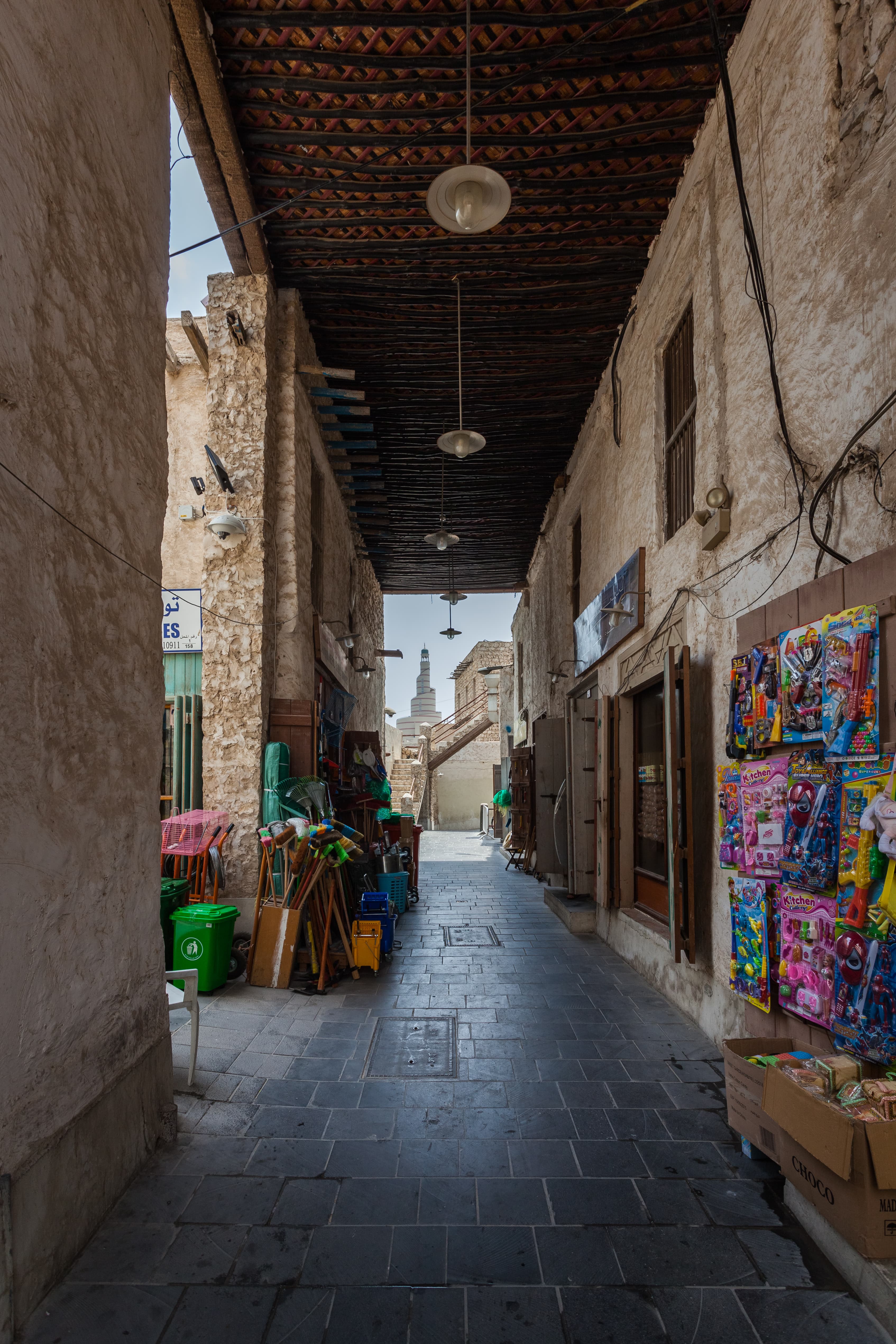
Although local cultural characteristics remain present, the economic dynamism and population growth ensure a remarkable cosmopolitan atmosphere. The aspect of being an economic hub attracts professionals and individuals from diverse parts of the globe, enriching the city's artistic, gastronomic, and social scene. This diversity is reflected in the architecture itself and in observed lifestyles.
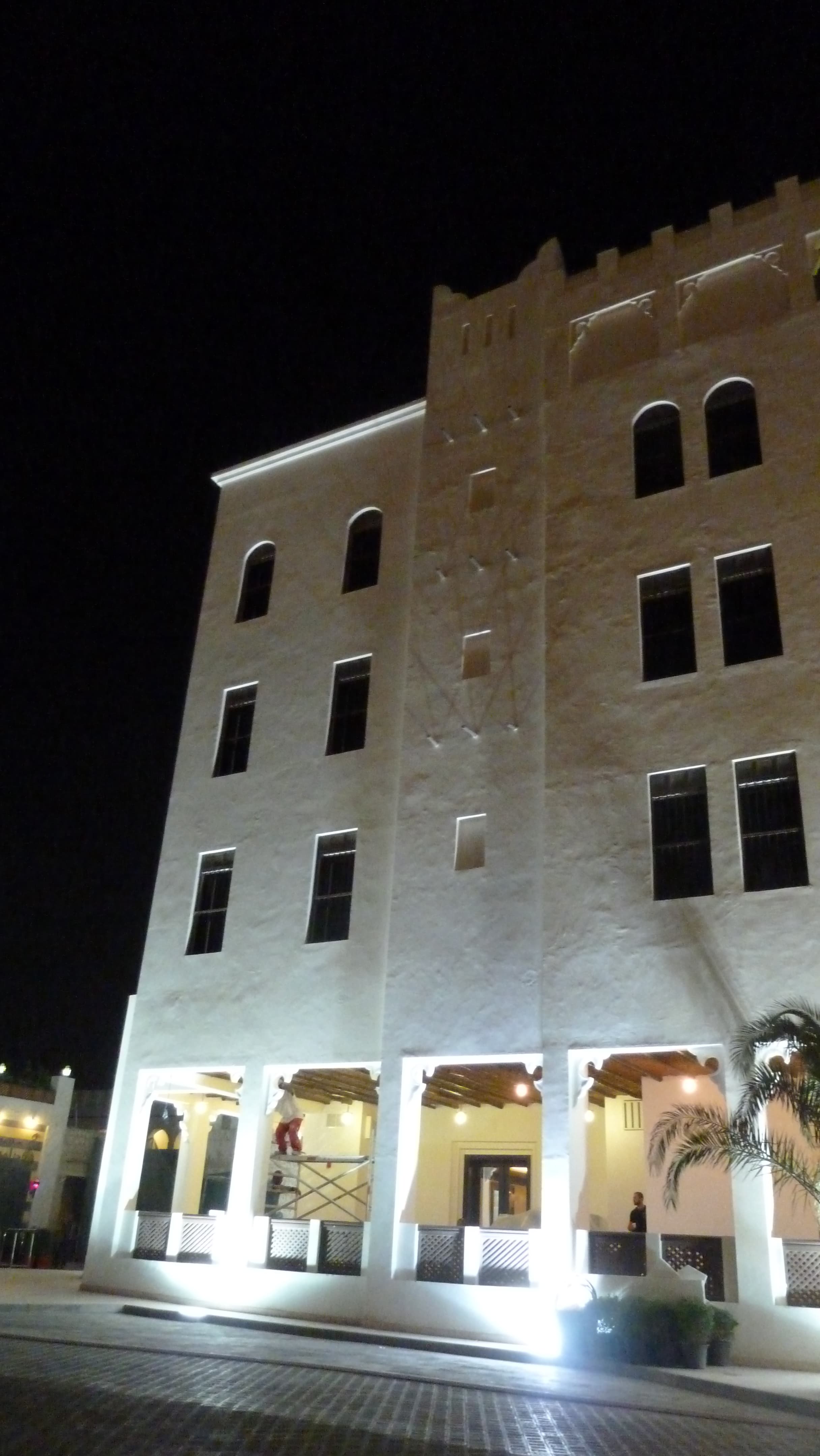
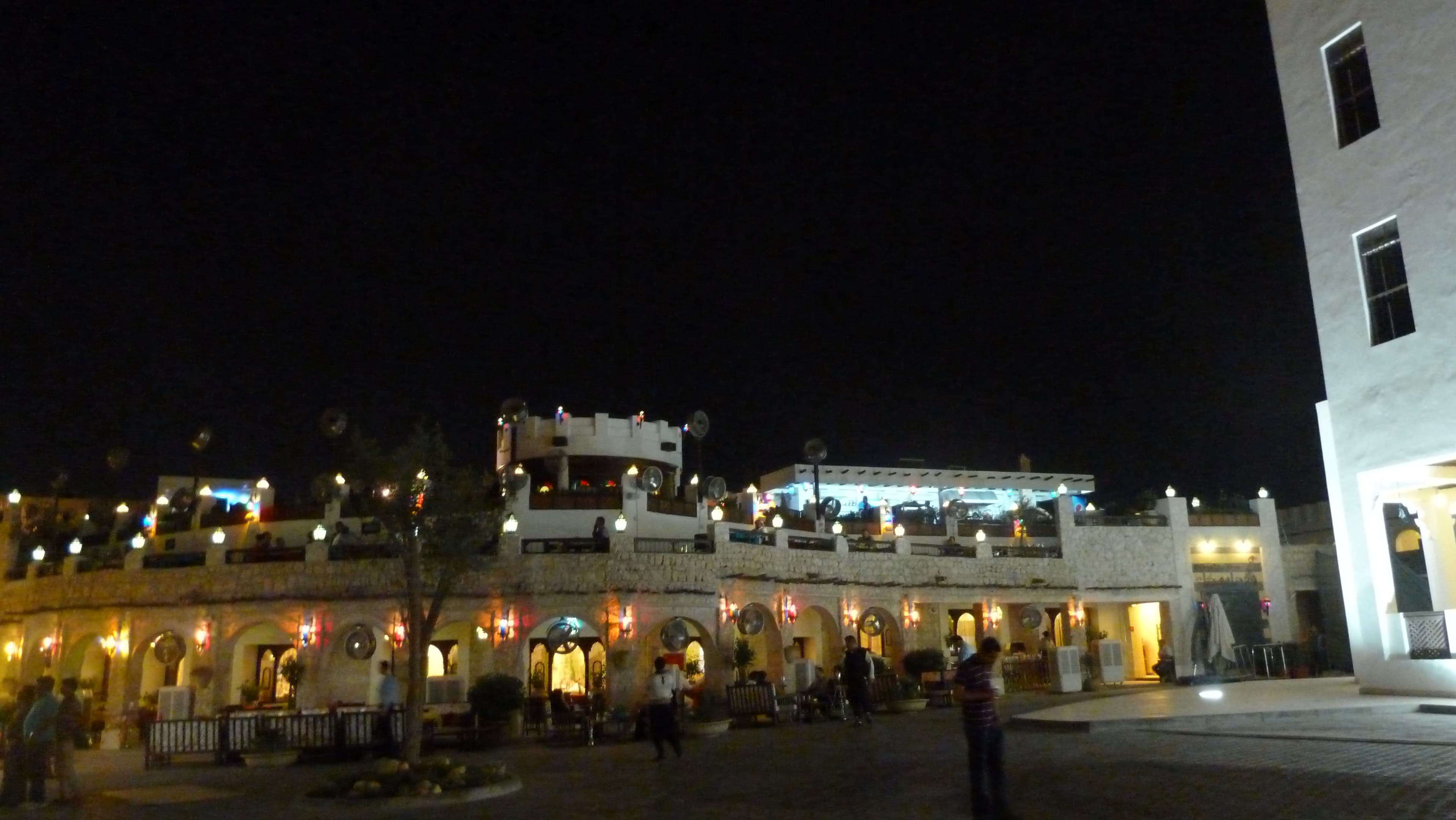
Culture in Doha is deeply intertwined with its Persian Gulf coastal environment. Man’s relationship with the sea and maritime activities shapes traditions, celebrations, and even local cuisine. However, at the same time, this same area becomes the stage for cultural advancement driven by economic wealth. Modern institutions and new urban developments incorporate elements of traditional Qatari life with an architectural and social vanguard that dialogues directly with its global status. It is a fascinating balance between preserving roots and accelerating the future.
Doha occupies a strategic geographical position in the State of Qatar, being notably situated on the eastern coast of the country. This coastal location is not accidental; it defines the commercial interactions and environmental aspects of the metropolis. Direct contact with the Persian Gulf establishes Doha as a natural port of influence and trade.
In demographic terms, Doha's urban geography supports massive human concentration. This is where the impressive statistic manifests: more than 50% of Qatar’s total population resides in Doha or surrounding areas. This high population index within a limited geographical space gives the city typically metropolitan characteristics, where infrastructure and urban planning must be extremely efficient to meet the needs of about 2.3 million people in the region.
The physical environment is characterized by its proximity to the Persian Gulf water. This sea-city interface not only shapes the climate (as explored further) but also acts as a driving force for economic development, connecting Doha to the vital maritime routes of the region. Thus, Doha's geography is synonymous with convergence: population, economy, and commerce converge in an eastern focal point of Qatar.
Although provided sources focus more on demographics and the economic aspect, Doha's geographical positioning—on the eastern coast of the Persian Gulf—implies climatic characteristics typical of a semi-arid coastal region. The climate is expected to be hot in almost all seasons, with the influence of the Gulf being a crucial modulating factor.
The proximity to the sea generally mitigates thermal extremes, providing sea breezes and relative humidity that soften both heat peaks and milder periods. However, as is typical for the Arabian Peninsula climate, solar intensity and high temperatures are permanent hallmarks. Accelerated urban development also imposes climatic and environmental challenges, requiring advanced architectural and engineering solutions to mitigate heat and optimize outdoor spaces.
In summary, Doha's climate is a combination of the resilience of the internal semi-arid environment and the constant, moderating influence of the Persian Gulf on its eastern facade. This natural climate factor shapes not only the daily routines of its inhabitants but also the city's landscape and architecture design, always seeking to integrate human comfort with maritime natural elements.
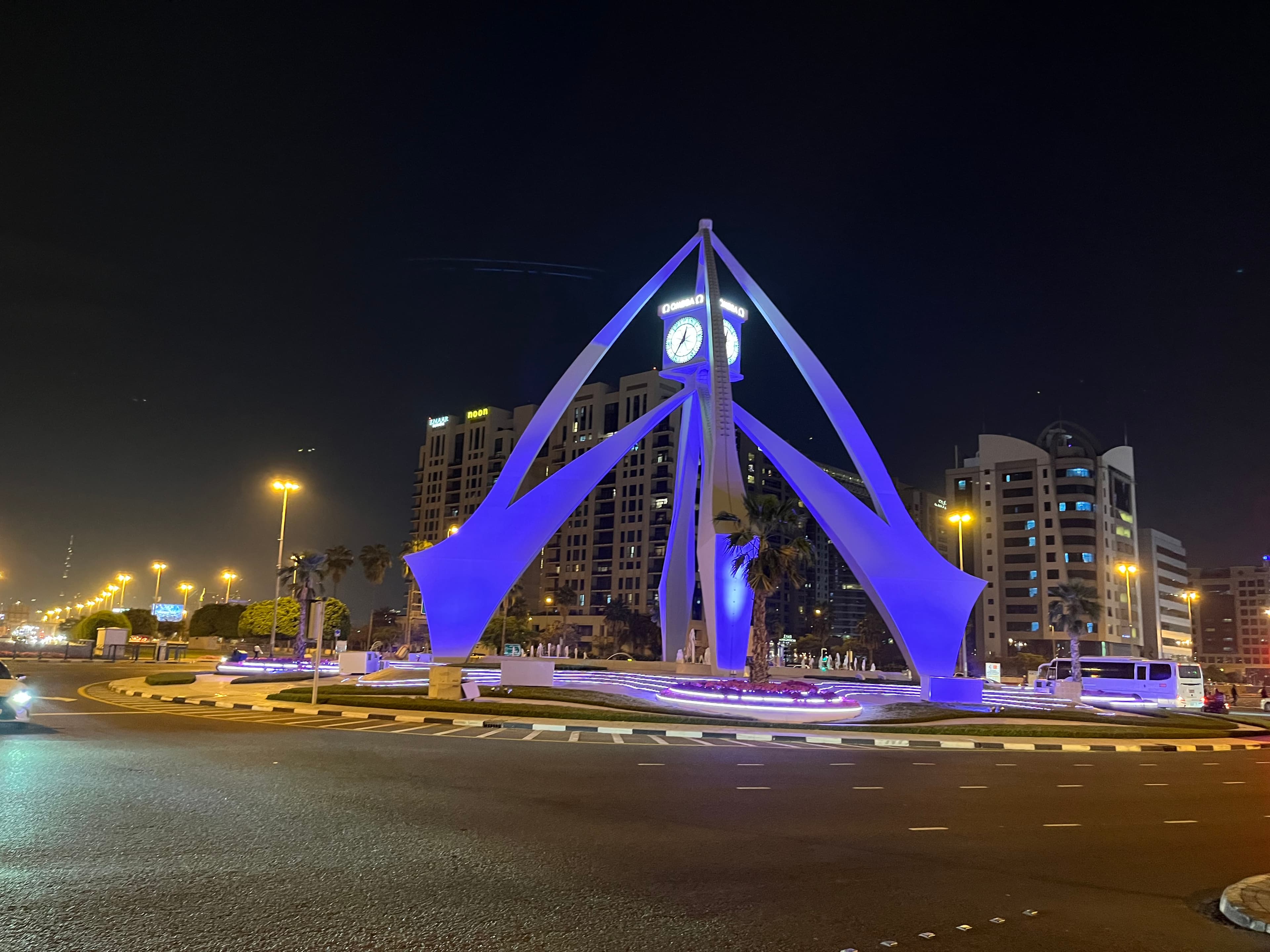
As Qatar’s most prominent economic center, Doha offers a tourist experience that is simultaneously modern, luxurious, and profoundly connected to its strategic location. The main attraction does not reside only in a single isolated historical point of interest, but rather in the grandeur of contemporary infrastructure and the vibrant rhythm of multicultural life.
Continuous economic growth has channeled vast investments into the urban and tourism sectors. Visitors are greeted by an architectural landscape that exemplifies the fusion between global cutting-edge design and regional cultural elements. This state-of-the-art infrastructure attracts tourists interested in luxury, international shopping, and high-end culinary experiences.
The touristic aspect is strongly influenced by its coastal position on the Persian Gulf. Boat tours, maritime events, and observing life along the coastline are central activities. For the traveler, Doha offers a unique panorama: one can absorb the energy of an overpopulated megacity — with more than 2.3 million people in the region— while enjoying the relative tranquility of the beaches and promenades that line the Gulf. Tourism in Doha is thus a direct reflection of its economic success and massive urban planning capability.
Doha holds statistical data and unique facts that make it a must-stop for travel curiosity. Firstly, it holds the title of being both the capital and the most populous city in the State of Qatar, giving it a unique status in terms of urban development.
One of the most impressive figures is its demographic growth rate. Classified as Qatar's fastest-growing city, this underlines its unprecedented dynamism. This growth is not merely a population flow; it is an indicator of the city's relentless economic success and appeal.
The population-to-area ratio also deserves mention: in Doha, or its immediate surroundings, lives more than half (exceeding 50%) of all inhabitants residing throughout Qatar. This high index reflects the consolidation of its role as a vital and undeniable center for the entire nation.
Finally, it is impossible to speak of Doha without mentioning its crucial geographical location. Being positioned on the eastern coast of the Persian Gulf not only gives it a stunning landscape but also places it directly in a globally recognized trade axis. This combination of factors makes Doha a fascinating case study on how modern economic growth redefines and elevates the cultural and geographical profile of a nation.
Everything you need to know to plan your trip
Reference figures to help plan your trip
Hotels in the area
111
Attractions
9
111 properties in the area
Hotels and experiences in the area
Everything you need to know to plan your trip
Doha is located on the Persian Gulf coast, in eastern Qatar.
It is the capital and economic center of the country.
The city itself has about 956,457 inhabitants, but the total population in the surrounding areas reaches nearly 2.3 million.
Doha is Qatar's fastest-growing city, housing more than 50% of the national population (in the city or its surroundings).
Yes, it can also be called Doa.
Extend your trip to incredible destinations nearby
We personalize every moment of your journey — from iconic landmarks to hidden cultural gems.
Available 24/7 · Personalized consultations · Local expertise
Updated on June 7, 2026
Sources