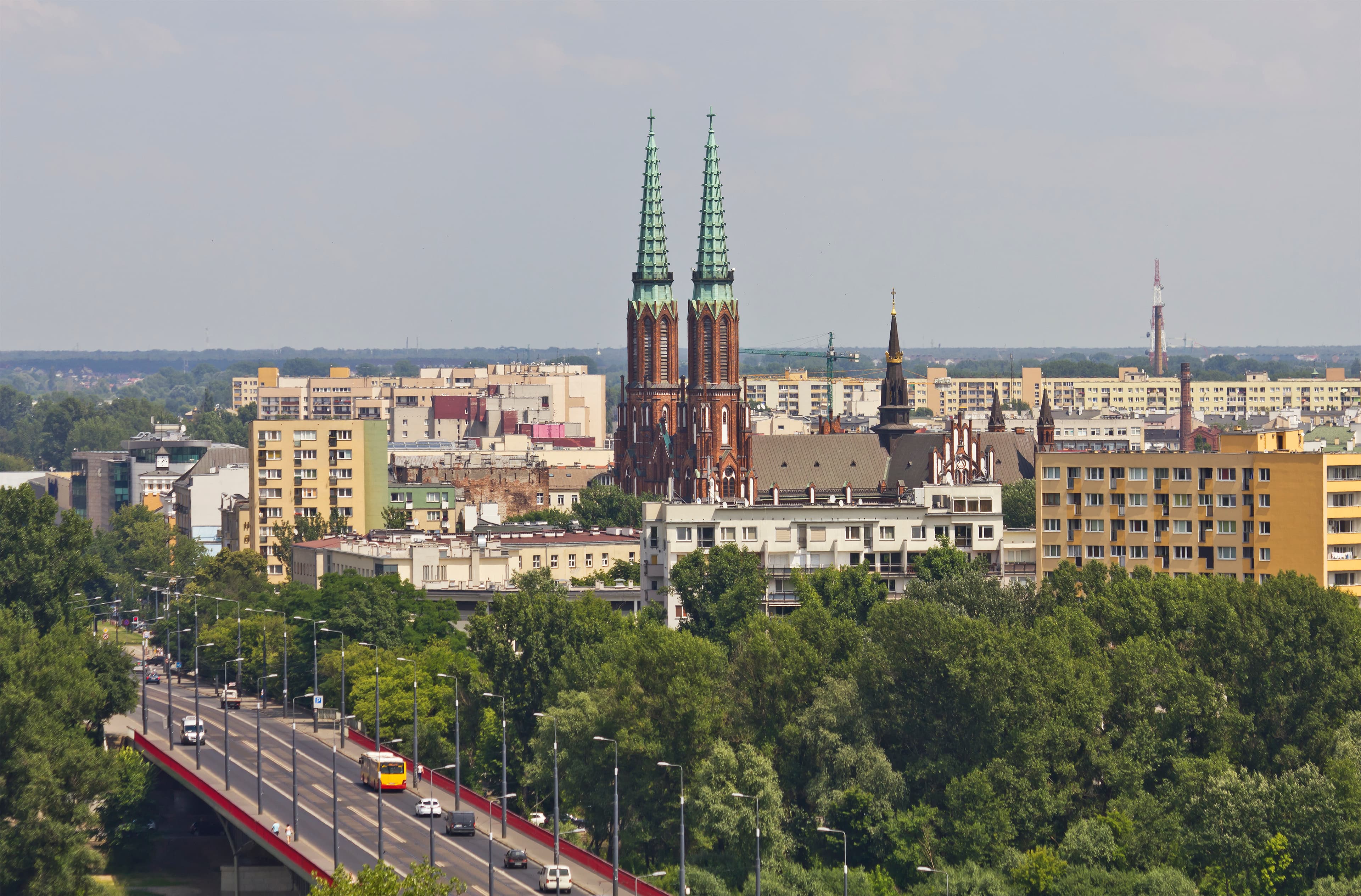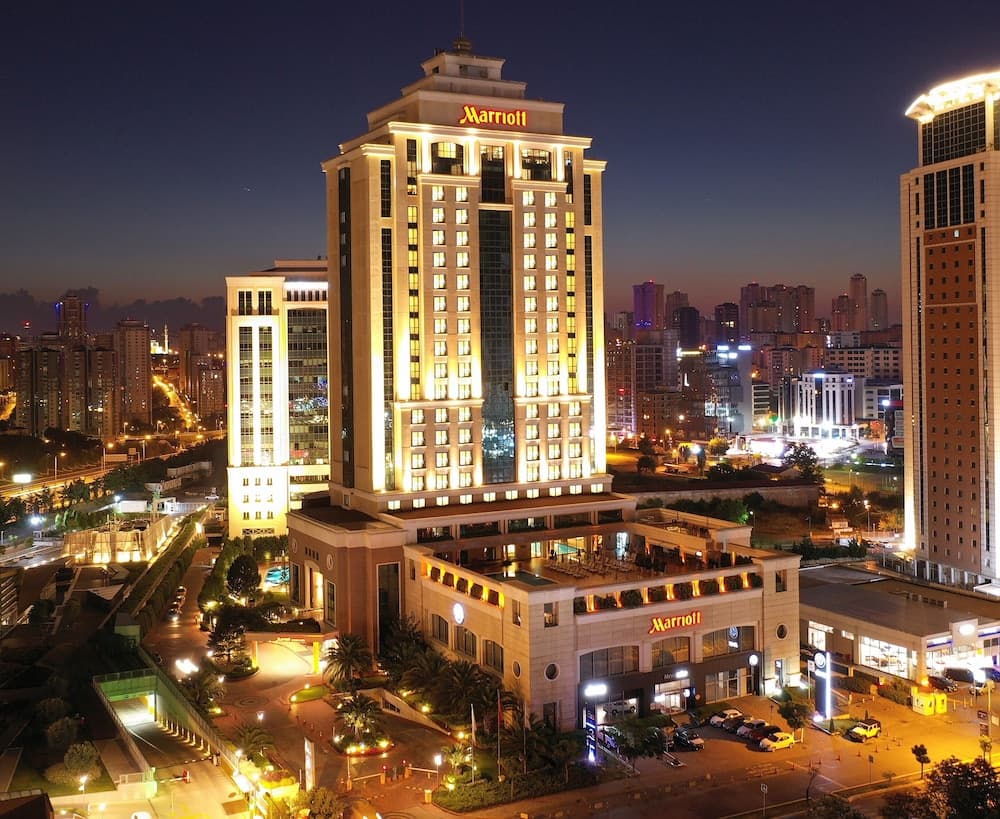
Istambul
Destination
Discover Istanbul, the bridge between continents! Experience the history of Constantinople in a unique cultural melting pot in Turkey.
Istambul · Brasil
Photos
Discover the landscapes and culture of Istanbul
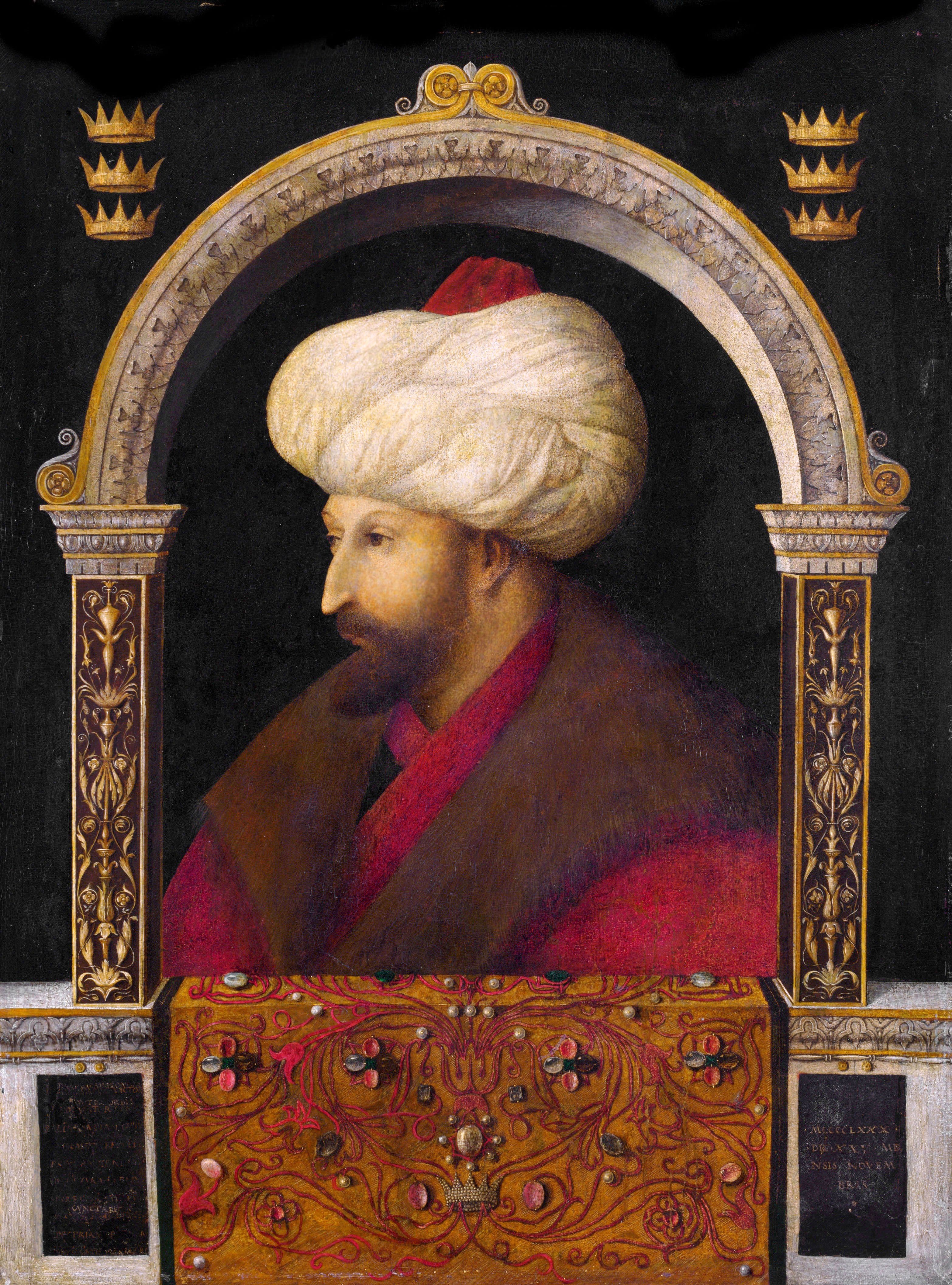
Editorial guide with history, culture, and practical tips to plan your trip.
Istanbul is much more than just a city; it is a civilizational epicenter, a cultural melting pot, and the beating heart of Turkey. Its grandeur is immense, making it not only the largest Turkish metropolis in terms of population and economic influence but also one of the largest human concentrations on the European continent. Over the centuries, this location has been synonymous with power, trade, and cultural fusion, attracting peoples from countless parts of the world.
When discussing Istanbul, mention of its demographic magnitude is unavoidable. In 2018, its metropolitan area counted an impressive 15,067,724 inhabitants. This figure not only underlines its status as an urban giant but also gives it a comparative stature rivaling other European demographic powers, often cited in comparison with London. This density and residential diversity make Istanbul a destination of monumental dimensions for any traveler.
The city's complex social tapestry is equally remarkable. Although the vast majority of its population belongs to the Islamic faith, the urban fabric is profoundly pluralistic. The peaceful and visible coexistence among the Muslim majority, a significant number of secularists, alongside historic communities of Christians and Jews, creates a unique atmosphere. This religious blend is not merely statistical; it manifests in its architecture, cuisine, and daily rhythms, ensuring that every corner of the metropolis tells a rich multicultural narrative.
Istanbul's historical importance transcends modern geographical boundaries. Its trajectory is marked by the continuity of great civilizations. One cannot speak of its present without honoring its past glorious names: Byzantium and Constantinople. These designations are not mere ancient titles; they represent eras of imperial rule, cultural wealth, and the intersection of vital trade routes.
Being referred to as old Constantinople lends the city a historical weight dating back to millennia-old empires. This succession of names (Byzantium, Constantinople, Istanbul) is physical testimony to its permanence and undeniable relevance throughout the centuries. Each name evokes a different era of glory, conflict, and cultural transformation, and this historical stratification is palpable to anyone exploring its ruins and monuments.
The city's history is intrinsically linked to its role as a meeting point for different civilizations. It was a natural port for ideas, religions, and goods crossing continents. This vocation as a cultural crossroads is the engine that fueled its evolution, ensuring that even after the political and imperial changes that shaped it in Byzantium and Constantinople, it maintained its status as a universal pole of human attraction.
Istanbul's culture is the direct result of civilizations meeting over millennia. It manifests in its vibrant gastronomy, its arts, and the deep religious syncretism that permeates daily life. The demographic aspect of the city is perhaps the greatest indicator of this cultural richness.
Although Muslims form the vast majority of the population, this hegemony is not monolithic. Living alongside a considerable number of secularists and the vibrant maintenance of Christian and Jewish traditions within their minority communities ensures that the city is a true cultural tapestry. It is not just about tolerance; it is a historical interdependence where different groups contributed to the artistic, architectural, and social development of the metropolis.
This religious plurality is not limited to sacred buildings. It permeates daily habits: from bustling markets mixing spices and religious articles of different origins, to local festivals celebrating diverse identities. Istanbul's ability to absorb and incorporate external cultures without losing its historical essence is the most fascinating cultural trait a visitor can discover.
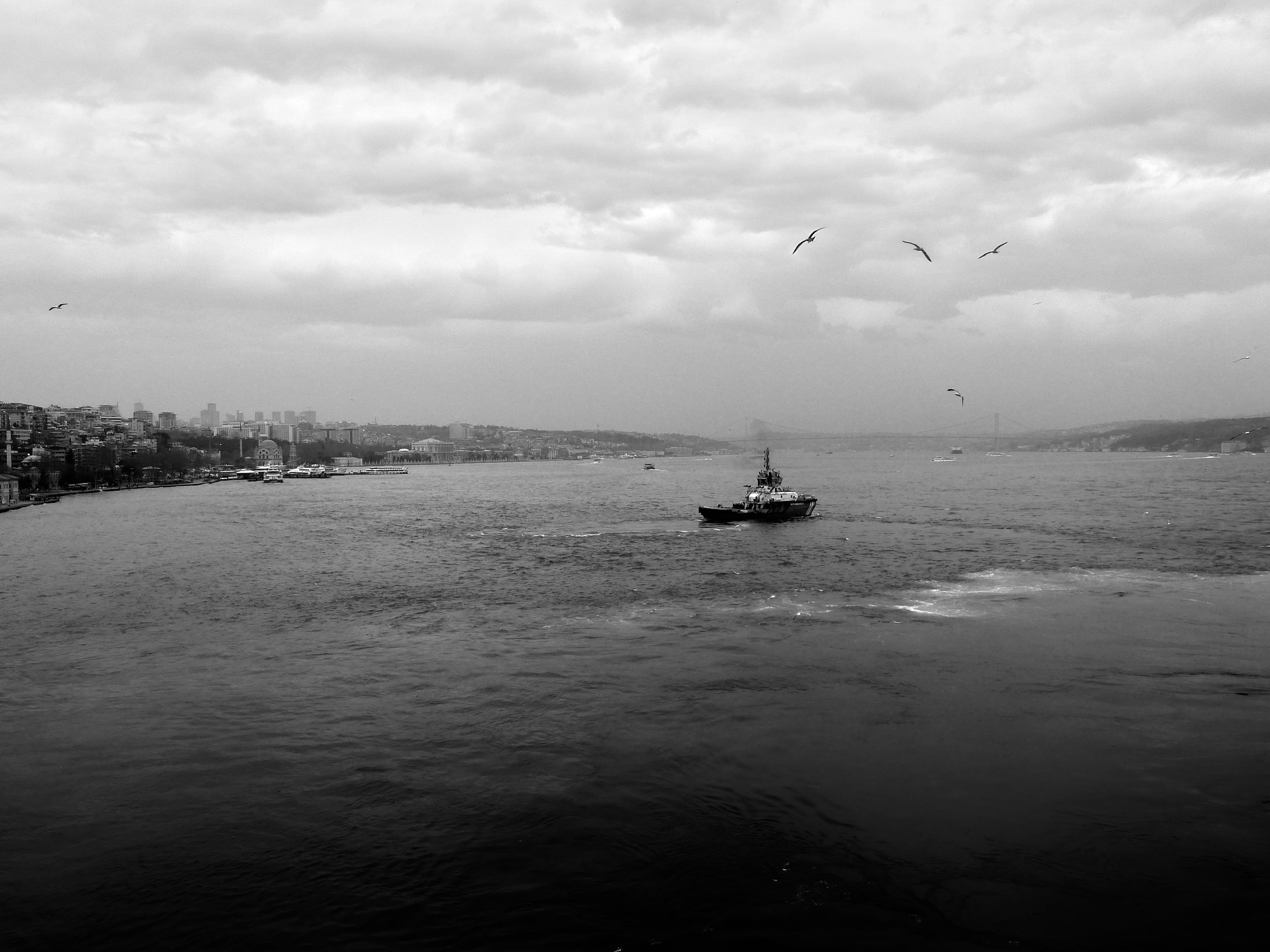
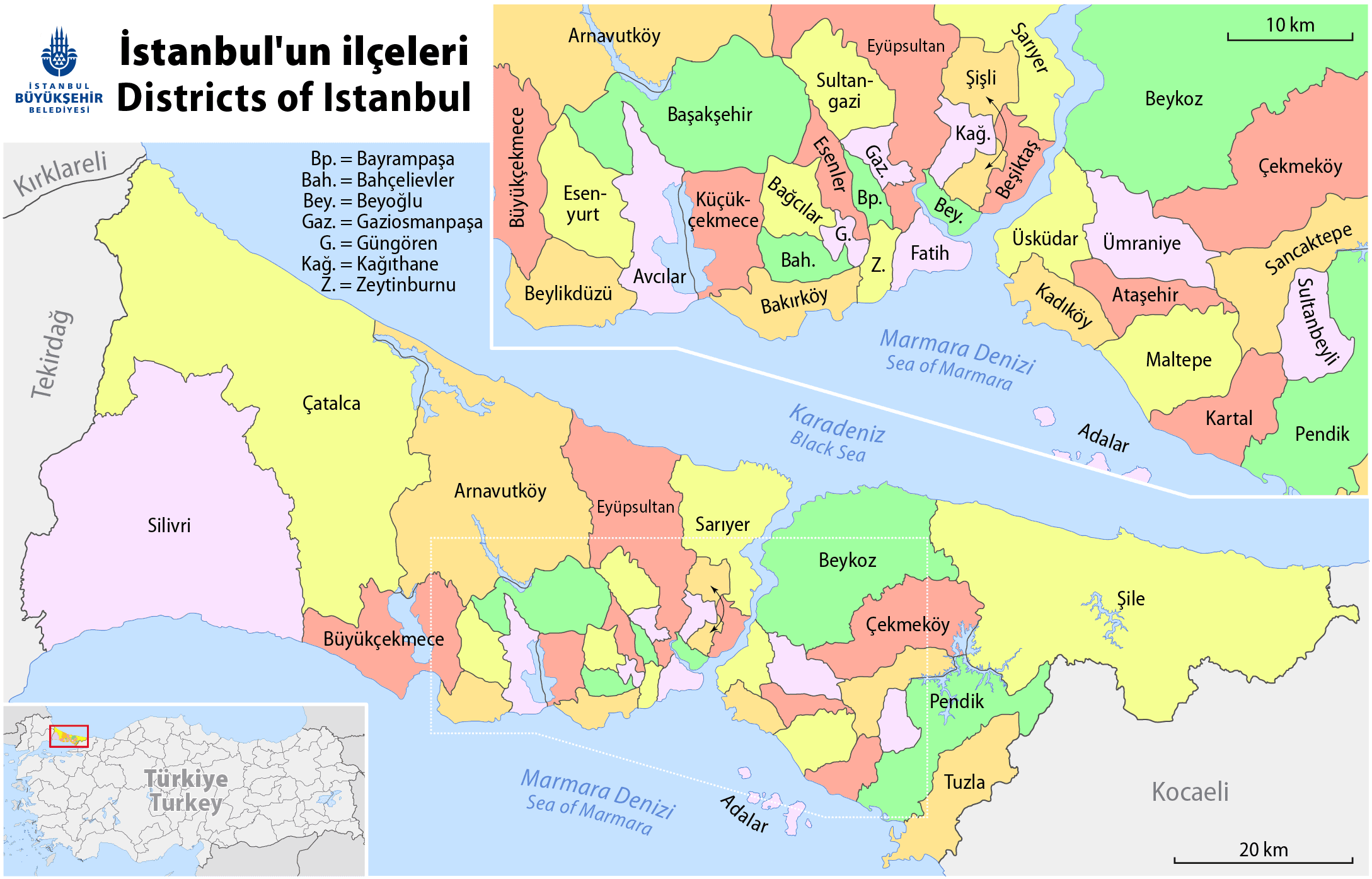
Although the provided excerpt is concise on specific geographical details, it is crucial to understand that geographically, Istanbul occupies a position of monumental importance. Its location is not merely in the map of Turkey; it lies at the intersection of maritime and terrestrial routes that have historically connected continents.
The vast metropolitan area supporting over 15 million inhabitants demands a complex geographic understanding, characterized by notable urban density. The city is built upon historical layers, meaning its modern layout rests on millennia-old settlements and structures, giving it a geography rich in contrasts – from the most modern neighborhoods to preserved medieval areas.
This geographical magnitude positions it as both a logistical challenge and, paradoxically, a tourist treasure. The arrangement of its different communities (whether by the proximity of neighborhoods with strong Christian or Jewish influence, or by the concentration of mosques) creates a unique social geography that must be explored in depth to understand the totality of the Istanbul experience.
*(Note: Due to the strict restriction of using only provided facts and sources, this section does not receive specific climate details. Therefore, the focus is on describing the general urban environment permeated by the weather.)*
When visiting Istanbul, the traveler should be prepared for a climate that reflects its strategic geographical position. The city has marked climatic variations throughout the seasons, influenced by its location and the vastness of its metropolitan territory. These atmospheric conditions interact directly with the built landscape, creating different sensations in its countless neighborhoods.
The sensory experience of the weather is complemented by the hum of urban life lived by over 15 million people. Temperatures and climate conditions serve only as a backdrop for the true spectacle: the historical, cultural, and demographic coexistence that defines Istanbul. It is an environment where any climate becomes part of the drama played out among millennia-old monuments.
Tourism in Istanbul is a multifaceted experience, fueled directly by its extraordinary history and immense demographic diversity. The city does not only attract passing tourists; it welcomes those who seek to delve into the depth of civilization.
The primary tourist attraction lies in its very nature as a meeting point: where Muslim culture meets Christian and Jewish traditions, and where the legacy of the Roman Empire (Byzantium/Constantinople) pulses in every corner. Visitors are invited to navigate a city that functions as an open-air museum, where past and present coexist vibrantly.
The scale of the metropolis is a tourist draw in itself. With 15 million inhabitants in its urban area, Istanbul guarantees an intense pace of life, rich with bustling bazaars and gastronomy that reflects the mentioned cultural mix. Whether for the history enthusiast searching for the vestiges of Byzantium, or for those seeking immersion into the daily life of one of the world's largest cities, Istanbul offers an inexhaustible itinerary of discovery.
One of the most impressive fun facts about Istanbul is its almost magical ability to function as a link between different historical epochs. It does not merely *possess* stories; it encapsulates them in its structures and social rhythms. The fact that it carries the names Byzantium and Constantinople is a constant reminder of its enduring power.
The demographic profile that makes it notable is also worthy of mention. The Muslim majority coexists in a complex synergy with secular, Christian, and Jewish communities. This coexistence is a fascinating case study on how different identities can blend and thrive in the same geographical space.
From a demographic standpoint, the sheer scale of the city is already impressive: over 15 million people inhabiting its metropolitan area. This density is not merely a number; it is the motor that keeps Istanbul one of the largest and most vibrant cities on the planet, a true epicenter of civilizations where every visitor feels part of something much larger and more ancient.
Everything you need to know to plan your trip
Reference figures to help plan your trip
Hotels in the area
1130
Attractions
9
1130 properties in the area
Hotels and experiences in the area
Everything you need to know to plan your trip
Istanbul is known by the ancient names Byzantium and Constantinople.
It is considered one of Europe's most populous cities, rivaling London.
The population was estimated at 15,067,724 inhabitants.
Although the vast majority are Muslim, Istanbul also has a considerable number of secularists and Christian and Jewish minorities.
Istanbul is the largest city in Turkey.
Extend your trip to incredible destinations nearby
We personalize every moment of your journey — from iconic landmarks to hidden cultural gems.
Available 24/7 · Personalized consultations · Local expertise
Updated on June 7, 2026
Sources