Roma
Destination
Explore Rome, the Eternal City! Discover the ancient history and unparalleled culture from the Colosseum to the Vatican.
Roma · Brasil
Photos
Discover the landscapes and culture of Rome
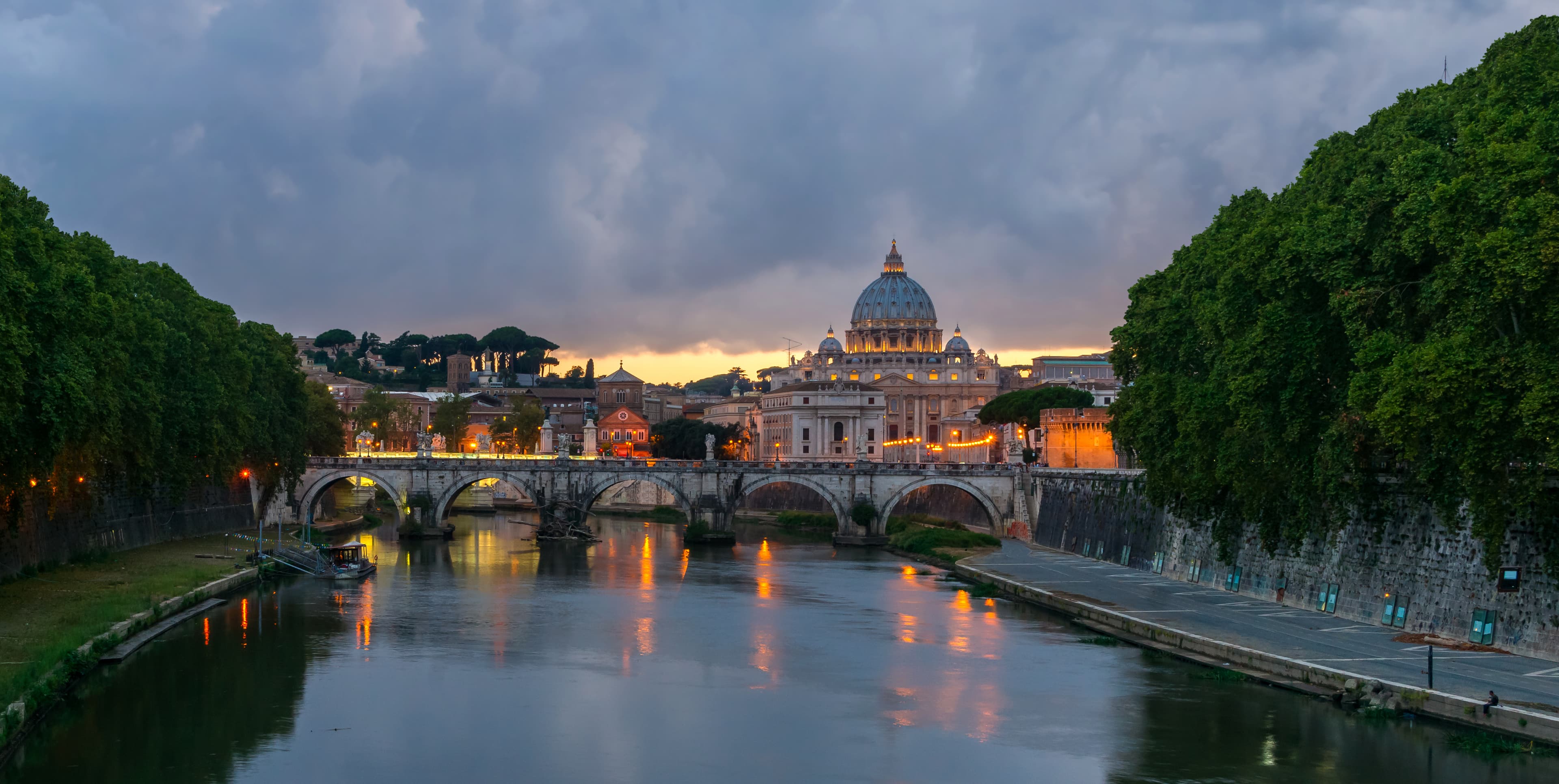
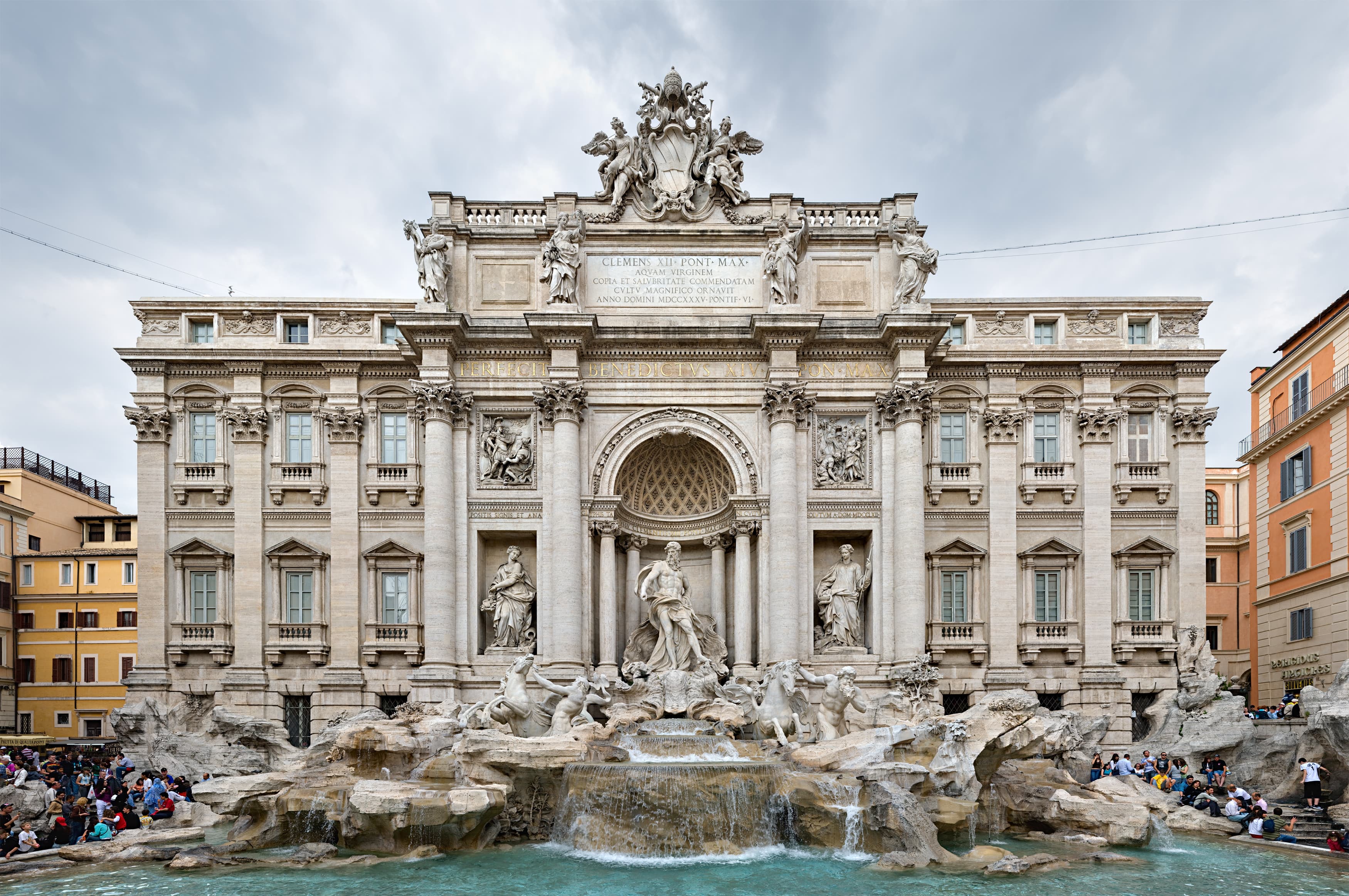
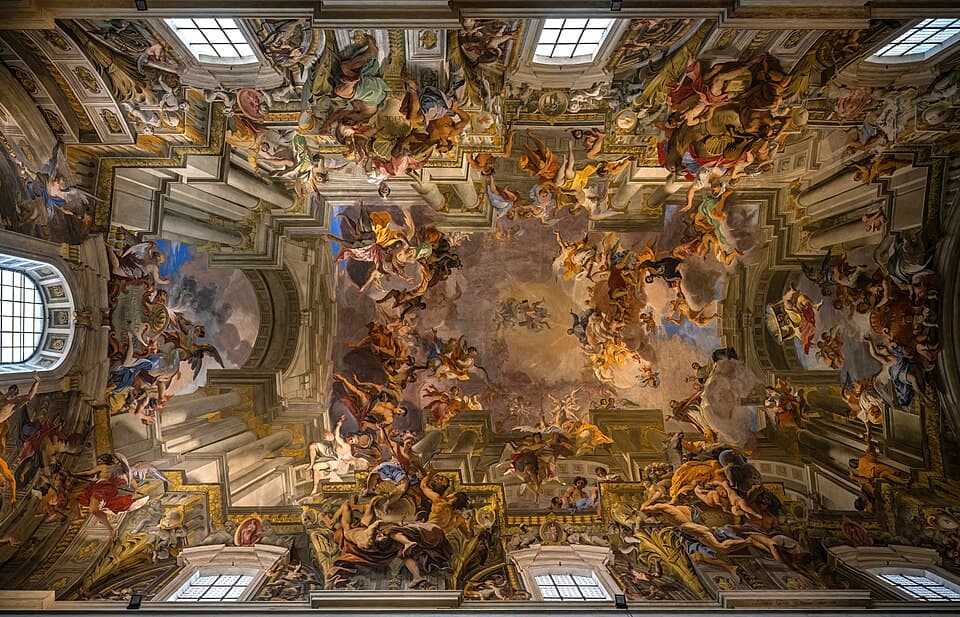
Editorial guide with history, culture, and practical tips to plan your trip.
Rome is much more than just the capital of Italy; it is the pulsating heart, both culturally and historically, of an entire civilization. Its complex identity resides in its administrative status: besides being the national capital of Italy and the regional center of Lazio, Rome functions as a unique urban and governmental pole.
In terms of population and urbanization, the numbers reflect its magnitude. The municipality of Rome itself boasts an expressive population, counting 2,860,009 residents in an area spanning 1,285 km². This volume not only places it as the most populated municipality in Italy but also among the three largest cities by population in the European Union.
However, when considering its metropolitan scope, Rome's scale expands even further. The Metropolitan City of Rome encompasses a staggering population of 4,355,725 inhabitants, consolidating itself as the most populous metropolitan area in Italy and the third largest in demographic terms in Europe.
This vast confluence of history, administration, and modern life makes Rome a destination of continental proportions, where every neighborhood seems to whisper a narrative that dates back millennia. It is within this multifaceted setting that visitors can immerse themselves in a rich urban fabric.
Since the beginning of documented times, Rome has not merely witnessed history; it was fundamental to its creation and development. The city is intrinsically linked to the concept of time's transience and culture's permanence. For this reason, it received an epithet that echoes through antiquity: "The Eternal City".
This title is not just a poetic adjective; it encapsulates the complete cycle of its existence. Rome started as a developing urban community and progressively evolved to become a monumental empire that would shape the course of Western civilization. This epic journey—from nascent city to global imperial center—is palpable in its streets and monuments.
More than just a political capital, Rome established itself as the spiritual and cultural epicenter that defined entire eras. Its long trajectory is not limited to Roman emperors; it spans the period of Christianity's birth, a watershed moment in world history. This fusion of ancient paganism, imperial power, and deeply rooted faith grants Rome an unparalleled historical depth.
One can feel the weight of centuries while strolling through its streets. The city boasts not only impressive ruins from the distant past but also layers of reconstruction that attest to its resilience and capacity to remain a vital center in constant transformation.
Rome is universally recognized as the cradle of Western and Christian culture and civilization. This recognition is not limited merely to its archaeological artifacts, but permeates the way life is lived, expressed, and transmitted within its community.
Rome's cultural influence is monumental, as it serves as the nerve center of the Catholic Church. This spiritual connection gives the city a central role in the global religious landscape. The presence of the Catholic Church not only defines the architectural landscape—with its magnificent basilicas and cathedrals—but also shapes the rhythms of life, artistic traditions, and community spirit.
Roman culture is a fascinating mosaic that blends the splendor of ancient Roman Empire with the rich artistic and architectural iconography of the Middle Ages, through to Renaissance art. Its inhabitants kept the legacy of their civilizations alive in daily practices, cuisine, and celebrations.
Visiting Rome means participating in an open-air cultural study. Every corner reveals an artistic or architectural manifestation that contributed to forging the identity of Western civilization, making it an intellectually and emotionally enriching experience.
Located in the west-central part of the Italian Peninsula, Rome enjoys a strategic geographical position. This privileged location, along the banks of the winding Tiber River, was crucial for its development and rise to dominant power.
A distinctive aspect defining its geography is the nickname "City of the Seven Hills." This moniker is not merely folklore; it stems from the city's very topography. Its seven hills determined not only its urban layout but also the distribution of its neighborhoods and monuments over the centuries.
Administratively speaking, the geographical profile is marked by a unique coexistence: in the heart of Rome lies Vatican City. It is an independent sovereign country situated within the urban limits of Rome. This geopolitical fact represents one of the most unique and rare examples of nations within municipal boundaries anywhere in the world.
In terms of territorial extent, the metropolitan area is vast, covering a significant population (4,355,725 inhabitants), but its urban organization is intrinsically linked to the course of the Tiber River, which meanders among its monuments and communities.
Although the facts provided do not detail Rome's climatic patterns, it is important to note that its location in Central Italy gives the city a characteristic Mediterranean climate. This means the region generally enjoys hot and dry summers, perfect for outdoor exploration, contrasting with milder winters.
This temperate climate allows for consistent tourism throughout almost the entire year. However, it is essential to plan visits considering seasonal variation, ensuring comfort when walking among ancient and modern monuments. The Mediterranean climate contributes to maintaining a vibrant outdoor pace of life, encouraging the exploration of squares and strolls along the banks of the Tiber.
Rome is a tourist destination that attracts millions of visitors annually due to its incomparable combination of history, art, and religion. Tourism in the capital is not limited to visiting major attractions; it involves experiencing the continuous flow of Western civilization.
The main focal point of tourism is, undoubtedly, the Vatican. The presence of Vatican City as an independent country within Rome's boundaries not only guarantees a unique tourist destination but also houses some of the most admired works of art and riches on the planet. This singular factor makes the visit a journey in itself.
Furthermore, the tourist itinerary is structured by the geography of the "Seven Hills," which serve as a backdrop for exploring millennia-old imperial ruins, majestic cathedrals, and charming neighborhoods. The Roman tourist experience is an immersion into an open-air museum, where the past and present coexist in harmony.
For the traveler, Rome offers more than mere points of interest; it provides the opportunity to feel part of a continuous historical narrative, making every outing a deep dive into the legacy of civilization.
Rome's fascination lies in its details and the way its urban fabric guards secrets through the centuries. Some curiosities about the city reinforce its historical uniqueness.
One of the most notable facts is the geopolitical status of Vatican City. It is an almost surreal feat of urban geography: a sovereign, completely independent, and delimited country nestled within the borders of the city of Rome. This fact not only makes it unique on the world stage but also adds an extra layer of historical and diplomatic fascination to the visit.
Another curiosity is the title "Eternal City." This epithet carries immense narrative weight. It refers to the long journey Rome undertook: starting its existence as a small urban core until ascending to the status of a global empire, symbolizing enviable cultural and historical permanence.
Finally, the reference to the "Seven Hills" is more than just a nickname; it reflects the original planning of the city. This geographical configuration not only gave name to classical Rome but also shaped the pace of life and the architectural distribution of neighborhoods over time.
Everything you need to know to plan your trip
Reference figures to help plan your trip
Hotels in the area
889
Attractions
9
889 properties in the area
Hotels and experiences in the area
Everything you need to know to plan your trip
The city is located in the west-central part of the Italian Peninsula, along the banks of the Tiber River.
Yes. It is often referred to as the 'City of the Seven Hills' due to its location and also as the 'Eternal City,' owing to its long history.
Rome is considered the cradle of Western and Christian culture and civilization, in addition to being the center of the Catholic Church.
Yes. Vatican City is an independent country located within Rome's boundaries, making it a world-unique example of this type.
Rome is the capital of Italy and also of the Lazio region, considered the most populated municipality in the country.
Extend your trip to incredible destinations nearby
We personalize every moment of your journey — from iconic landmarks to hidden cultural gems.
Available 24/7 · Personalized consultations · Local expertise
Updated on June 7, 2026
Sources