Zurique

Destination
Zurich is Switzerland's largest city! Discover the cantonal capital and explore a vibrant German-speaking destination. Plan your trip to this Swiss icon.
Zurique · Brasil
Photos
Discover the landscapes and culture of Zurich
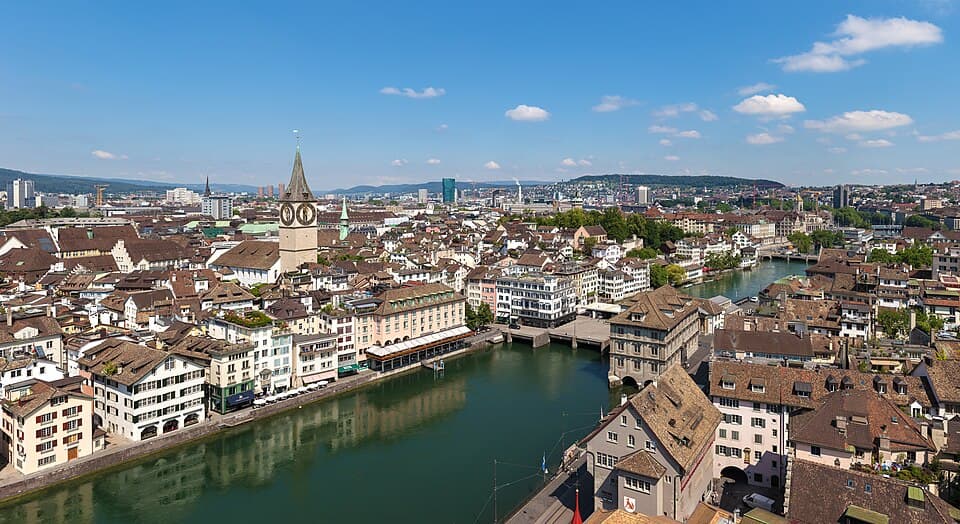
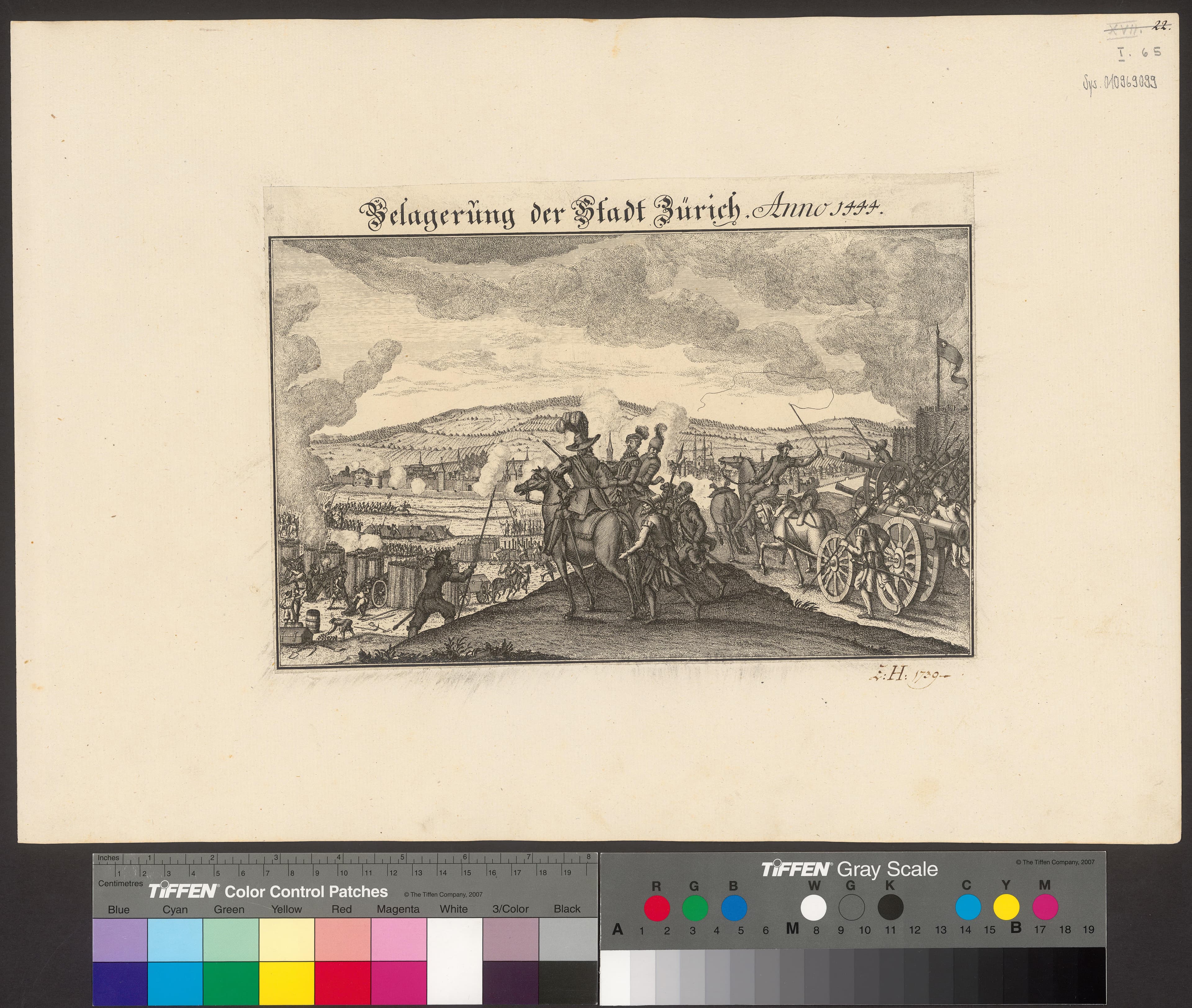
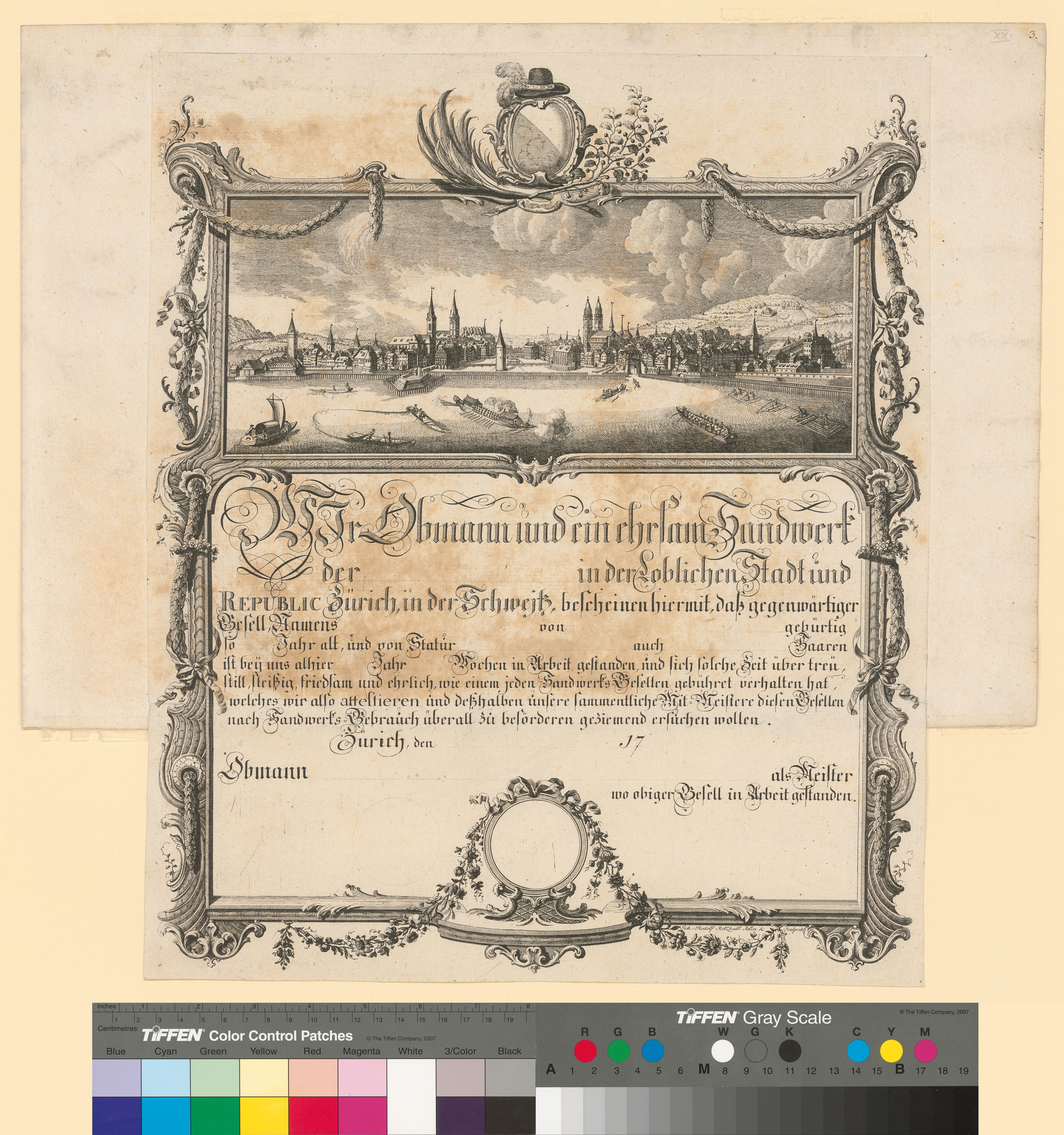
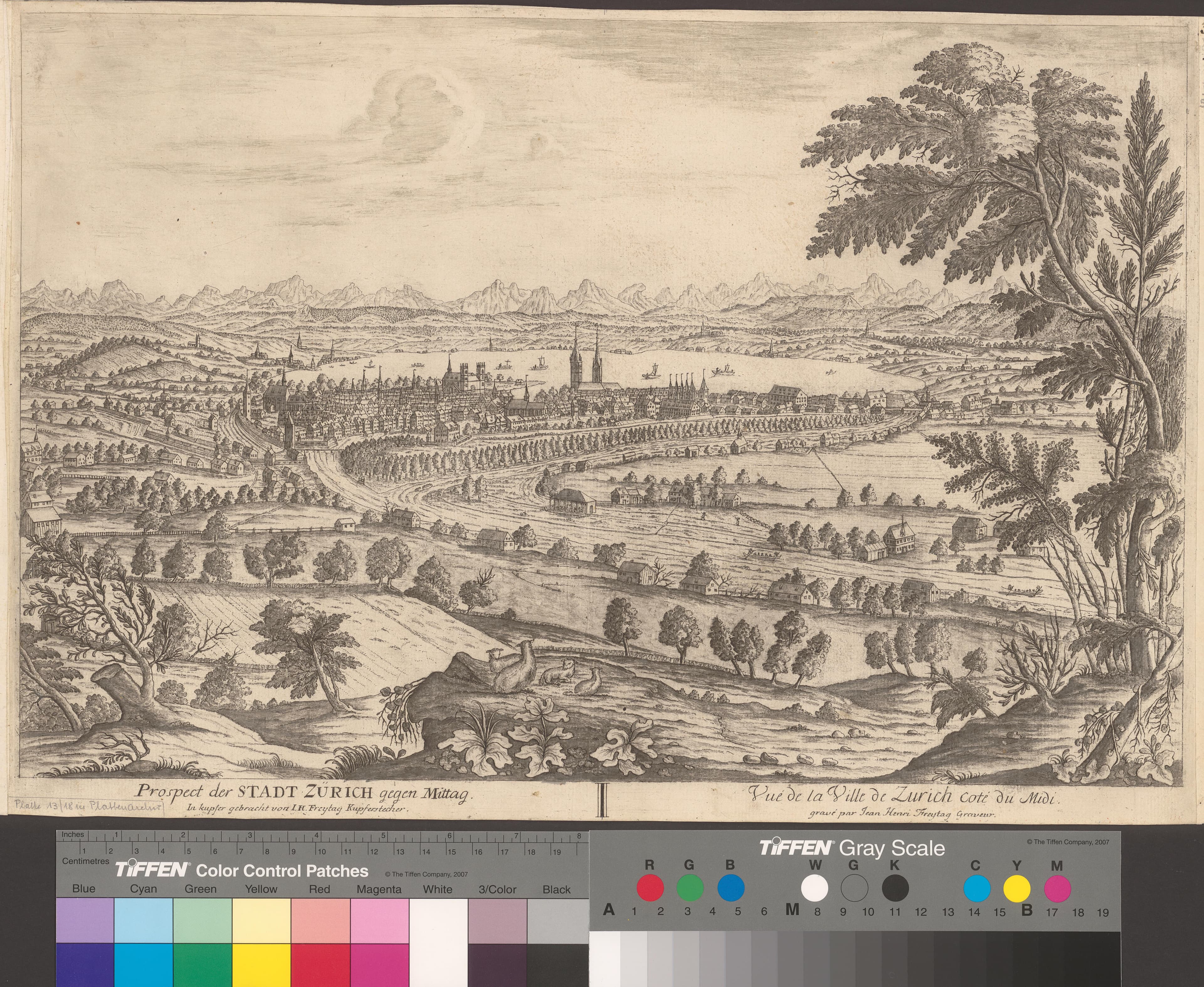
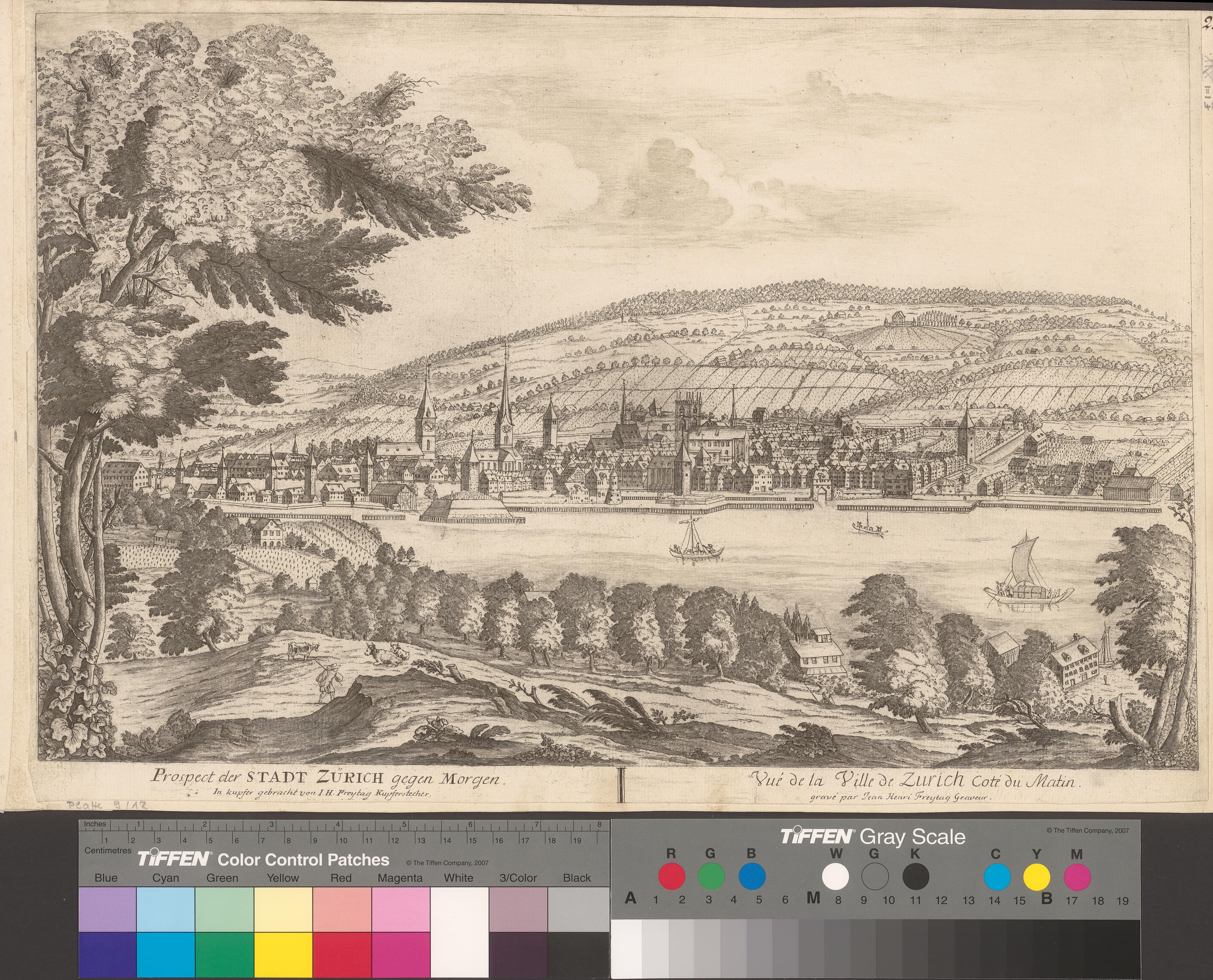
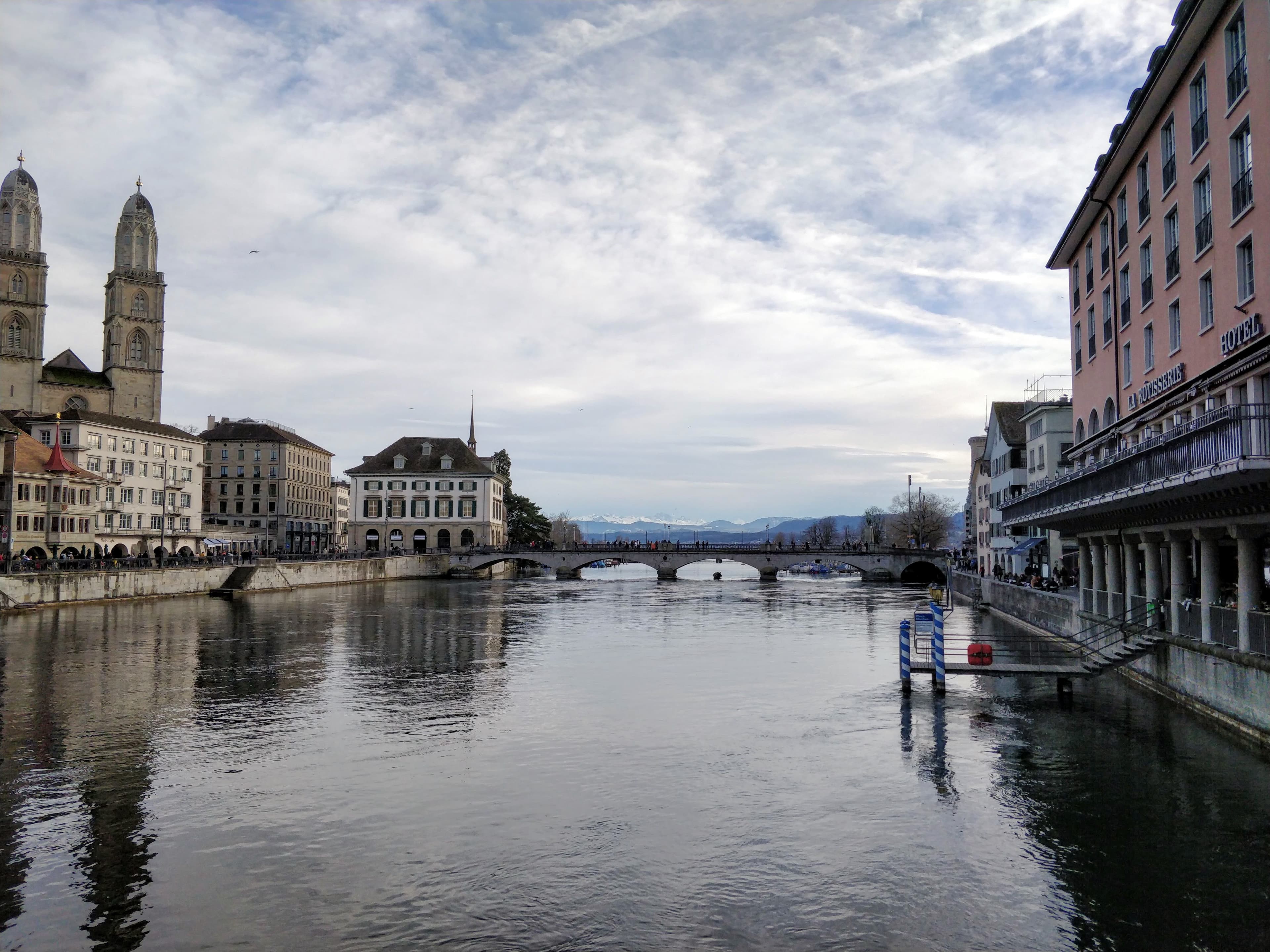
Editorial guide with history, culture, and practical tips to plan your trip.
Zurich, or Zürich to locals, is not just another city in the alpine destinations suite; it is a vibrant epicenter that encapsulates the essence of modern and cosmopolitan Switzerland. Recognized as the country's largest urban area, it attracts travelers with its unique combination of historical efficiency and contemporary dynamism. Strategically located in northeastern Switzerland, Zurich is firmly rooted in the heart of the German-speaking region—a cultural area that defines the rhythm and soul of this metropolis. More than just a geographical point, it is the nerve center of the Canton of Zurich, playing a fundamental role not only in local life but also in the Swiss economic landscape.
The scale of Zurich is monumental. While its registered urban population totaled approximately 379,000 in 2012, the true size of the agglomeration is revealed by its vast metropolitan region. This area is estimated to house around 1.8 million people—a number that not only establishes it as the country's largest urban concentration but also demonstrates its power of attraction and population integration. This massive human mass means that Zurich houses a significant portion of the nation, accommodating about 20% of the entire Swiss population. It is this density and scale that grant the city an unparalleled magnetism.
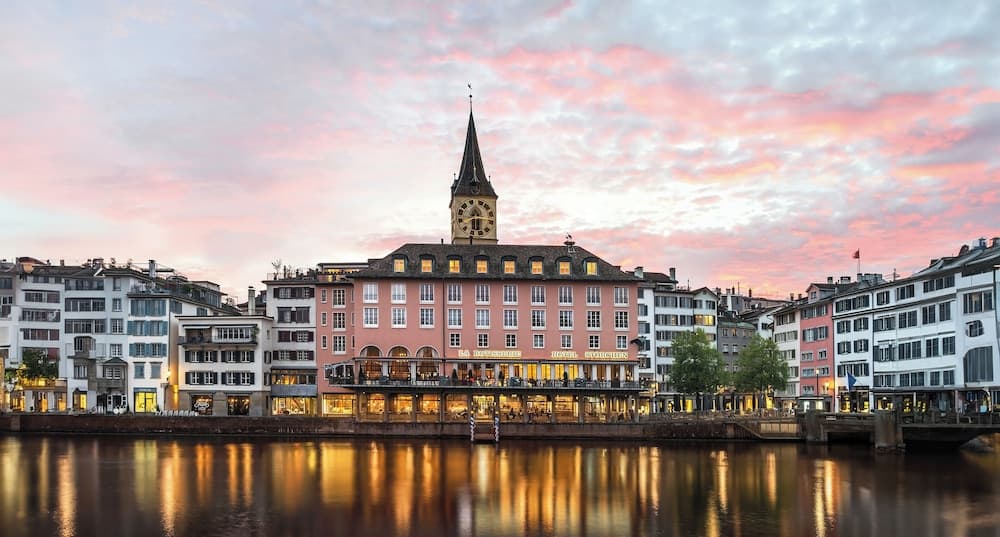
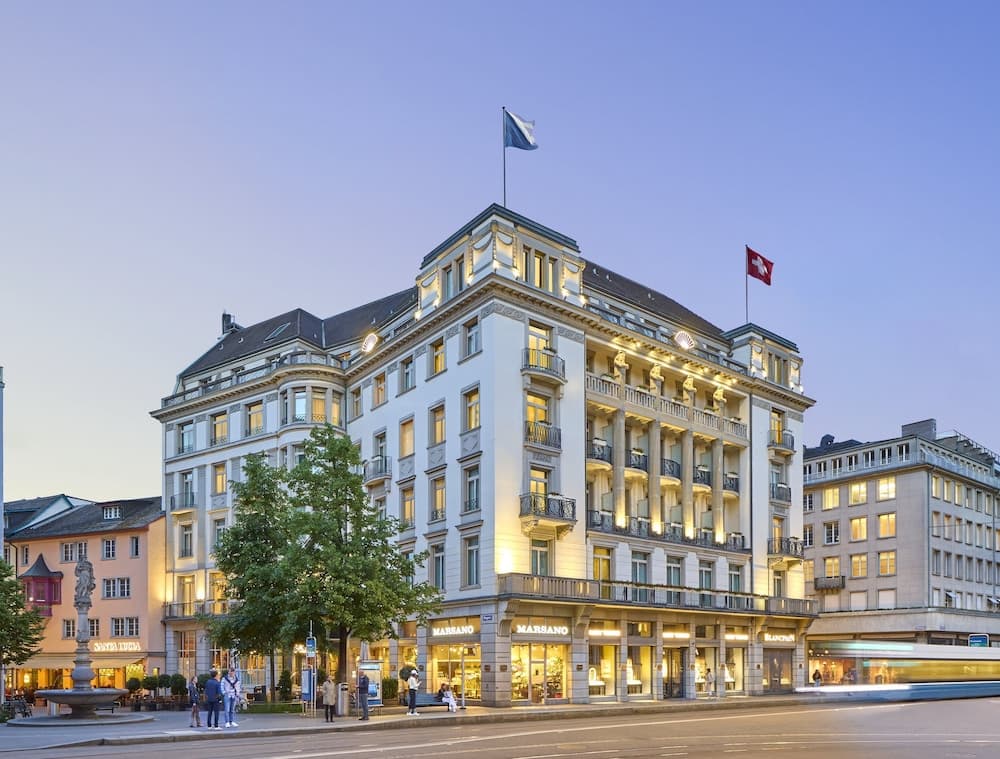
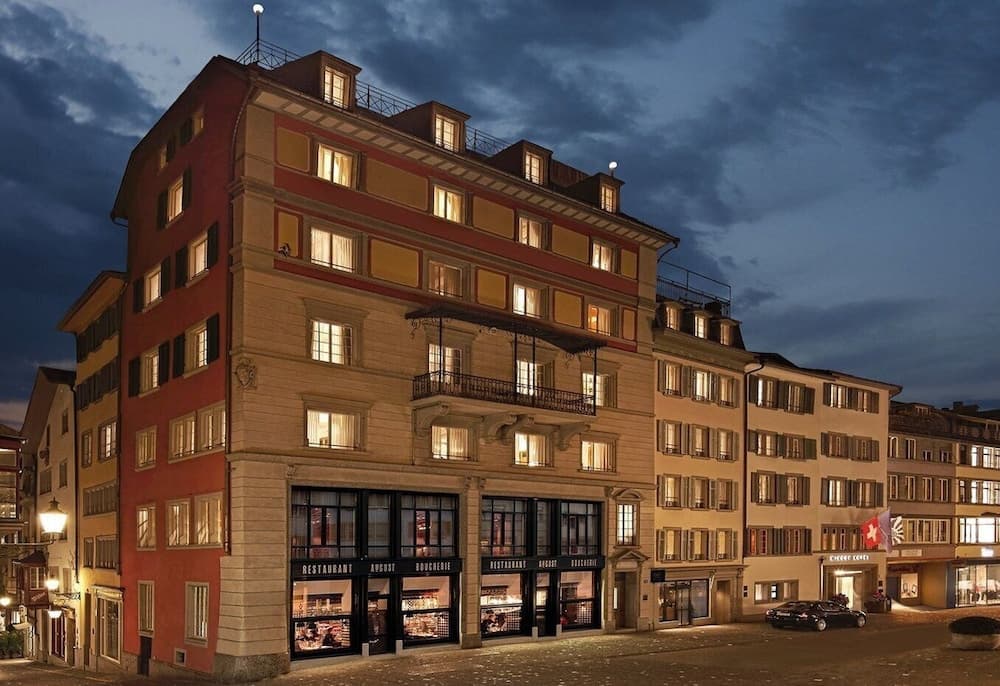
Visiting Zurich is diving into a tapestry where the charming tradition of historical alleyways intertwines with modern skyscrapers and prestigious global institutions. It is a place of contrasts, where the tranquility of the alpine pace meets the undeniable dynamism of a complete European megalopolis.
Although detailed records of Zurich's founding are vast and complex, its historical importance is intrinsically linked to its role as the capital of the Canton of Zurich. This central political position ensures that the city has been a focal point since ancient times, witnessing centuries of transformation in Switzerland.
The development trajectory of Zurich reflects the gradual and planned growth of a prosperous society. The fact that it is consistently recognized as the largest city in Switzerland is not merely demographic data; it is the historical reflection of its growing mercantile and political role over the centuries. The metropolitan area, with its nearly two million inhabitants in 2011, attests to a history of intense urbanization that has managed to maintain a high level of quality of life and urban organization.
Its location in the northeast of the country is no accident; it placed it on a strategic trade route within the German-speaking area. This geographical connectivity was the historical engine that allowed the city to flourish as a center of commerce, culture, and political power. Since early times, Zurich knew how to adapt to geopolitical changes, consolidating itself as a pole of influence and stability.
Today, the urban structure continues to carry this historical memory. The oldest parts of the city coexist harmoniously with modern buildings that have emerged to accompany the constant and growing flow of its residents—nearly 20% of the total Swiss population living in its immediate vicinity.
Zurich's culture is a rich mosaic, deeply rooted in Germanophone identity. This cultural influence permeates everything from local gastronomy and traditional clothing to daily life pace and impressive architecture surrounding its neighborhoods. It is a culture marked by Swiss precision, appreciation for performing arts, and a very strong sense of community, despite the colossal size of its population.
Being at the center of the Germanophone area implies that the language, narrative traditions, and even everyday customs reflect this rich linguistic heritage. Cultural life in Zurich is vibrant; it offers world-renowned theaters, international class art museums, and countless spaces dedicated to classical music—a direct reflection of the culture flourishing throughout its historic neighborhoods.
Culturally, the city embraces contrast. On one hand, there is the welcoming charm of medieval cafés and markets; on the other, pulsing with the energy of global financial institutions that attract brilliant minds from around the world. This cultural duality is the city's creative engine. The people who live in Zurich—over 1.8 million in the metropolitan area—bring with them a multiverse of origins and stories, permanently enriching the local cultural fabric.
Cultural events range from food festivals to world-renowned music festivals, all anchored by the strength of the identity the city has managed to preserve while expanding to house one of the country's largest urban concentrations. Zurich is a cultural stage where tradition and modernity perform their most beautiful choreography.
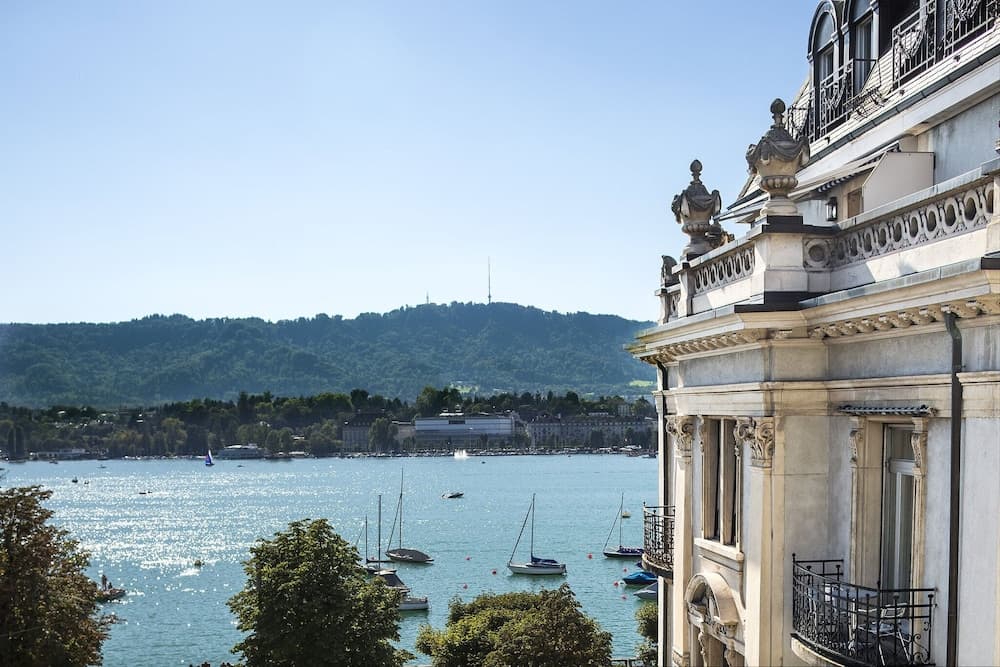
Geographically speaking, Zurich benefits from a privileged location in northeastern Switzerland. This position not only makes it a natural transit point but also the epicenter of economic and demographic development for the entire metropolitan region. Its urban geography is notable for its ability to expand and accommodate millions of people without losing connection with surrounding natural landscapes.
The city is situated within the Germanophone area context, which defines its climatic and cultural characteristics. Its population growth has been so exponential that it created one of the country's largest urban concentrations. The metropolitan region is a vast urban ecosystem that encompasses not only the most densely populated central area (with nearly 1.8 million inhabitants) but also surrounding municipalities.
Zurich's geographic structure shows a fascinating interconnectedness: it is a cosmopolitan city that maintains access to and influence from surrounding green areas. The population flow, with about 20% of Swiss residents living in its sphere of impact, has shaped a dense and multifaceted geographical environment.
Geographically speaking, this northeastern location not only connects it to historical trade routes but also guarantees logistical and transport infrastructure that establishes it as the country's central node. It is a geographic powerhouse, sustained by its strategic position in the Germanophone area.
While factual data does not provide specific weather information, it is possible to infer the climate of the region based on its geographical positioning in the northeast and the general climatic influence of northern Switzerland. Zurich typically enjoys a temperate continental climate with alpine influences.
This climate is characterized by well-defined seasonal variations. Summers are usually pleasant and relatively warm, perfect for exploring the various parks and rivers that cross the city, taking advantage of its more northern location compared to other Swiss areas.
Autumn seasons are particularly picturesque, offering vibrant color palettes in the surrounding landscapes. Winters tend to be cold, but often mitigated by robust infrastructure and a pace of life that adapts to climatic conditions. Snow, although more typical of alpine regions, adds a magical touch to the city and ensures a cozy atmosphere in its central areas.
It is important to note how climate influences routine in Zurich: the ability to transition between cool autumn temperatures and warm summers means that both residents and visitors are always prepared for all seasons, maintaining a natural and constant cycle of life in the metropolis.
Tourism in Zurich is a rich, multifaceted, and highly sophisticated experience. As Switzerland's largest city and a crucial global hub, it caters to both cultural tourists seeking history and business travelers looking for excellence and modernity.
The main tourist attraction lies in the combination of its dense population (which drives commercial life) with the preserved charm of its historic neighborhoods. Visitors can get lost in medieval alleys, imagining the area's past, and then cross into a modern square filled with contemporary life. This transition is part of the Zurich appeal.
Beyond impressive architecture, Zurich offers tourist experiences linked to its status as a global financial center and German cultural pole. The museums are world-famous; restaurants celebrate local and international cuisine at a high level of gastronomy. The ease of movement within its metropolitan area (with over 1.8 million people) ensures that even first-time visitors feel immersed in the constant and organized flow of Swiss life.
For those seeking contact with nature without leaving urban comfort, Zurich is perfect. Adjacent green spaces and local rivers provide peaceful refuges within a colossal environment, making every tour pleasant and refreshing.
Zurich is filled with fun facts that attest to its magnitude and complexity. Firstly, it is crucial to understand the distinction between its main urban core—with 379,000 inhabitants in 2012—and the gigantic scope of its metropolitan area. This numerical difference illustrates how the city operates not only by itself but by the integrated strength of its neighboring municipalities.
The fact that it is considered Switzerland's largest urban concentration, boasting 1.8 million people in the region in 2011 (and growing since then), gives it an enviable demographic dynamism. This means it is a true microcosm of the country, concentrating a substantial portion of Swiss citizens—about 20% of the total population.
Another fascinating point is its role as the capital of the Canton of Zurich. This political function makes it not just a commercial center, but also a place where decisions that shape the daily life and future of Swiss citizens are made. It is synonymous with organization and stability.
Finally, its location in the heart of the German-speaking area highlights its cultural profile: Zurich does not just house more people; it preserves a strong linguistic and cultural identity that distinguishes it historically and socially within the Swiss context. It is this combination of gigantic scale with deep cultural roots that makes every visit to Zurich unique.
Everything you need to know to plan your trip
Language
German
Reference figures to help plan your trip
Hotels in the area
72
Attractions
9
72 properties in the area
Hotels and experiences in the area
Everything you need to know to plan your trip
Zurich is recognized as Switzerland's largest city and also serves as the capital of the Canton of Zurich.
The city is located in northeastern Switzerland, at the heart of the German-speaking region.
The city itself had 379,915 inhabitants in 2012. However, its metropolitan area is the country's largest urban agglomeration, boasting about 1.8 million residents in 2011.
The metropolitan region houses approximately 20% of the country's total population, making it one of Switzerland's largest urban concentrations.
In addition to being the largest city, it also holds the title of capital of the Canton of Zurich.
Extend your trip to incredible destinations nearby
We personalize every moment of your journey — from iconic landmarks to hidden cultural gems.
Available 24/7 · Personalized consultations · Local expertise
Updated on June 7, 2026
Sources