Gramado
Destination
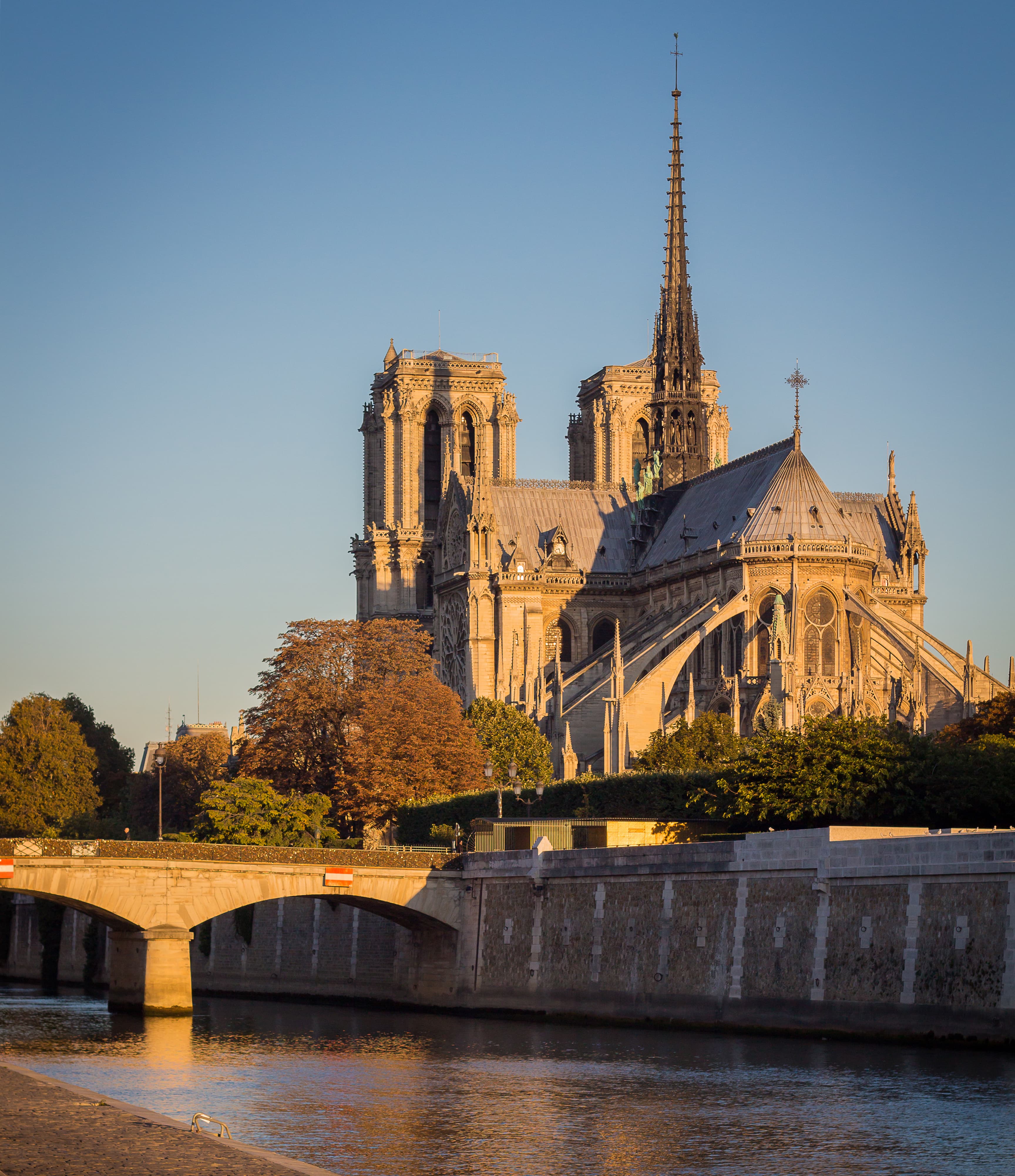
Discover the eternal charm of Paris. Explore world-class museums, iconic architecture, and romantic atmosphere at every corner.
Paris · Brasil
Photos
Discover the landscapes and culture of Paris

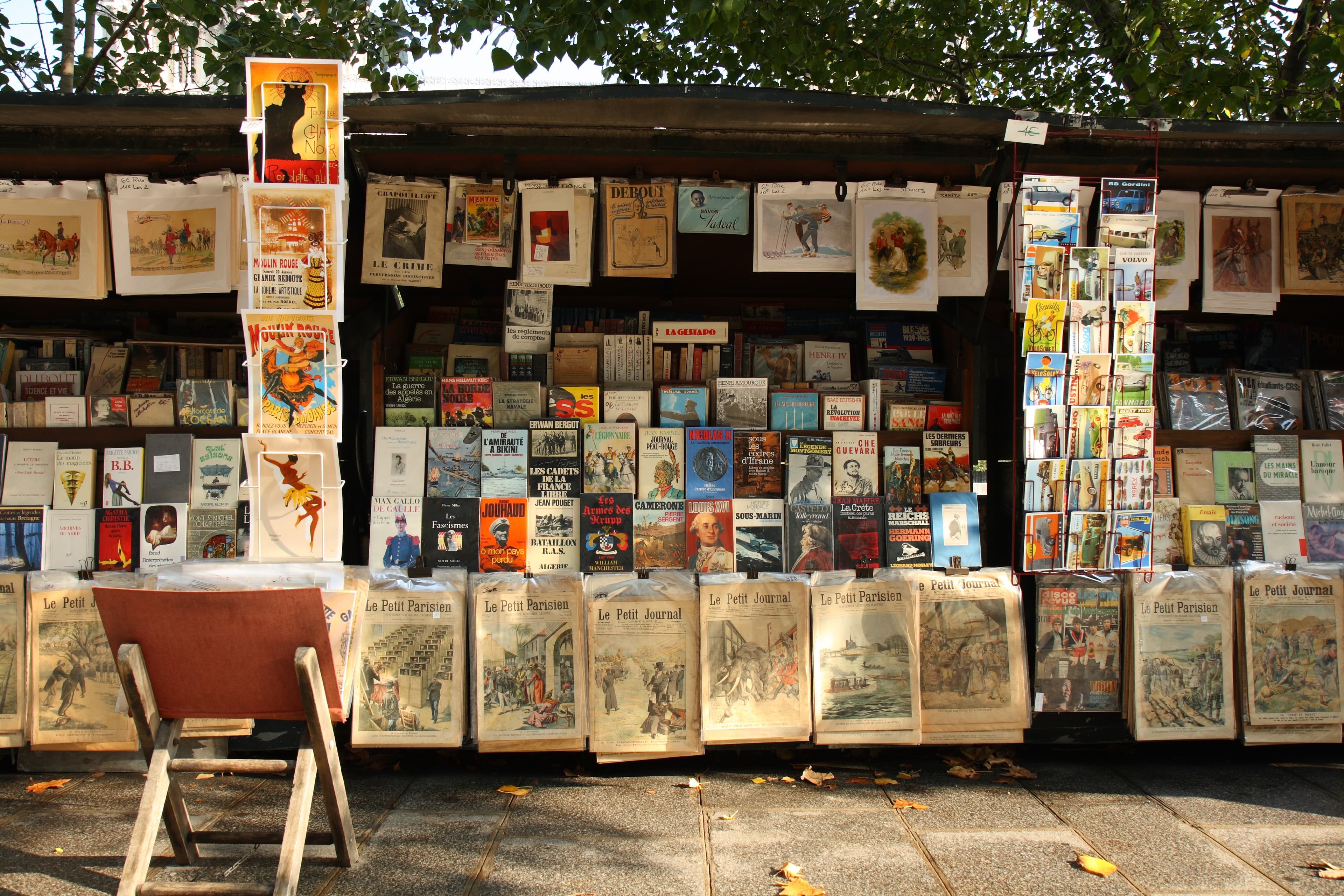
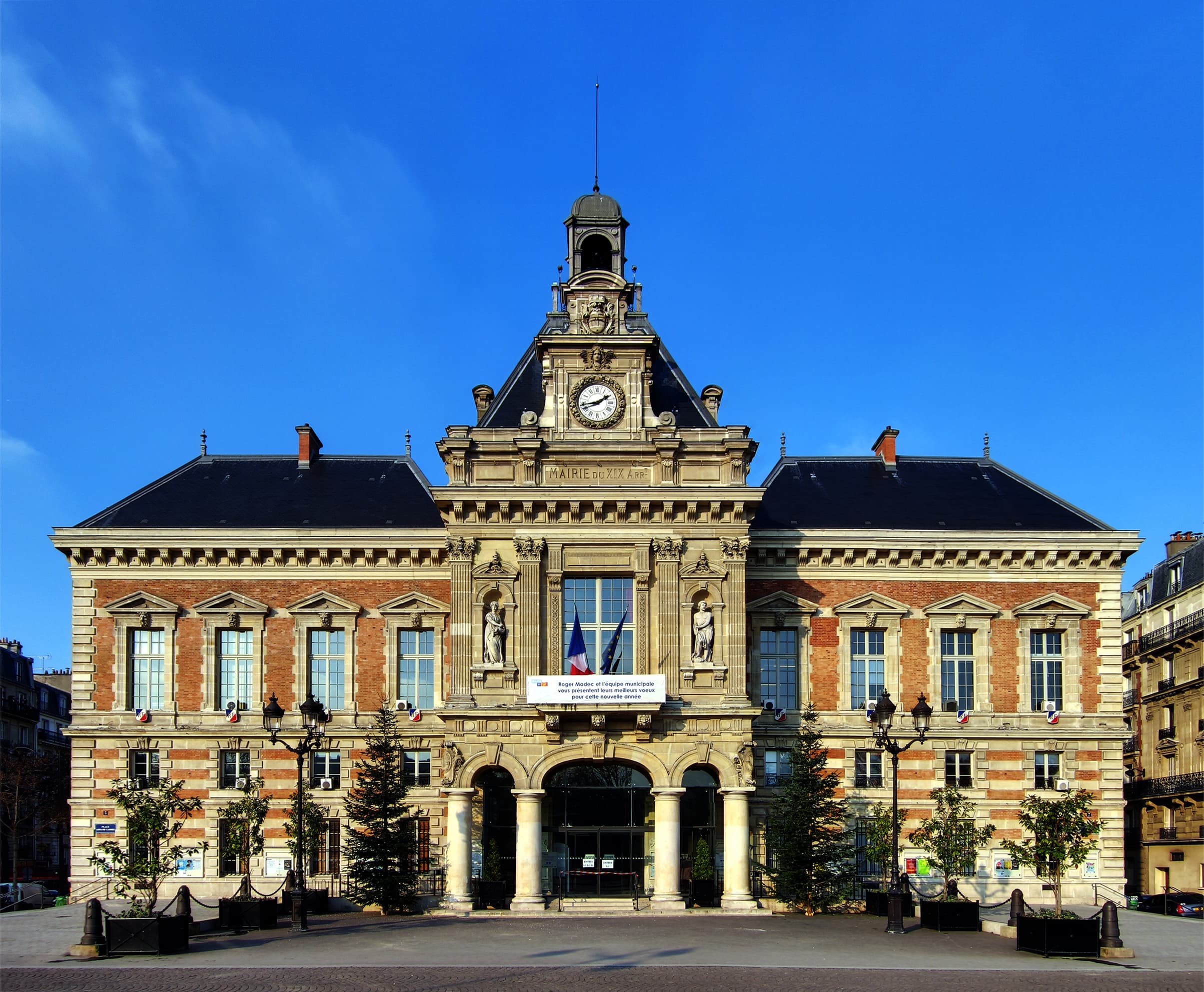
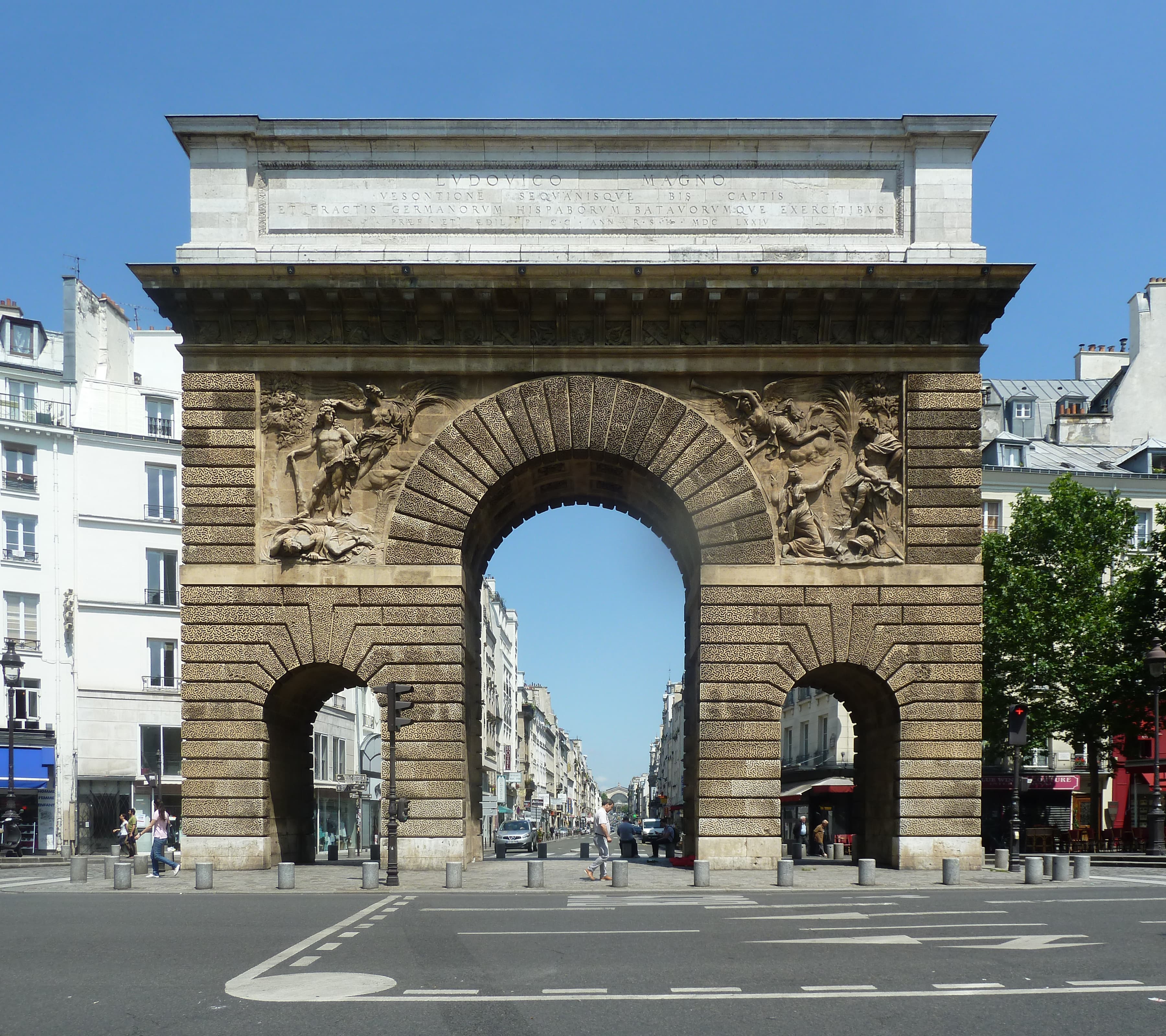
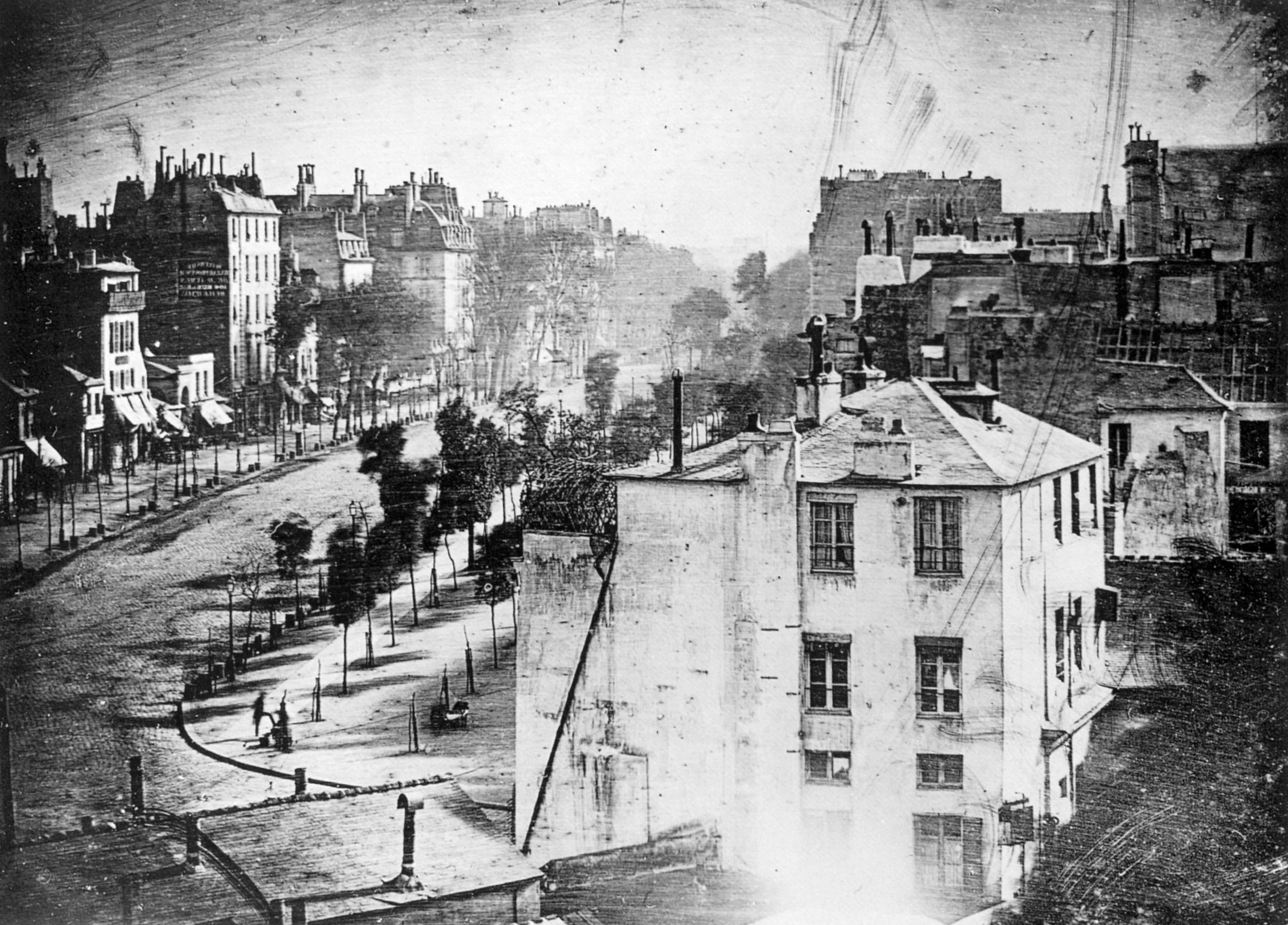
Editorial guide with history, culture, and practical tips to plan your trip.
Paris, the City of Light, transcends the title of mere capital; it is a cultural, economic, and historical icon that defines not only France but much of the European imagination. Recognized for its incomparable atmosphere, this vibrant metropolis pulsates with a unique energy that attracts travelers, artists, intellectuals, and history lovers from every corner of the planet.
Structurally, Paris is the most populous city in France. With a relatively compact urban area of only 105 square kilometers, it is estimated to house about two million inhabitants in 2025. This high population density and focus on sophisticated services have shaped a cosmopolitan metropolis where the elegance of the past meets modern financial dynamism.
When looking beyond the municipal boundaries, it is essential to consider the administrative region of Île-de-France. This vast surrounding area gives Paris a colossal regional context: an estimated population of thirteen million inhabitants in 2025. This number not only underlines the size of the community supporting the French capital but also positions the region as a vital economic engine, representing approximately 18% of France's total population.
Since its documented origins in the 17th century, Paris has consolidated itself masterfully. It is not merely a governmental seat; it has established itself as the main epicenter and attraction pole for the most diverse human civilizations – from high international finance to the most avant-garde art movements.
The historical journey of Paris is a fascinating account of ascent, transformation, and maintenance of global relevance. Its role as a center of influence did not begin by chance; it was built over centuries, consolidating particularly from the 17th century onward.
During this crucial period, Paris managed to position itself strategically on the European map. It was not just about favorable geography, but rather a pole that attracted and centralized the most powerful spheres of civilization: international trade flourished in its bustling streets; diplomacy took up residence in its palaces and secret offices; and financial centers developed complex structures of global transactions.
Throughout the centuries, Paris did not just witness European history—it shaped it. It was the cradle where revolutionary ideas blossomed in intellectual circles, while simultaneously becoming the stage for the continuous development of new artistic and scientific forms. This dual capacity to preserve a majestic past while embracing an innovative future is the pillar of its historical narrative.
Its constant evolution has transformed it into a multi-layered capital: where the weight of historical legacy coexists almost perfectly with the demanding pace of a first-rate financial and commercial center. This rich temporal tapestry is what gives its neighborhoods their unmistakable and deeply rooted soul.
Parisian culture is a vast concept, synonymous with timeless sophistication. It's not enough just to visit Paris; one must immerse oneself in its cultural spirit, which manifests in the way art, thought, and lifestyle are celebrated.
Historically, the city established itself as one of the great sources of world artistic civilization. The concentration of schools and studios over the centuries transformed Paris into a melting pot of inspiration for writers, painters, and composers searching for the next great cultural movement.
The fashion segment is another undeniable cultural pillar. From the most exclusive runways to small artisan workshops, Paris exerts global influence on dress aesthetics. The way life is lived in the city—paying attention to detail, quality, and style—has elevated dressing from a simple necessity to an art form itself.
Beyond fashion and fine arts, Paris is a nerve center for scientific development. The academic and intellectual tradition that permeates its universities and libraries reflects its historical role as a hub of science, ensuring the city remains at the forefront of human knowledge.
In summary, living in or visiting Paris means participating in an ongoing cultural spectacle. It is a place where the pleasure of the arts (visible in every museum and gallery) meets the depth of academic reflection (in its countless intellectual circles), ensuring that its rich cultural heritage remains perpetually relevant and alive.
From a geographical perspective, Paris occupies a central and significant position in the urban geography of Europe. The administrative area is quite limited: 105 square kilometers. This concentration in a relatively small space contributes to the density and charm that characterize the metropolis.
The geographical complexity of Paris must be understood within the larger context of the Île-de-France administrative region. This surrounding region is crucial in defining the economic and demographic area. With an estimated population of 13 million inhabitants in 2025, it represents not just demographic strength but the entire economic fabric supporting all urban and industrial life associated with the capital.
Geographically, Paris is more than a point on the map; it stands at the intersection of historical trade routes and modern flows of power. Its central location within France facilitates land and air connections, solidifying its status as a crucial node in any global logistical network.
This compact geographical structure, combined with the vast economic influence exerted by the Île-de-France region (whose GDP reached an impressive 709 billion euros in 2017), underlines that Paris and its surroundings form a powerful urban macro-system. It is a model of geographic success where space management contributes directly to global prominence.
While the extracted facts do not detail specific climate variations, it is known that Paris has a typically temperate and continental climate. The atmosphere of the city allows for a rich diversity of experiences throughout the year, reflecting the transition of seasons.
One can imagine autumn bringing golden color palettes to historic buildings, while spring awakens once-dormant streets with vibrant flowers. Summer invites long afternoons along the Seine, and winter, though colder, maintains a melancholic and cozy charm in its lights.
The Parisian climate is not just a meteorological condition; it shapes the rhythms of life. Local inhabitants adapt their clothing, walks, and activities according to the season, creating a calendar of experiences that ranges between the vibrant energy of summer and the elegant introspection of winter.
Regardless of the season, the constant factor in Paris is light—be it the soft glow of foggy mornings or the golden splendor of sunset over monuments. It is this continuous interaction between the natural environment and historical architecture that makes the experience of visiting so rich and multifaceted.
Paris is, unquestionably, one of the most sought-after and iconic tourist destinations on the planet. Attracting millions of visitors annually is not solely due to its architectural beauty, but to its multiple and historical status as a pole of civilization.
The tourist appeal is a magical fusion between cultural experience and economic luxury. Tourists come seeking world-famous museums that attest to its artistic greatness; sophisticated commerce celebrating its status as a global financial center; and the romantic atmosphere that defines Parisian lifestyle.
The tourism experience in Paris is a journey through different roles: the city as a living museum, where every street tells a historical chapter; the city as a stage for luxury trade, where fashion dictates global trends; and the city as a diplomatic hub, which evokes the importance of international relations.
Tourism in Paris is, therefore, a total immersion. It allows the visitor to experience the city's role not only in terms of leisure but also in terms of global power. It is a destination where one can admire masterpieces of the past while surrounded by the pulsing energy of business and contemporary arts.
What truly distinguishes Paris is its remarkable position in the world economic scenario, something often overshadowed by its artistic charm. The capital is not just beautiful; it is incredibly financially potent.
An impressive statistic about the cost of living reveals this power: in 2018, Paris was classified by the Economist Intelligence Unit Cost of Living Survey as the second most expensive city in the world. Being only behind Singapore and ahead of major centers like Zurich, Hong Kong, Oslo, and Geneva attests to the high level of quality of life, specialized services, and purchasing power found in this metropolis.
This high cost rate reflects the concentration of high value-added sectors. The surrounding administrative region (Île-de-France) is not only populous; it boasts a robust Gross Domestic Product (GDP), which totaled an incredible 709 billion euros in 2017. This number underlines the economic weight of the region on the global stage.
In synthesis, Paris offers the visitor the rare opportunity to witness a city where tradition and modernity are not competitors but partners. It is an engine of wealth (with its estimated regional GDP) that simultaneously operates as a cultural museum, ensuring that the past remains the source of inspiration for the future.
Everything you need to know to plan your trip
Currency
Euro
Reference figures to help plan your trip
Hotels in the area
864
Attractions
9
864 properties in the area
Hotels and experiences in the area
Everything you need to know to plan your trip
According to the Economist Intelligence Unit Cost of Living Survey in 2018, Paris was considered the second most expensive city in the world, only behind Singapore.
Since the 17th century, Paris has established itself as one of the main centers of Europe for finance, diplomacy, trade, fashion, science, and arts.
The French capital has an estimated population of about two million inhabitants in 2025, living within a 105 square kilometer area.
The city is located in the Île-de-France administrative region, which has an estimated population of thirteen million inhabitants in 2025, representing about 18% of France's total population.
Paris is recognized as the capital and the most populous city in France.
Extend your trip to incredible destinations nearby
We personalize every moment of your journey — from iconic landmarks to hidden cultural gems.
Available 24/7 · Personalized consultations · Local expertise
Updated on June 7, 2026
Sources