Londres
Destination
Discover London, the vibrant capital of the UK. Explore its Roman history in Londinium and iconic spots like Big Ben and Buckingham Palace.
Londres · Brasil
Photos
Discover the landscapes and culture of London



Editorial guide with history, culture, and practical tips to plan your trip.
London is not merely the capital of England; it represents the vibrant, multifaceted heart of the United Kingdom. This global metropolis housed, for over two millennia, a monumental settlement whose influence transcends British borders. Since its origin as a strategic outpost, London has solidified itself as a nerve center of world political, cultural, and economic power.
The importance of London is palpable in its international role: the city hosts the official headquarters of the Commonwealth of Nations, reinforcing its position not only as a national capital but also as a convergence point for various nations with historical and cultural ties. This global function grants the metropolis an unparalleled aura of diplomatic significance.
The modern concept of London encompasses the vast area known as Greater London. This conurbation extends beyond the original city limits but preserves, in its core, the historic and architectural memory of its Roman founding, creating a fascinating contrast between ancient past and contemporary urban vigor.
London's trajectory is an epic narrative of resilience and transformation. Its roots date back to the Roman period when it was established and received the historical name of Londinium. This foundational event marks the start of a cycle lasting over two millennia, allowing the city to witness the rise and fall of empires and profound societal changes.
The metropolitan area's history is fascinating due to its temporal divisions. While 'London' today refers to the large metropolis developed around the center, this original core maintained a profoundly medieval character. The area that constitutes the old City of London not only preserves its medieval boundaries but also functions as an urban time capsule.
The evolution of the city is particularly notable in the post-19th century period. It was during this time that the term 'London' began to denote not just the ancient settlement, but rather a vastly expanded and modernized metropolis around its original historical core. This expansion designed the complex conurbation we know today.
London's culture is a vibrant mosaic, forged by the fusion of millennia-old Roman traditions with migratory waves and cultural developments of recent centuries. Hosting the Commonwealth headquarters attests to the profound cultural and political depth of the location.
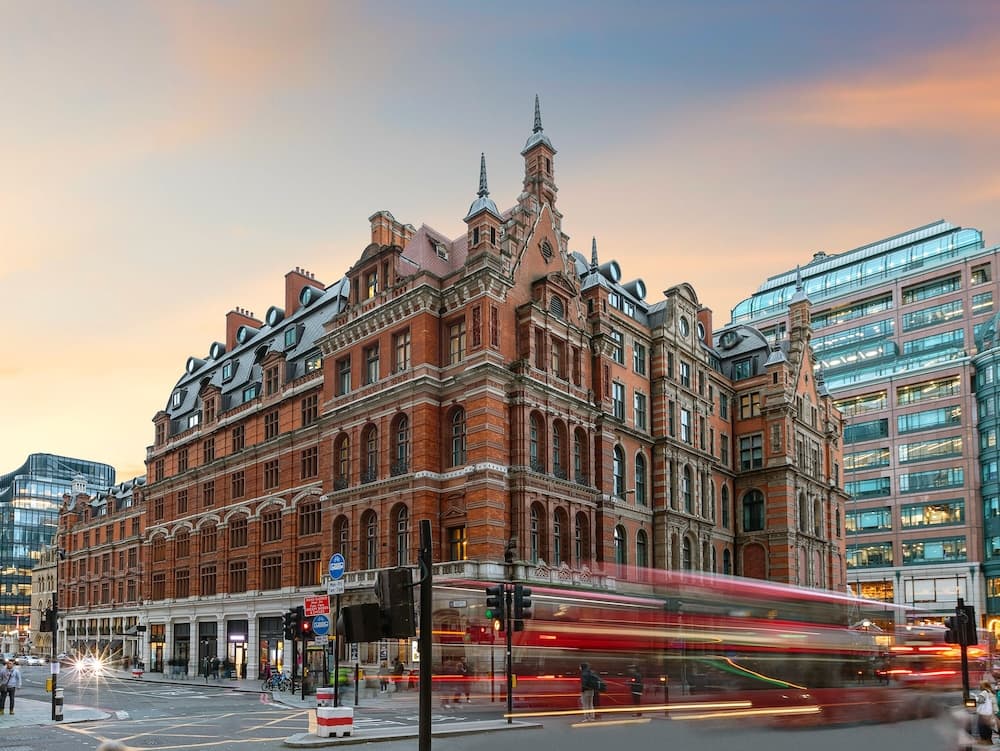
The most striking cultural aspect is the coexistence of different layers of time. In one neighborhood, you can find architectural solidity that directly references the Roman or medieval era; in another, the dizzying pace of a 21st-century global metropolis. This cohabitation creates a rich and stratified cultural fabric.
The city's very identity is a cultural reflection: it balances the strict maintenance of ancient limits—such as the medieval boundaries of the old City—with the ceaseless dynamism of a growing metropolis, ensuring that respect for history remains central to daily life and urban planning.
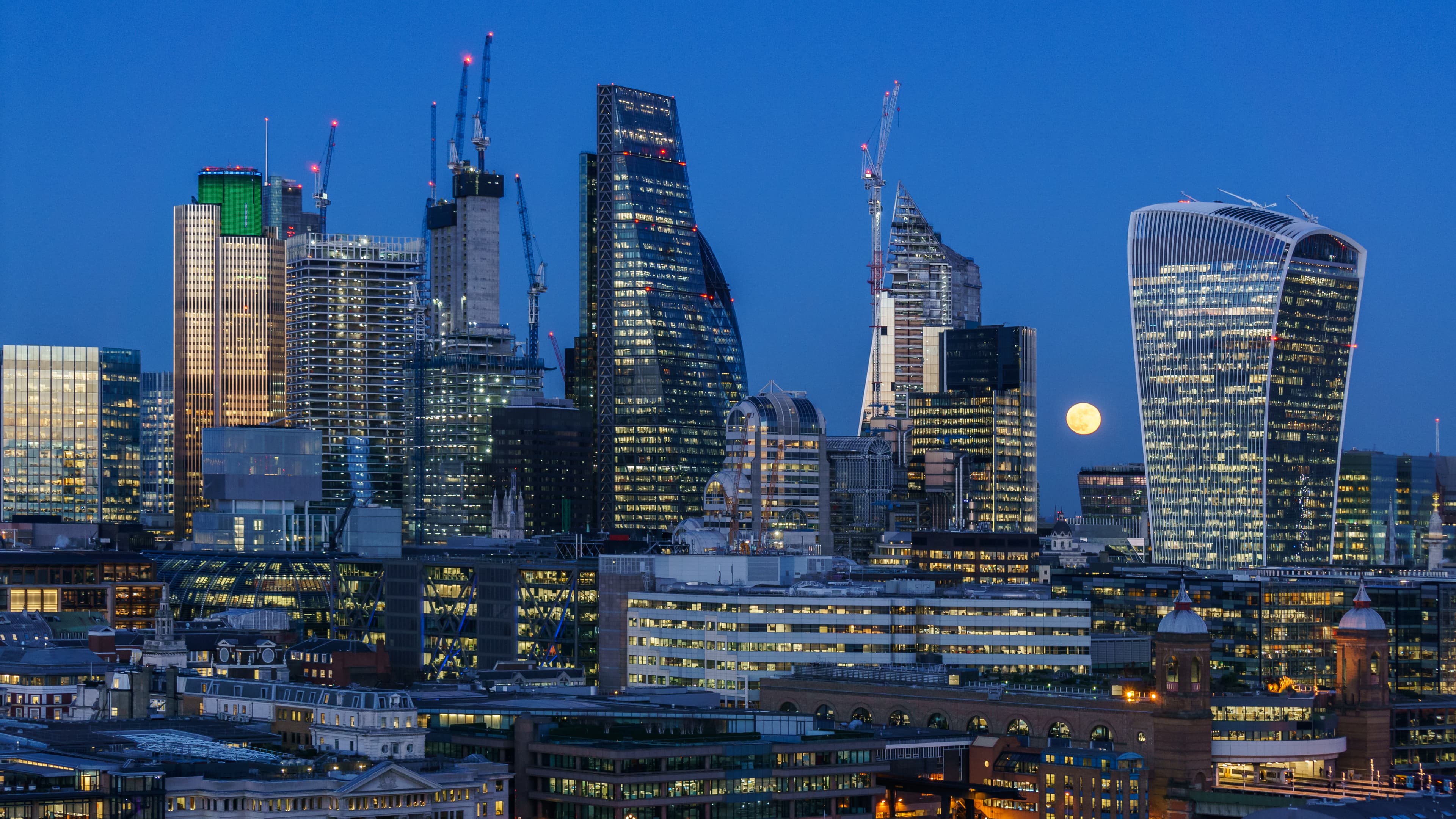
From a geographical standpoint, London is characterized by structural duality. On one side, we have the historic core, the old City of London. This area maintains its preserved medieval boundaries, giving it a defined and historically cohesive character, often referred to as The Square Mile or simply The City.
On the other side lies the vast region of Greater London. This conurbation represents significant urban growth over time, particularly evident from the 19th century onwards. Geographically, this expansion demonstrates how a city can grow exponentially without completely erasing its deep roots.
Currently, much of this metropolitan area constitutes Greater London, a robust and autonomous administrative region with its own government structure. This modern political organization is crucial for managing the geographical complexity spanning from the medieval core to the modern suburbs.
Due to limitations in supplied facts and sources, specific climate data for London could not be extracted. However, it is known for its temperate maritime climate, typically influenced by proximity to the sea, ensuring moderate seasonal variation and a touch of unpredictability that contributes to the city's unique atmosphere.
London's tourist appeal resides precisely in its ability to tell multiple stories. Visitors are drawn both by the grandeur of its global role—evidenced by hosting the Commonwealth—and by a deep dive into its millennial roots.
The tourist experience is characterized as time travel, where visitors can walk through the historic walls that guard the medieval limits of the City of London. This preserved area offers a fascinating contrast to the energy and frantic movement of more recent areas built around the original core.
The complexity of its history—from Londinium to the modern metropolis of Greater London—ensures there is always something new and profoundly rooted to explore, attracting travelers seeking both global glamour and the quietude of secular traditions.
One of London's most striking curiosities is its system of dual identity. The name 'London' today does not refer only to the original settlement but rather to the vast modern metropolis developed around this millennia-old core. This distinction helps understand the difference between the historical heart and the contemporary extent of life in the city.
Another unique point is the maintenance of medieval boundaries in the old City of London. This small piece of London operates as a guardian of the past, contrasting dramatically with the immense modern scale of Greater London surrounding it. It is a kind of historical microcosm within a megalopolis.
The administrative organization is equally curious: much of this conurbation forms the region called Greater London, which possesses a modern and elected government system, with its own mayor and assembly, ensuring that the management of this complex metropolis is adaptable to the needs of a global population.
Everything you need to know to plan your trip
Reference figures to help plan your trip
Hotels in the area
608
Attractions
9
608 properties in the area
Hotels and experiences in the area
Everything you need to know to plan your trip
The city's history dates back to the Romans, who founded it as Londinium. For two millennia, it was an important settlement.
Central London, known as the old City of London, also nicknamed The Square Mile or simply The City, retains its medieval boundaries.
Most of it is comprised by the Greater London region, which has its own elected mayor and assembly.
London is the capital of both England and the United Kingdom.
The city hosts the headquarters of the Commonwealth of Nations.
Extend your trip to incredible destinations nearby
We personalize every moment of your journey — from iconic landmarks to hidden cultural gems.
Available 24/7 · Personalized consultations · Local expertise
Updated on June 7, 2026
Sources