Dublin
Destination
Dive into the magic of Dublin! Explore Ireland's vibrant capital, famous for its historic pubs, rich culture, and the charm of the River Liffey. Plan your unforgettable trip!
Dublin · Brasil
Photos
Discover the landscapes and culture of Dublin
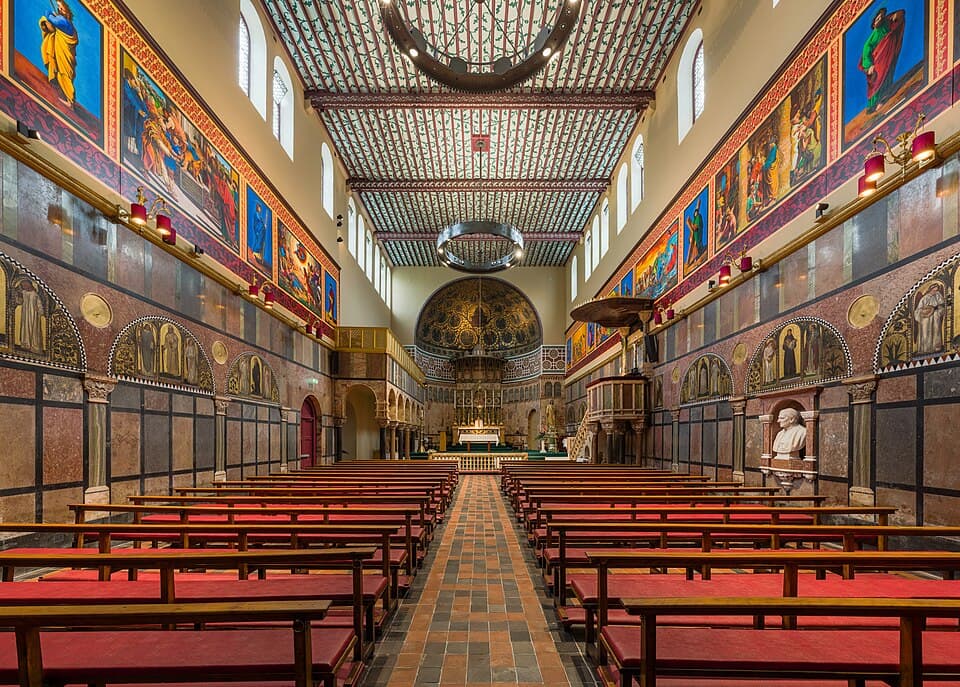
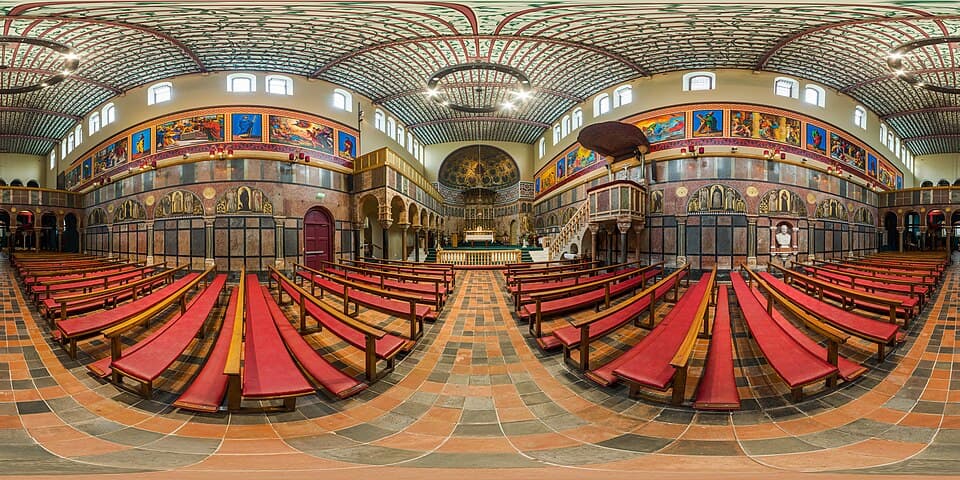
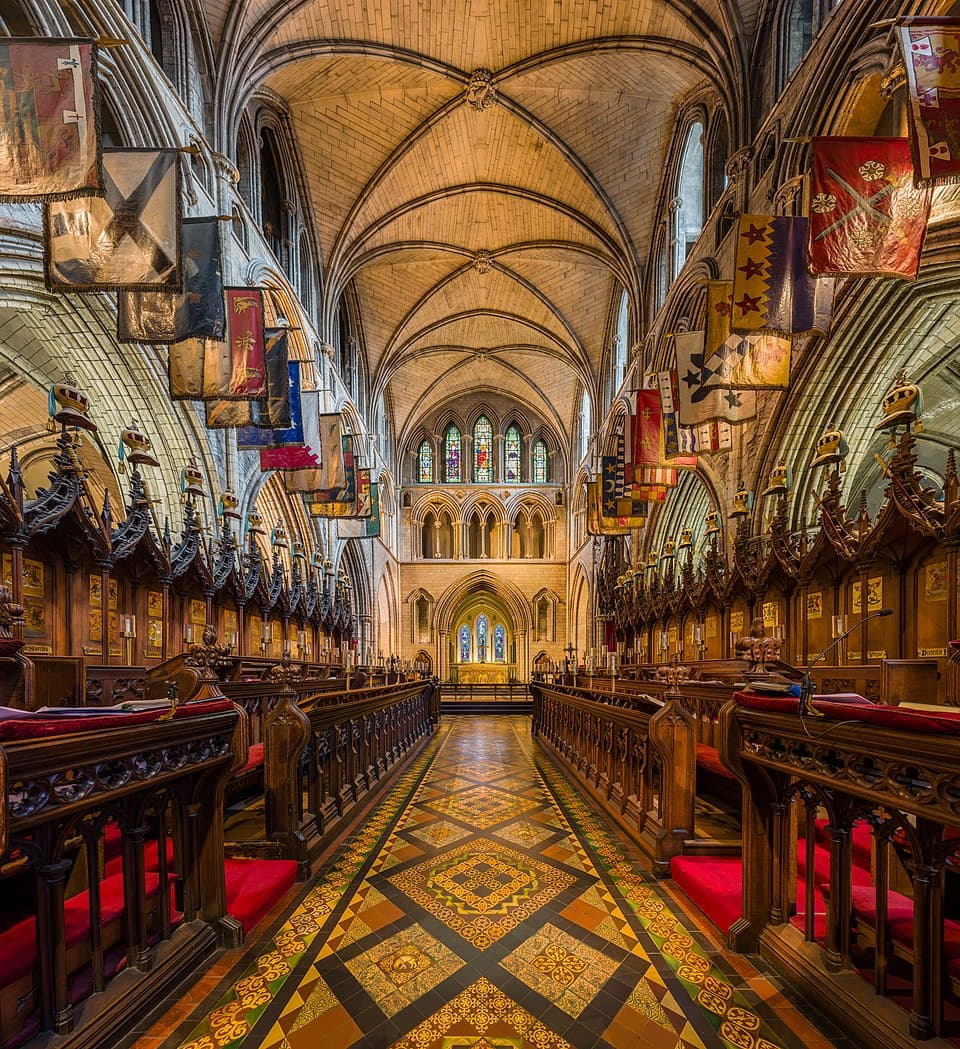
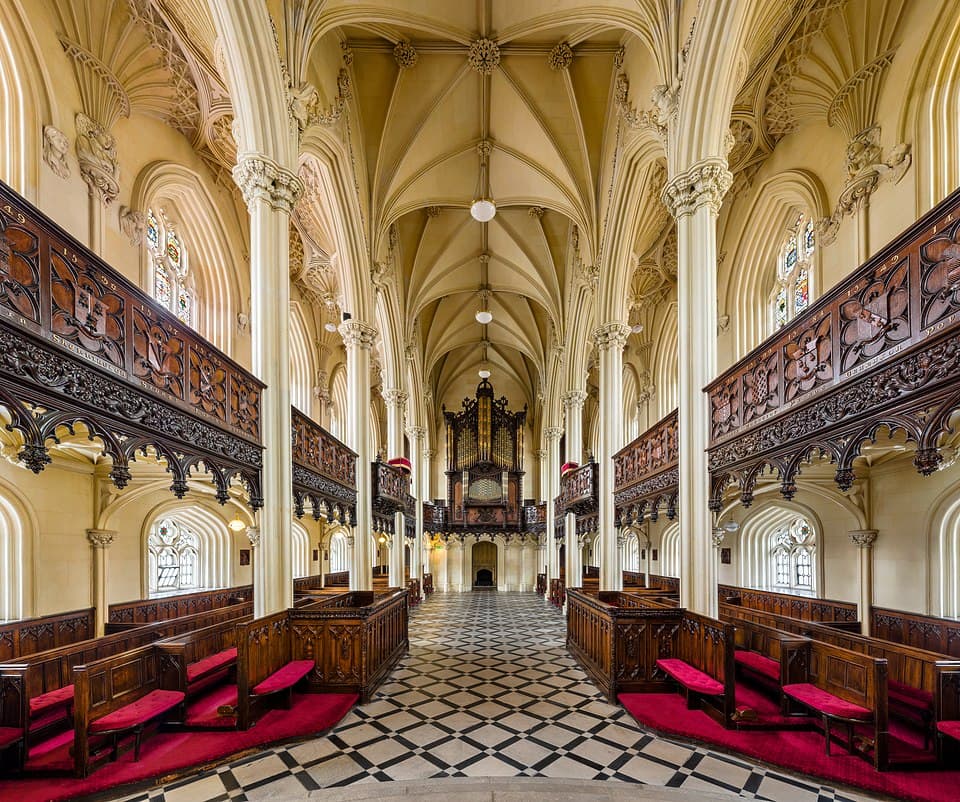
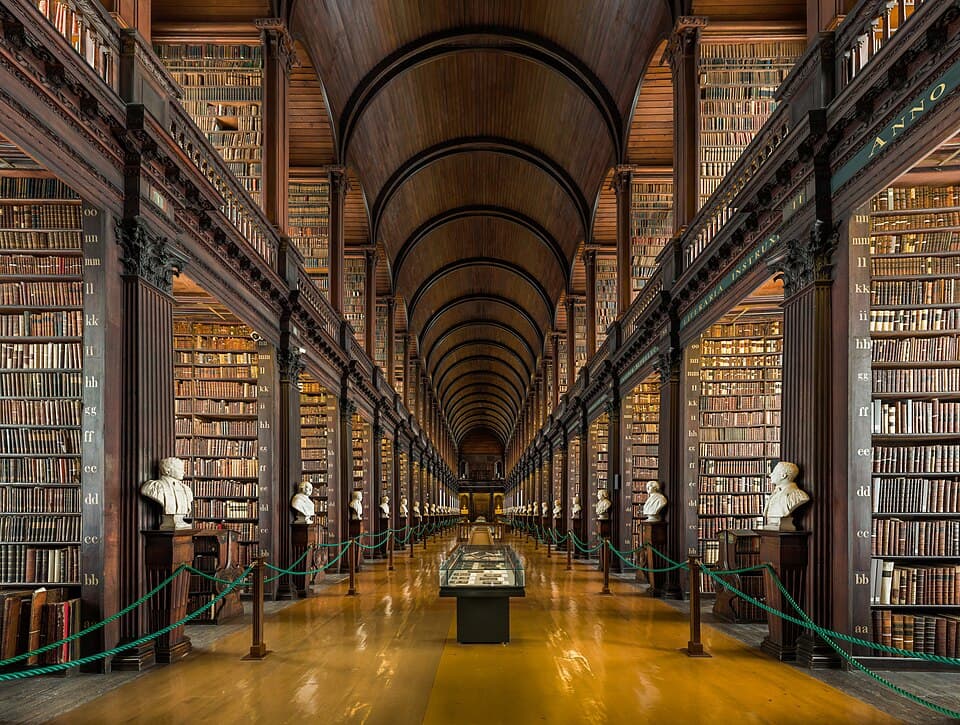
Editorial guide with history, culture, and practical tips to plan your trip.
Dublin, known in Portuguese as Dublim, is much more than just a capital; it has established itself as Ireland's largest and most vibrant metropolis. Its presence in the national landscape is not merely administrative, but rather a cultural and demographic focal point. The city carries a rich identity, whose very nomenclature narrates its deep connection to the surrounding natural environment.
The English name Dublin traces its roots to an ancient Irish word: "Dubhlinn." This ancestral term holds a poetic and evocative meaning that translates to "Black Lake." This linguistic origin suggests a historical connection of the people with deep bodies of water, marking the collective imagination of the region since time immemorial. The city is strategically situated in the province of Leinster, positioned near the median point marking Ireland's east coast, granting it both access and a panoramic view of both the continent and the sea.
Structurally, Dublin was shaped by its central geographic characteristic. It is traversed by the majestic River Liffey, a watercourse that not only divides the urban landscape but also serves as a vital axis for the region's historical and modern development. From its geographic heart in the area known as Dublin, it consolidated itself as the nerve center of both the urban and administrative aspects of the province.
The administrative organization of Dublin underwent significant transformations over time, reflecting its growing importance to the nation. A key milestone in its structural development occurred in 1898. During this period, the city achieved an administrative level that granted it formal status as "county-boroughs," raising its relevance and institutional definition within Ireland.
This administrative consolidation demonstrates not only population and urban growth but also the formal recognition of its central role in the province of Leinster. The geographical boundaries defining it are well-established, covering a vast area that includes neighboring counties: to the north is Fingal; in the southwest is Dublin meridional; and in the southeast, the territory is delimited by Dun Laoghaire-Rathdown. This territorial definition shows that the city does not exist in isolation, but rather within a complex system of geographical and community connections.
The River Liffey remains a silent witness to this historical evolution. It is more than just a boundary; it represents the continuous flow of life in the region, passing through the pulsating center of the Dublin area and shaping architectural and social development over the centuries.
Although specific cultural details are not listed in this information material, the very existence of Dublin as a capital and major city implies a rich cultural tapestry. Its location in the center of the Dublin region, cut by the River Liffey, suggests a vibrant cultural melting pot, where age-old Irish traditions meet the fast pace of contemporary urban life.
The history of the name, "Dubhlinn" – Black Lake – already evokes a layer of mysticism and poetry that permeates the cultural identity. This etymological connection suggests a profound respect for nature and the water resources that have shaped the Irish people over the centuries.
Urban development, delimited by clear boundaries such as Fingal county (to the north), Dublin meridional (in the southwest), and Dun Laoghaire-Rathdown (to the southeast), points to a highly organized and integrated community. This geographical integration is a cultural pillar that supports large-scale life, allowing historical traditions to coexist with the modernity of a populous metropolitan area.
Dublin is situated in the province of Leinster, a key region of Ireland. Its geographic position is strategic, located near the median point of the country's east coast. This coastal location not only grants it specific maritime and climatic influences but also ensures vital connections with global trade and culture.
The city's geographical layout is largely determined by the prominent presence of the River Liffey. This river cuts through the heart of Dublin, serving as a natural divider that organizes neighborhoods and the development of urban infrastructure. The metropolitan area is not limited solely to the strictly central limits; it encompasses a vast population region.
From the point of view of its territorial boundaries, the city is surrounded by neighboring counties that define its extent: to the north is Fingal county. To the southwest, the limit meets Dublin meridional. In the southeast direction, Dun Laoghaire-Rathdown establishes the border relative to the main city. This clear delimitation not only organizes urban space but also reflects a complex and well-defined territorial management.
Although the facts provided do not specifically detail Dublin's climatic or seasonal variations, its coastal location in Leinster indicates that the climate is strongly influenced by the Atlantic Ocean. The proximity to the east coast grants the area a temperate marine climate regime.
This type of positioning generally results in moderate climatic conditions, characterized by mild temperatures and gentle variations between seasons. The Atlantic environment is crucial for the region's ecosystem, shaping not only human life but also the landscape visual that surrounds the city's administrative boundaries.
It is important to note that this coastal geographical characteristic contributes enormously to the quality of life and general atmosphere of the metropolis, making it an appealing destination due to its mild climatic variations compared to more interior or continental regions. The maritime influence is a defining element of Dublin’s physical character.
As the capital and largest urban center in Ireland, Dublin attracts visitors from all over the world, making it a destination that combines rich history with vibrant urban energy. Its tourist appeal is intrinsically linked to its historical identity and its geographic heart centered by the River Liffey.
The dynamic geography and multiple neighboring counties – Fingal, Dublin meridional, and Dun Laoghaire-Rathdown – ensure that tourists have the opportunity to explore not only the central core of the city but also the adjacent suburban and coastal areas. Traveling through the metropolitan area is a journey through history and constantly changing landscapes.
The River Liffey is an attraction in itself, serving as a stage for walks, panoramic views, and observing daily life unfolding along its historic banks. The population density and large metro area of 1,263,219 residents guarantee robust tourist infrastructure, capable of receiving massive flows of people seeking culture, history, and leisure.
One of the most fascinating curiosities about Dublin is its name origin. The English term "Dublin" derives directly from the ancient Irish word “Dubhlinn,” which has the poetic meaning of "Black Lake." This etymology suggests a millennia-old connection to the large bodies of water surrounding the urban core.
Another notable statistic is the demographic scale. While the city center has approximately 592,000 inhabitants, the surrounding metropolitan area has a significantly larger number of residents: about 1,263,219 people. This disparity underscores the vastness and complexity of the urban agglomeration that Dublin represents.
Geographically, the degree of administrative organization achieved by the city is notable, as it has maintained the status of "county-boroughs" since 1898. This reflects a high level of institutional territorial management and recognition within the province of Leinster. Being cut by the River Liffey and delimited by specific counties (Fingal to the north, Dublin meridional to the southwest, and Dun Laoghaire-Rathdown to the southeast) gives Dublin an incredibly well-defined and organized geographical structure.
Everything you need to know to plan your trip
Reference figures to help plan your trip
Hotels in the area
115
Attractions
9
115 properties in the area
Hotels and experiences in the area
Everything you need to know to plan your trip
Dublin is the capital and largest city of Ireland, located within the province of Leinster.
The city is cut by the Liffey River.
The English name derives from the Irish word 'Dubhlinn,' meaning 'Black Lake'.
The city has an estimated population of 592,000 inhabitants, while its metropolitan area counts approximately 1,263,219 residents.
The boundaries encompass Fingal county to the north, Dublin meridional to the southwest, and Dun Laoghaire-Rathdown to the southeast.
Extend your trip to incredible destinations nearby
We personalize every moment of your journey — from iconic landmarks to hidden cultural gems.
Available 24/7 · Personalized consultations · Local expertise
Updated on June 7, 2026
Sources