Arraial do Cabo
Destination
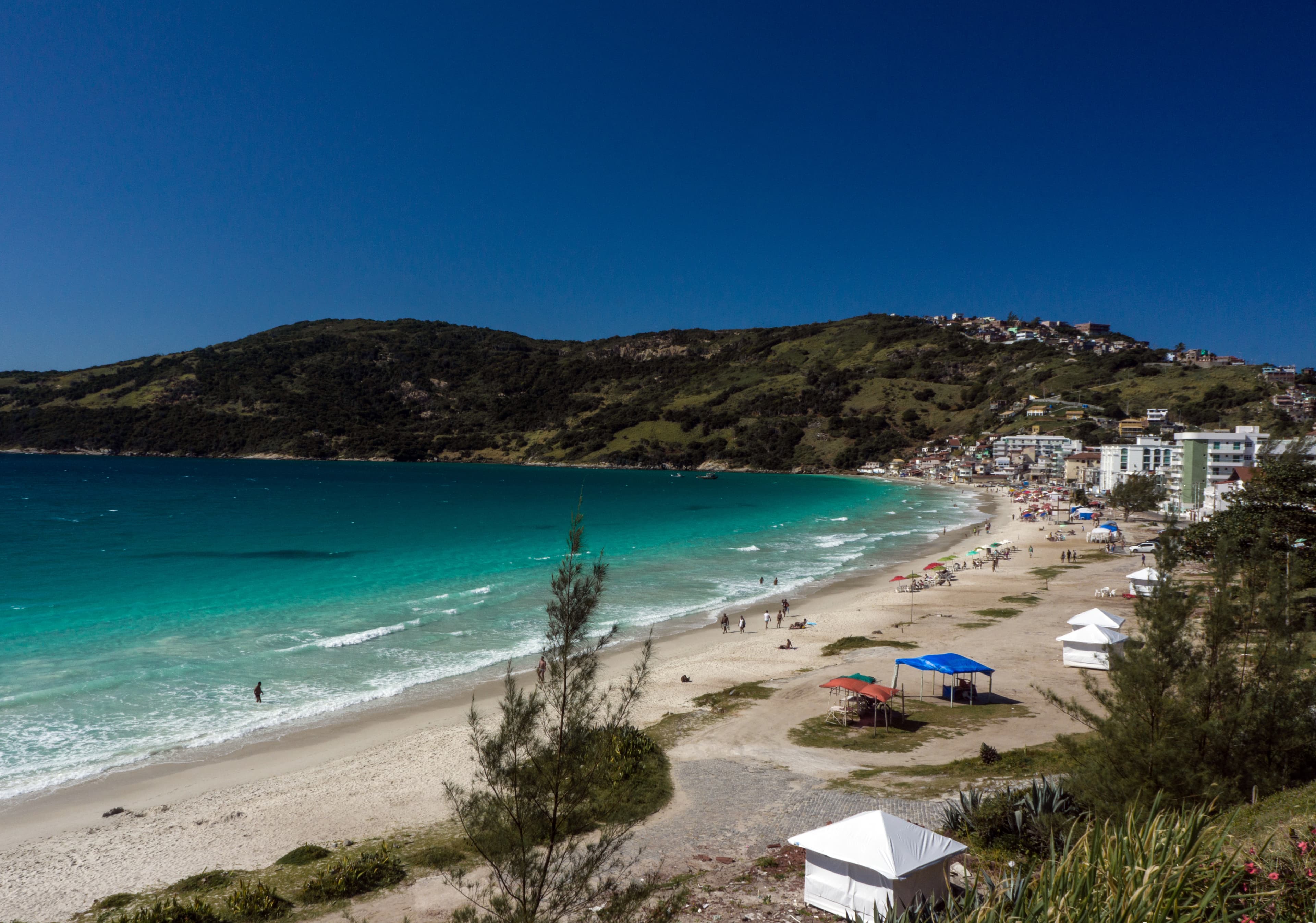
Discover the paradise of Arraial do Cabo in Rio de Janeiro. Enjoy crystal-clear beaches, diving, and the best excursions in the Lagos Region.
Arraial do Cabo · RJ · Brasil
Photos
Discover the landscapes and culture of Arraial do Cabo
Editorial guide with history, culture, and practical tips to plan your trip.
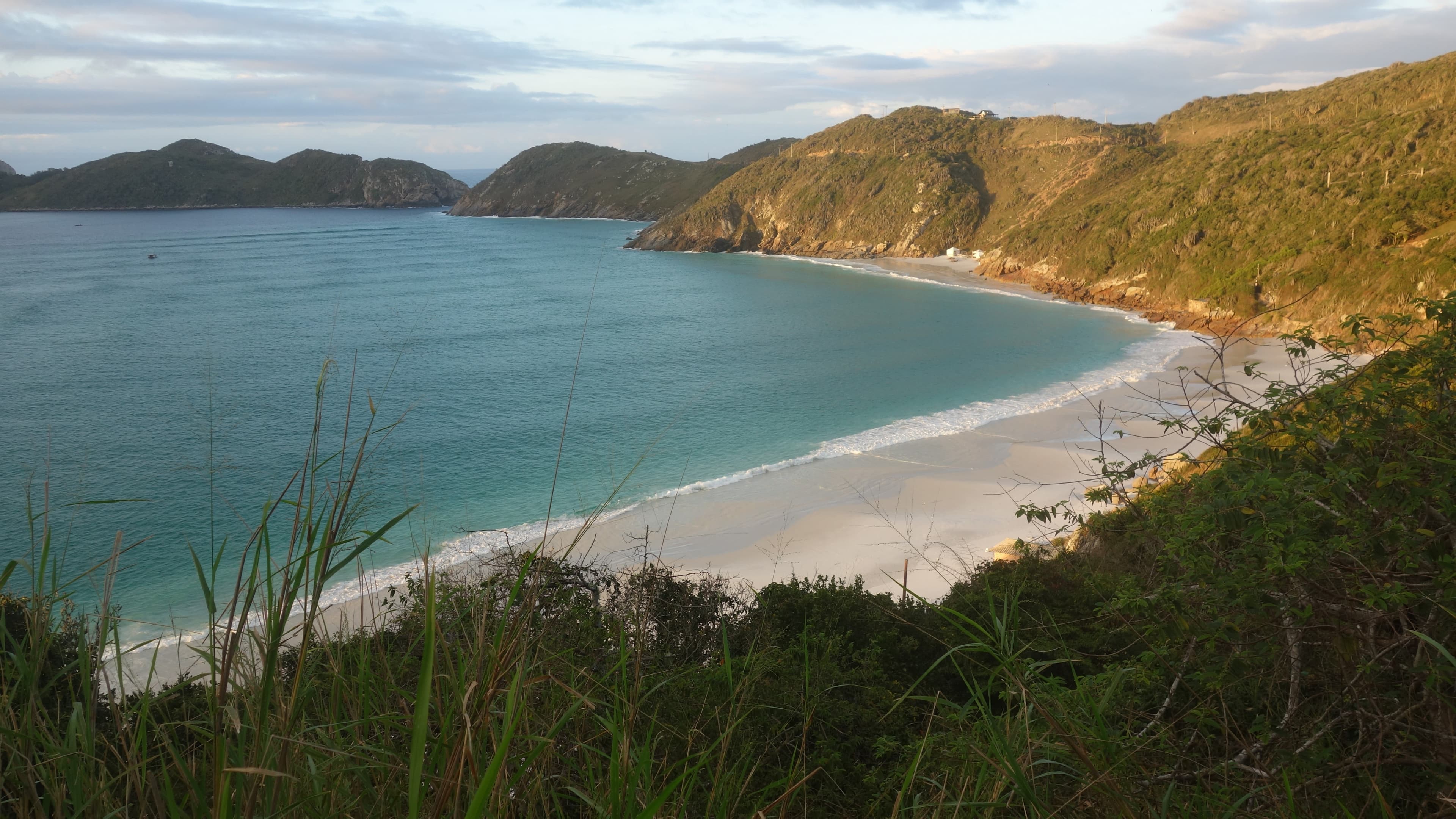
Arraial do Cabo is one of the most coveted and unique destinations on the Brazilian coast, nested in the vibrant heart of the Lagos Region (Região dos Lagos) in Rio de Janeiro state. More than just a point on a tourist route, it is a coastal city marked by paradisiacal landscapes and incredibly crystal-clear waters.
From its first glance, Arraial captures the essence of an exuberant tropical coastline. The local geography gives the city a notable characteristic: its average altitude is extremely low, reaching only eight meters above sea level. This proximity to the ocean not only defines its dazzling view but also shapes the rhythm of life and activities that attract visitors from all parts of Brazil.
Despite its contemporary tourist fame, the arraiaense identity carries deep layers of history. It is a municipality whose development was slow and gradual, consolidating over centuries until it received the formal recognition that today makes it the paradise millions seek to uncover.
The trajectory of Arraial do Cabo is fascinating and dates back to the early days of Brazilian colonization. Although it is a destination that attracts attention for its maritime beauty, its historical roots are deep.
Records indicate that the settlement of the region was established in 1503 by the Portuguese conqueror Américo Vespúcio. Since then, the area went through different phases of occupation and development, molding a character that mixes maritime tradition with the energy of modern tourism.
However, complete administrative recognition took time to arrive. For a long period, Arraial was under the jurisdiction of neighboring municipalities, undergoing a gradual and complex process of political autonomy. Only in 1985 did the city achieve its complete emancipation from the municipality of Cabo Frio, consolidating itself as an independent municipal entity ready to flourish at its own pace.
This history of the struggle for local identity reflects the deep attachment of its inhabitants to the coastal territory. Population growth accompanied this process, reaching a significant population—about 28,866 inhabitants, according to IBGE data in 2014—a number that evidences its consolidation as an important regional hub.
The arraiaense culture is intrinsically linked to its coastal environment. The sea is not just a landscape; it is the central axis of local life and traditions.
Since its formation, the community developed a strong bond with maritime activities. This connection is reflected in daily life, artistic expressions, and the way of life of its residents. Local cuisine, for example, is rich in fresh seafood, celebrating what the ocean offers daily.
Although historical data focuses more on territorial occupation, contemporary culture is marked by hospitality and the vibrant spirit typical of the Lagos Region. The arraiaense people have transformed their lives from traditional fishermen into a cultural hub that celebrates both the colonial past and the fast pace of globalized tourism, while always maintaining an essential Carioca (Rio de Janeiro) and Fluminense identity.
Located in the Lagos Region, Rio de Janeiro state, Arraial do Cabo boasts a privileged geographical location. Its coastal position makes it a convergence point between untouched natural beauty and infrastructure connecting it to the rest of the country.
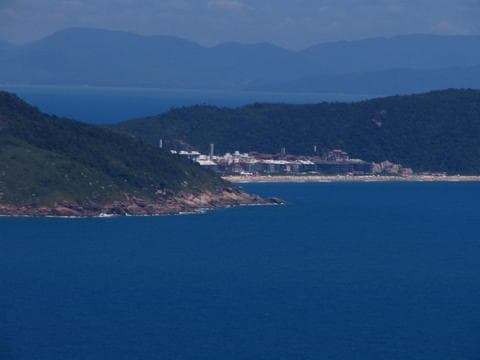
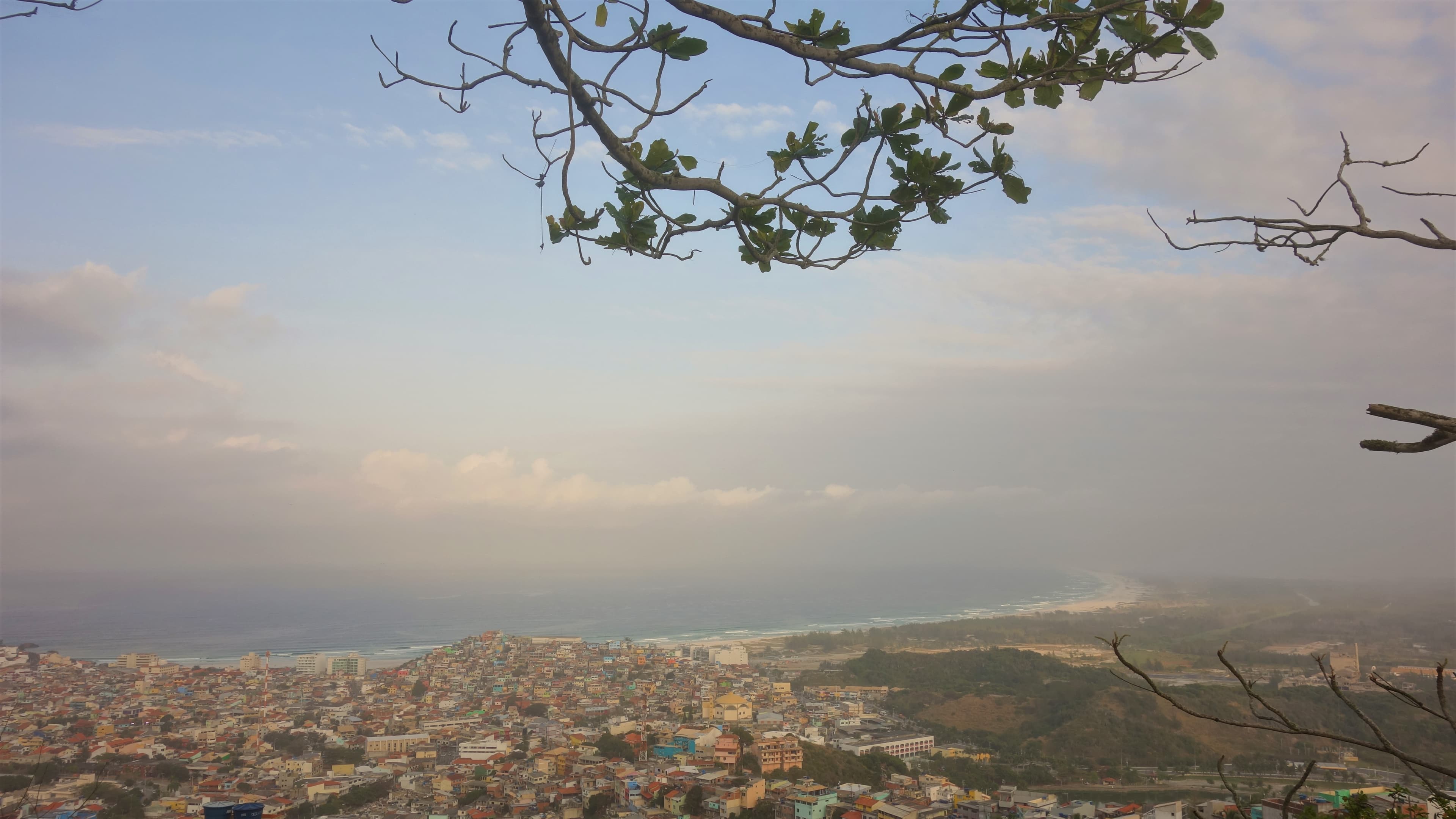
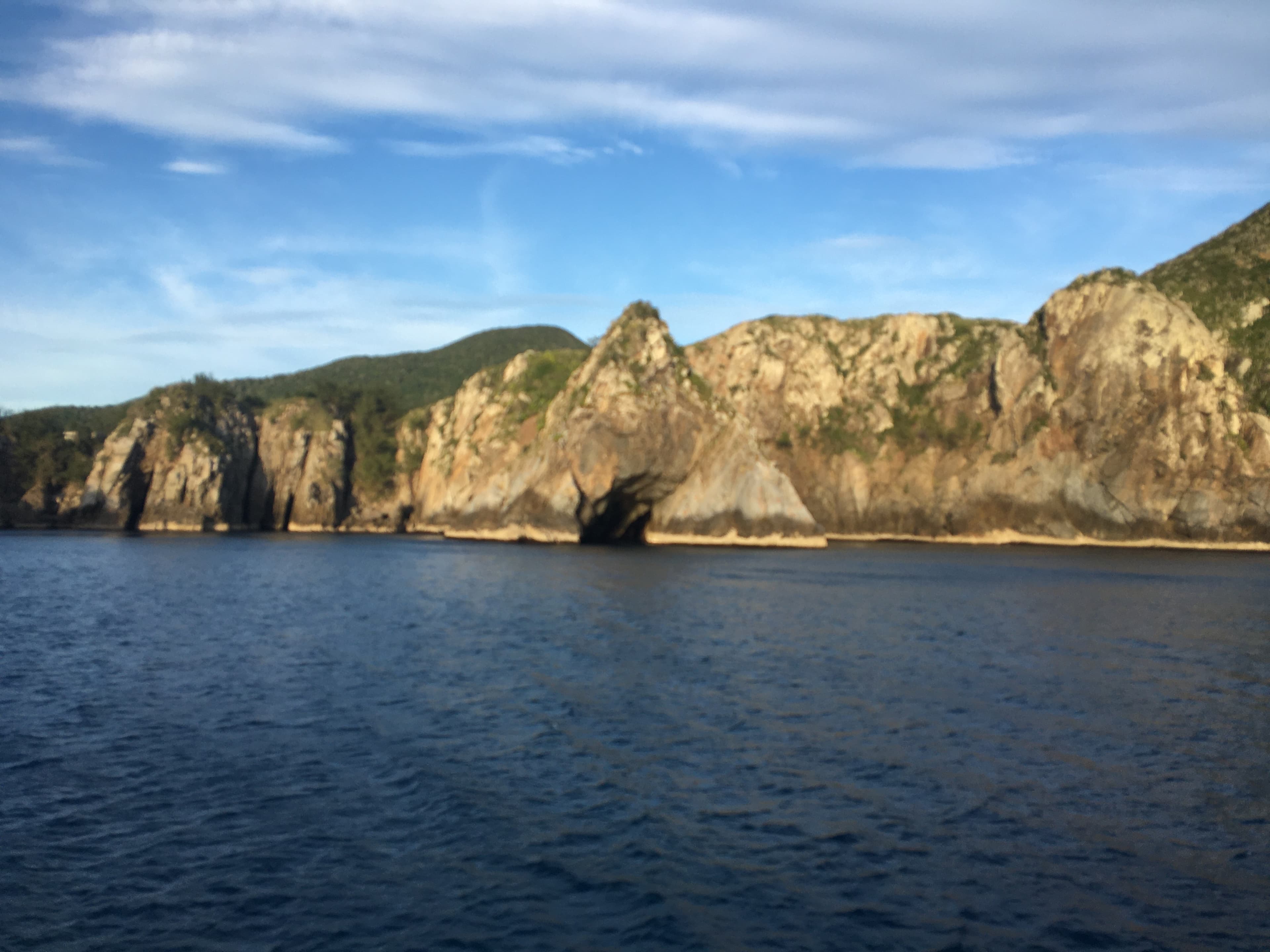
The physical characteristics of the region are marked by its coastal plain, reinforced by the fact that it has an extremely low average altitude, around only eight meters. This feature shapes the topography, creating bays, extensive beaches, and cliffs that plunge into the deep blue sea.
Access to Arraial do Cabo is facilitated by important state and federal highways. The road infrastructure includes the RJ-140/BR-120 and the important RJ-102. These connections ensure that the flow of people and services keeps the region accessible, allowing both local residents and tourists to arrive with relative ease.
Due to its location in the Lagos Region and its very low average altitude (only eight meters), Arraial do Cabo enjoys a typical coastal tropical climate. The climatic conditions are extremely favorable for outdoor activities.
The climate is generally warm and humid, with variations that follow the most typical seasons of southeastern Brazil. This location guarantees the constant presence of sea air (maresia), a natural element that imparts incomparably pure air and scenery.
Seasonality directly influences the tourist rhythm: dry periods tend to offer clear skies and ideal conditions for sailing and diving. However, even during transition days, the sea breeze dominates, keeping the environment always fresh and inviting.
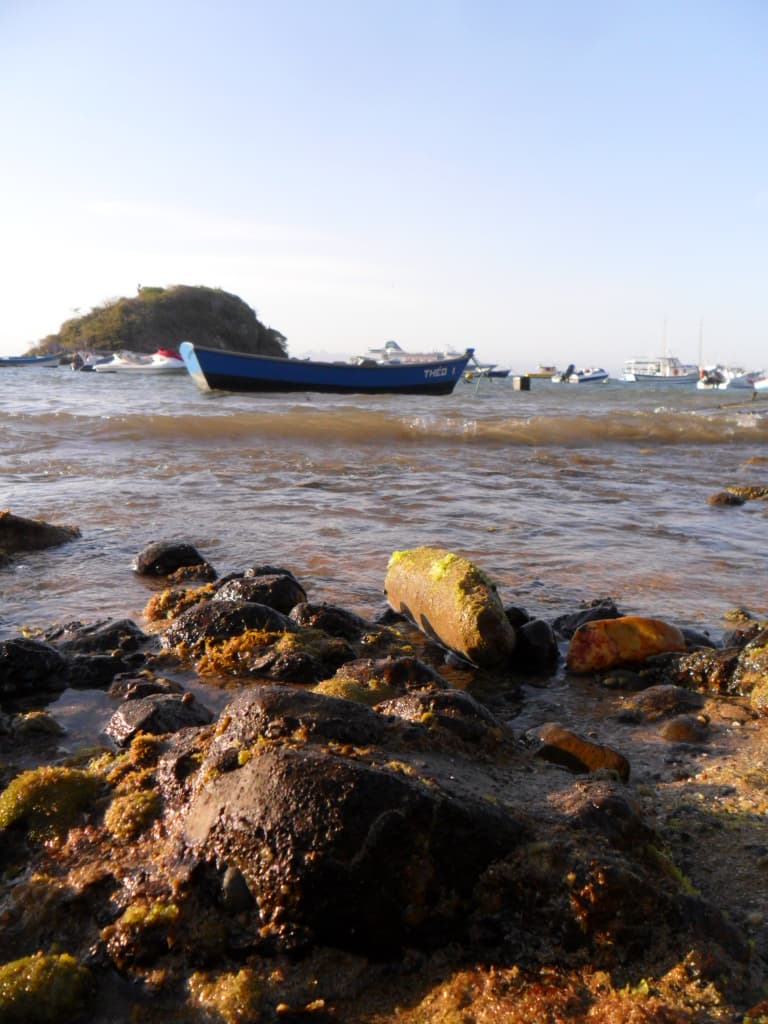
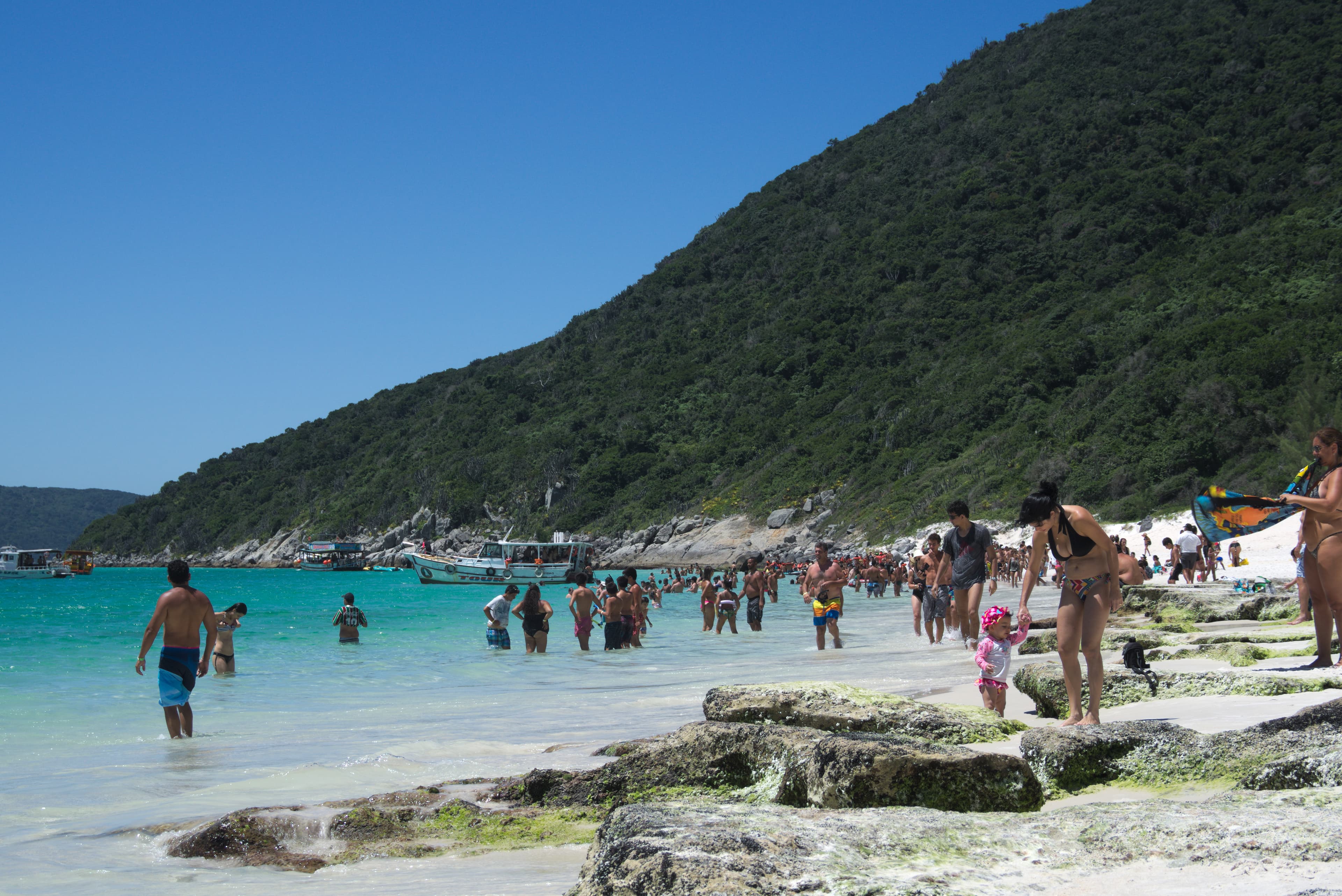
Tourism is the backbone of Arraial do Cabo's modern economy and identity. The city is world-famous for its spectacular beaches, crystal-clear Caribbean waters, and dramatic rock formations.
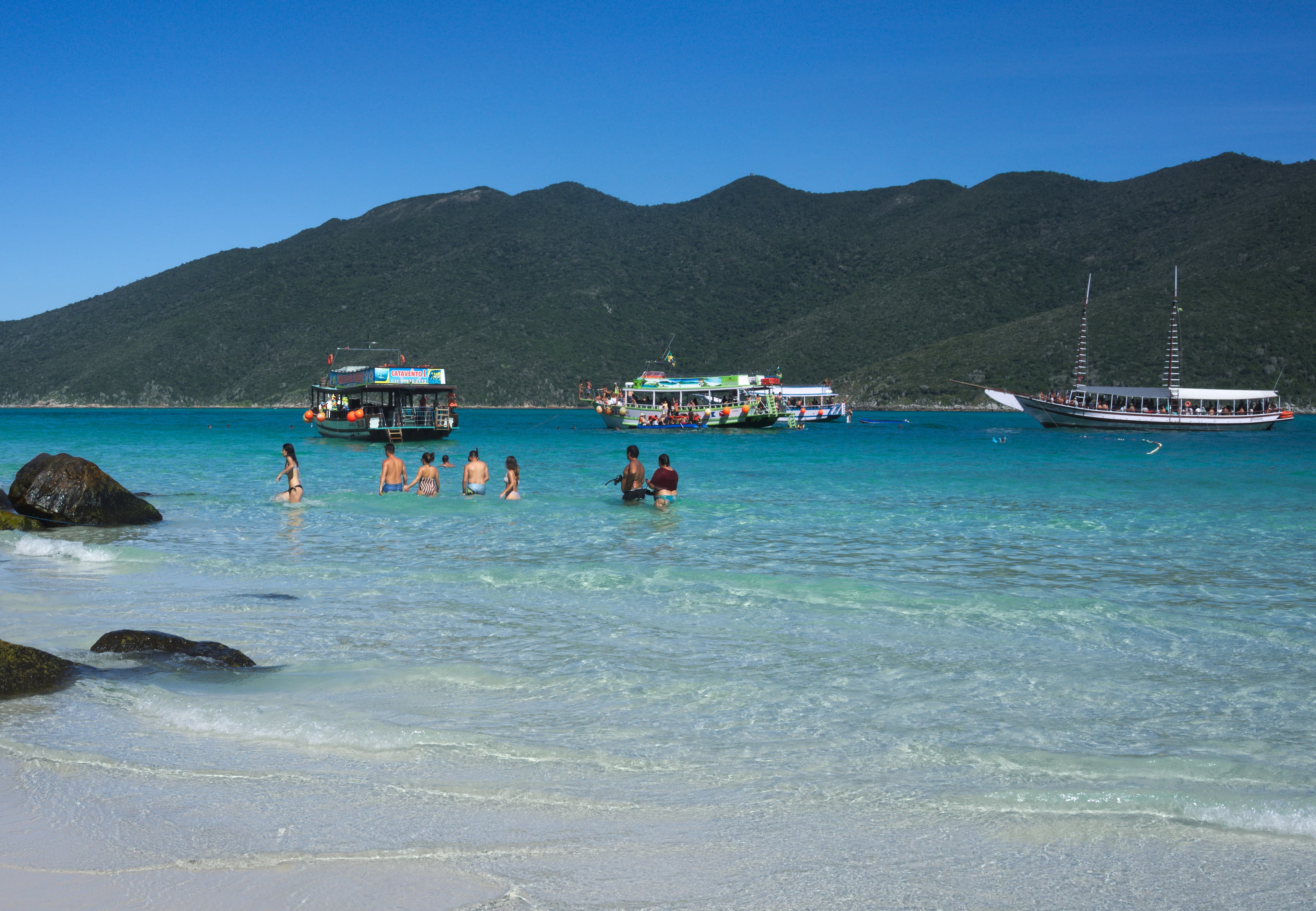
The tourist experience in Arraial goes far beyond simply swimming; it encompasses diving into underwater landscapes that seem straight out of a postcard. Popular activities include boat trips, floating (snorkeling/free diving), and snorkeling, allowing visitors to explore the marine biodiversity in its purest state.
Tourists are attracted by the contrast between the deep blue of the ocean and the vibrant colors of marine life and rock formations. The low altitude of the city ensures that practically all leisure area is in direct contact with the coast, optimizing the natural experience.
Arraial do Cabo possesses an interesting set of data illustrating its history and growth. It is remarkable how this jewel of the Lagos Region managed to consolidate itself, overcoming logistical and administrative challenges to achieve full municipal status in 1985.
In demographic terms, the population was approximately 28,866 inhabitants in 2014, a number that reflects a vibrant and resilient community, accustomed to receiving a constant flow of visitors who admire its natural beauty. This population density in such an open setting is fascinating.
A curious geographical fact is the low average altitude: only eight meters. This metric underscores the profound connection between residents and the coastline, making the sea the most determining element in both the landscape and the arraiaense way of life.
The road infrastructure serving the region (RJ-140/BR-120 and RJ-102) is not just a passageway; it represents the vital arteries that keep the community connected to the rest of the state, ensuring the continuous flow of commerce and people to preserve its paradisiacal charm.
Everything you need to know to plan your trip
Reference figures to help plan your trip
Attractions
9
Selected stays available to book
Hotels and experiences in the area
Everything you need to know to plan your trip
It is a municipality situated in the Lagos Region, in the state of Rio de Janeiro.
The highways serving the municipality are RJ-140/BR-120 and RJ-102.
Arraial do Cabo is a coastal city, featuring beach characteristics. The average altitude in the region is very low, only eight meters.
Emancipation occurred in 1985, when it separated from the neighboring municipality of Cabo Frio.
According to IBGE data in 2014, the number of inhabitants was 28,866 people.
Extend your trip to incredible destinations nearby
We personalize every moment of your journey — from iconic landmarks to hidden cultural gems.
Available 24/7 · Personalized consultations · Local expertise
Updated on June 7, 2026
Sources