Vancouver
Destination
Explore Vancouver, the jewel of British Columbia. Discover its vibrant culture and the perfect blend of nature and metropolis. Plan your trip today!
Vancouver · BC · Brasil
Photos
Discover the landscapes and culture of Vancouver
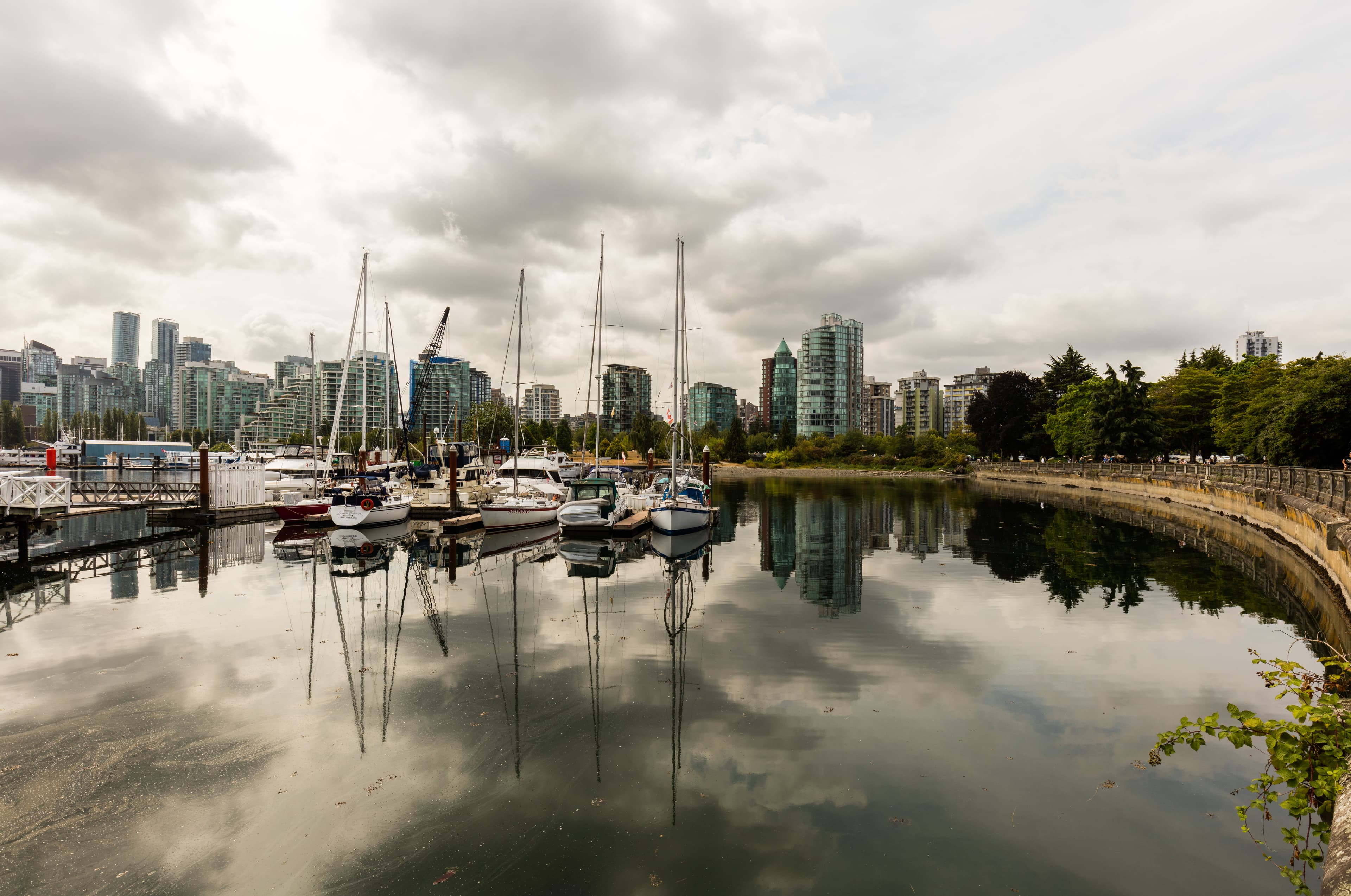
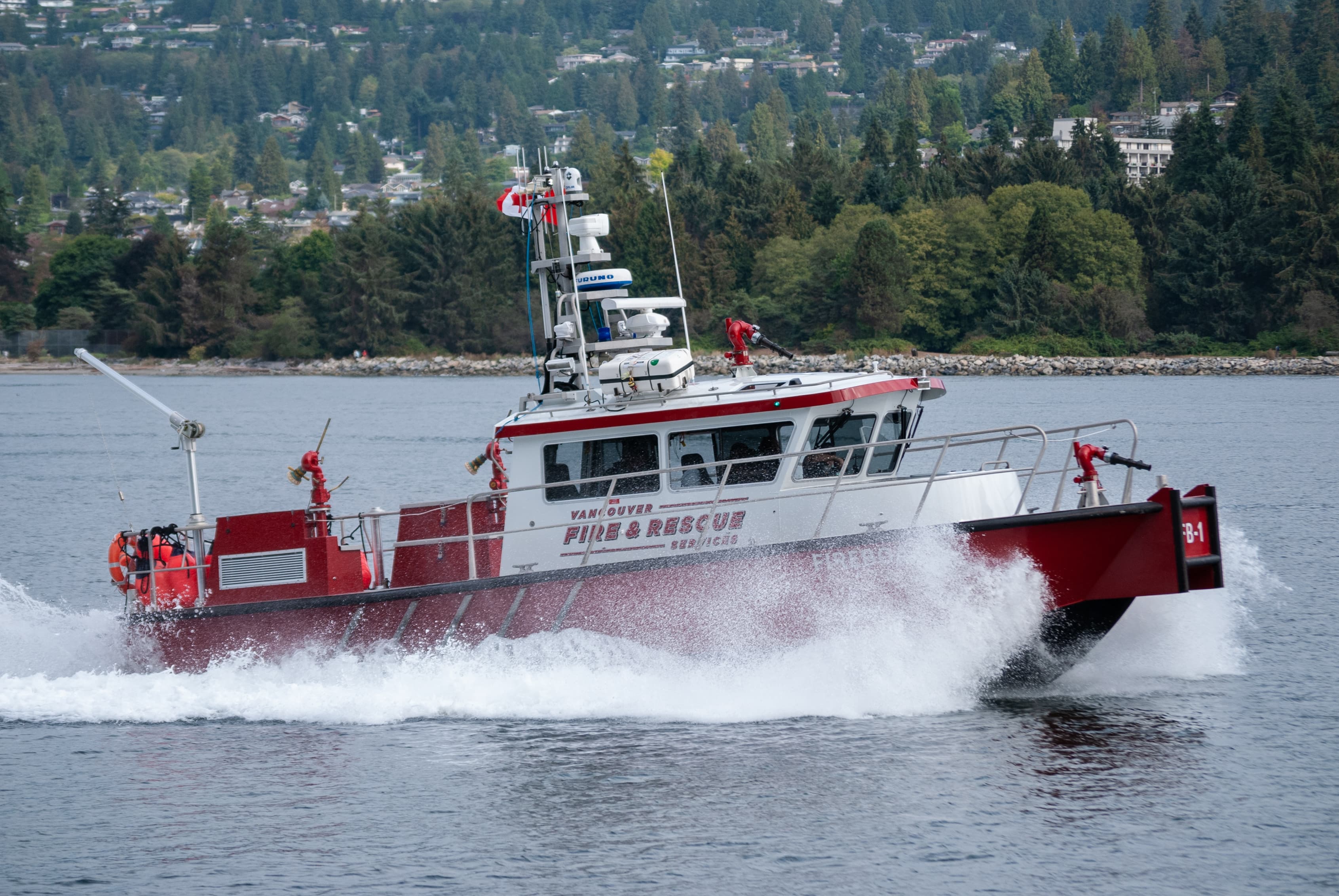
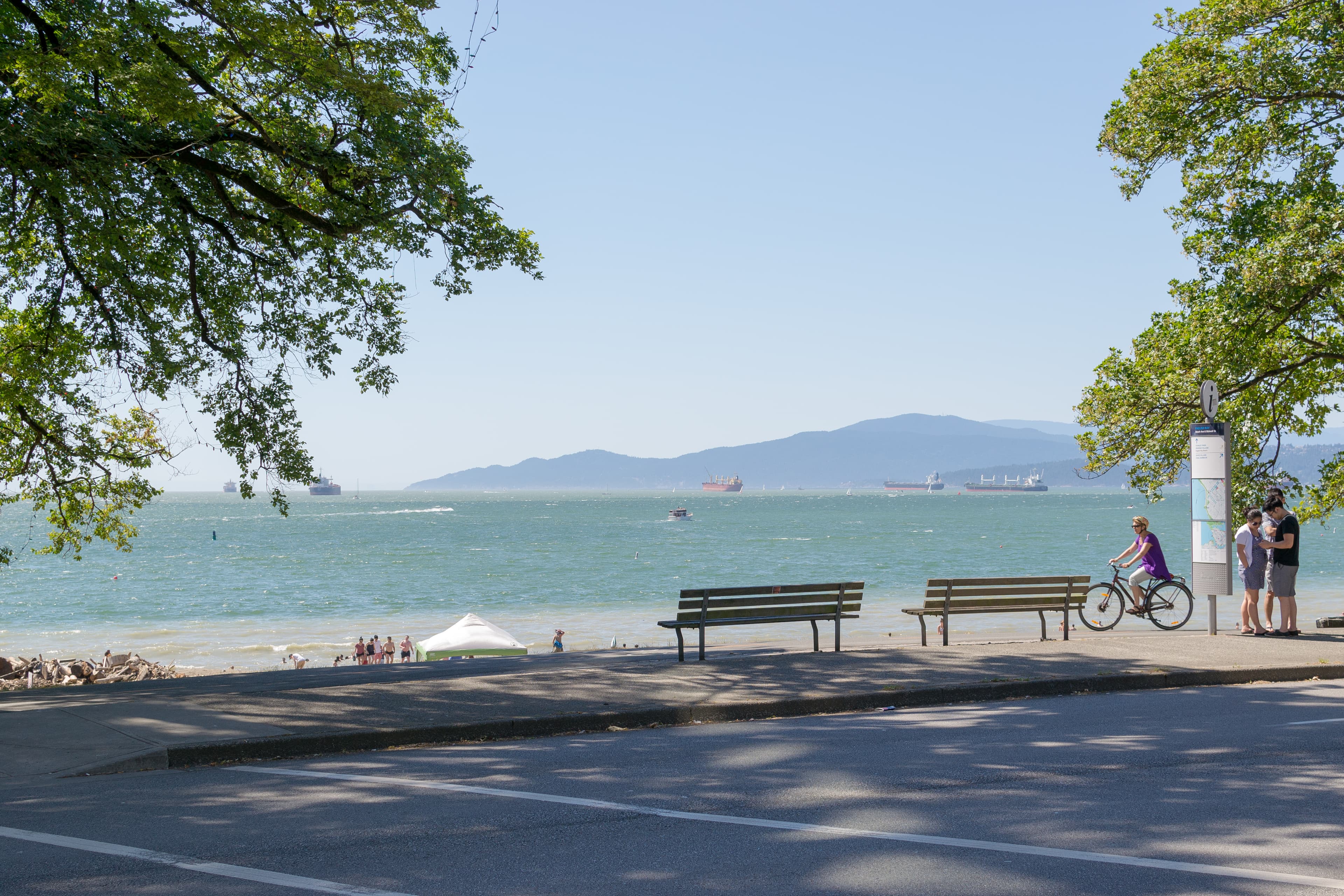
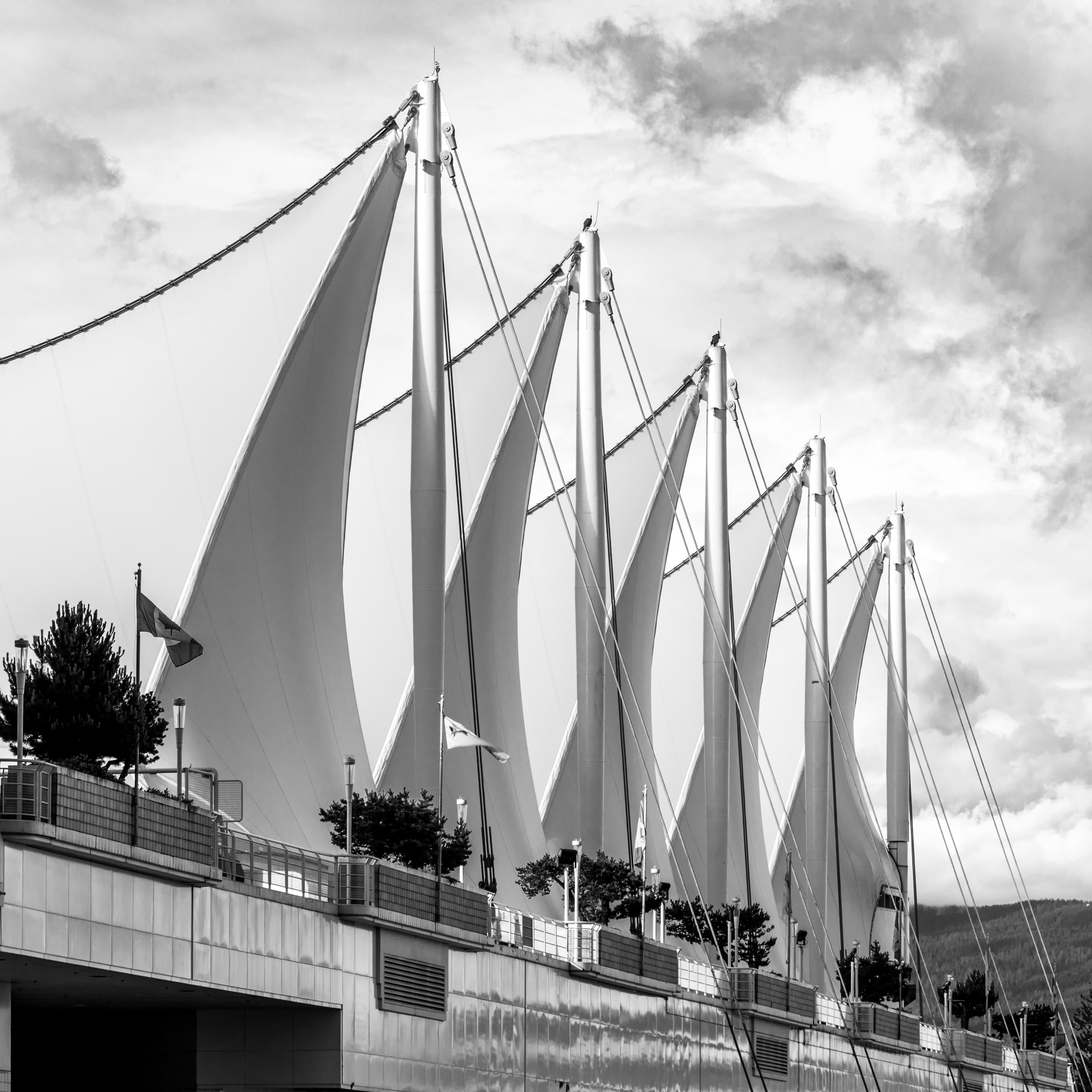
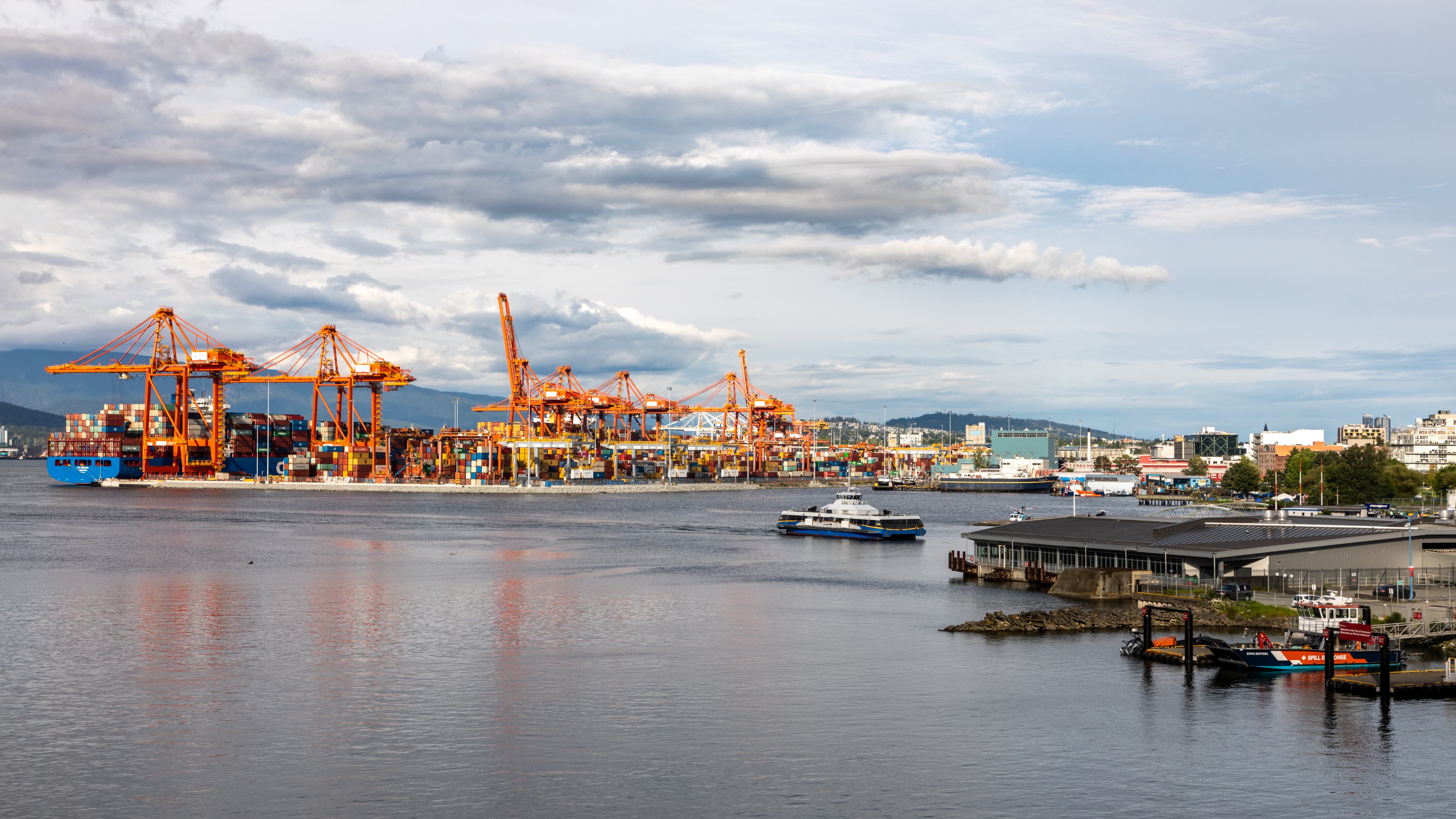
Editorial guide with history, culture, and practical tips to plan your trip.
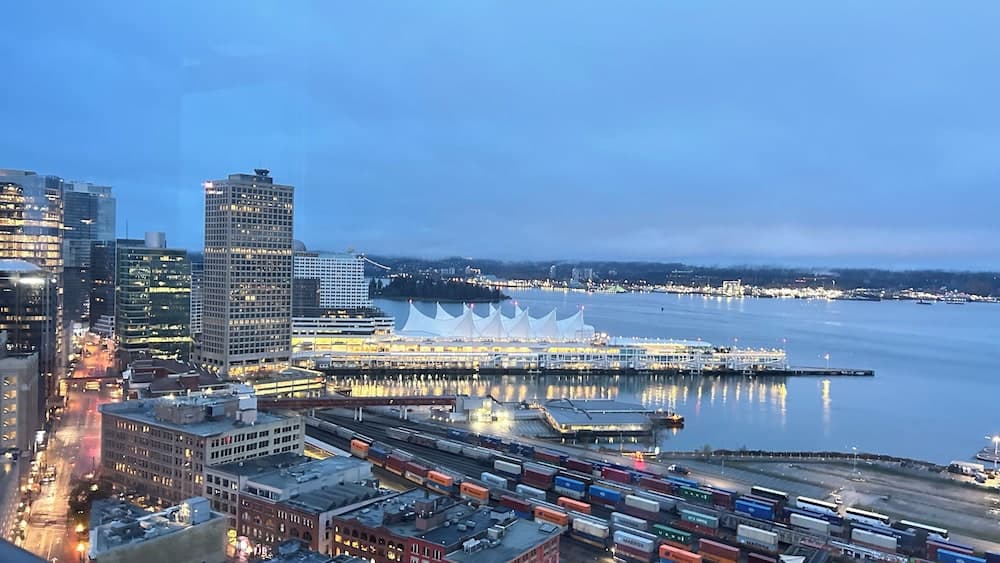
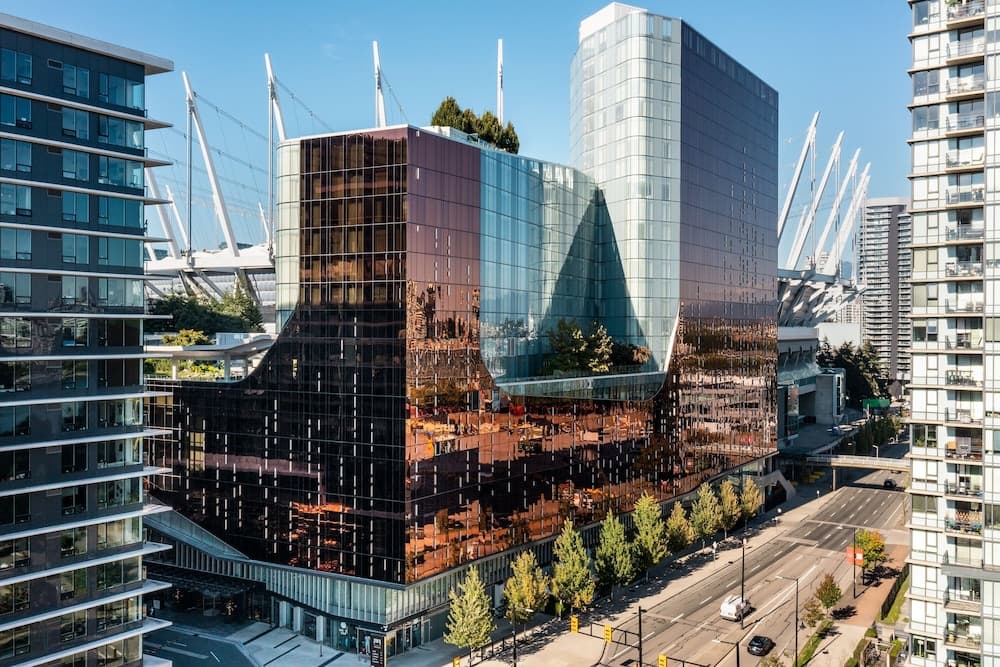
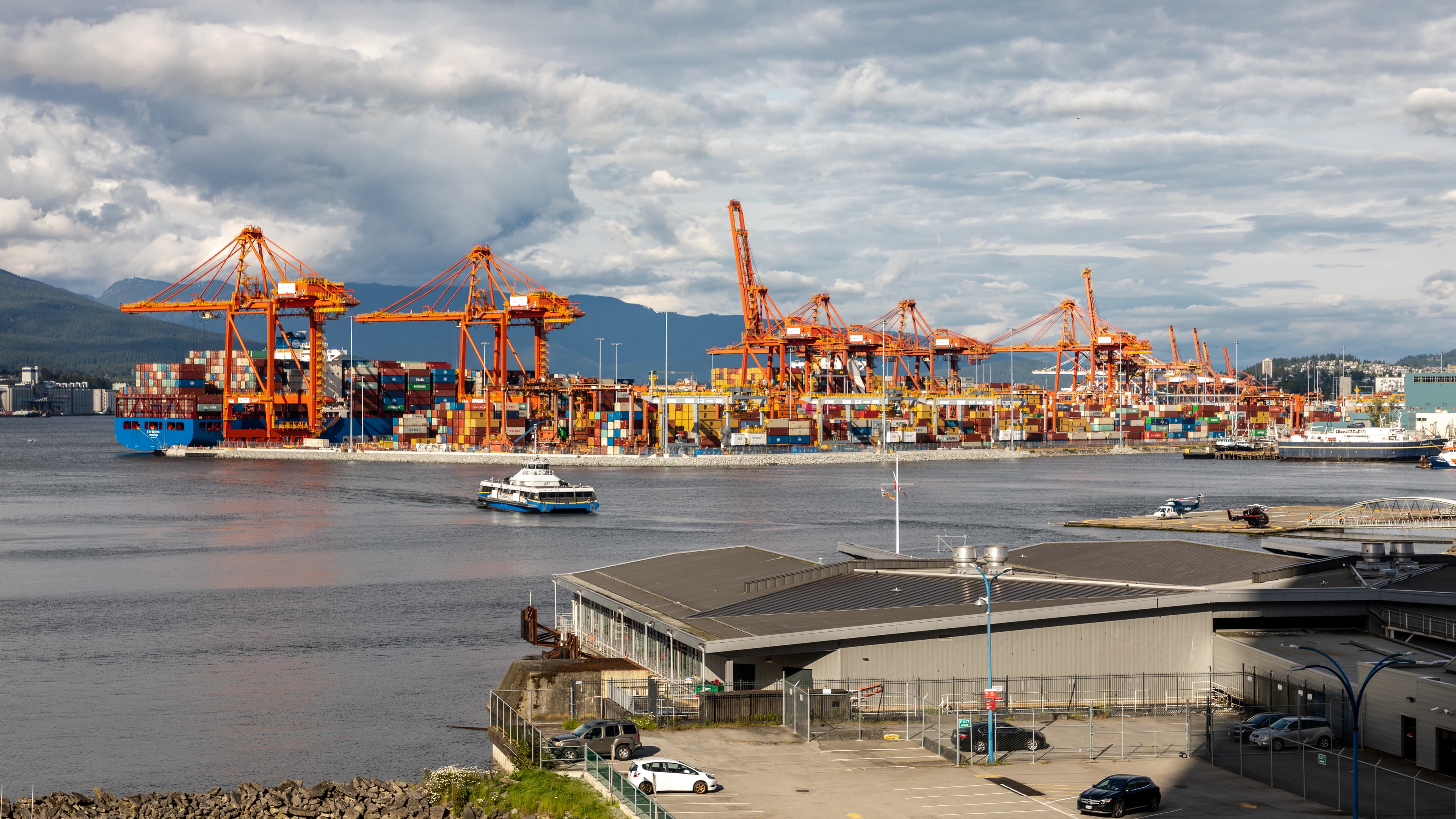
Vancouver, also known by its French name Vancôver, is a prominent city located on the west coast of Canada. It is specifically situated in the Lower Mainland region within the province of British Columbia.
The city plays a significant role in the Canadian scene, considered the most populous urban center across the entire province. Demographically, the data is expressive: while the 2011 census reported a population of 603,502 residents in the urban area, this number grew notably to reach 631,486 residents in the 2016 census.
Although the city alone is already a robust population nucleus, its scope is even greater when considering the Greater Vancouver metropolitan region. This area is estimated to have an impressive population of 2,463,431 inhabitants in 2016, consolidating it as the third largest metropolitan region in Canada.
Although the material focused on does not detail specific historical landmarks regarding Vancouver's founding or development, it is undeniable that its strategic location in the Lower Mainland and its continuous population growth attest to a historically important role for Western Canada. The city established itself as a vital urban hub in British Columbia.
The steady increase in registered population between 2011 and 2016, rising from 603,502 to over 631,000 inhabitants in the urban area, indicates a trajectory of continuous economic and social development, transforming the city into a dynamic urban center that attracts and accommodates large migratory flows.
One of the most striking aspects of Vancouver is its exceptional level of cultural diversity. The city is recognized for being extremely diverse both ethnically and linguistically, reflecting its position as an important population convergence point on the West Coast.
Demographic data reinforces this multicultural characteristic: a significant portion of the population does not have English as their native language. Specifically, 52% of residents declare themselves not to be native English speakers, and nearly half (48.9%) are neither native English nor French speakers. Additionally, approximately 50.6% of residents belong to visible minority groups, demonstrating a rich and multifaceted social fabric.
This rich cultural composition makes Vancouver a vibrant melting pot of different traditions, languages, and origins, making it its most evident cultural pillar.
Vancouver is geographically situated on the west coast of Canada, specifically in the administrative region known as Lower Mainland, within the province of British Columbia. This coastal location contributes to its urban identity and economic dynamism.
In terms of population density, the city presents unique geographical characteristics in the Canadian setting. Vancouver holds the title of having the highest demographic density in Canada, recording an index superior to 5,400 inhabitants per square kilometer. This high degree of population is notable and part of its urban profile.
This high population concentration also positions Vancouver as one of the most densely populated cities in North America, ranking fifth among metropolitan areas with over 250,000 inhabitants. This comparative list places it only behind megalopolises such as New York, Guadalajara, San Francisco, and Mexico City.
Specific climate data was not provided in the source material. However, it is notable that the natural environment of British Columbia, where Vancouver is located, imparts a strong influence of a typically temperate and maritime climate to its daily life.
As the most populous city in British Columbia and a vast metropolitan center (with 2,463,431 inhabitants in 2016), Vancouver attracts constant tourist flows. Its urban dynamism, combined with its rich cultural and ethnic diversity, offers a broad and multifaceted tourist experience.
The combination of its rapid population growth (experiencing a significant increase between 2011 and 2016) ensures continuous revitalization of spaces and services. The main attraction, beyond the urban landmarks, lies precisely in its ability to celebrate multiculturalism, where every visible minority group contributes to a unique global experience.
Vancouver is a notable case study regarding urban development and demographics. It is important to highlight some statistics that define its profile:
Firstly, its population density exceeds 5,400 inhabitants per square kilometer, earning it the title of Canada's most populated area. This high concentration makes it comparatively one of the five most populous and densely settled cities in North America.
Secondly, its population is marked by intense diversity. Information about residents' linguistic origin is particularly rich: 52% are not native English speakers; furthermore, nearly half (48.9%) reside in a context where neither English nor French are their mother tongues.
Finally, Greater Vancouver has established itself as a metropolitan powerhouse, reaching an estimated population of 2,463,431 inhabitants by 2016, and is officially recognized as the most populous center in British Columbia.
Everything you need to know to plan your trip
Currency
CAD
Language
English/French (Official)
Recommended stay
3 days
Timezone
PST/PDT
Reference figures to help plan your trip
Attractions
9
Selected stays available to book
Hotels and experiences in the area
Everything you need to know to plan your trip
Vancouver is an important city on the west coast of Canada, situated in the Lower Mainland region of British Columbia.
Greater Vancouver had a population of 2,463,431 in 2016, making it the third largest metropolitan region in Canada.
Yes, it is one of Canada's most diverse cities. In 2016, a total of 52% of residents were not native English speakers.
Vancouver has high density, with over 5,400 inhabitants per square kilometer, making it one of the most densely populated areas in North America.
The 2016 census recorded a total of 631,486 inhabitants in Vancouver proper.
Extend your trip to incredible destinations nearby
We personalize every moment of your journey — from iconic landmarks to hidden cultural gems.
Available 24/7 · Personalized consultations · Local expertise
Updated on June 7, 2026
Sources