Toronto

Destination
Plan your trip to Toronto! Discover this cultural and financial capital of Canada. Global art, gastronomy, and quality of life await you.
Toronto · ON · Brasil
Photos
Discover the landscapes and culture of Toronto

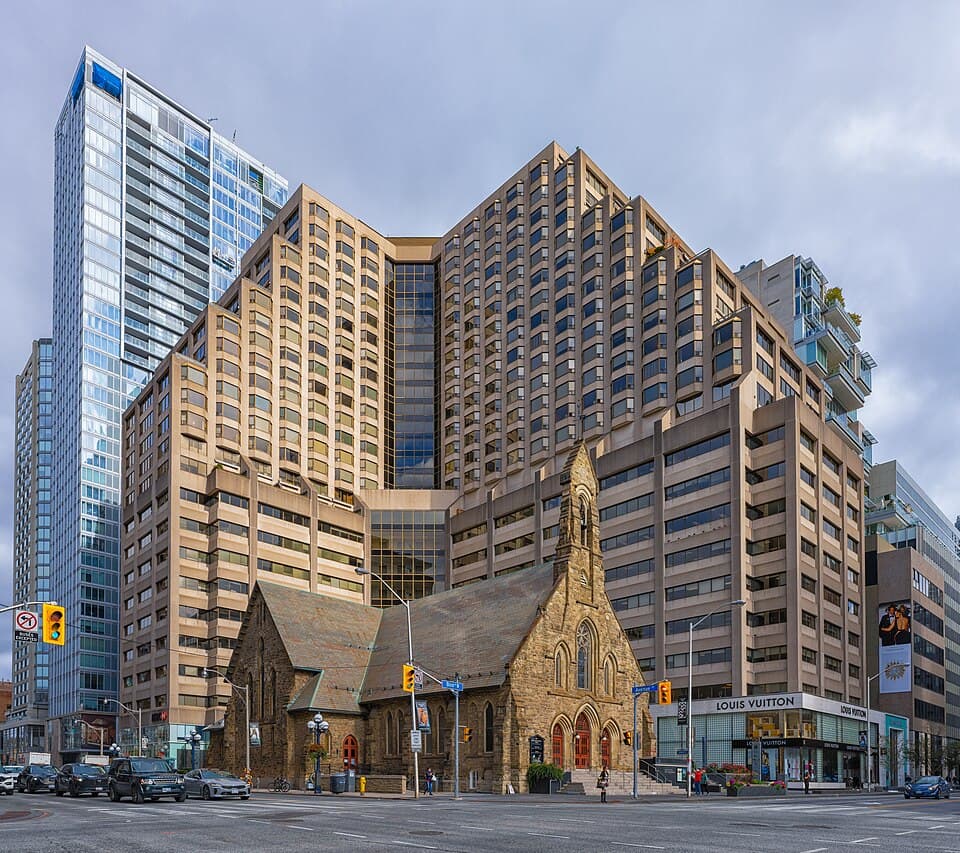

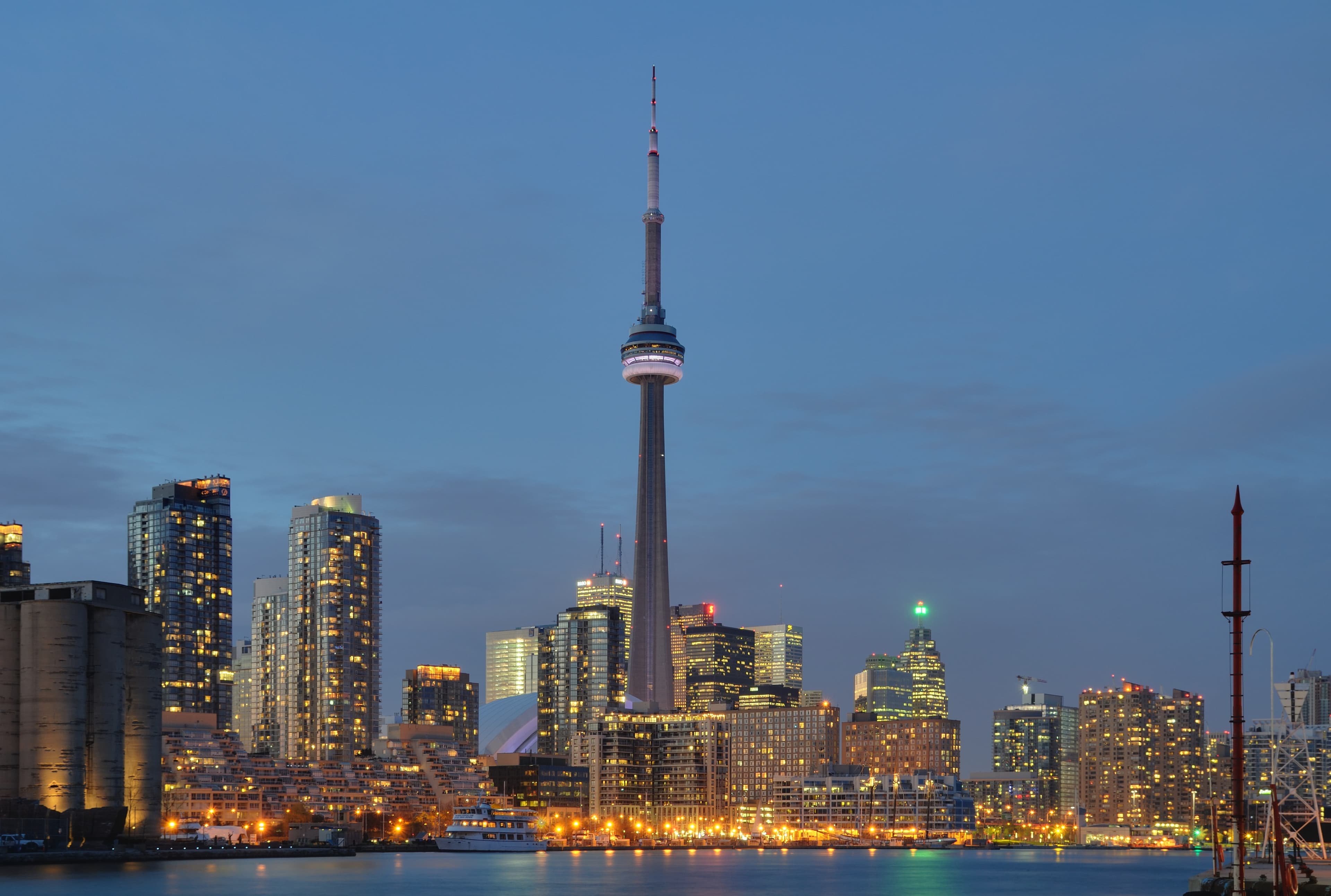
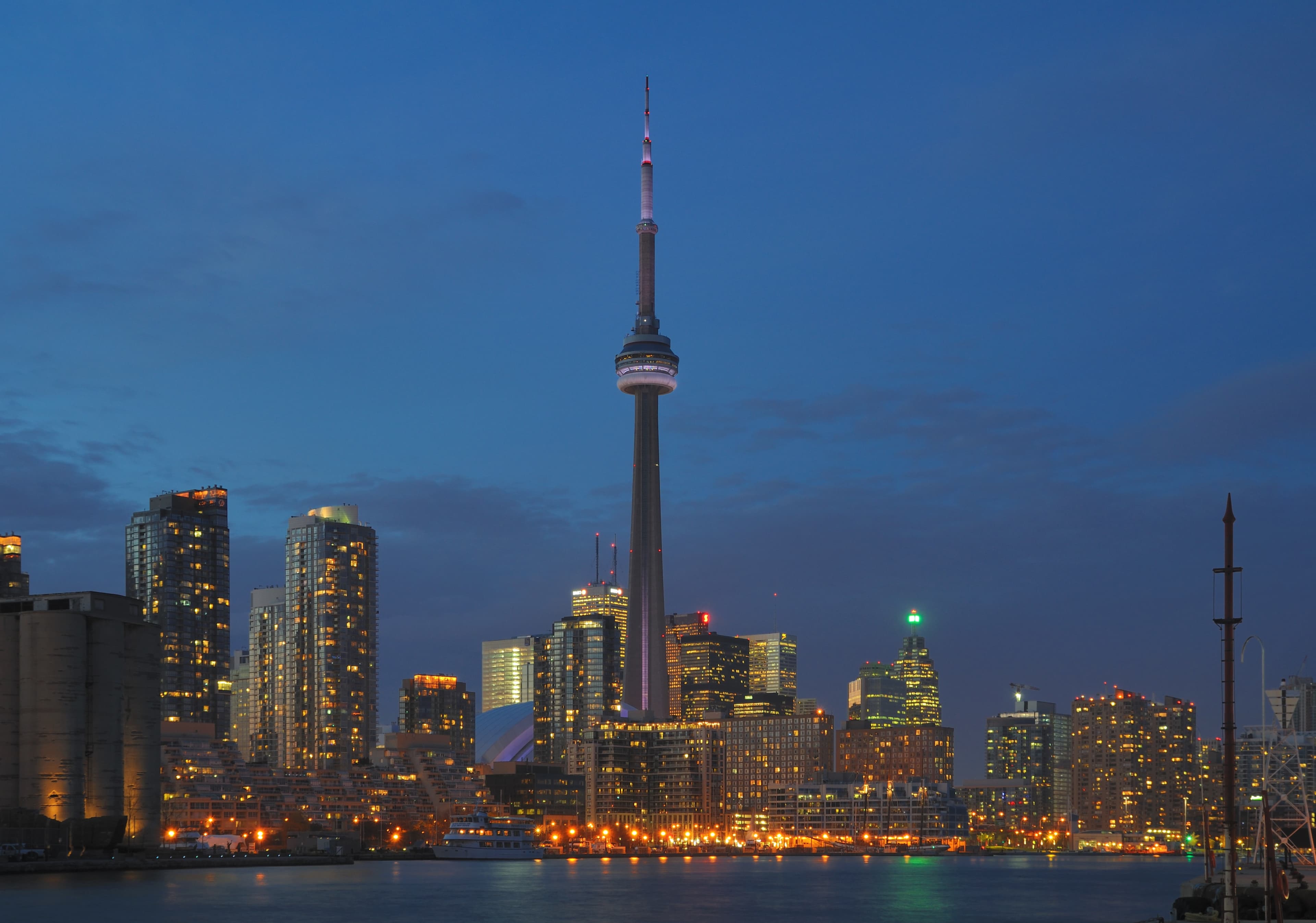

Editorial guide with history, culture, and practical tips to plan your trip.
Toronto stands out not just as a vibrant Canadian metropolis, but as the country's pulsating heart and one of the world's leading economic hubs. Officially recognized as the capital of Ontario province, the city quickly transcended its administrative function to establish itself as Canada’s largest financial center.
Throughout its development, Toronto has consolidated itself as a true "global city." This means it operates on multiple fronts: it is an international focal point for business and financial transactions; a cradle of world art and culture; and, above all, a recognized model of quality of life. Its importance is not limited to its urban borders; it represents the vanguard of Canadian development.
In terms of population, Toronto is a demographic powerhouse in North America. With estimates pointing to around 2,731,571 inhabitants in 2016, it positions itself as the fourth most populous city on the American continent. This robust number attests to its constant growth and its ability to attract talent from diverse parts of the world, further reinforcing its international character.
More than just an urban cluster, Toronto is the epicenter of the vast Greater Toronto Area (GTA). This area not only houses the region's largest population concentration but also functions as the main anchor for the enormous and bustling zone known as the Golden Horseshoe in Ontario.
Although the data provided focuses on its modern magnitude, it is undeniable that Toronto's development is intrinsically linked to its growing economic importance. Its historical trajectory reveals the progressive transformation of a local core into one of Canada’s most influential centers.
Over time, the city has established itself not merely as an administrative capital but primarily as the financial and commercial engine of Ontario province. This central function allowed it to attract massive investments and unprecedented population diversity, shaping a complex and dynamic urban fabric.
The explosive growth of the Toronto metropolitan area is a direct reflection of its position as an anchor pole. The region did not just absorb local populations; it also integrated vast neighboring territories to form the Golden Horseshoe—one of the most densely populated and economically active urbanized regions in the country.
This historical evolution is marked by adaptability and expansion. Today, the legacy of this growth manifests in its international reputation. In recognition of its stability and sustained development, Toronto has received global praise, such as when it was highlighted by the renowned magazine *The Economist* around 2017, noting it not only among the best cities to live on the planet but also for its high level of safety.
Toronto's cultural character is a direct reflection of its global nature. As an international center of arts and cultures, the city embraces a diversity that is celebrated in all its aspects—from cuisine to artistic expressions. This multiplicity makes every visit an immersion into different world histories and traditions.
Torontonian culture is not confined to museums or theaters; it pulsates in its streets, its markets, and the way daily life is lived. The city has managed to balance the frantic pace of a major financial hub with remarkable quality of life, creating a culturally rich and welcoming environment.
The metropolis's cultural strength is linked to its global economy. Because it is a worldwide center for business and finance, the city attracts people from practically every imaginable nationality. This intense mix not only enriches the artistic and culinary scene but also guarantees an admirable cultural resilience.
The emphasis on quality of life, an attribute consistently highlighted by international sources, is intrinsically linked to the appreciation of arts. Whether through large festivals or small community studios, Toronto offers a rich cultural tapestry that attracts enthusiasts and tourists from all over the world.
Geometrically, Toronto occupies a central position in Ontario province and is the pulsating heart of Canada’s most populous metropolitan region. Its location makes it a vital nexus for both internal commerce and international routes.
The surrounding area is dominated by the vast and strategic Golden Horseshoe, one of the most significant urbanized regions not only in Ontario but in Canada as a whole. This metropolitan area covers approximately 9.2 million inhabitants. This population figure illustrates the immense density and geographical reach of Toronto’s influence.
The city itself is the most important core within this vast metropolitan area, serving as the focal point for vital infrastructures that sustain a constant flow of people and capital. It is this geographic concentration of economic and human power that defines its national importance.
From a demographic viewpoint, the population strength is notable. The 2,731,571 inhabitants estimate in 2016 already confirmed the city's status as an American continental giant. This large population not only sustains the finance and business sectors that gave it its name but also drives the region's logistical and urban complexity.
While available factual information tends to focus more on economic and demographic aspects, it can be inferred that Toronto's geographical location in Ontario gives it a transitional temperate climate, typical of major Canadian cities.
As a global urban center with high population density (part of the giant Golden Horseshoe), the climate is influenced by typical megacity effects. However, it is important to note that the world-renowned quality of life suggests efficient urban management seeking to mitigate adverse climatic effects.
The status as a global hub also implies advanced urban and environmental planning, crucial for the comfort of the more than 9.2 million people who inhabit the metro area. Sustainable development and maintaining physical well-being are underlying elements in the city's image as a safe and pleasant place to live.
Toronto is an attractive tourist destination precisely because it is a perfect fusion of financial grandeur and rich global culture. Tourism here is not limited to specific attractions but embraces the experience of immersion in a metropolis that pulsates with international energy.
Whether for the business traveler or the tourist seeking unique cultural experiences, Toronto offers a setting of infinite possibilities. Its reputation as an international center attracts visitors from around the world who come to explore the convergence between history and modernity.
The world's perception of the city reinforces its touristic appeal: the 2017 recognition by *The Economist* as one of the best cities to live in, combined with its notable safety across the American continent, creates a powerful magnetism. This ensures that visitors can explore its diverse sectors—from the brilliance of financial districts to the serenity of its artistic neighborhoods.
The sheer magnitude of its role as an anchor for the metropolitan region translates into diversified tourism experiences, encompassing large urban parks, museums, and multicultural gastronomies. Toronto invites visitors to enjoy a high quality of life, making it an essential destination visit.
What makes Toronto a fascinating city is the accumulation of impressive achievements in one place. The first and most obvious fact is its title as Canada's largest city and biggest financial center, granting it immense geopolitical and economic status.
In terms of human scale, its demographic relevance is notable. With a population estimate reaching over 2.7 million inhabitants in 2016, it ranks as the fourth most populous metropolis in North America—a feat that demonstrates its power of attraction and constant growth.
One of the greatest geographical curiosities is the concept of the Golden Horseshoe. This is not just a name, but a reference to the vast urbanized area in Ontario, which concentrates over 9.2 million people at Toronto's feet. This number represents more than a quarter (over 26%) of Canada's entire population, underlining its regional demographic dominance.
On the international stage, Toronto accumulates awards and recognitions that elevate it to a global standard. The fact that it was named by *The Economist* in 2017 as one of the four best cities in the world to live and one of the safest places in Canada and the Americas is living proof of its urban excellence, safety, and quality of life.
Everything you need to know to plan your trip
Reference figures to help plan your trip
Attractions
9
Selected stays available to book
Hotels and experiences in the area
Everything you need to know to plan your trip
Toronto is the largest city and biggest financial center in Canada, besides being the capital of the province of Ontario.
It is a global city, an international hub for business, finance, art, culture, quality of life, and safety.
In 2017, it was named by The Economist as one of the world's top four best places to live and also one of the safest on a continental level.
It is the anchor of the Golden Horseshoe, an urbanized region covering approximately 9.2 million people, representing over 26% of Canada's population.
It is the most important city in the Greater Toronto Area. In terms of population, it was estimated at around 2,731,571 inhabitants in 2016.
Extend your trip to incredible destinations nearby
We personalize every moment of your journey — from iconic landmarks to hidden cultural gems.
Available 24/7 · Personalized consultations · Local expertise
Updated on June 7, 2026
Sources