Sydney, Nova Gales do Sul
Destination
Discover New York! Explore the best routes through Times Square, Central Park, and the Financial District. An immersion into world culture, art, and energy.
Nova York · NY · Brasil
Photos
Discover the landscapes and culture of New York City


Editorial guide with history, culture, and practical tips to plan your trip.
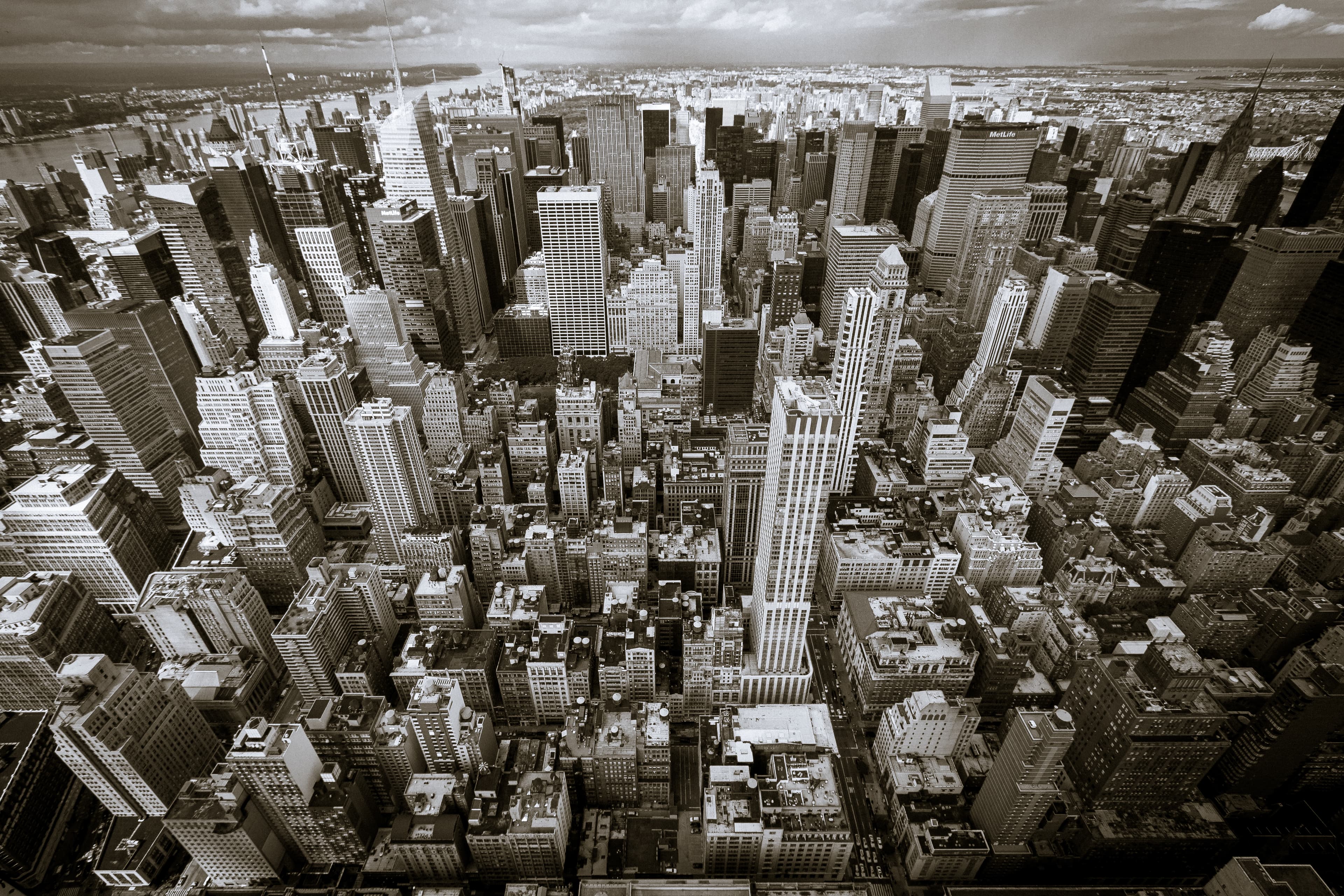
New York, whose official name is New York City, is not merely a tourist destination; it is a global epicenter that shapes the rhythm of the modern world. From its gleaming skyscrapers to its historic neighborhoods filled with life, this metropolis represents an unparalleled demographic and cultural phenomenon.
In terms of population, the city holds the title of being the most populous in the United States. Its reach is not limited to municipal boundaries; its entire vast metropolitan area is internationally recognized as one of the largest urban agglomerations on planet Earth. This massive concentration of people and activities makes it an inexhaustible engine for global development.
We cannot discuss New York without mentioning its transversal impact. The city exerts a deep and significant influence on countless sectors that define contemporary life. Whether in the universe of international commerce, where major financial transactions are closed daily; in media, which shapes global narratives; or in spheres of scientific research and cutting-edge technology, New York is an attractive hub for the world's greatest talents.
This energy is not restricted solely to economic aspects. It permeates the most avant-garde art, the fashion universe that dictates global trends, the educational sector that trains future leaders and thinkers, and, of course, the vibrant worldwide entertainment. Being in New York means being at the nervous center where great ideas meet human ambition.
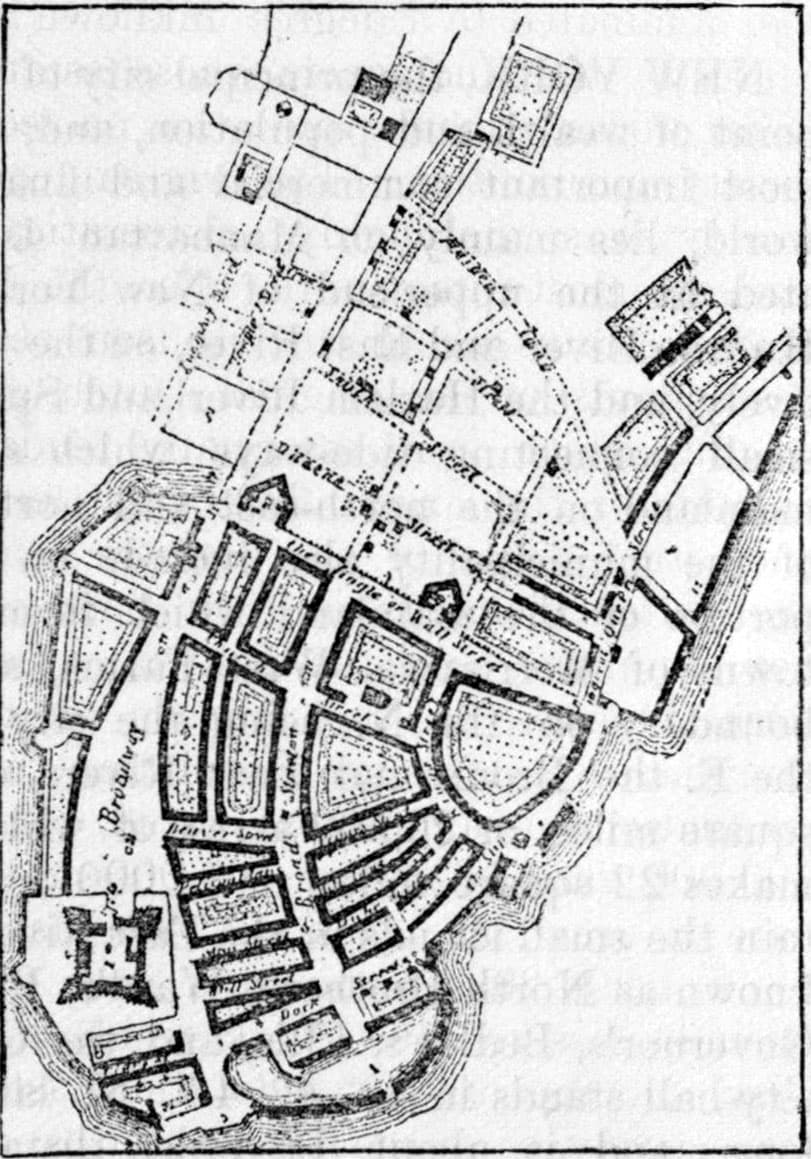
Although specific historical details are not elaborated upon in this analysis, it is impossible to understand the current magnitude of New York without recognizing its trajectory of exponential growth and cultural adaptation. The history of New York City is essentially a narrative of human ambition, resilience, and constant reinvention.
The urban evolution that led this metropolitan area to become a global giant reflects centuries of intense commerce and massive immigration. The city has always been a crucial point on the route between continents and civilizations, which naturally fueled its population and economic growth.
The significant impact on finance and trade, for example, did not happen overnight; it is the result of a historical accumulation of institutions and mercantile practices. The city has always known how to adapt to geopolitical and technological changes, solidifying its position as an indispensable convergence point.
This long history has shaped the complex infrastructure that sustains millions of lives today. Old neighborhoods coexist with ultra-modern skyscrapers, creating a unique urban tapestry. It is this historical and contemporary layer that gives the city a profound character, where every corner tells a part of the saga of global human development.
Culturally, New York is an unparalleled melting pot. The concept of "culture" in the city goes beyond museums or theaters; it resides in the pulse of the streets, in daily interactions, and in the constant fusion of different human traditions.
The cultural strength lies precisely in its ability to embrace diversity. It is a place where countless cultures meet, collide, and eventually co-exist, enriching the artistic and social environment. This constant crossing is what fuels the global art scene.
The city's impact on world fashion, for example, shows how culture is not confined merely to fine arts. It is a virtuous cycle where design trends are dictated parallel to technological advancements and media narratives. The way clothing is viewed becomes part of a broader global narrative.
Beyond fashion, the entertainment sector keeps New York on the world cultural map. Theater performances, but also musical and artistic events at various scales, attract artists from every corner of the planet. This artistic wealth ensures that the city is always at the forefront of human expression, remaining vibrant for both visitors and residents.
Located in New York State (NY), the geography of the city is marked by its colossal scale. It is not just a metropolis; it is a vast urban ecosystem that encompasses multiple topographies, though the main focus remains on highly built-up and densely populated areas.
The most notable fact from a geographic point of view is the extent of its metropolitan region. This area extends beyond traditional municipal limits, encompassing a gigantic territory that sustains one of the largest population concentrations ever recorded in human history. This geographic and demographic dimension grants it unique features of urban planning and logistics.
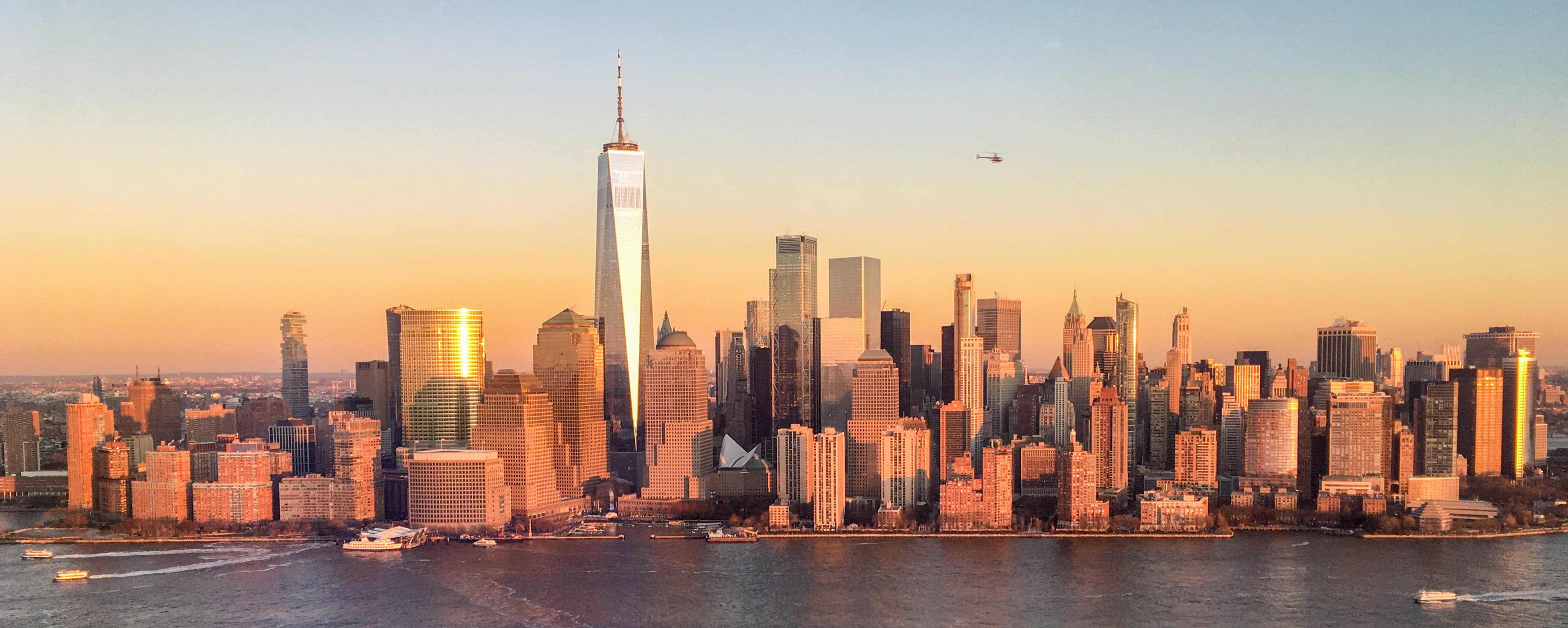
This complex urban mass is not just residential; it is structured around financial and commercial flows. The economic geography of the city defines its main points—from the financial district to the technology hubs—creating a functional map where the power of commerce manifests visually.
This strategic location in New York State not only connects it geographically to the United States but also places it in a privileged position to operate as a global hub. Its access and population distribution make it a fundamental piece in the interconnected network of world trade and media.
While specific climatic details are not part of the available facts, one can describe New York's "climate" from the perspective of its constant urban environment. The city operates at an unrelenting pace, where energy and movement are as constant as the seasons.
New York's climate is, first of all, dynamic and accelerated. It is a non-stop atmosphere, reflecting 24/7 activity. This dynamism is intrinsically linked to its status as a global hub for finance and technology.
The very interaction between the natural environment and the built super-structure creates a unique urban microclimate, where parks and green spaces play a crucial role in maintaining balance for millions of inhabitants. Managing this contrast—nature versus concrete—is a constant in daily life.
In essence, the most striking climate of the city is the climate of opportunity: the perpetual feeling of being in the middle of something big, of an endless flow of cultural, professional, and social events. It is this electrifying environment that attracts people and generates continuous movement, regardless of external weather variations.
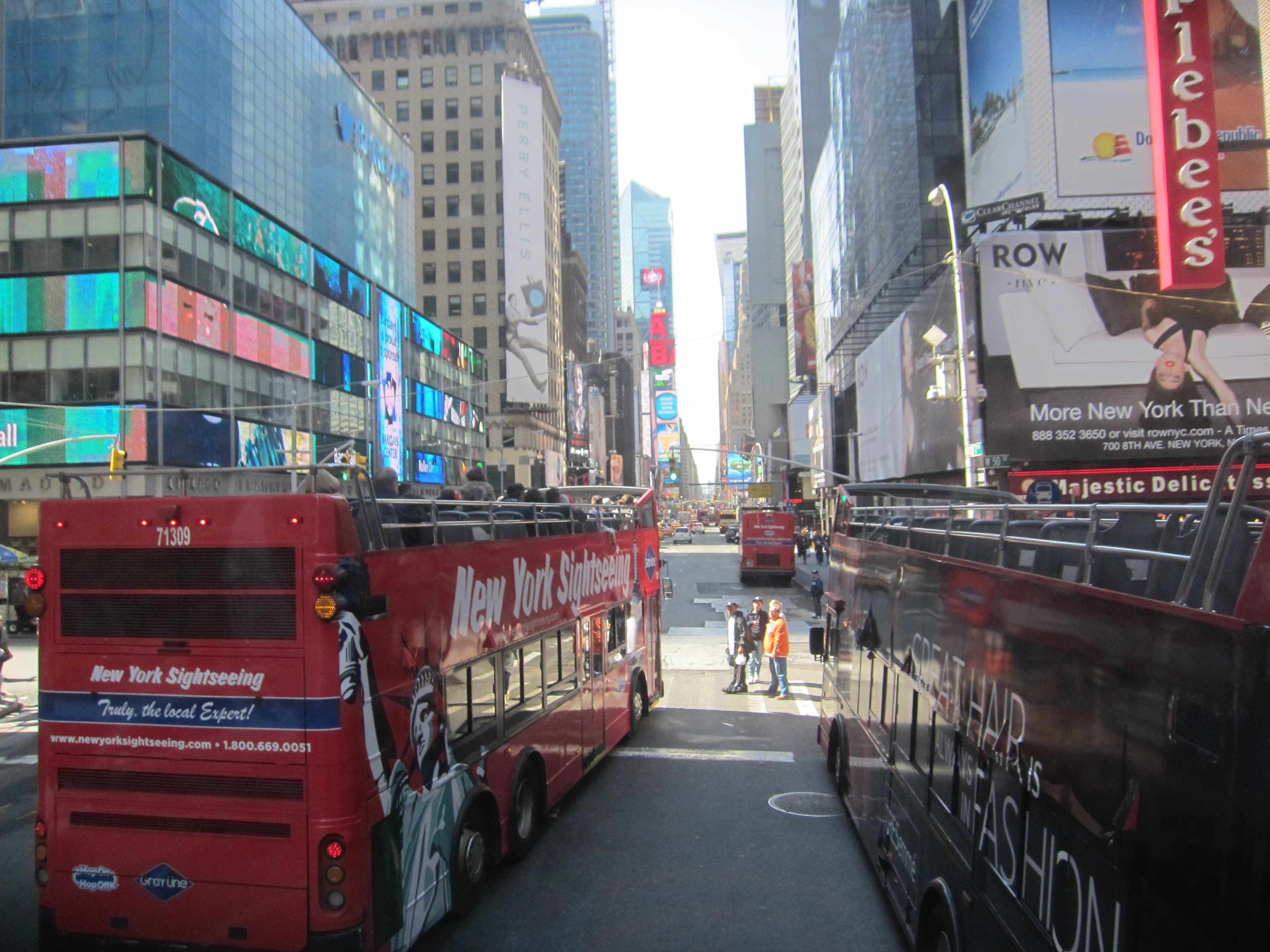
For tourists, New York is a positive sensory overload experience. Its reputation as a global center ensures it is a must-visit destination for those seeking an immersion into metropolitan life at its maximum potency.
The city's tourist appeal does not reside only in its postcards but also in access to elite experiences covering multiple interests. If the interest is high culture, museums and theaters are unparalleled; if it is financial networking or technology, there is a palpable pulse of these sectors.
Diversity attracts all profiles: from the traveler seeking vibrant nightlife to the researcher drawn by educational excellence. The global presence in art and fashion guarantees that the city always offers novelties, whether a temporary exhibition or a haute couture show.
It is possible to plan tourist routes in New York focused purely on trade history, on the dizzying heights of financial technology, or on the quiet corners that contrast with ceaseless bustle. This multifaceted attraction ensures that the trip is rich and extremely varied, offering a glimpse into what it is like to live in one of the world's most populous and impactful metropolitan areas.
The population size gives New York an impressive demographic status. With data pointing to an estimated population exceeding 8.4 million people (based on available records), it is possible to understand the colossal scale of the metropolis and its ability to accommodate unprecedented human diversity.
Population density not only guarantees a constant flow of economic energy; it creates a vibrant social fabric. Living in New York means being immersed in an ecosystem where commercial, artistic, and academic life are constantly intertwined.
It is notable that its metropolitan region is recognized as one of the most populous agglomerations on the planet. This overcrowding is a direct reflection of the city's global attractiveness, serving as a focal point for global human and financial capital.
Furthermore, in terms of population ranking within the American scenario, New York occupies a prominent position: it is considered the third most populous city in the American continent. This classification reinforces its demographic power and geopolitical influence, confirming its role as an indispensable civilizational axis for global trade.
Everything you need to know to plan your trip
Reference figures to help plan your trip
Attractions
9
Selected stays available to book
Hotels and experiences in the area
Everything you need to know to plan your trip
The city is extremely populous; its estimated population exceeds 8.4 million inhabitants.
It is a world hub of significant impact in various areas, such as commerce, finance, media, art, fashion, research, technology, and entertainment.
The official name is New York City, and it is located in New York State (NY).
Its metropolitan region is not only one of the most populous in the world but also positions it as a colossal and dynamic urban center.
Yes. It is considered the most populous city in the United States, besides having globally recognized historical and cultural relevance.
Extend your trip to incredible destinations nearby
We personalize every moment of your journey — from iconic landmarks to hidden cultural gems.
Available 24/7 · Personalized consultations · Local expertise
Updated on June 7, 2026
Sources