Manaus
Destination
Manaus is more than the Amazon Rainforest. Explore this vibrant metropolis where culture and nature meet. Live a unique experience in the heart of the Amazon!
Manaus · AM · Brasil
Photos
Discover the landscapes and culture of Manaus
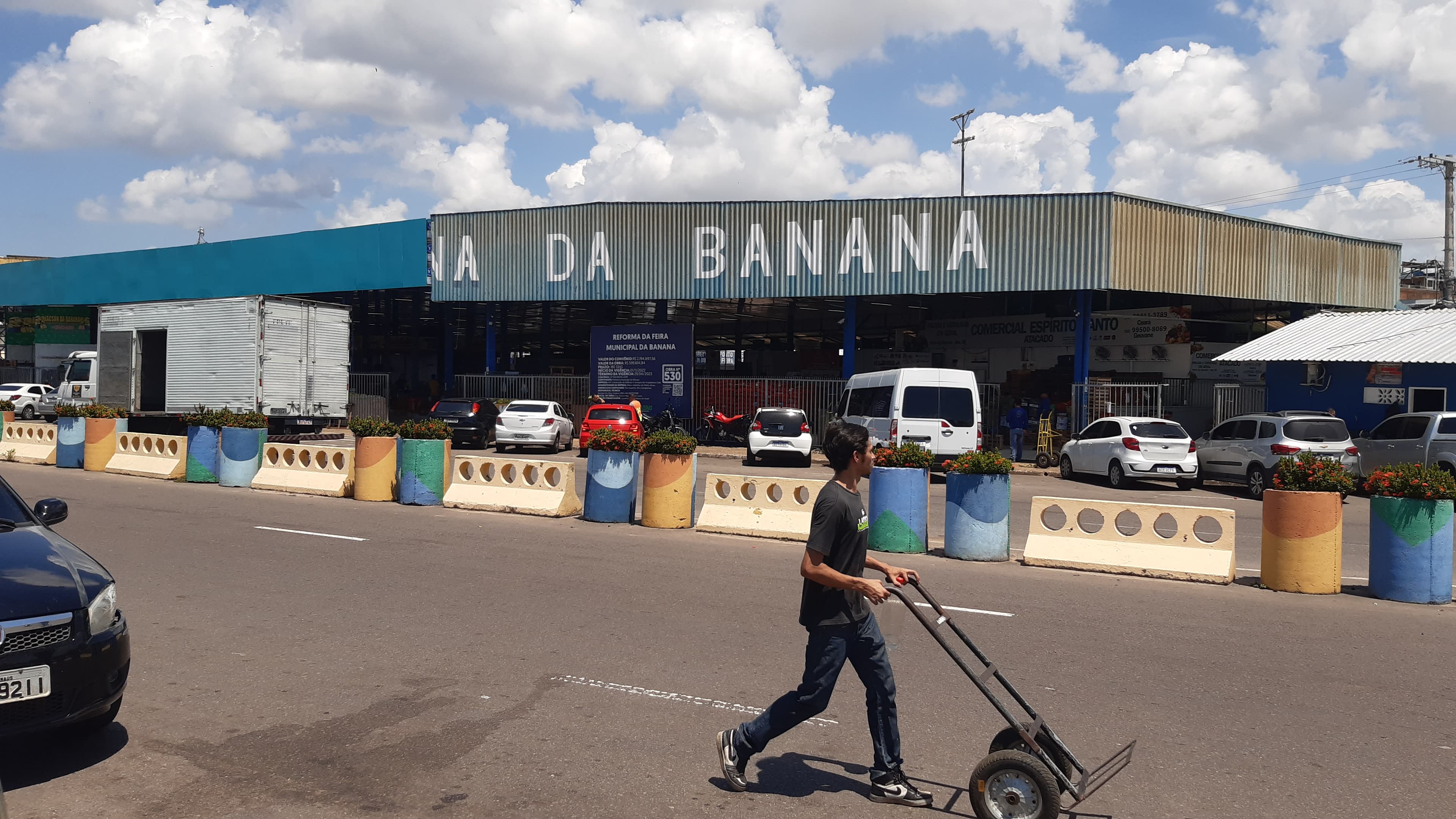
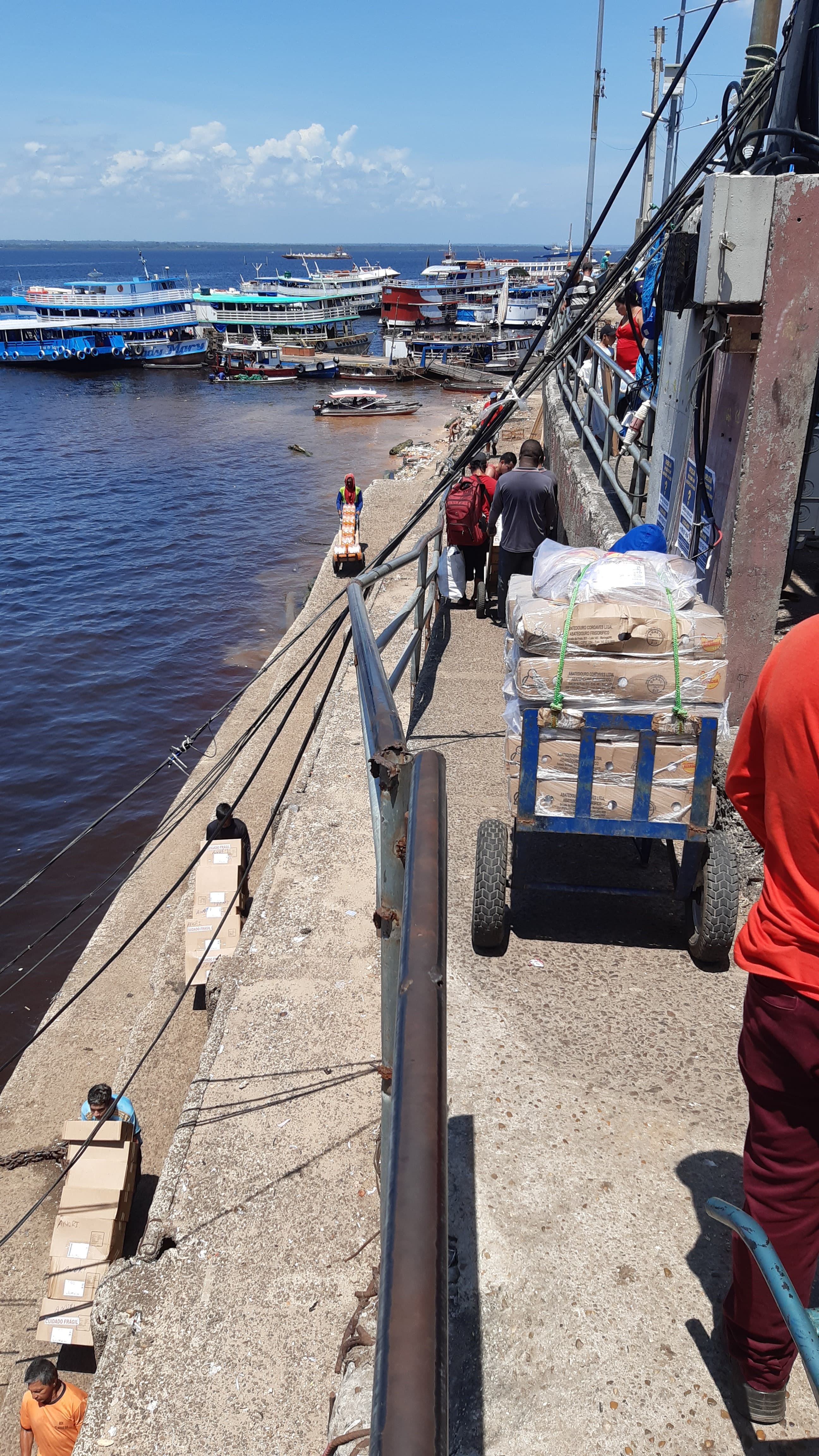
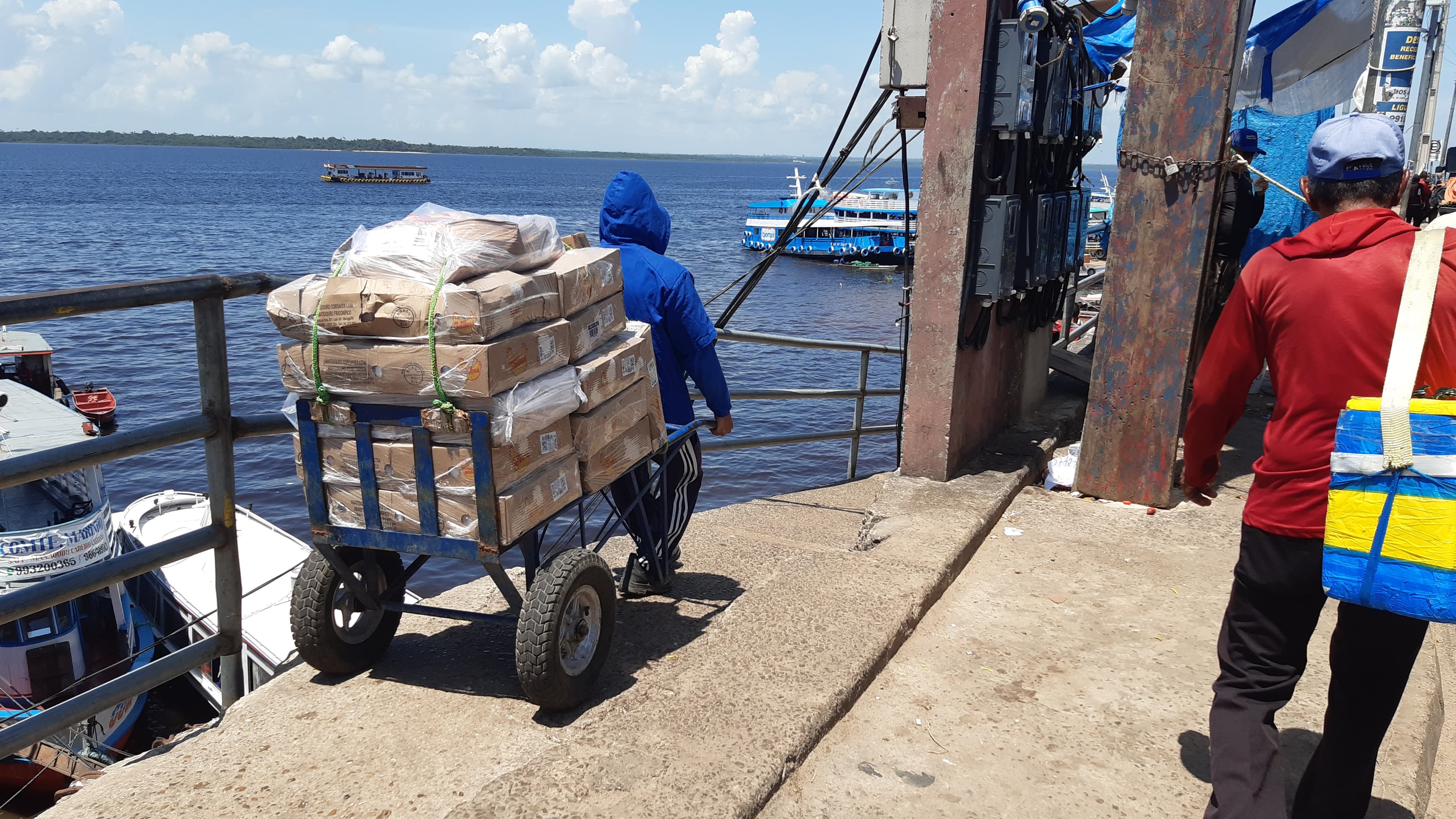
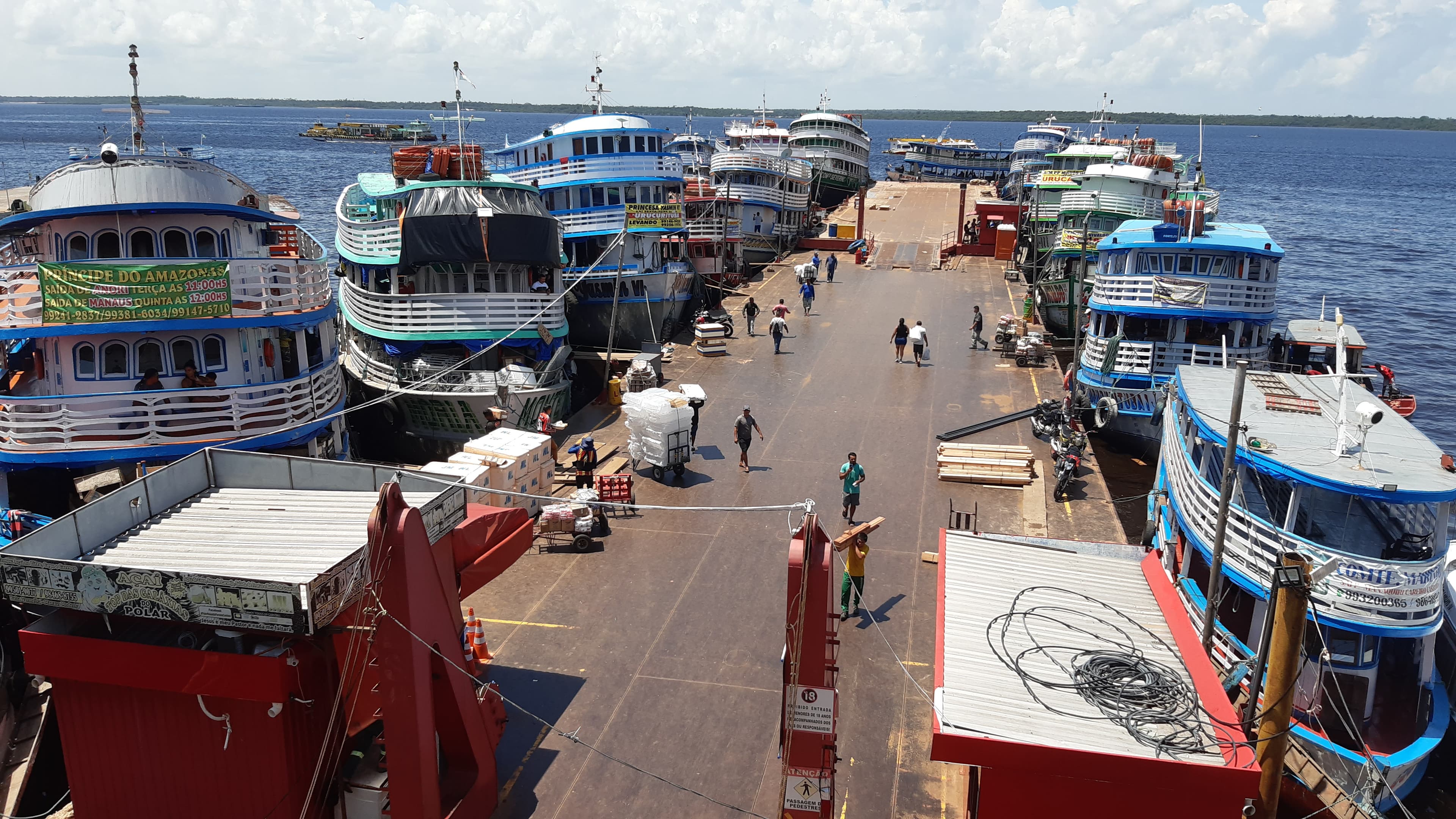
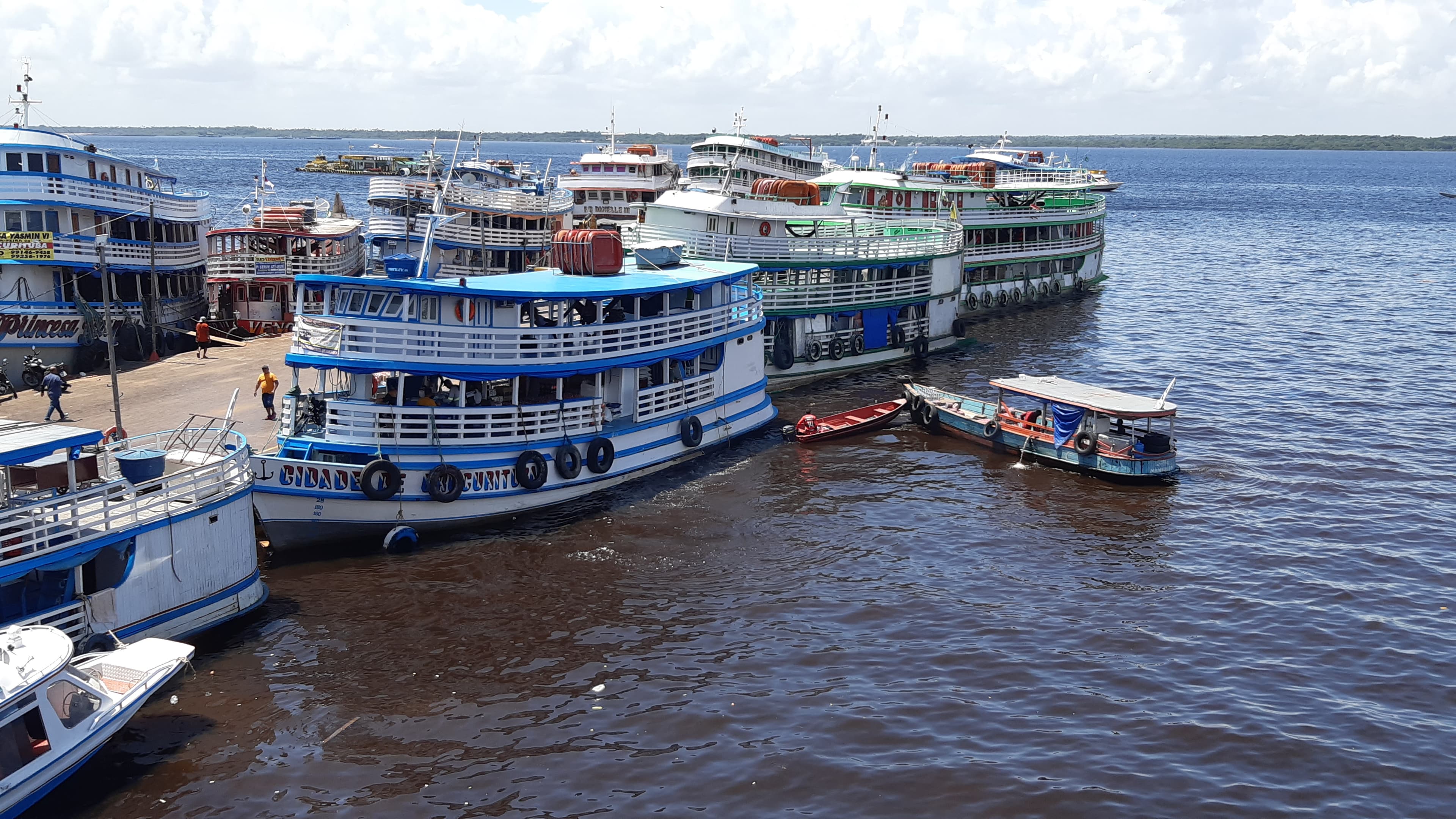
Editorial guide with history, culture, and practical tips to plan your trip.
Manaus emerges as the vibrant and essential development hub in the heart of Amazonas, recognized as the capital of this Brazilian state. Its identity is forged at the dramatic intersection between a growing modern metropolis and the world's richest biome. More than just a point on the map, Manaus represents a monumental regional center of influence for all of Northern Brazil, particularly covering the vast area known as the Western Amazon.
When discussing urban scale, Manaus boasts impressive figures. It is consistently cited among the largest residential agglomerations in the country, ranking as the seventh most populous city in Brazil. Not only does the urban core attract large crowds, but its entire metropolitan region—which encompasses an estimated population of over 2.8 million inhabitants—is consolidated as a demographic giant, placing it among the eleven largest metropolitan areas in the country.
The most notable aspect of the city is its strong cosmopolitan character. This profile is not accidental; it reflects Manaus's historical and current capacity to attract complex migratory flows, receiving and integrating immigrants and visitors from countless nationalities. This population diversity guarantees an incessant cultural pulse, transforming the city into a vibrant melting pot of global rhythms, cuisines, and traditions, all set against the grand backdrop of the world's largest tropical forest.
In summary, Manaus is a regional metropolis that exerts not only economic and cultural influence but also a crucial environmental weight. Its central location within this colossal ecosystem makes it a vital focal point for sustainable development and the maintenance of Amazonian identity in a context of accelerated urban growth.
Although detailed historical sources are not focused on, it is essential to understand that Manaus's position as a regional metropolis was not accidental. Its trajectory is intrinsically linked to its strategic location within the Amazon basin and the role played by the economy of the Rio Negro and its tributaries.
The evolution of Manaus, accompanied by population growth now exceeding 2.8 million in the metropolitan area, tells a fascinating chapter about human development in challenging natural environments. The city's cosmopolitan character is a mirror of this history: it has always been a convergence point for groups and individuals drawn by economic opportunities or the search for new cultural experiences.
Today, the metropolis consolidates itself as a power that transcends its immediate borders. Its influence on Northern Brazil, especially in terms of environmental management, cultural development, and economic projection for all of the Western Amazon, attests to its continuous historical relevance. Manaus is not just a destination; it is a historical and modern engine shaping regional identity.
The combination of a rich history of cultural exchange—manifested in its cosmopolitan profile—and the structural power of being the urban center at the epicenter of the world's tropical forest solidifies its narrative as one of the most complex and dynamic urban centers in the country.
Manaus's culture is an incredibly rich tapestry, directly shaped by the feature that defines the city: its strong cosmopolitan character. Being a point of attraction for immigrants and tourists from various nationalities ensures that the cultural rhythm is always multifaceted, presenting influences that go far beyond Amazonas state.
This cultural fusion manifests on every corner of the regional metropolis. The musical rhythms, cuisines, and even daily customs reflect a constant dialogue between traditional Amazonian culture and international cultures brought by its diverse inhabitants. The meeting of these traditions creates a vibrant and unique atmosphere, which is Manaus's great cultural differential.
Despite intense urbanization—being the sixth largest urban area in the country—culture in Manaus maintains a deep dialogue with its natural surroundings. This duality generates artistic expressions and festivities that celebrate both humanity and the surrounding forest ecosystem. The Amazon itself is, in itself, a powerful source of cultural inspiration.
Thus, experiencing Manaus means participating in a cultural mosaic where urban modernity meets millennia-old Amazonian traditions, all permeated by the global flavor of cosmopolitanism that attracts and retains people of countless origins. The city is a living stage for this convergence.
Geometrically speaking, Manaus's location is its most defining and dramatic aspect. It is situated in the geographical heart of the planet, precisely in the area housing the world’s largest and most vast tropical forest: the Amazon. This position is not merely geographic; it grants the city invaluable ecological and strategic importance.
The regional metropolis exerts an influence over all of Northern Brazil, especially in the Amazonian region known as Western Amazon. This power transcends the limits of rivers and avenues; it extends over the environmental, cultural, and economic aspects of the vast surrounding area.
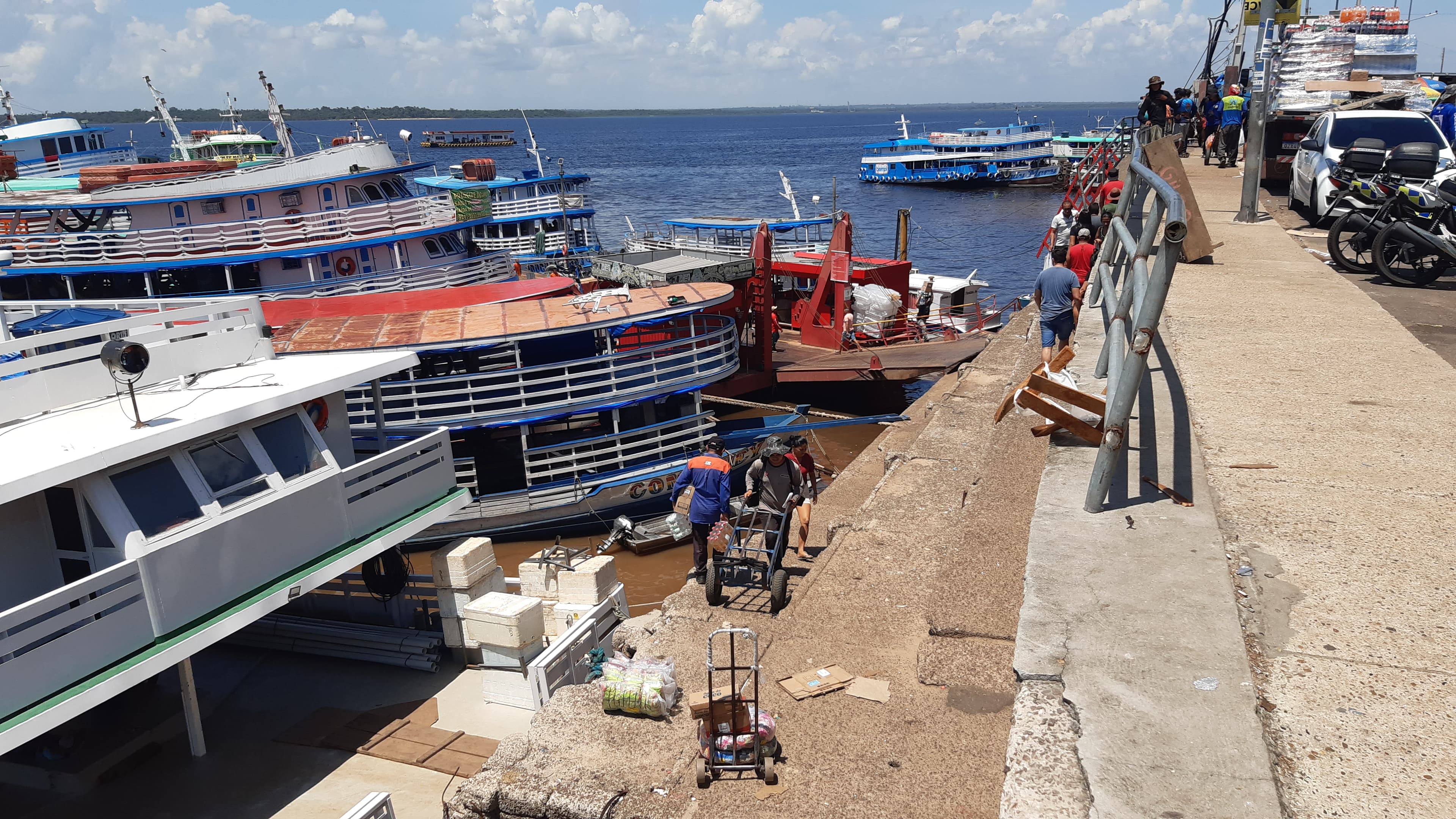
Manaus is not a city that merely *exists* within a natural environment; it is deeply *immersed* in it. The proximity to the tropical forest ensures that the urban pace of life is constantly tempered by the strength and mystery of the Amazonian ecosystem. The rivers, vital arteries for Manaus, are more than just transport routes; they are geographical extensions of the city itself.
The setting is therefore a unique convergence: a highly populated urban cluster—the seventh most populous city in the country—nestled in the world's biological and climatic center. This exceptional geography gives the metropolitan region of Manaus a unique character in Brazil and South America.
Although specific climate details are not provided, the description that Manaus is located in the heart of the world's largest tropical forest allows us to trace a very clear climatic profile: Tropical Equatorial Humid. This type of climate is characteristic of the Amazon and directly influences both the way of life and the region's natural cycles.
The Amazonian climate is typically hot and extremely humid, featuring high precipitation levels throughout the year. This abundance of water not only sustains the megadiversity of the surrounding tropical forest but also defines the cycle of rivers that bathe the daily life of the metropolis.
Heat is a constant, mitigated by the moist breeze and the regulating effect provided by such a gigantic forest ecosystem. This climatic combination ensures plant exuberance and contributes to an intensely sensory atmosphere that surrounds both visitors and residents alike. It is a climate that drives the metabolism of life at all its levels, from the most urban to the wildest.
The seasonal cycle is marked by variations in river levels, a crucial climatic phenomenon that affects navigability, economic activities, and the urban landscape itself. This natural dynamic is a fundamental element for understanding Manaus as a whole.
For tourists, Manaus offers a unique experience of contrast: cosmopolitan modernity coexists side by side with the untouched wilderness of the Amazon. Its role as a regional hub makes it a multifaceted destination that attracts visitors with diverse interests—be they environmental, cultural, or historical.
The tourist interest here is intrinsically linked to its geography: being the access point to explore the world's largest tropical forest. Tourist activities frequently involve navigating rivers and *igarapés* (small streams), allowing for immersion in traditional riverine life and the Amazonian ecosystem.
Beyond the exuberant nature, Manaus attracts the traveler with its vibrant metropolis. Its cosmopolitan character is a driver for cultural visitation, offering artisan markets that reflect the diverse ethnicities present in the region and a cuisine rich in regional and global flavors.
As an economic and cultural powerhouse in Northern Brazil, Manaus functions as a portal to discovering the Amazon. The visitor is invited not only to observe the forest but to experience the complex human interaction that made this city the pole of environmental, cultural, and economic development for the Amazon region.
Manaus's magnitude resides in its impressive statistics and the paradox of its existence. First, it is essential to highlight its demographic status: with over 2.8 million inhabitants in the metropolitan area, it not only established itself as the seventh most populous city in Brazil but also reinforces its role as a development axis and human magnet in the North.
One of the most fascinating curiosities is the contrast between the massive urban numbers and the natural setting that surrounds them. The pulse of the metropolis—the sixth largest urban area in the country—is literally settled in one of the planet's greatest biodiversity reservoirs.
This balance results in a strong cosmopolitan character, where one can find everything from highly globalized cultural manifestations to the most preserved traditions of riverine populations. This duality is what makes Manaus so unique and fascinating.
Manaus's influence on the Western Amazon—in environmental, cultural, or economic aspects—is not limited to its municipal borders. It functions as a large regional catalyst. It is a metropolis that, while growing and developing, maintains an umbilical cord connection with its original natural environment: the world's largest tropical forest.
Manaus is, therefore, more than just a destination; it is a living laboratory of coexistence between modern mega-city and primordial ecosystem.
Everything you need to know to plan your trip
Reference figures to help plan your trip
Attractions
9
Selected stays available to book
Hotels and experiences in the area
Everything you need to know to plan your trip
Manaus is located in the center of the world's largest rainforest.
The city has a strong cosmopolitan character, attracting immigrants and tourists from various nationalities. Its metropolitan region has over 2.8 million inhabitants.
Manaus is a metropolis that exerts significant influence on Northern Brazil and the Western Amazon, whether environmentally, culturally, or economically.
Manaus is the capital of the Brazilian state of Amazonas (AM).
It is one of the most populous cities in the country, and its metropolitan region is considered among the top 11 most populated areas.
Extend your trip to incredible destinations nearby
We personalize every moment of your journey — from iconic landmarks to hidden cultural gems.
Available 24/7 · Personalized consultations · Local expertise
Updated on June 7, 2026
Sources