
All destinations
Destination
Montevideo
Discover Montevideo! Explore Uruguay's vibrant capital on the Río de la Plata coast. Uncover must-see attractions and the best of local culture.
Montevidéu · Brasil
Photos
Visual journey
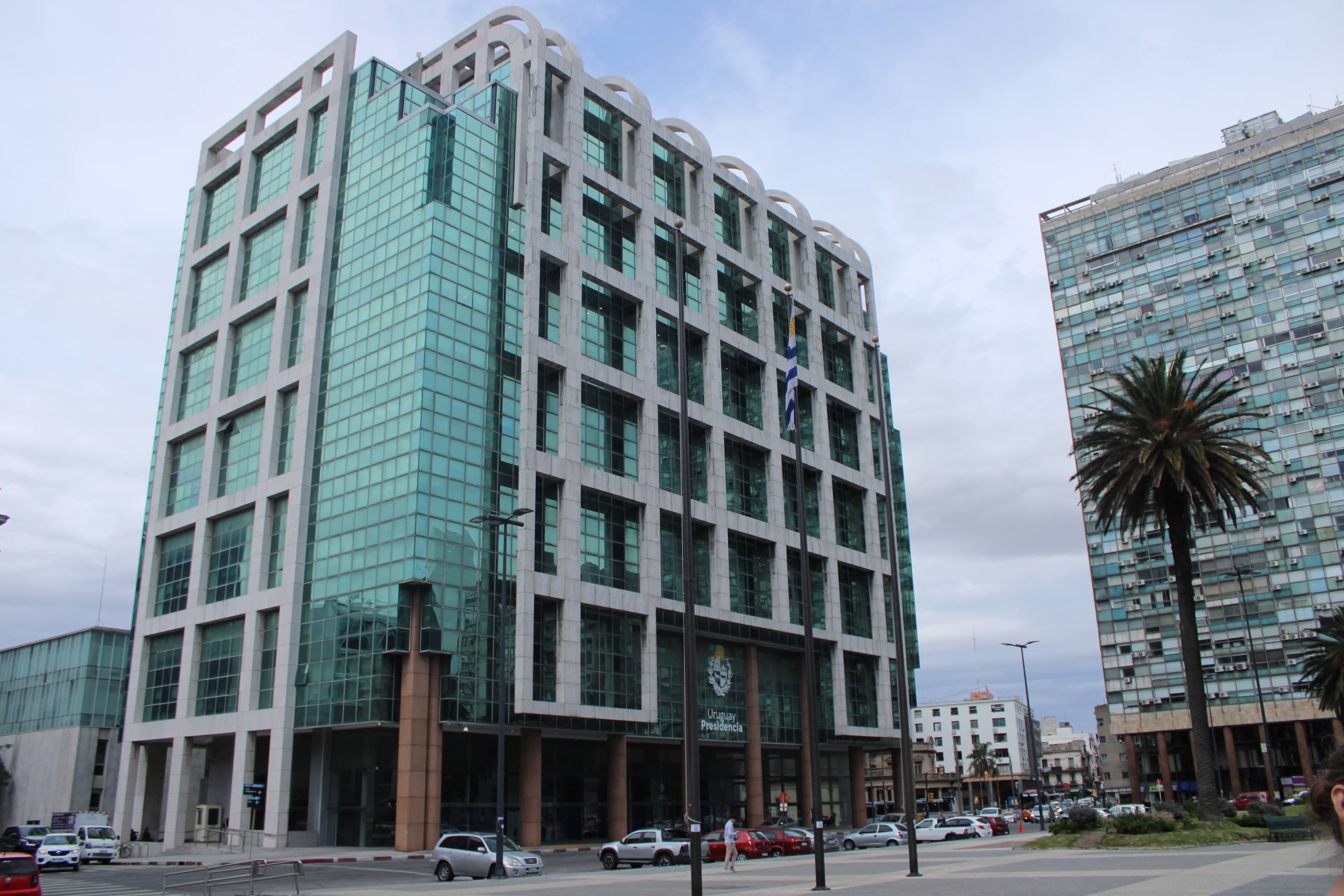
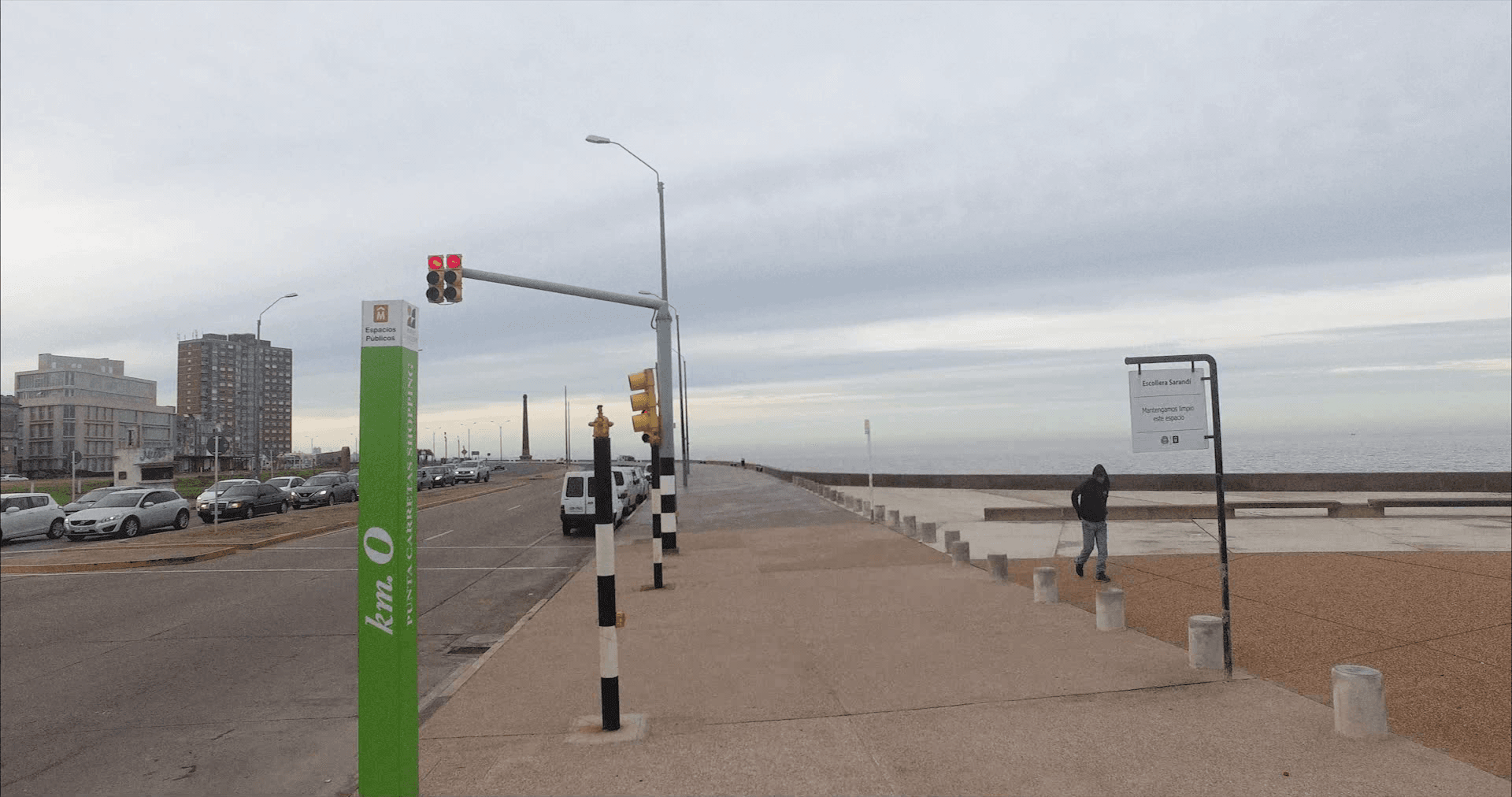
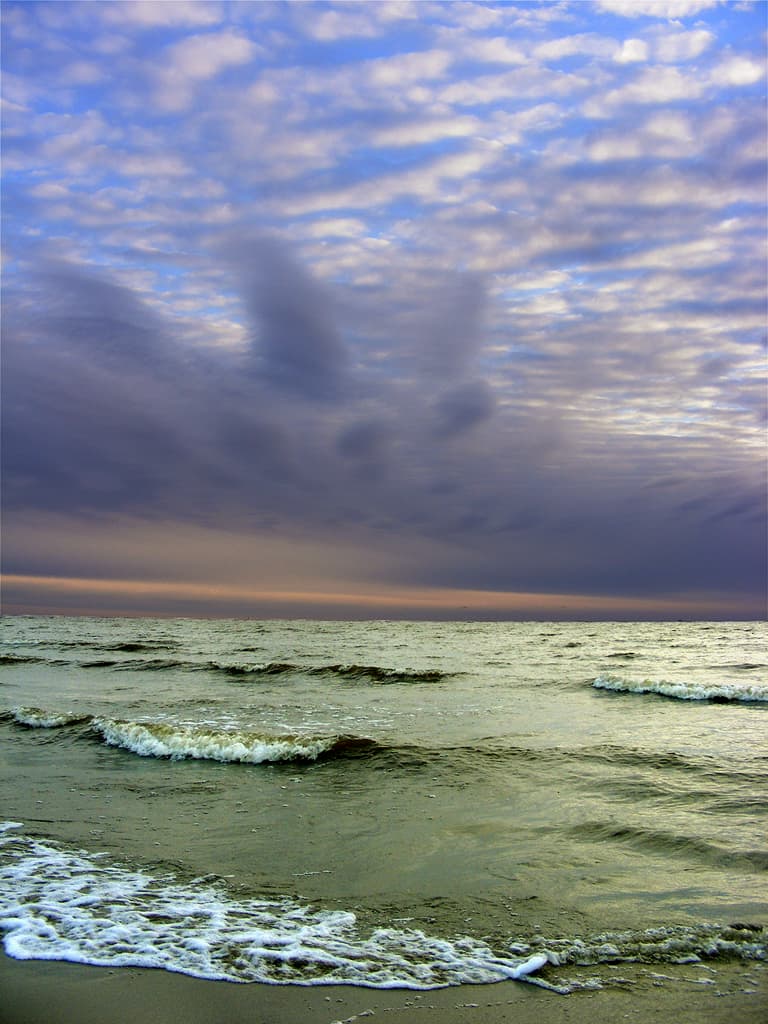
Discover the landscapes and culture of Montevideo
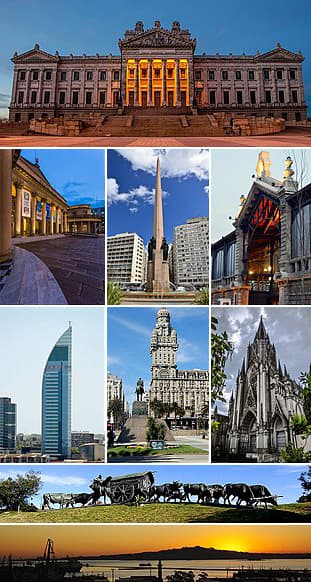
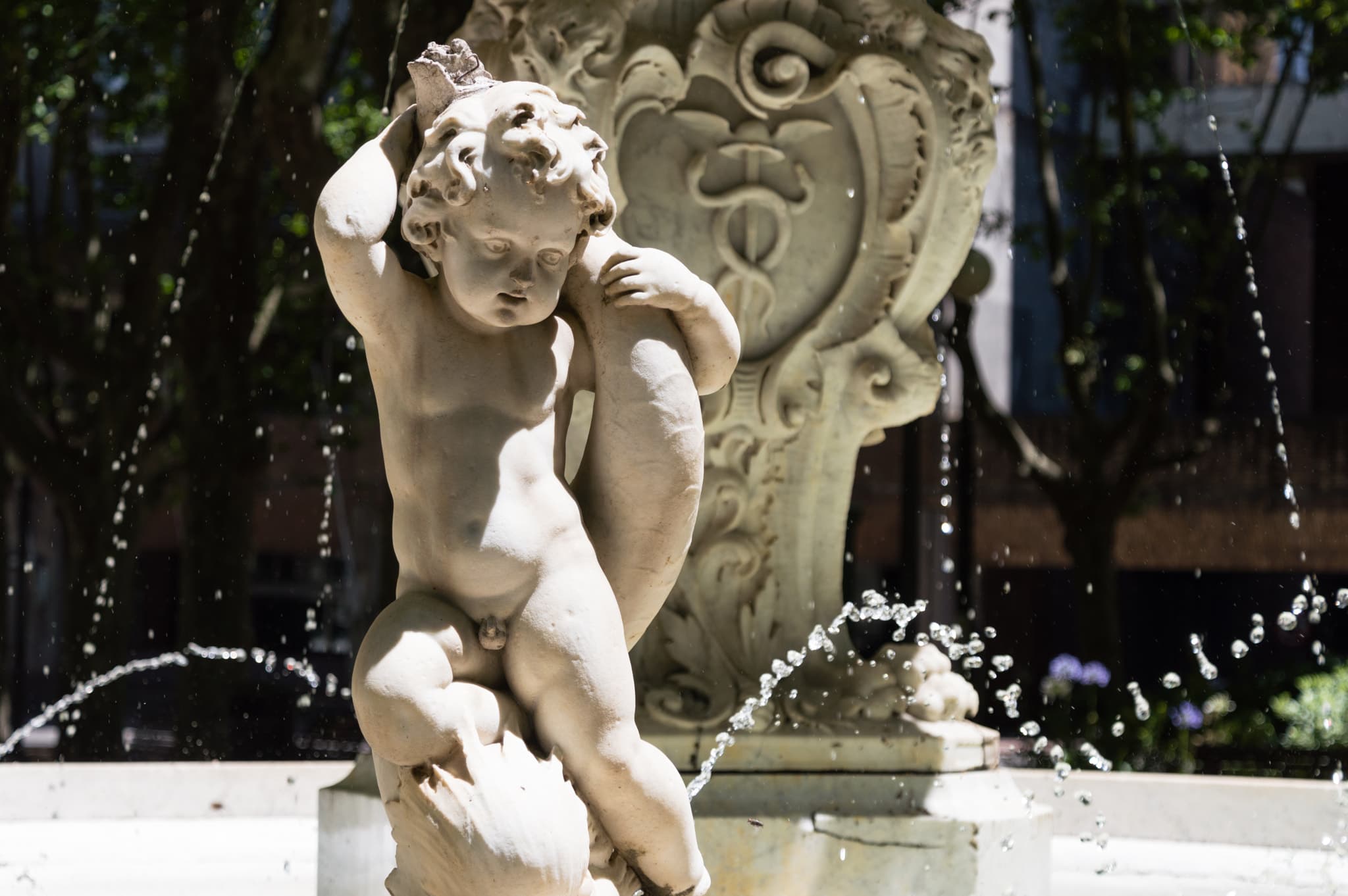
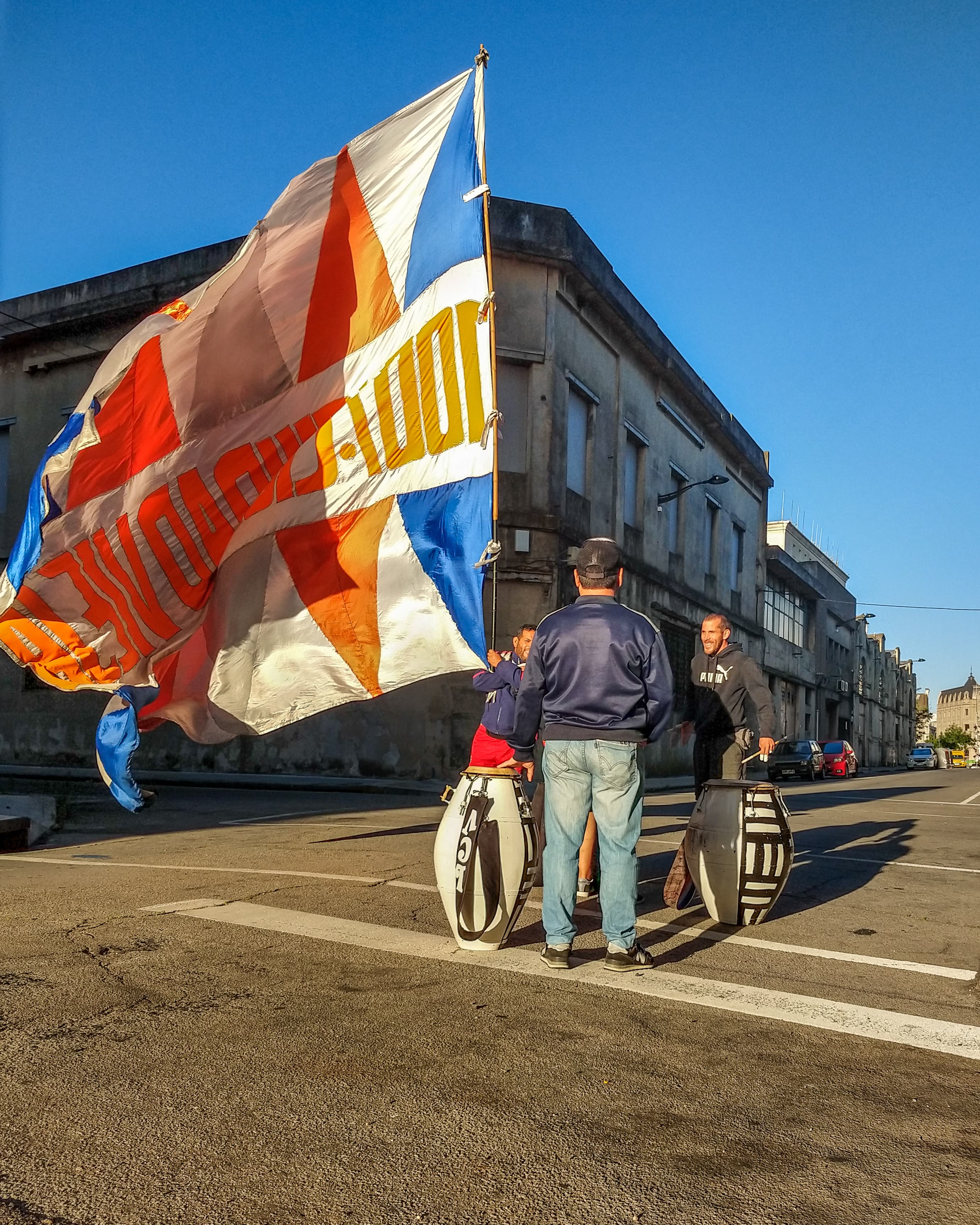
The spirit of Montevideo
Editorial guide with history, culture, and practical tips to plan your trip.
Overview
Montevideo is the most important urban center and the capital of Uruguay. Known for its rich historical identity and central role in national life, it stands out as the country's largest city.
It is relevant to note variations in nomenclature; while Brazil uses the spelling Montevidéu, in Portugal it is common to find the name as Montevideu. This duality reflects not only the idiomatic difference between the languages but also the cultural and geographic importance of the location for the entire Río de la Plata region.
History
Although provided sources focus on current demographic and geographical data, it is undeniable that Montevideo's recognition as capital and largest city suggests centuries of development and historical significance. Population growth, reaching the 2011 census mark, demonstrates a robust and continuous urban trajectory.
Its strategic location, situated on Uruguay's southern coast and at a nodal point where rivers meet the Río de la Plata, certainly shaped its historical importance as a port and commercial center since ancient times. The city grew significantly until it reached an area of 530 square kilometers.
Culture
As the largest metropolitan hub in Uruguay, Montevideo is a vibrant cultural epicenter. Its daily life reflects a unique mixture between coastal influences and the dynamism of a population exceeding one million inhabitants. Life in the city is characterized by Río de la Plata culture.
The population concentration, estimated at 1,319,108 people according to 2011 data, sustains a diverse and active cultural scene, where local traditions coexist with the modern rhythm of a major coastal capital.
Geography
Geometrically, Montevideo has a privileged location in southeastern continental Uruguay. It is situated on the southern coast of Uruguay, granting it a natural and historical connection to the ocean and the region's great rivers.
The most striking geographical aspect is its position on the north bank of the imposing Río de la Plata. This riverine location not only defines its coastal profile but also connects it economically and geographically to neighboring countries, reinforcing its role as an important regional pole.
Climate
Although specific details about climate patterns are unavailable, Montevideo's positioning on the southern coast, adjacent to the Río de la Plata, indicates a significant maritime influence on its climate. Proximity to large bodies of water tends to moderate extreme temperature variations.
It is an environment that benefits from both coastal breezes and the dynamic hydrology of the Plata, characteristics typical of cities flourishing in the transition between continent and ocean.
Tourism
Its status as a capital and its urban size make Montevideo a multifaceted tourist destination. The combination of its vast area (530 square kilometers) with the historical charm of a port city attracts visitors interested in culture, gastronomy, and coastal life.
Tourism in the capital is widely influenced by its unique geography, with views along the north bank of the Río de la Plata being a focal point for outings. The developed infrastructure to accommodate over one million inhabitants ensures a wide range of services and attractions for all types of travelers.
Fun Facts
One of the most notable demographic facts about Montevideo is its considerable size: in 2011, the city had an estimated population of 1,319,108 residents. This number underlines its importance as Uruguay's population center.
In addition to high population density, the municipality occupies a significant geographic area of 530 square kilometers. This combination of large area and high population solidifies Montevideo not only as the largest city but also as a center for urban development in southeastern South America.
Quick facts
Everything you need to know to plan your trip
Destination at a glance
Reference figures to help plan your trip
Hotels in the area
21
Attractions
9
Best hotels
We are still connecting hotels for this destination. Search stays in the area in the meantime.
Coming soon
We are still connecting hotels for this destination. Search stays in the area in the meantime.
Search hotelsDestination map
Hotels and experiences in the area
Frequently asked questions
Everything you need to know to plan your trip
What is Montevideo?
Montevideo is the capital and largest city of Uruguay.
What is the geographic context of Montevideo?
The city is situated on the southern coast of the country, positioned on the north bank of the Río de la Plata.
How large is the central area and how many people live there?
According to the 2011 census, the city itself had a population of 1,319,108 inhabitants, covering an area of 530 square kilometers.
In which country is Montevideo located?
Montevideo is a destination in Uruguay (UY).
Nearby destinations
Extend your trip to incredible destinations nearby
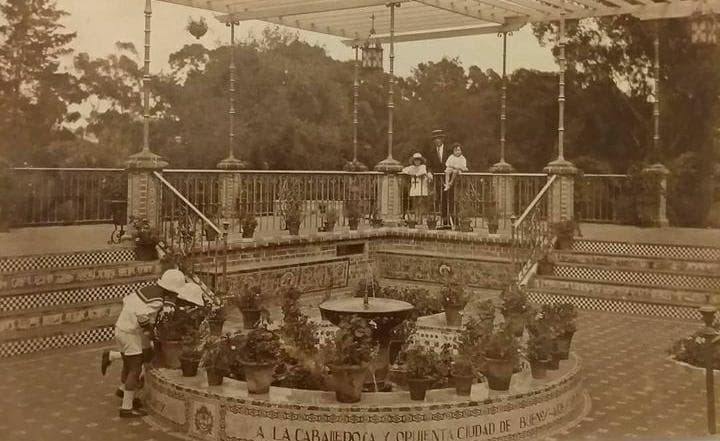
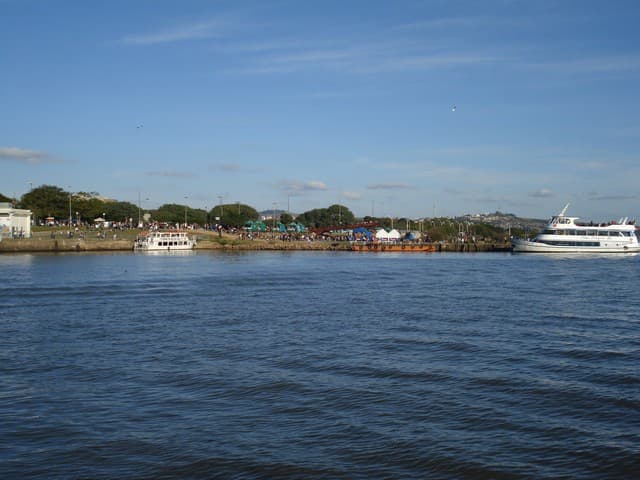
Ready to experience Montevideo?
We personalize every moment of your journey — from iconic landmarks to hidden cultural gems.
Available 24/7 · Personalized consultations · Local expertise
Updated on June 7, 2026
Sources