Hong Kong
Destination
Discover Hong Kong! Explore the unique blend of tradition and modernity amidst iconic skyscrapers. Your complete guide for an unforgettable trip.
Hong Kong · Brasil
Photos
Discover the landscapes and culture of Hong Kong
Editorial guide with history, culture, and practical tips to plan your trip.
Hong Kong stands out in the Asian landscape as one of the most fascinating and economically vibrant metropolises globally. Its unique identity is defined by its strategic geographic position and its complex political role within the People's Republic of China (PRC). It is officially recognized as a Special Administrative Region (SAR)—a status that grants a remarkable degree of autonomy within the Chinese system.
As part of this regional bloc, Hong Kong shares the geopolitical scenery with Macau. Both regions are situated on the southern coast of China and are bordered by significant natural landmarks, such as the Pearl River Delta and the vast South China Sea. This location not only defines its natural beauty but also strengthens its crucial role in global trade routes.
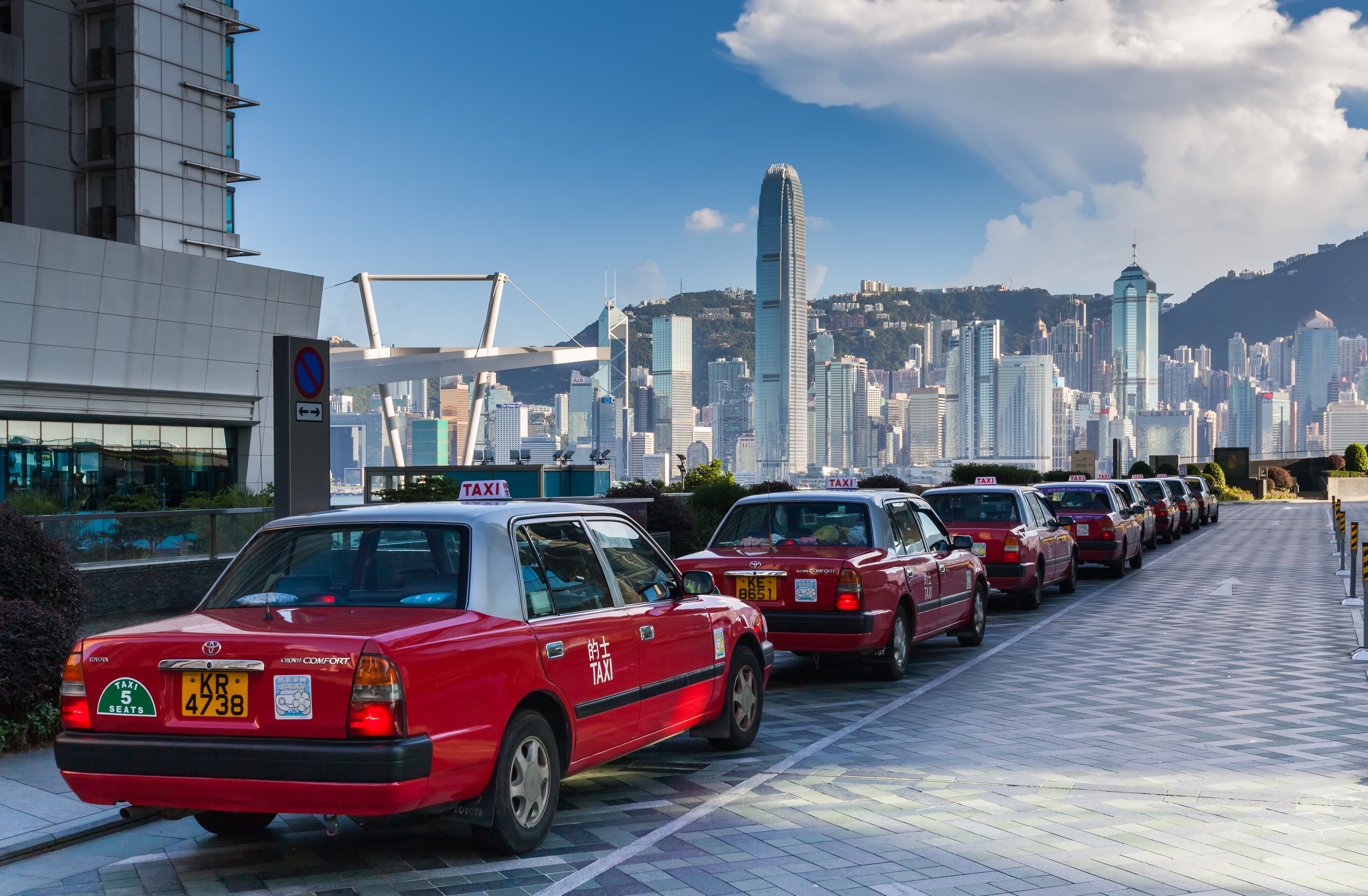
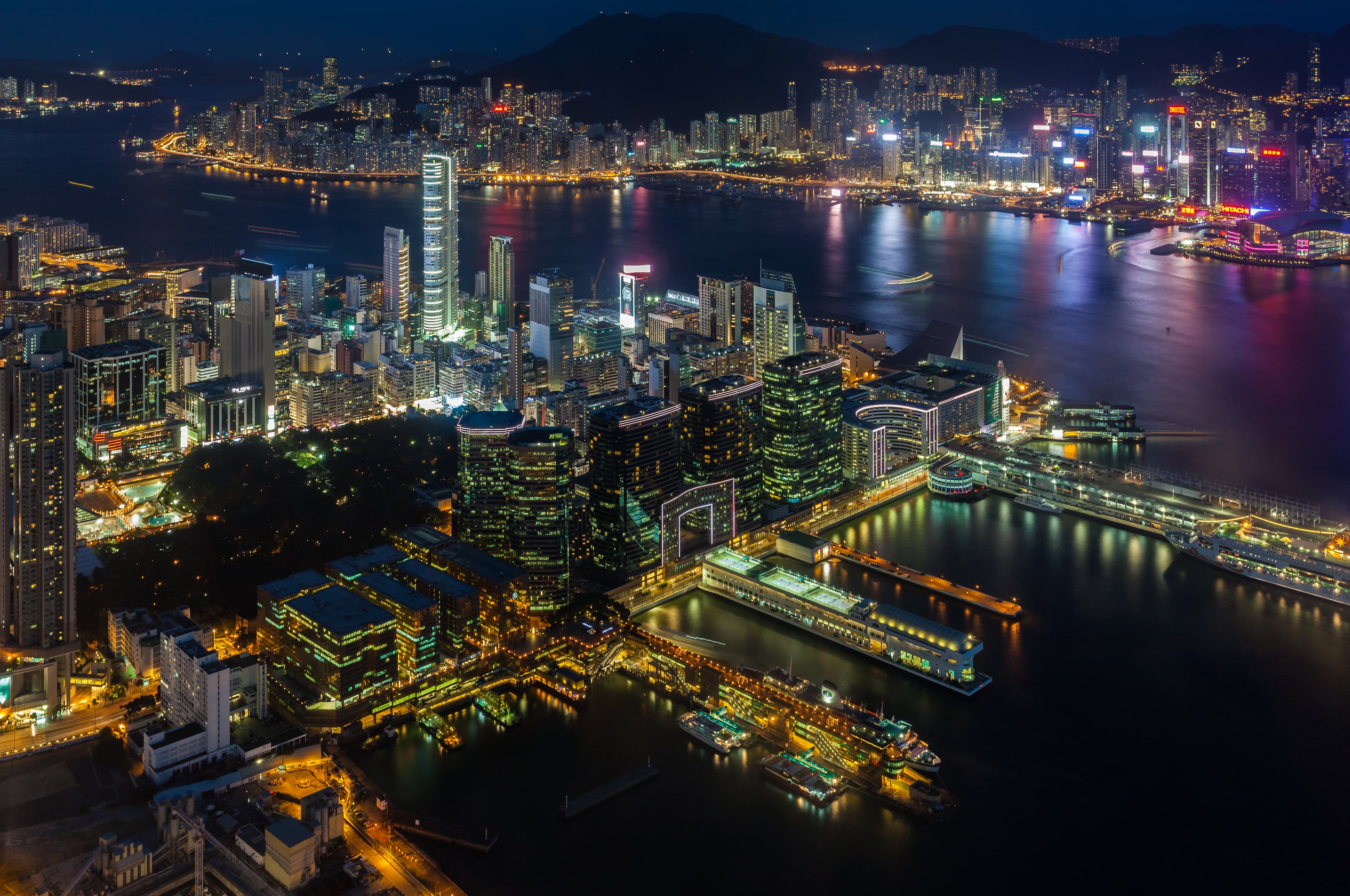
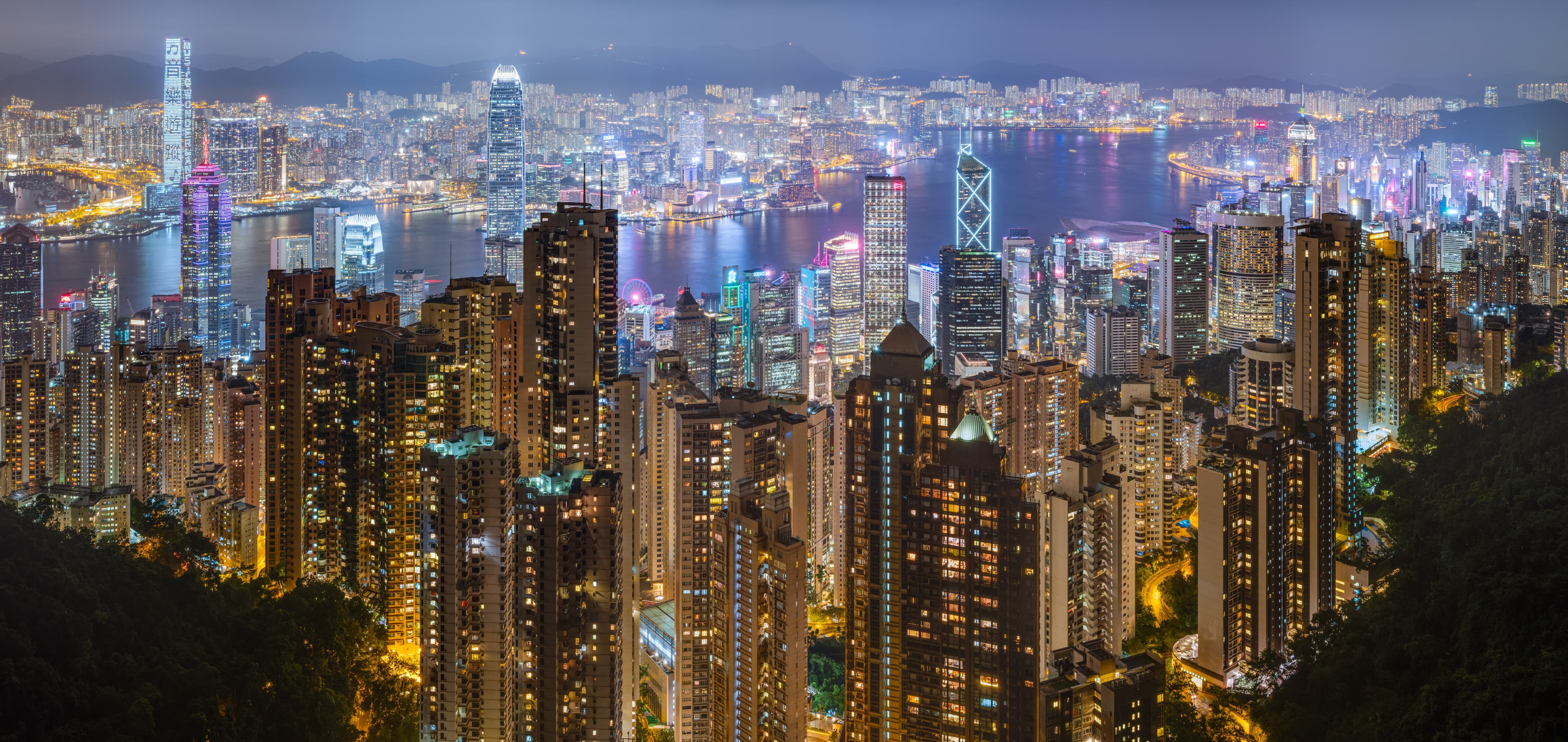
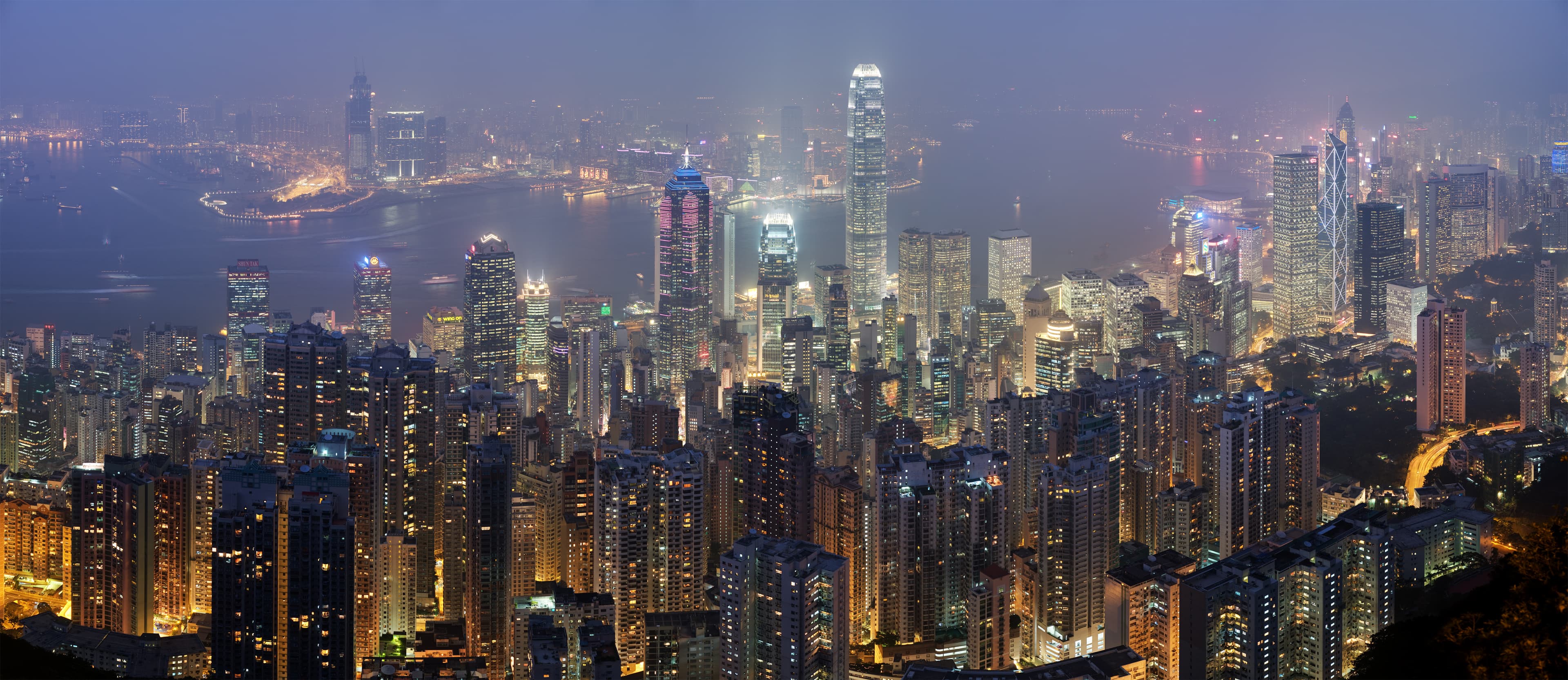
The most instant image of Hong Kong for any observer is a spectacular contrast: on one hand, a deep natural harbor that has witnessed centuries of maritime navigation; and, on the other, a dizzying architectural skyline filled with modern skyscrapers. This unique combination of historical port nature with ultra-modern verticality is what established Hong Kong as a global icon. With a relatively compact area of 1,104 km², it concentrates a large population, consolidating its title as one of the most densely populated areas on the planet.
While the modern history of the city is marked by significant political transitions and accelerated urban growth, Hong Kong’s demographic profile tells a deep story about its population origins. The majority of current inhabitants trace their lineage to neighboring regions in Guangdong province.
Traditionally, the base of Hong Kong's population core is linked to the historic cities of Guangzhou and Taishan. These communities formed the foundation for the culture and ethnic roots that predominate in the region even today. This historical connection with these nearby areas is a testament to the migration and cultural ties that have shaped the collective identity of its population.
The demographic formation, composed mostly of descendants of the Han Chinese group, reflects centuries of maritime trade and intense human movement. This continuous flow not only enriched the economic aspect of the natural port area but also established a robust culture that was able to adapt to profound geopolitical changes. The persistence of these origins is palpable in the local culture, keeping the memory of Guangdong's cities alive.
Hong Kong's cultural richness is intrinsically linked to its demographic diversity and its role as a global meeting point. While the architectural aspect is world-renowned for its frantic pace, the city's cultural backbone lies in its population.
From an ethnic standpoint, Hong Kong is predominantly Chinese. Approximately 95% of its inhabitants belong to the Chinese ethnicity, with the remaining 5% representing a rich and cosmopolitan blend of other ethnic groups that add unique layers to the social fabric. This composition reflects the history of a commercial hub open to the world.
Culturally, the dominant group is composed of individuals of Han Chinese ethnicity, whose primary origin dates back to the historic cities of Guangzhou and Taishan, located in the neighboring Guangdong province. It is from this demographic source that many of the customs, traditions, and cultural patterns observed daily emerge. Hong Kong's culture is thus a fascinating mosaic: a vibrant fusion between the deep tradition of Southern China (Guangzhou/Taishan) and the unmatched energy of a globalized metropolis.
Located in the strategic heart of China's southern coast, Hong Kong has geographical features that have shaped its economic development and physical identity. Its territory is strategically positioned relative to two large bodies of water: the South China Sea and the Pearl River Delta.
The total area of Hong Kong is 1,104 km², a relatively small space that manages to accommodate an extraordinary human concentration. This compact geography contributed to the city becoming a global model of high population density and vertical development.
The coastline is defined by the presence of a deep natural port. This geographical resource was historically vital, serving as the initial engine for its prosperous commerce. The territorial delimitation, between the Pearl River Delta to the west/north and the South China Sea to the east, guarantees the region invaluable maritime connectivity, solidifying it as a nerve center on the Asian geographical map.
While detailed information about specific climate patterns is not available in the provided data, it can be deduced that Hong Kong's geographic position on China's southern coast, bordered by the Pearl River Delta and influenced by proximity to the South China Sea, suggests a typically subtropical climate. This coastal location gives the region a pronounced maritime influence.
This type of coastal positioning is crucial, as climate patterns are historically linked to the sea and the dynamics of river deltas. The interaction between continental heat and sea breeze shapes not only the natural environment but also the rhythm of urban life in such a densely packed place.
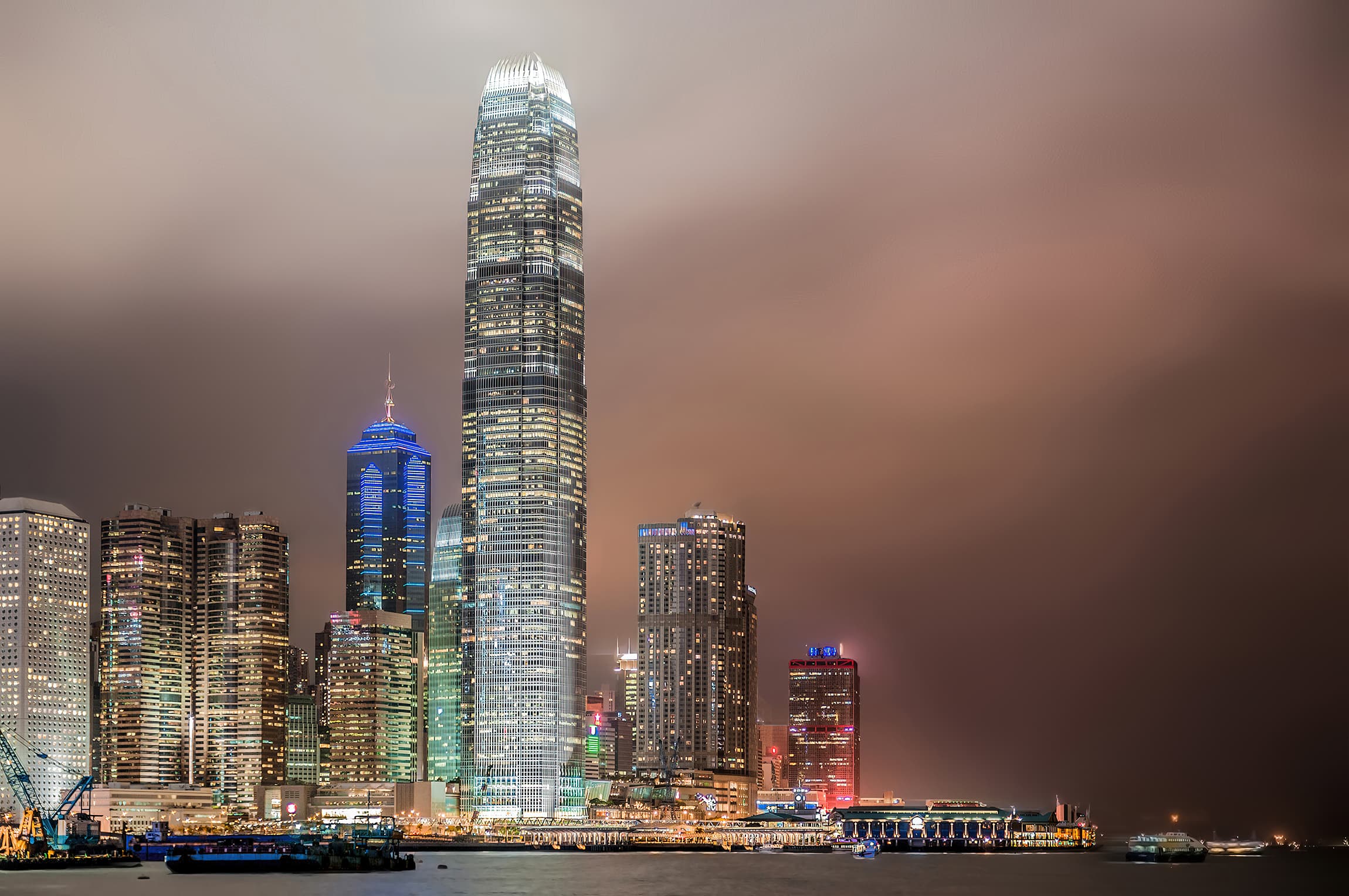
Hong Kong's tourist appeal is multifaceted, balancing natural wonders with feats of human engineering and modernity. The most visible and iconic element of the destination is undoubtedly its skyline, a dizzying landscape built by skyscrapers that soar into the sky.
Complementing the urban verticality is a priceless natural resource: the deep natural harbor. This port is not only a geomorphological marvel but also a constant stage for maritime and tourist activities. Strolling through the harbor offers a unique perspective on the relationship between human development and the power of the waters.
The tourist experience in Hong Kong is characterized by this intense coexistence: visiting the skyscrapers represents the peak of global capitalist progress, while sailing through the natural harbor evokes a sense of millennia-old commercial history. It is a destination that appeals equally to the lover of futuristic architecture as it does to those who appreciate the beauty and strength of a preserved coastal environment.
The most impressive and singular aspect of Hong Kong is its extraordinary population density. With a limited area of 1,104 km², having a population of around seven million elevates it to the status of one of the most populated inhabited areas on the planet—a feat that challenges traditional notions of urban planning.
This high density is sustained by a remarkably clear demographic composition: 95% of residents are ethnically Chinese. This fact not only defines the ethnic profile of the local population but also highlights the strength of cultural roots coming from neighboring regions like Guangzhou and Taishan, in Guangdong province.
The coexistence of this high level of population growth with a deep natural harbor and a skyscraper-filled skyline is not merely a logistical achievement, but also a testament to the human capacity to inhabit an extreme developing area. Hong Kong functions as a living urban laboratory, where the history of trade routes meets the dizzying future of modern capitalism.
Everything you need to know to plan your trip
Reference figures to help plan your trip
Hotels in the area
36
Attractions
9
36 properties in the area
Hotels and experiences in the area
Everything you need to know to plan your trip
It is one of the two Special Administrative Regions (SARs) of the People's Republic of China.
The city is famous for its skyscraper-filled skyline and its deep natural harbor.
The population body is composed mainly of Chinese ethnicity (95%), with 5% belonging to other ethnic groups.
Yes, with an area of 1,104 km², it is considered one of the most densely populated regions in the world.
Hong Kong is located on the southern coast of China and is bordered by the Pearl River Delta, with Macau being its main administrative neighbor.
Extend your trip to incredible destinations nearby
We personalize every moment of your journey — from iconic landmarks to hidden cultural gems.
Available 24/7 · Personalized consultations · Local expertise
Updated on June 7, 2026
Sources