Phuket
Destination
Discover Phuket, the vibrant island jewel of the Andaman Sea. Enjoy pristine beaches, luxury resorts, and rich Thai culture. Plan your perfect getaway!
Phuket · Brasil
Photos
Discover the landscapes and culture of Phuket
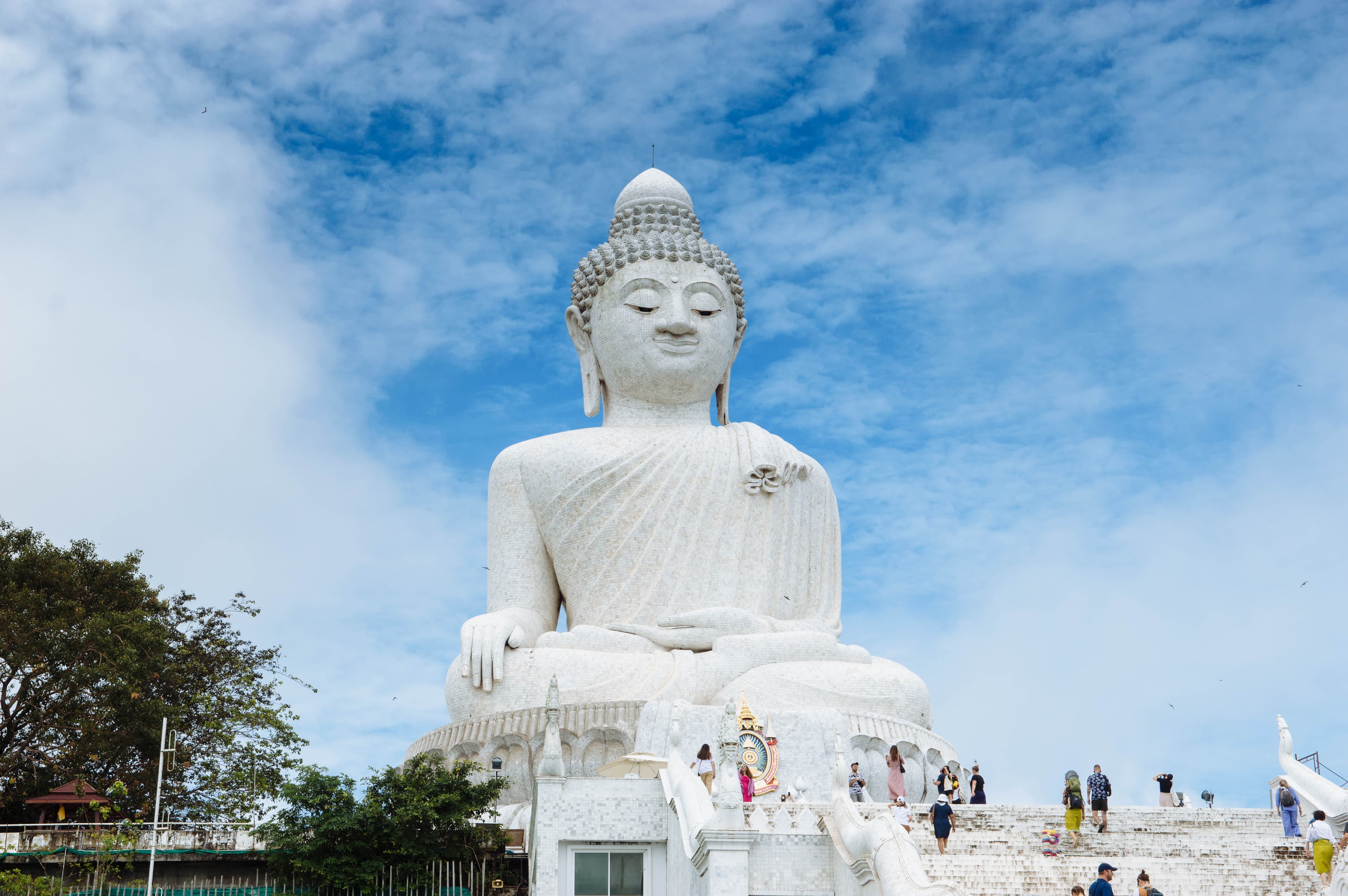
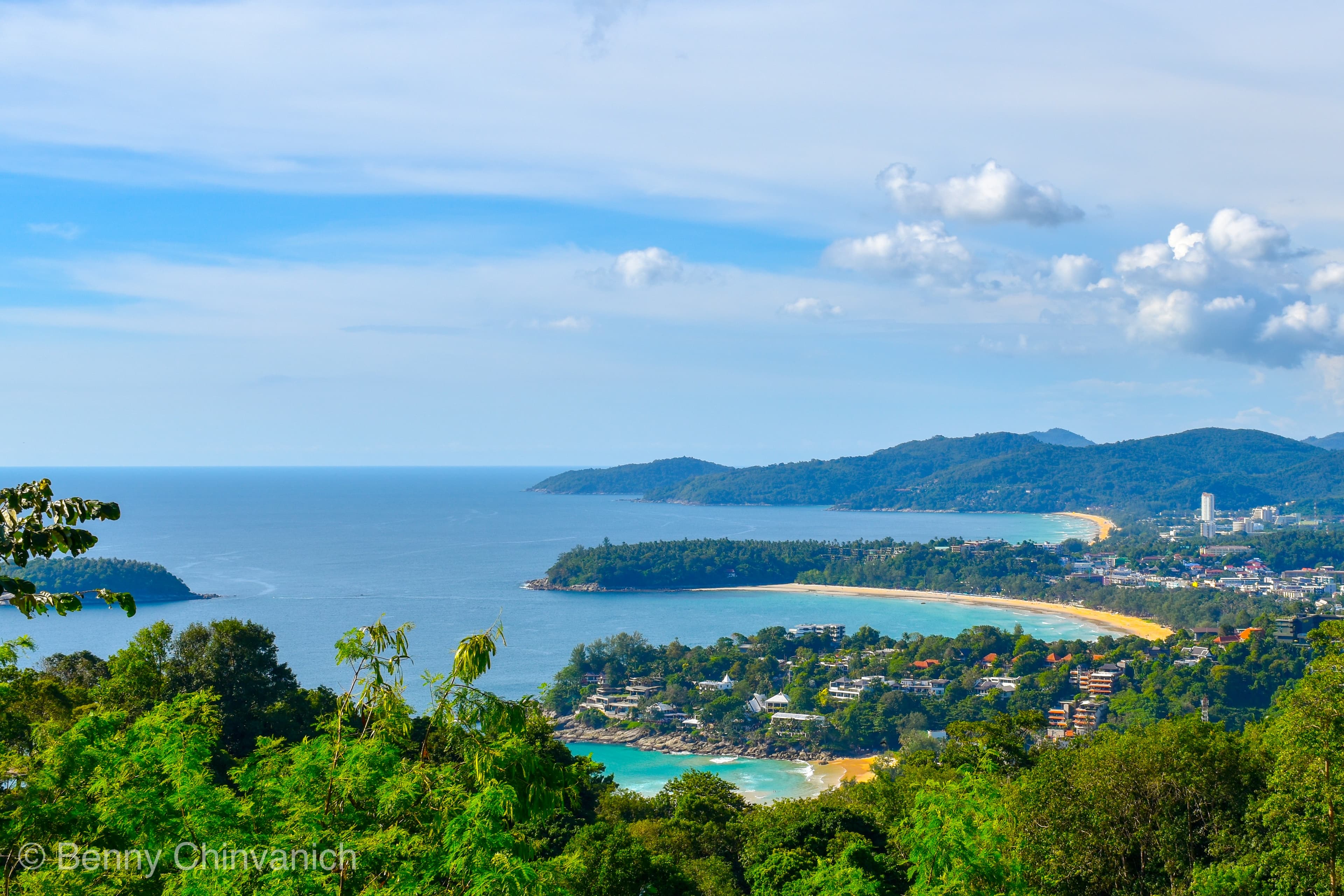
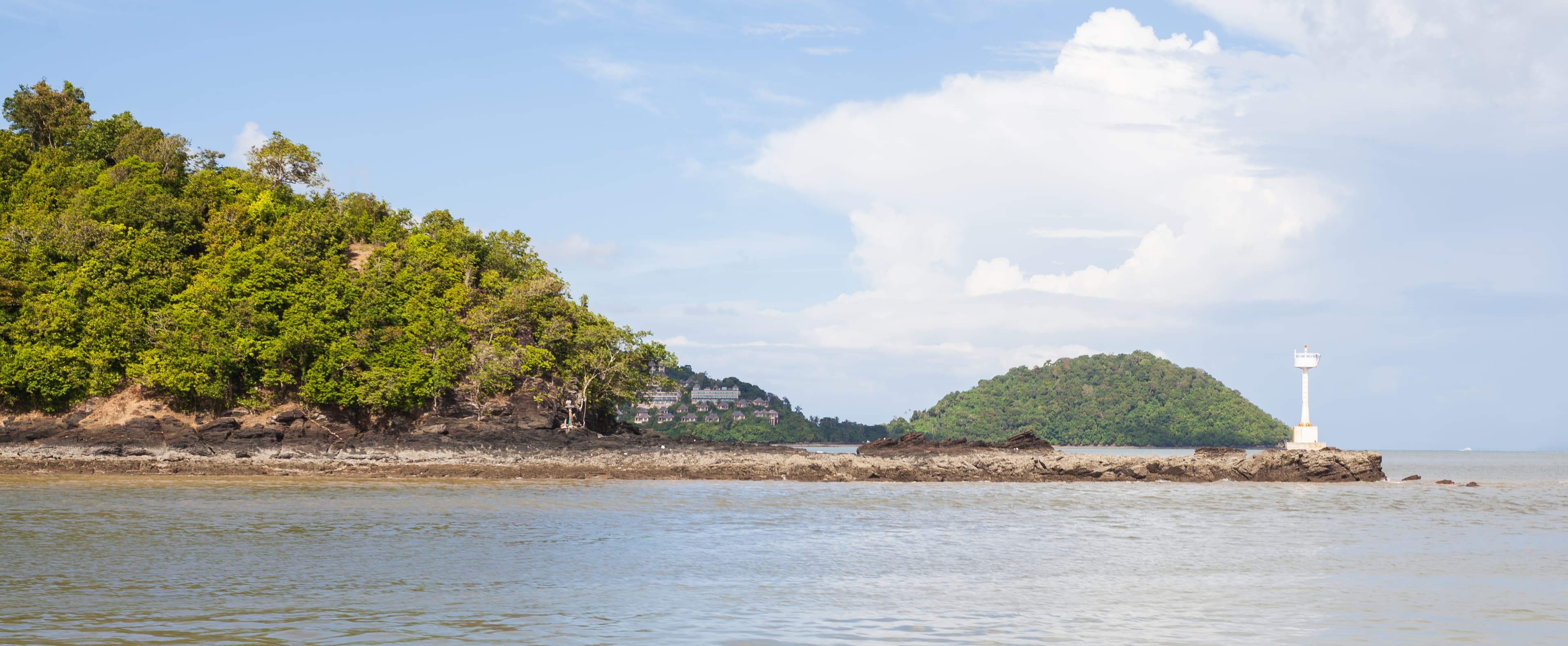
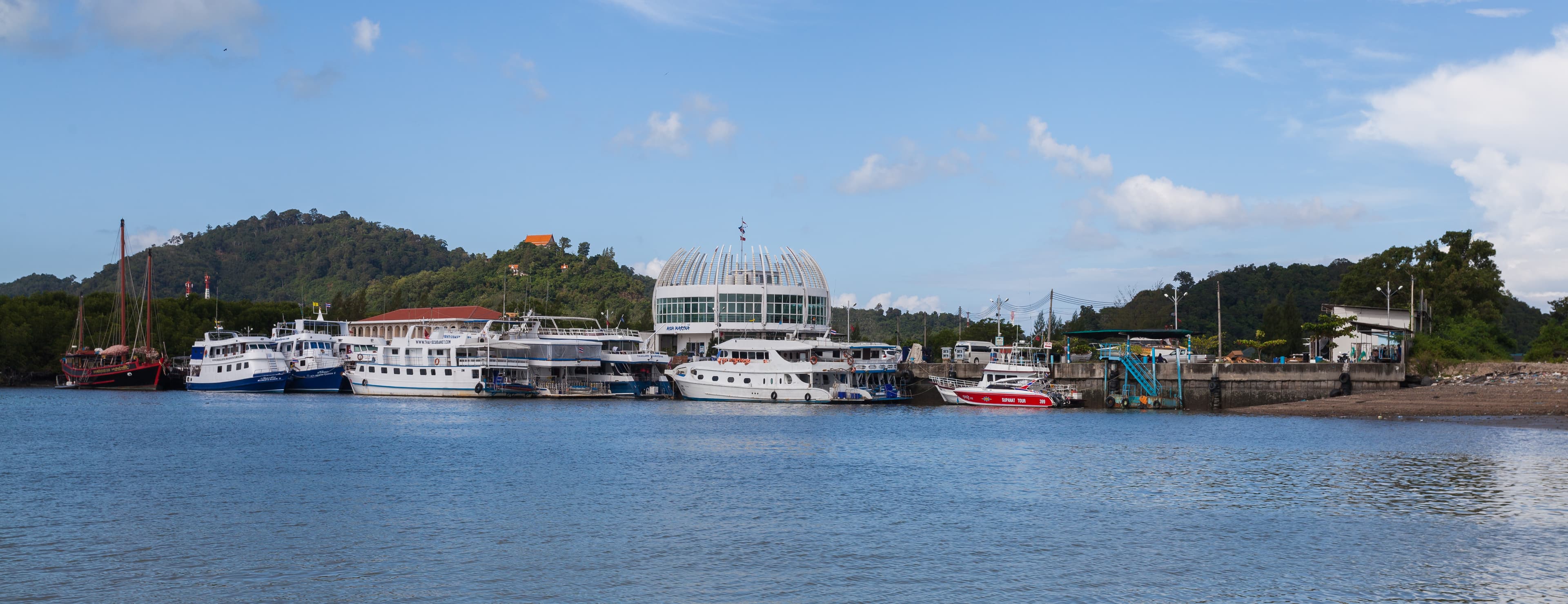
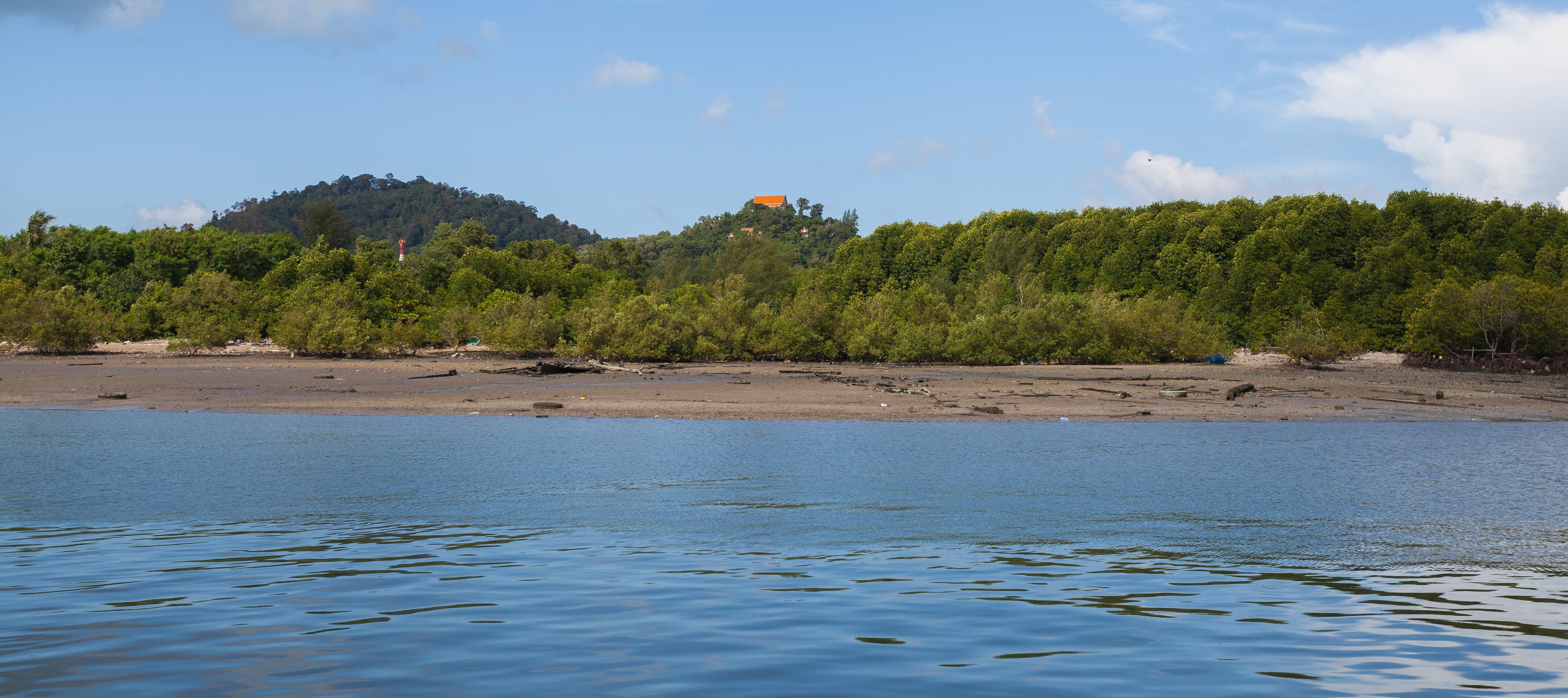
Editorial guide with history, culture, and practical tips to plan your trip.
Phuket evokes the image of a tropical paradise mixed with vibrant cultural influences, nestled in the Andaman Sea. More than just a tourist spot, it is a complex geographical and administrative entity within Thailand. The name "Phuket" can refer to different levels of reference, which adds depth to the destination.
Firstly, there is the island itself: an lush landmass located in the Andaman Sea, world-famous for its pristine beaches and crystal clear waters. This island is not merely a postcard; it is the stage for vibrant life, supporting both its own development and that of its surrounding region.
In administrative terms, Phuket also operates as an established Thai province. And within this provincial structure, we find the eponymous city, which serves as the local capital. This superposition of identities – geographical island, administrative province, and urban center – is what makes Phuket a multifaceted destination rich in experience. Whether discussing the untouched natural landscape or the dynamism of its port metropolis, Phuket offers a complete journey for the modern traveler.
The presence of local air services, such as Phuket Air, reinforces the central role this location plays not only within the Thai region but also on international travel routes, connecting it to the world and ensuring that its magical landscape remains perpetually accessible.
Although primary sources are concise historically, Phuket's established existence as a province and population center suggests a past of great strategic importance. Like any major maritime hub in Asia, the island's historical development is intrinsically linked to the trade routes of the Andaman Sea.
Over the centuries, Phuket's prime location allowed it to become a nodal point for cultural and economic exchange. Maritime activity was the engine of its evolution, attracting merchants, navigators, and diverse cultures who left their architectural, gastronomic, and social imprints on the local fabric.
Being an island also means being subject to natural forces and global trade cycles. Historically, Phuket not only received goods from other parts of Thailand and Indonesia but also served as a crucial meeting point for different ethnic groups. This constant exchange is what paved the way for the vibrant cultural tapestry observed today.
The consolidation of its modern identity as both a province and an urban capital reflects not just its population growth, but also its continuous ability to adapt to the rhythms of global commerce. The history of Phuket is, therefore, a narrative of maritime resilience and commercial prosperity.
Phuket's culture is a fascinating mosaic that directly reflects its historical role as a convergence point on a vital sea route. It is not a monolithic culture but rather a rich fusion of native Thai, Asian, and Western influences brought by traders over the centuries.
This diversity is evident in both local traditions and cuisine, which mixes the exotic flavors of Thailand with touches of other global gastronomies. The markets and urban centers of the capital reflect this cultural synergy, making it a feast for the senses.
Community identity is deeply tied to the sea. The Andaman Sea is not merely beautiful scenery; it shapes the rhythm of life, the economy, and even local festivals. Fishermen and maritime traders maintain a central role in the island's cultural life.
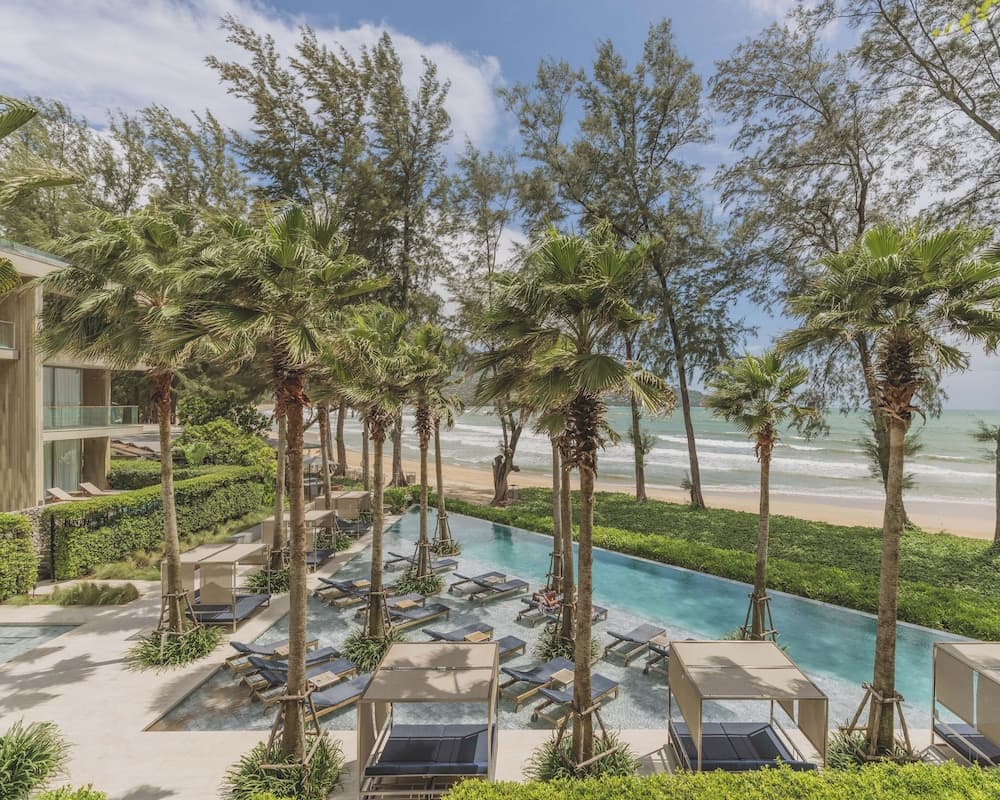
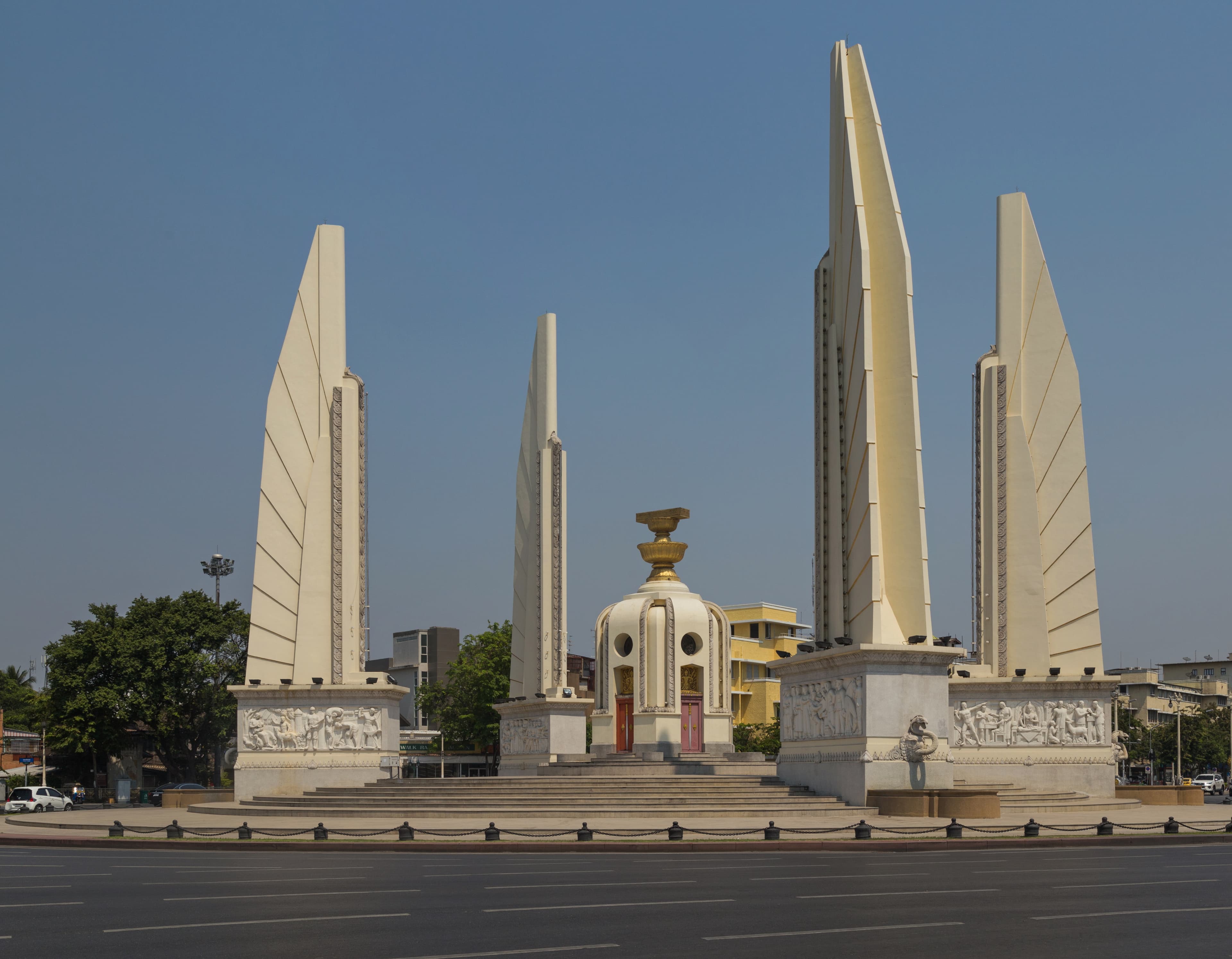
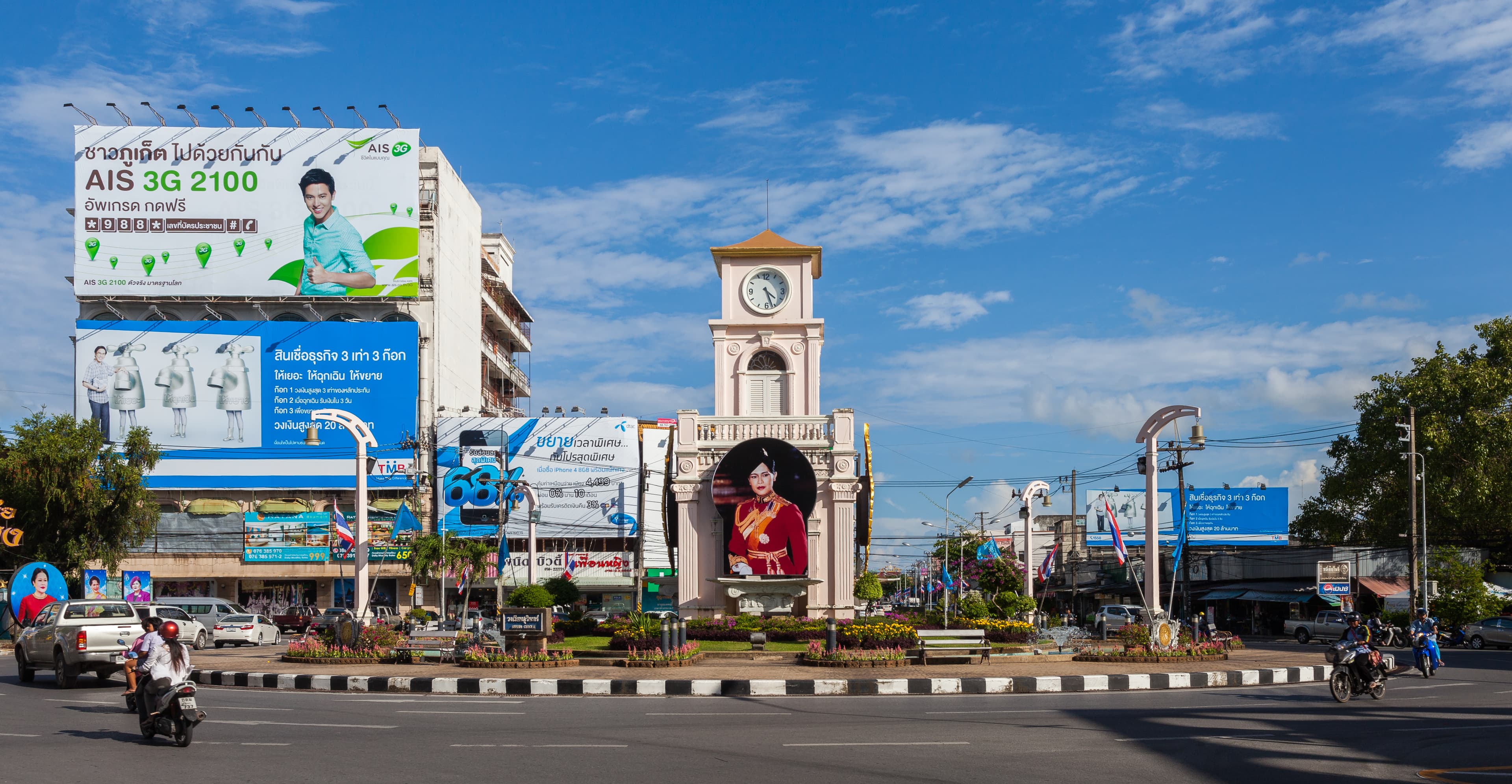
When visiting Phuket, tourists have access to cultural manifestations ranging from majestic temples, witnessing profound Buddhist influences, to vibrant artisan markets where one can find products that tell ancestral stories. This mixture makes Phuket a culturally stimulating destination, ideal for those seeking deep immersion in Southeast Asian traditions.
Geographically, Phuket is defined by its exceptional location: a majestic island situated in the Andaman Sea. This geographical position makes it a strategic passage and development point.
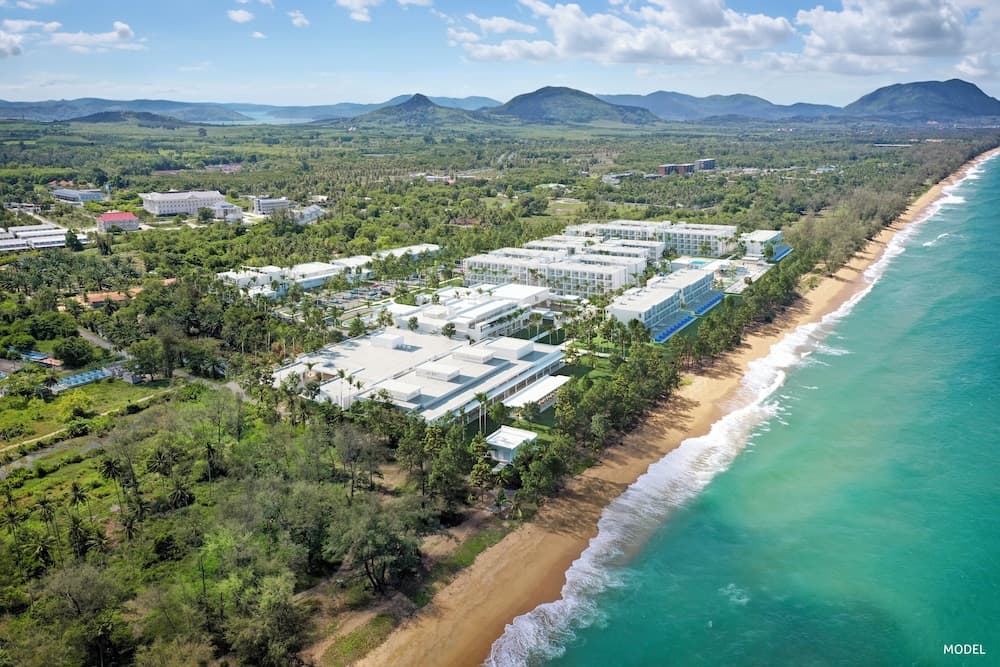
The island's territory presents dramatic variations, contrasting with the sandy coastlines of world-class beaches and the mountainous areas that raise the terrain in other regions. It is this topographical diversity that enriches the landscape and offers countless scenes for exploration.
As a Thai province, Phuket possesses robust administrative infrastructure, centered on the eponymous city which serves as the regional capital. This urban organization ensures not only logistical support for population growth (+525,709 inhabitants), but also efficient management of public services and local commerce.
The relationship between the terrestrial and aquatic environment is fundamental. The Andaman Sea washes its coasts, dictating a climate and an economy based on marine resources and coastal tourism. This geographical delimitation makes the island a paradise that developed at the perfect interface between the Asian continent and turquoise waters.
Located in a privileged tropical position, under the direct influence of the Andaman Sea, Phuket enjoys a typically tropical climate. This is a defining factor for the island's constant appeal throughout the year.
The climate is characterized by high temperatures and high humidity, inviting visitors to engage in refreshing water activities. Seasonality is marked by the influence of winds and monsoons, creating different periods of ideal conditions for tourism.
Climate variations allow beaches and waters to maintain constant appeal, although it is crucial to plan visits considering seasonal patterns. The hot and humid environment calls for the leisurely pace of island life, perfect for relaxation, but it also sustains a vibrant life of tourist activities.
In essence, Phuket's climate is a defining element of its lifestyle: warm, sunny, and paced by the tides of the Andaman, ensuring that the landscapes remain lush and inviting all year round.
Phuket has established itself internationally as one of the most sought-after tourist destinations globally. Its tourist attraction is a harmonious blend of casual leisure, natural adventure, and world-class service luxury.
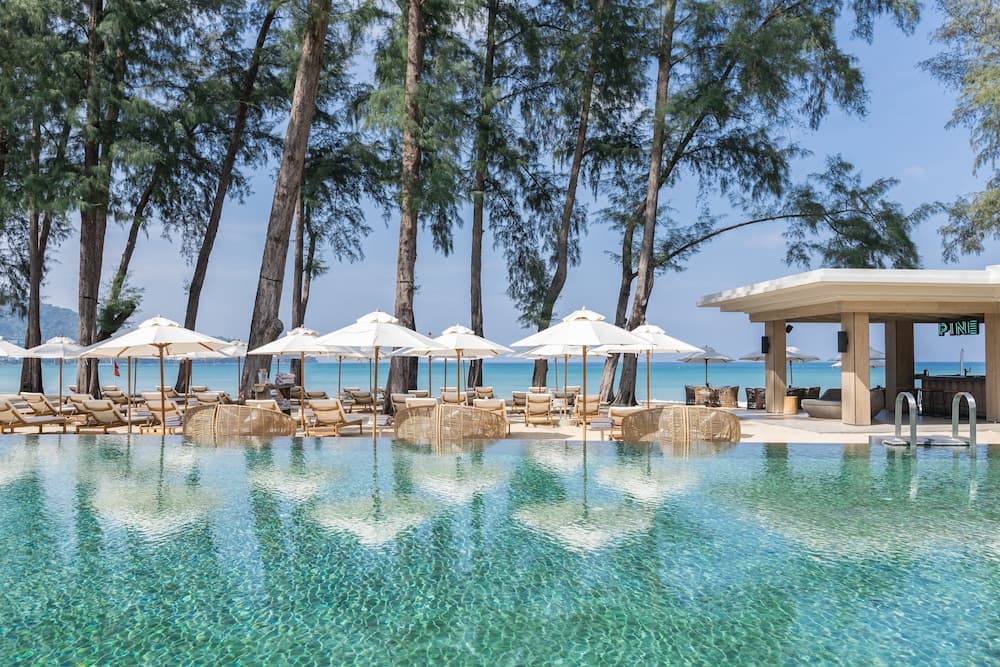
Tourism initially centers on its spectacular beaches, where water activities such as diving and snorkeling are constant. The waters of the Andaman Sea offer abundant marine life, attracting underwater enthusiasts seeking to explore colorful reefs.
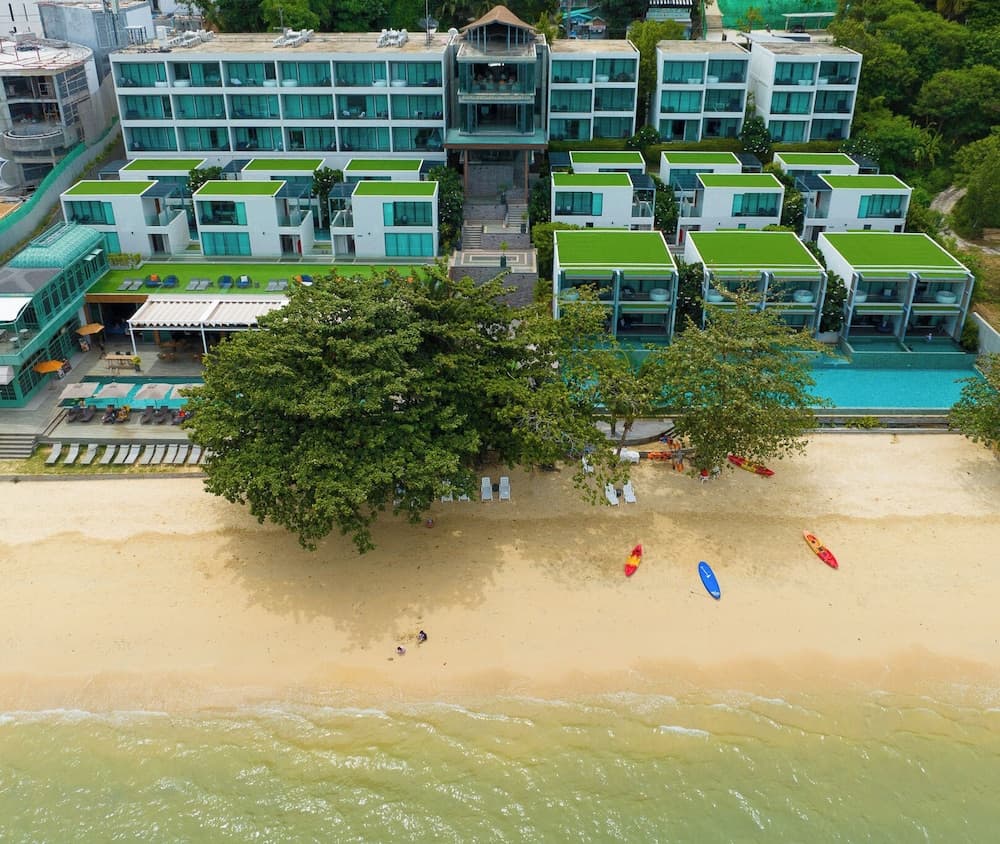
Beyond the world-famous beaches, tourism in Phuket includes deep cultural exploration through visits to cities and temples. High-quality hotels and resorts ensure comfort for all traveler profiles, from families looking for complete leisure to adventurers seeking trails in neighboring mountains.
The modern infrastructure itself, including connectivity facilitated by services like Phuket Air, ensures a constant and efficient flow of visitors. Whether exploring the beaches or enjoying the urban centers of the provincial capital, Phuket offers a complete tourist experience, satisfying the desire to relax under the Thai sun and discover a thousand wonders in its heart.
A fascinating aspect of Phuket is its multifaceted nature. It is important to note that the term "Phuket" does not restrict itself only to the island; it also encompasses the administrative province and, consequently, the urban capital. This redundancy of names reinforces its central role in the region.
This duality of identity – being a geographical entity (the Island) and an administrative center (the Province/City) – is what lends depth to its social and economic organization, making it an attractive hub for investment and housing. The provincial capital is the beating heart that connects insular natural beauty with urban dynamism.
Another point of interest is regional connectivity. The existence of dedicated air services, such as Phuket Air, underlines not only its population size and economic importance (exceeding 525 thousand inhabitants), but also the strategic recognition it receives on the map of Asian flight routes.
Phuket is a case study in geographical synergy: a tropical island that managed to maintain its paradise soul while developing into a modern, organized metropolis, perfectly balancing the wild nature of the Andaman with the comfort of an established province.
Everything you need to know to plan your trip
Reference figures to help plan your trip
Hotels in the area
234
Attractions
9
234 properties in the area
Hotels and experiences in the area
Everything you need to know to plan your trip
Phuket is an island located in the Andaman Sea.
Phuket is located in Thailand.
It can refer to the island, the province, or the eponymous capital city.
The population exceeds 525,709 inhabitants.
It is the name used by the airline, Phuket Air.
Extend your trip to incredible destinations nearby
We personalize every moment of your journey — from iconic landmarks to hidden cultural gems.
Available 24/7 · Personalized consultations · Local expertise
Updated on June 7, 2026
Sources