Fernando de Noronha

Destination
Discover Fernando de Noronha! This magical archipelago, in Pernambuco, offers paradisiacal beaches, amazing marine life, and unique eco-tourism. Plan your trip.
Fernando de Noronha · PE · Brasil
Photos
Discover the landscapes and culture of Fernando de Noronha
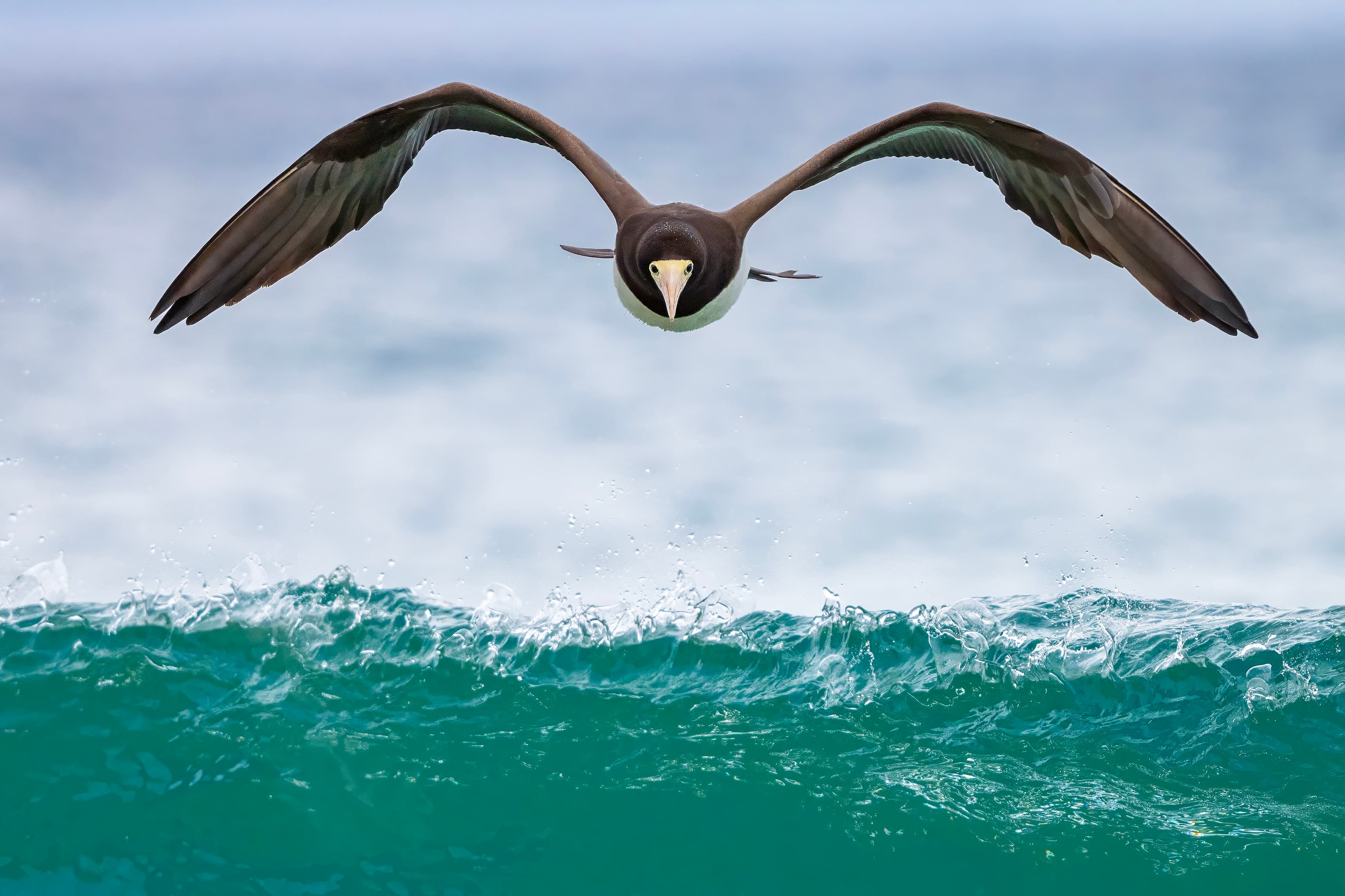
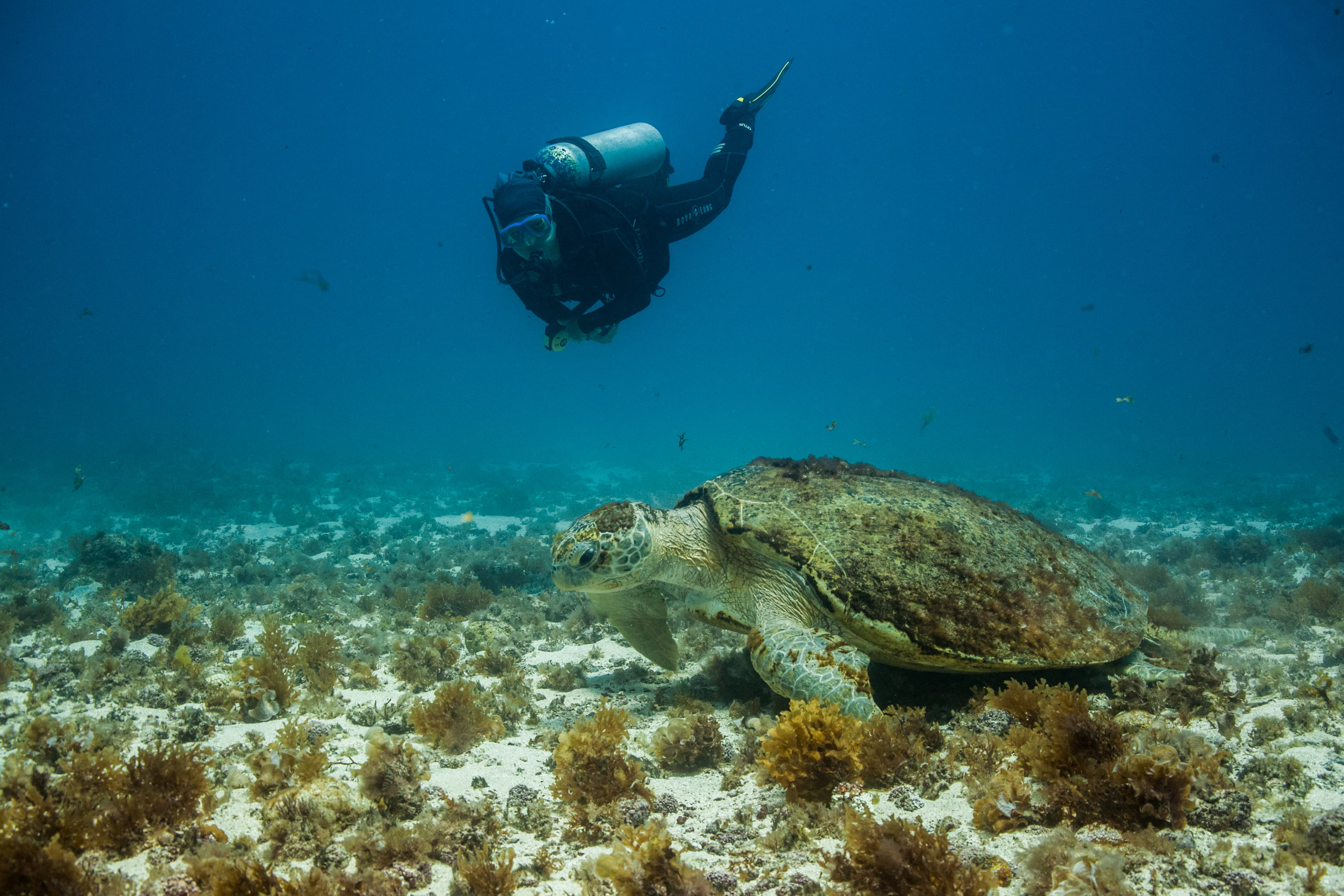
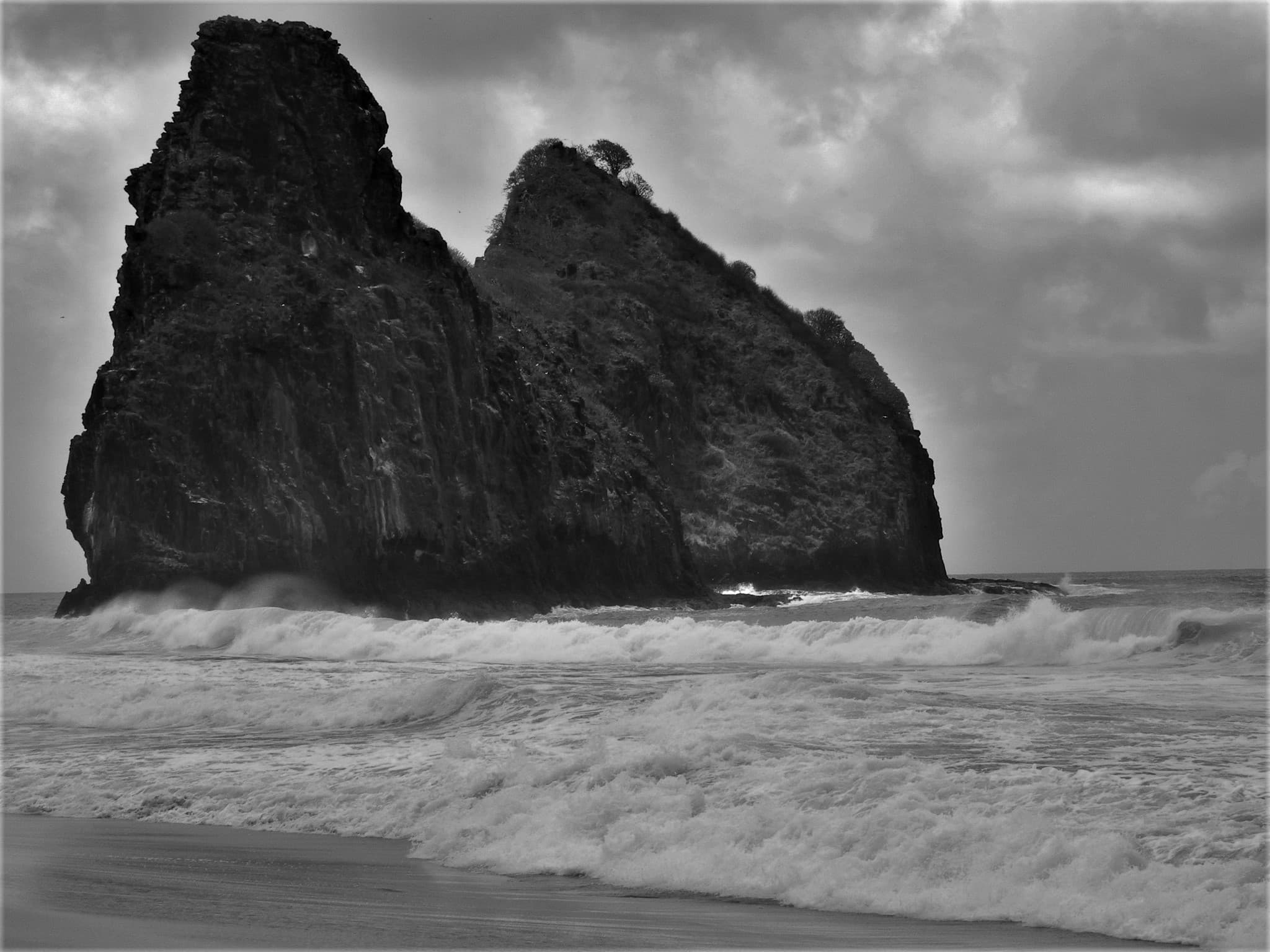
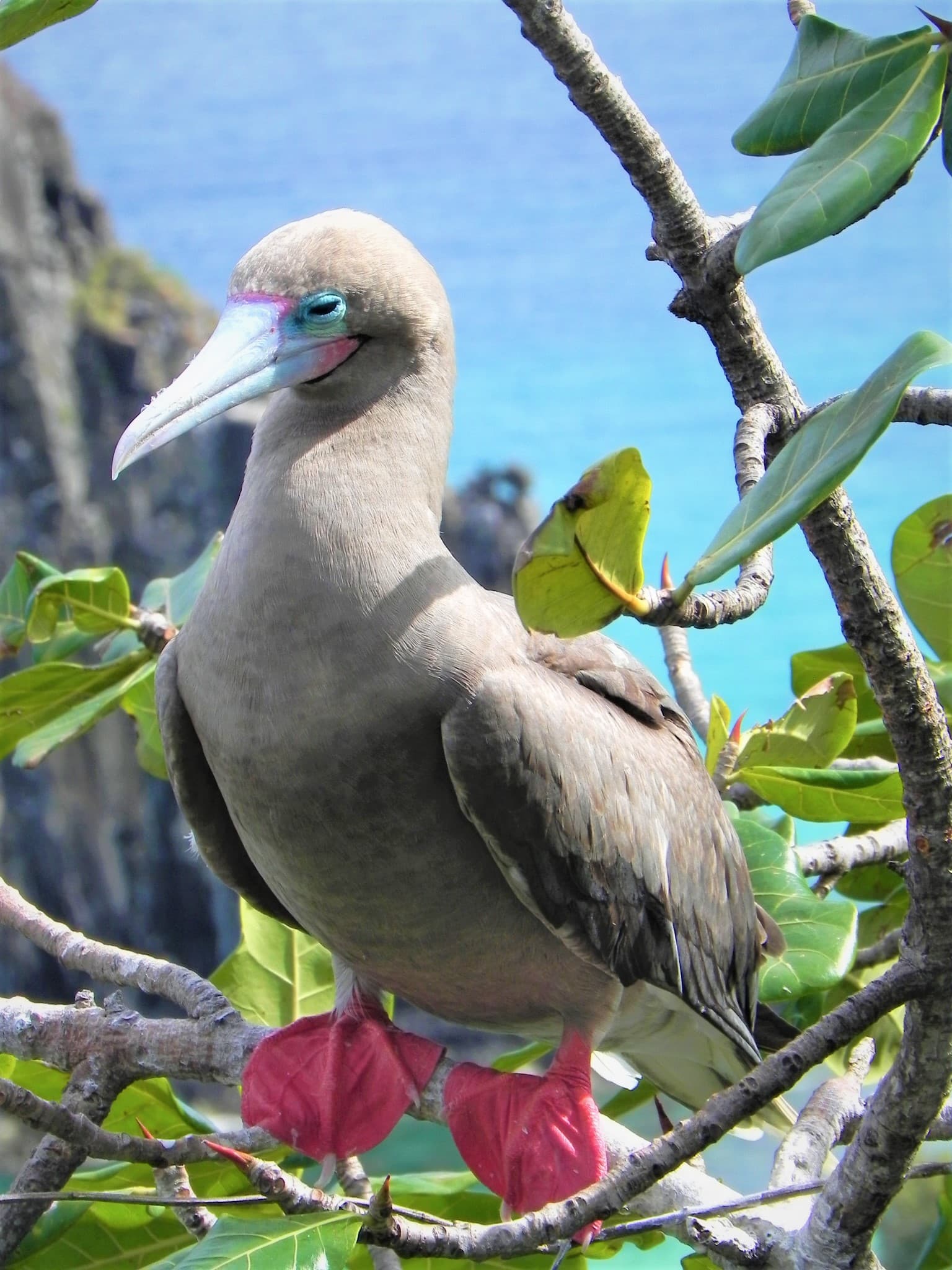
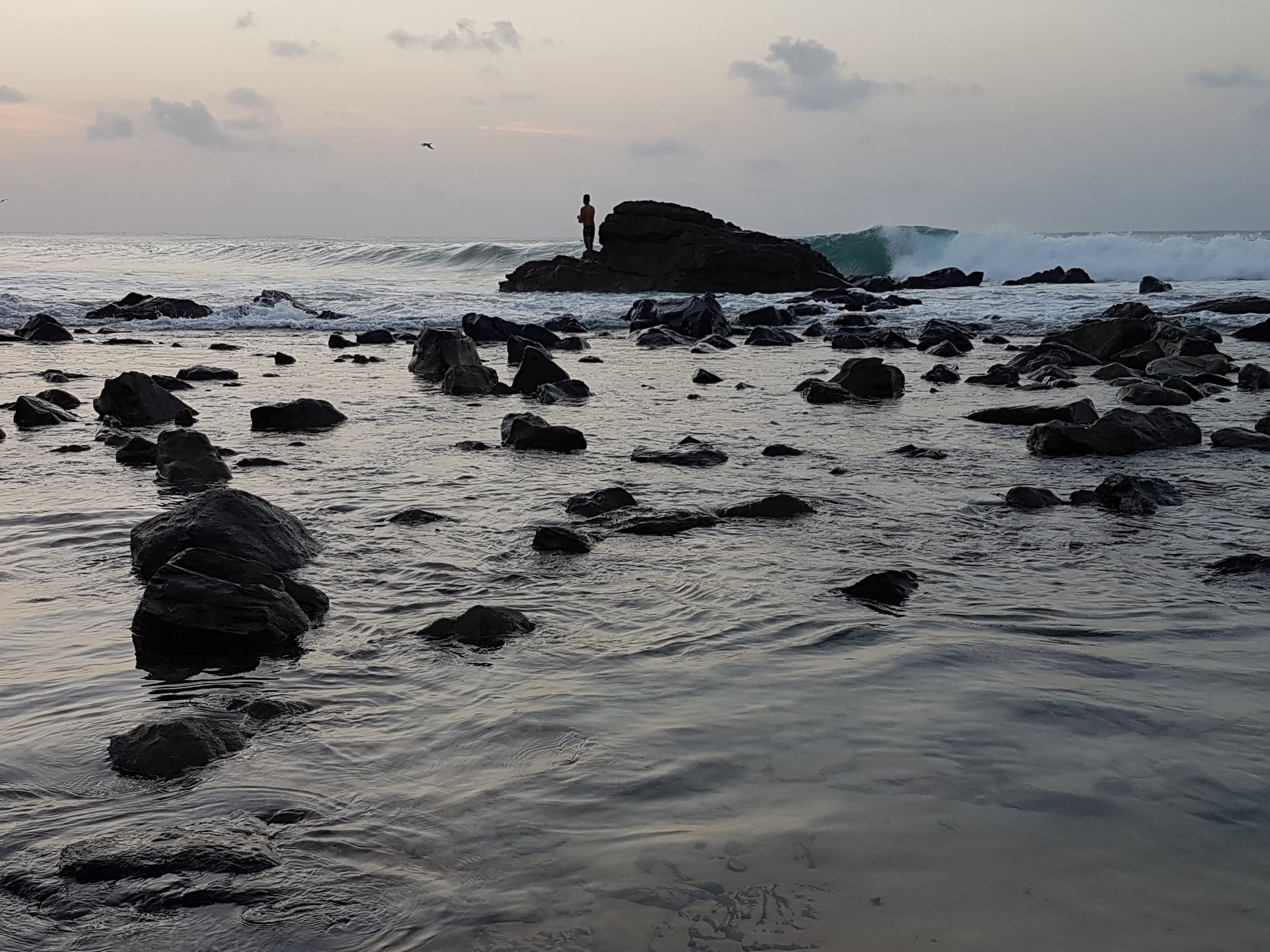
Editorial guide with history, culture, and practical tips to plan your trip.
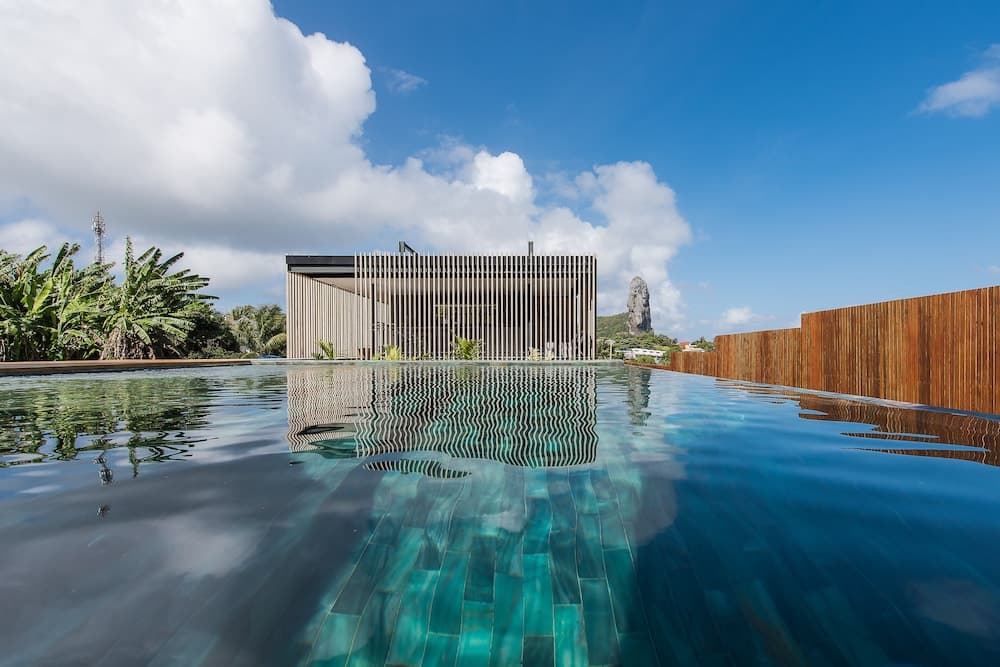
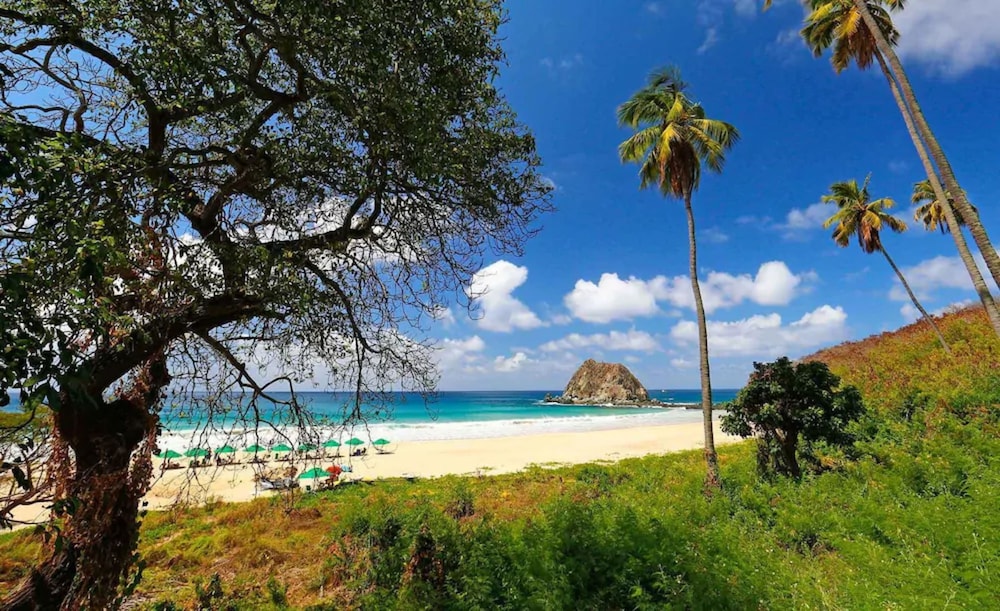
Fernando de Noronha is one of the most iconic and fascinating destinations in Brazil, internationally recognized for its abundant natural beauty. This is not just a group of islands, but a true Brazilian archipelago located in the state of Pernambuco (PE). Its unique existence places it in a prominent geographical position, bathed by the turquoise waters of the Atlantic Ocean.
Composed of an impressive formation that includes 21 smaller islands, as well as various islets and rocky outcrops, the geography of the archipelago tells an ancient story. All these formations have predominantly volcanic origins, a geological fact that has shaped its unique landscapes, from untouched beaches to dramatic rock peaks. The total size of this paradise is 26 km², while the main island hosts a significantly smaller area, approximately 17 km². It is this combination of volcanic formation and oceanic location that gives Fernando de Noronha a wild and preserved character.
The administration of this natural heritage is strictly controlled. The National Park in which the archipelago resides is managed by the Chico Mendes Institute for Biodiversity Conservation (ICMBio), ensuring that environmental conservation is the highest priority and preserving all rich local fauna and flora for future generations.
While detailed historical records are not the focus of its modern tourist appeal, the history of Fernando de Noronha is intrinsically linked to its isolated nature and the strength of conservation. The trajectory of its rocky formations dates back to deep geological processes, making it a living testament to Atlantic volcanic activity.
Over time, this location transitioned from a remote point in the vast Atlantic Ocean to a destination that attracts attention and tourists from around the world. Its current management reflects a growing awareness of the importance of protecting unique ecosystems. The fact that it is managed as a National Park by ICMBio not only guarantees environmental protection but also imposes strict visiting rules, maintaining a delicate balance between human presence and biodiversity preservation.
In terms of urban life, although the population is relatively small — numbering around 2930 inhabitants — there is a vital urban core for civil life: Vila dos Remédios. This location serves as the commercial and social center of the archipelago, being the meeting point for the daily activities of the residents.
The culture in Fernando de Noronha is deeply influenced by its isolated geography and its status as an environmental conservation area. Life here follows a rhythm dictated both by the tides of the Atlantic and by the cycles of nature, giving the residents a unique connection with the marine environment.
Despite constant external influences through visitors, local culture maintains its own resilient characteristics. The core of Vila dos Remédios is the epicenter where this cultural fusion takes place. It is here that not only essential commerce but also the social meeting point pulses with the community life of the archipelago.
The lifestyle in the destination is characterized by valuing sustainability and respect for nature. This philosophy permeates everything from tourist activities to the daily habits of residents, creating a cultural identity linked to the deep blue of the sea and the vibrant colors of local biodiversity. Living in such a delimited space, surrounded by natural heritage of incalculable value, generates a very strong community sense among its inhabitants.
Fernando de Noronha is geologically defined as a Brazilian archipelago belonging to the state of Pernambuco. Its formation is not accidental; it is the direct result of active volcanic processes in the Atlantic Ocean, giving it a unique rock and landscape composition.
Geographically, the complex extends over 26 km² in its total area. Within this territory, the main island has about 17 km². The structure is composed of a fascinating mosaic that includes not only the main islands and their world-famous beaches, but also a vast network of 21 smaller islets and scattered rocks. This insular arrangement gives the destination an extremely rich visual and ecological aspect.
In terms of macro location, it is positioned in the Atlantic Ocean, northeast of the Brazilian continent. The distances are notable: the archipelago is located 350 km from the city of Rio Grande do Norte (RN) and slightly farther, at 545 km, from the capital of Pernambuco, Recife. These great distances reinforce its natural isolation, an element that contributes directly to maintaining its ecosystems in an almost pristine state.
Due to its privileged location in the Atlantic Ocean and the fact that it is a Brazilian tropical archipelago, the climate in Fernando de Noronha is typically maritime. This climatic characteristic is intrinsically linked to the warm masses of water bathing its coasts.
The ocean plays a determining role in the destination's climate regime. The sea air and constant influence of the Atlantic breezes ensure an always humid and vibrant atmosphere, perfect for those seeking direct contact with the sea. Although specific seasonal details are not provided in the primary source, it is evident that the tropical environment guarantees high temperatures most of the year, accompanied by the incessant beauty of the ocean waters.
Tourism in Fernando de Noronha is synonymous with eco-tourism and preservation. The tourism structure aims not just for comfort, but primarily for an immersive experience in nature. The fact that the National Park is managed by ICMBio defines the rules of the game: the visitor is a privileged observer of marine and terrestrial life.
Activities are highly focused on water sports and landscape contemplation. Diving, observing sea turtles, and snorkeling in vibrant reefs are practices that attract global environmental enthusiasts. The beaches, molded by volcanic strength and the sea, offer perfect settings for rest, but always with an educational focus on conservation.
The center of Vila dos Remédios meets the logistical and commercial needs of visitors, serving as a base to explore all the geographical wonders of the archipelago. Tourism here is therefore a harmonious partnership between sustainable local development and environmental protection rigor.
Fernando de Noronha carries various singular characteristics that enrich its identity as a tourist destination. One of the most notable is how it is administered in relation to the continent. Although it is an archipelago belonging to the state of Pernambuco, it has an administrative and immediate link with Recife, being considered part of the Intermediate and Immediate Region of this capital city.
The resident population is carefully monitored, totaling about 2930 inhabitants. This modest number compared to its tourist potential underscores the preserved and exclusive nature of the destination.
Another geographical curiosity lies in the distances that isolate it. Its position in the Atlantic requires trip planning, being located at a significantly distant journey: 350 km from Rio Grande do Norte (RN) and 545 km from the capital of Pernambuco, Recife. These kilometers reaffirm its status as an isolated gem, accessible only through specialized sea or air connections.
Everything you need to know to plan your trip
Reference figures to help plan your trip
Attractions
9
Selected stays available to book
Hotels and experiences in the area
Everything you need to know to plan your trip
The urban core of Vila dos Remédios is considered the island's commercial center.
The administration of the Park is handled by the Chico Mendes Institute for Biodiversity Conservation (ICMBio).
It is an archipelago formed by 21 islands, islets, and rocks of volcanic origin. The total area is 26 km².
It is located in the Atlantic Ocean, 545 km from the capital of Pernambuco (Recife) and 350 km from Rio Grande do Norte.
It is a Brazilian archipelago belonging to the state of Pernambuco (PE).
Extend your trip to incredible destinations nearby
We personalize every moment of your journey — from iconic landmarks to hidden cultural gems.
Available 24/7 · Personalized consultations · Local expertise
Updated on June 7, 2026
Sources