Recife
Destination
Explore Recife! The capital of Pernambuco awaits with stunning beaches, rich culture, and the green mangroves. Discover the beauty of Brazil's Northeast.
Recife · PE · Brasil
Photos
Discover the landscapes and culture of Recife
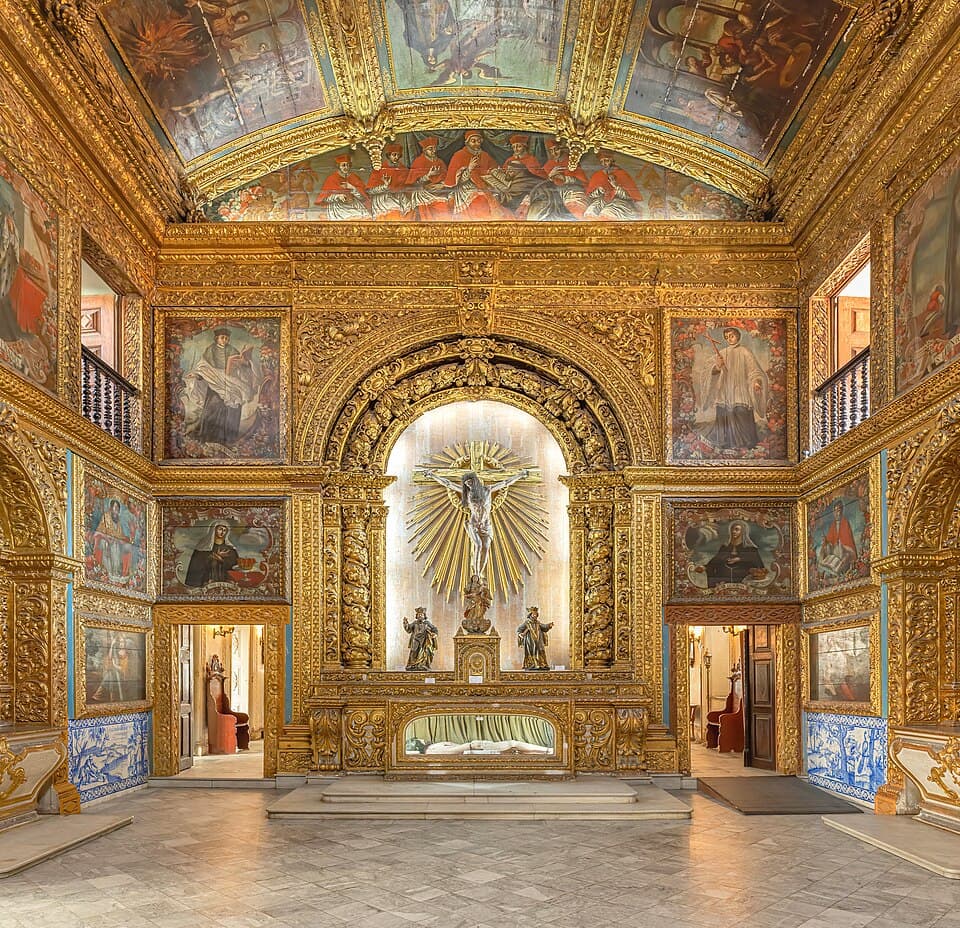
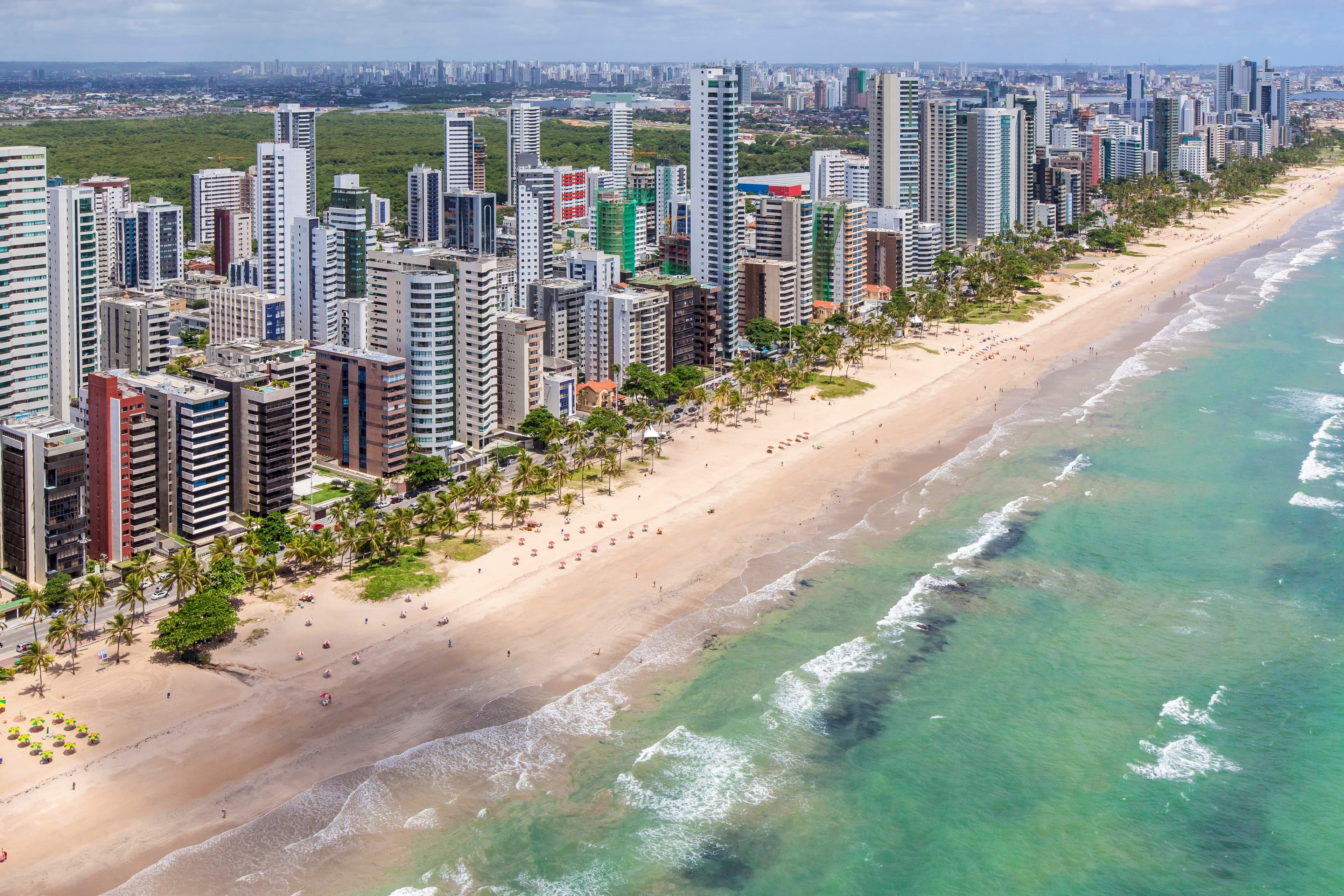
Editorial guide with history, culture, and practical tips to plan your trip.
Recife is more than just the capital of Pernambuco; it is a vibrant and multifaceted hub located in the heart of Brazil's Northeast Region. With an identity marked by the rhythm of Northeastern culture, Recife stands out not only for its coastal beauty but also for its advanced social and urban development. The municipality holds the title of being the capital of the Brazilian state of Pernambuco, forming part of a rich geographical and cultural scenario that attracts attention from all over Brazil.
In demographic and urban terms, Recife is a population powerhouse. It is estimated that in 2022 its urban area housed approximately 3.7 million inhabitants. This number solidifies its status as one of the largest urban agglomerations in Brazil. The capital of Pernambuco not only sustains an intense and modern metropolitan life but is also recognized for its management and quality of life, being considered the fourth Brazilian capital in the federal administration hierarchy, behind only São Paulo, Rio de Janeiro, and Brasília.
It is important to note that the city's socioeconomic profile raises its regional importance. Recife holds the title of having the best Human Development Index (HDI-M) among Northeastern cities. This index is a crucial indicator that measures quality of life, covering aspects such as education, income, and life expectancy, attesting to the city's commitment to its citizens' well-being.
Geographically speaking, its influence goes far beyond municipal boundaries. Recife exercises strong regional leadership, being within a 300 km radius of other important state capitals in the Northeast: João Pessoa (just 122 km away), Maceió (about 257 km), and Natal (approximately 286 km). This proximity not only shortens distances but creates a vast area of tourist and economic influence that defines the region's visiting cycle.
While the data provided focuses on contemporary indicators such as demographics and social development, it is impossible to describe Recife without acknowledging its deep historical roots. The city carries centuries of occupation, commerce, and transformation that shaped the unique identity of Brazil's Northeast.
Throughout its journey, Recife evolved from a strategic colonial nucleus into a modern and dynamic metropolis. Its history is a mosaic woven by cultural, economic, and social influences that manifest in its daily life, architecture, and traditions. Population growth and urban consolidation over the centuries ensured that it always maintained a prominent role on the national stage.
This historical journey is not merely told in books; it pulsates through its streets, its neighborhoods, and its ability to reinvent itself. Formal recognition as the capital of Pernambuco reinforces its central role in the territorial and administrative organization of the region, being an unmatched hub where past and future meet in perfect harmony.
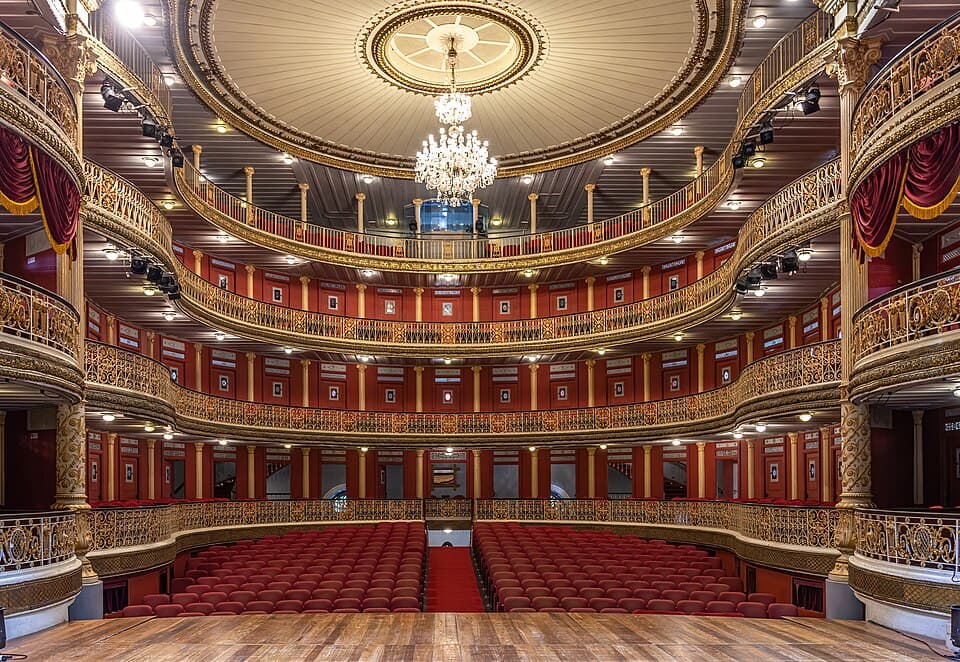
Recife's culture is a vibrant and complex reflection of the fusion between ancient Pernambucan traditions and the energy of a modern, cosmopolitan city. Cultural richness is not limited to museums or theaters; it pulsates in festivals, musical rhythms, and the hospitality of its people.
The Northeastern identity is the great engine of local culture. Artistic manifestations, cuisine, and popular traditions keep the region's cultural flame alive. The rhythm of Maracatu, poetry in the form of ' repente', and artisan skills are part of the intangible heritage that defines the way of life here.
Beyond its unmistakable Northeastern roots, Recife, as a large urban center, absorbs influences from various parts of the country. This mixture guarantees a constantly renewing and diverse cultural scene. The city remains a vibrant meeting point for talent, artists, and different social groups, which constantly enriches its cultural profile. It is a destination where tradition meets avant-garde on every corner.
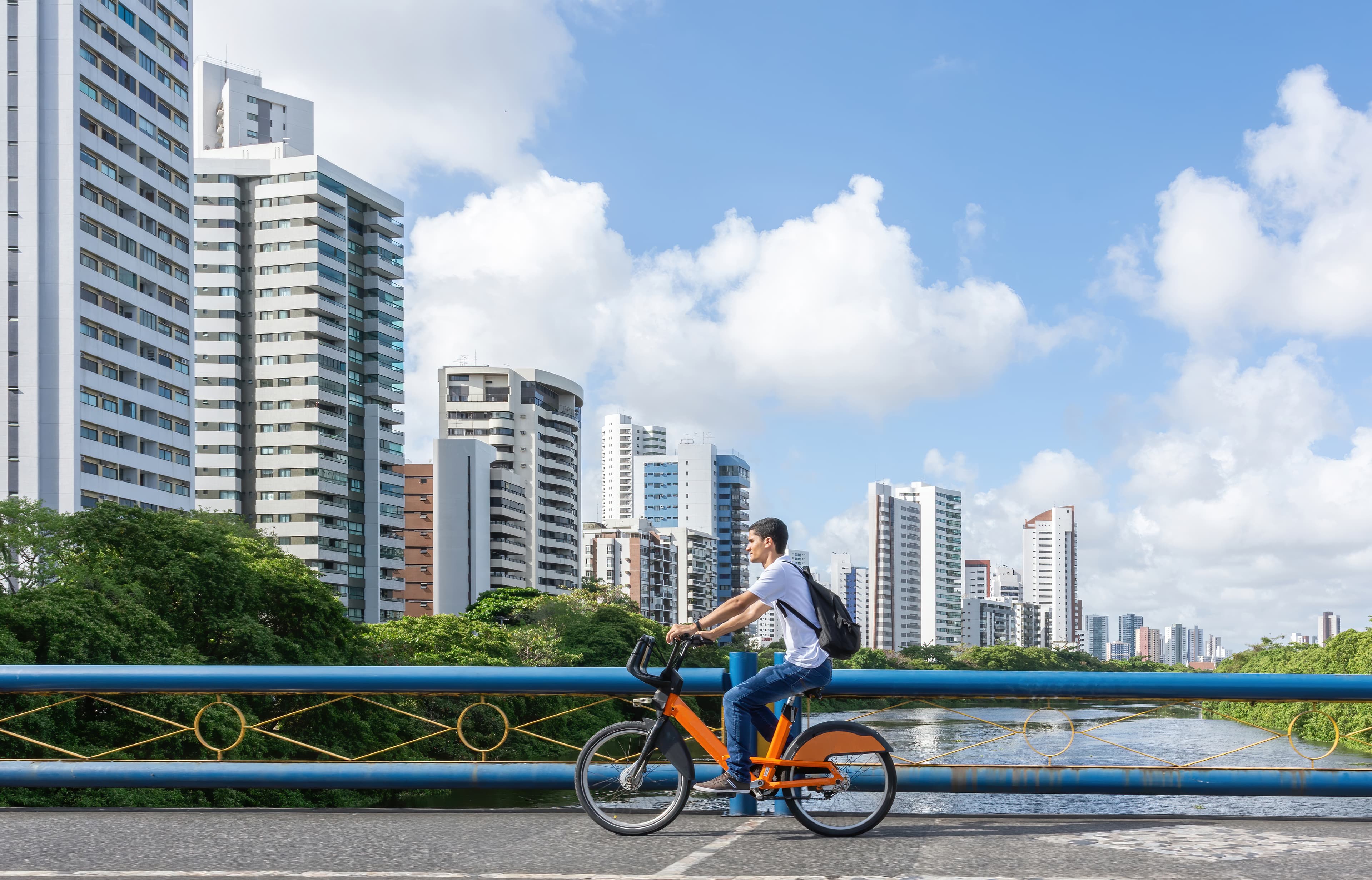
Recife possesses a notably peculiar and adaptable geography, resulting from its privileged coastal location and formation over alluvial characteristics. With an approximate territorial area of 218 km², the city does not present itself as a uniform block of dry land.
Its geographical composition is marked by the prominent presence of islands, peninsulas, and vast mangrove swamps. This characteristic dramatically shapes both the urban and natural landscape, creating a unique ecosystem that must be appreciated during any visit. Navigable canals and rivers intertwine with urban structures, forming a typically Northeastern and tropical view.
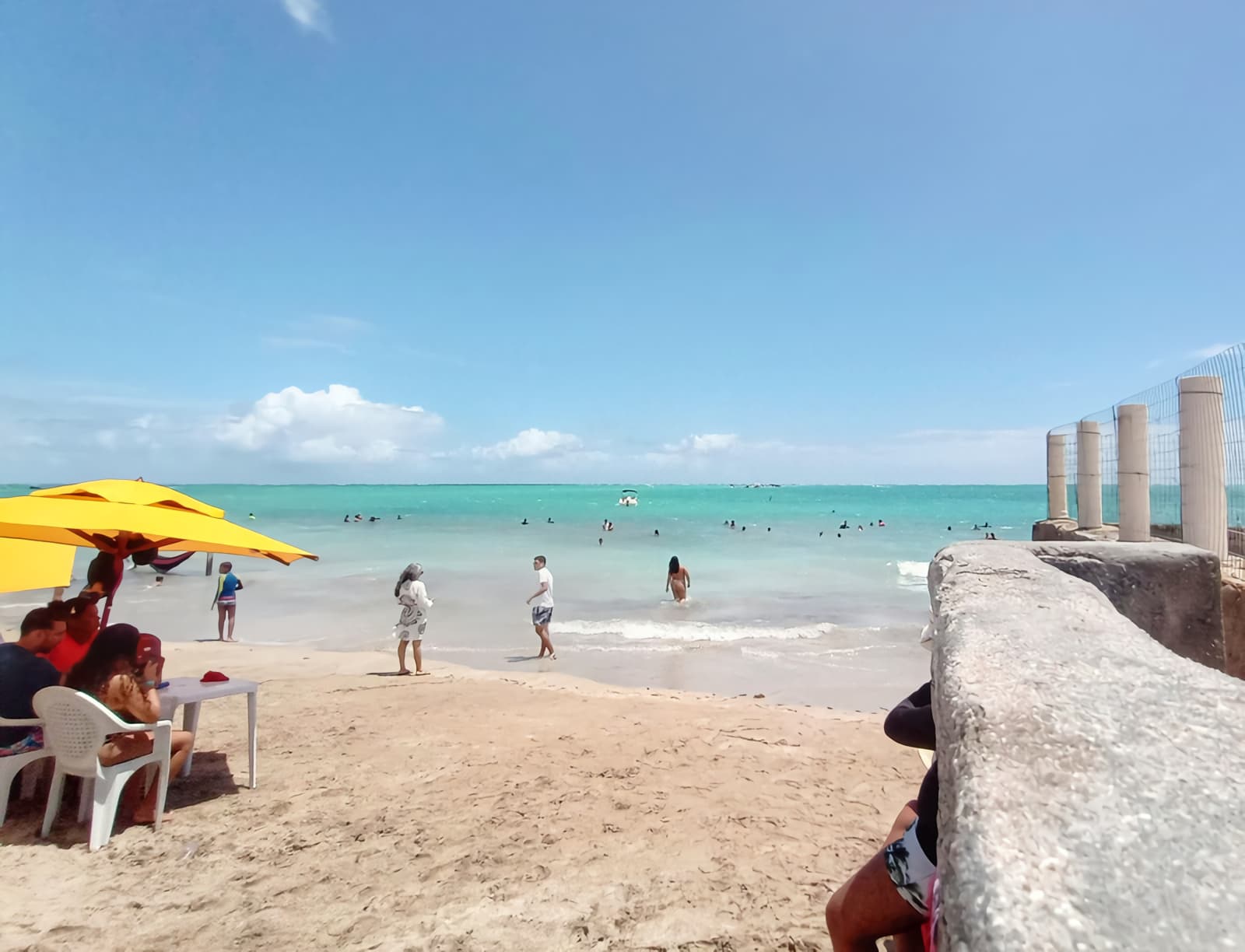
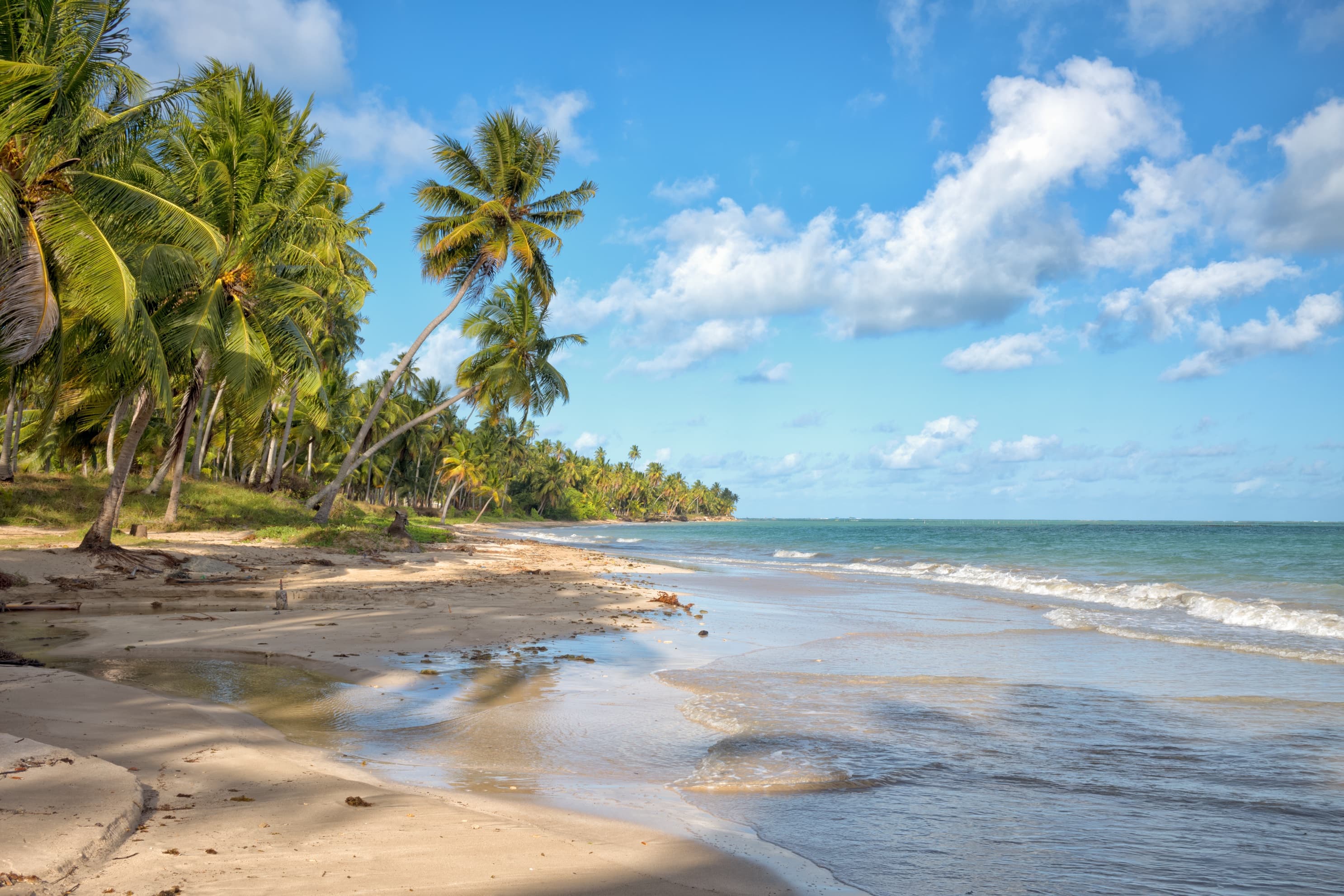
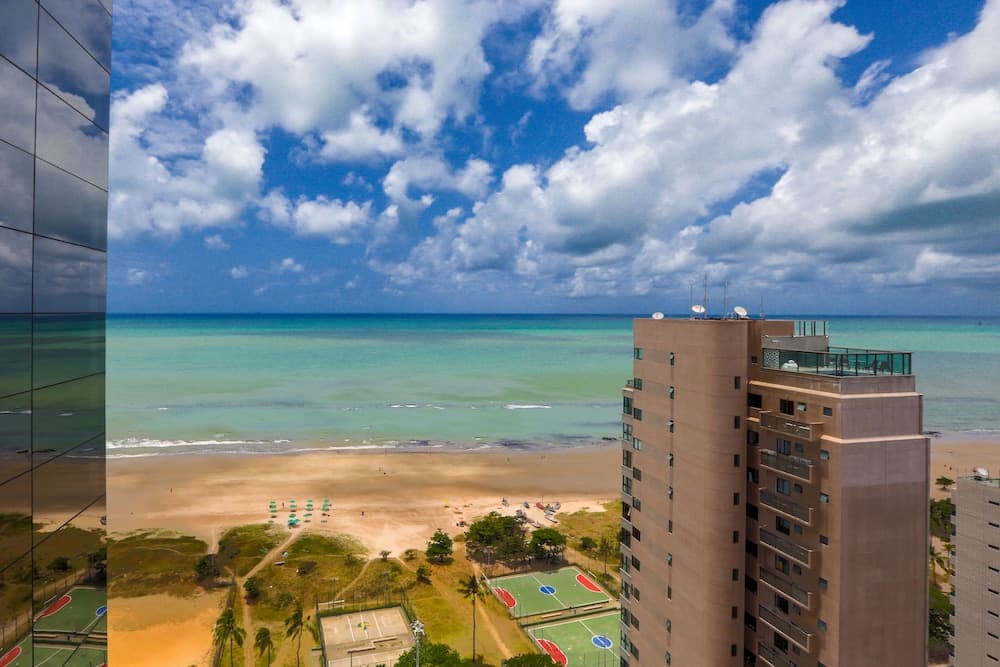
The fact that the city is situated in an alluvial plain not only influences its urban structure but also how it interacts with water resources. The constant presence of these natural elements—mangroves, coastal beaches, and bodies of water—gives the capital a beautiful aspect that is fundamental for environmental preservation and tourist appeal.
As a city located in Brazil's Northeast Region, with a predominantly tropical coastal climate, Recife enjoys favorable climatic conditions throughout the year. The Pernambuco coast is known for its high temperatures and constant sea breeze.
The climate cycle tends to show seasonality that varies with the regional rainfall regime. Temperatures are high, typical of the Brazilian coast, ensuring warm weather almost all year round. This thermal stability is a major attraction for those seeking beach destinations and outdoor activities.
The meeting point between the coastal ecosystem and mangroves contributes to atmospheric humidity, slightly moderating the intense heat during certain periods. Generally, the climatic conditions are suitable for intensive urban life as well as leisure activities that explore both the marine environment and land trips through central areas.
Recife's tourist potential is vast, offering a balanced mix between rich history in well-preserved urban centers and the natural exuberance of the coast. The city attracts visitors seeking both metropolitan dynamism and beach relaxation.
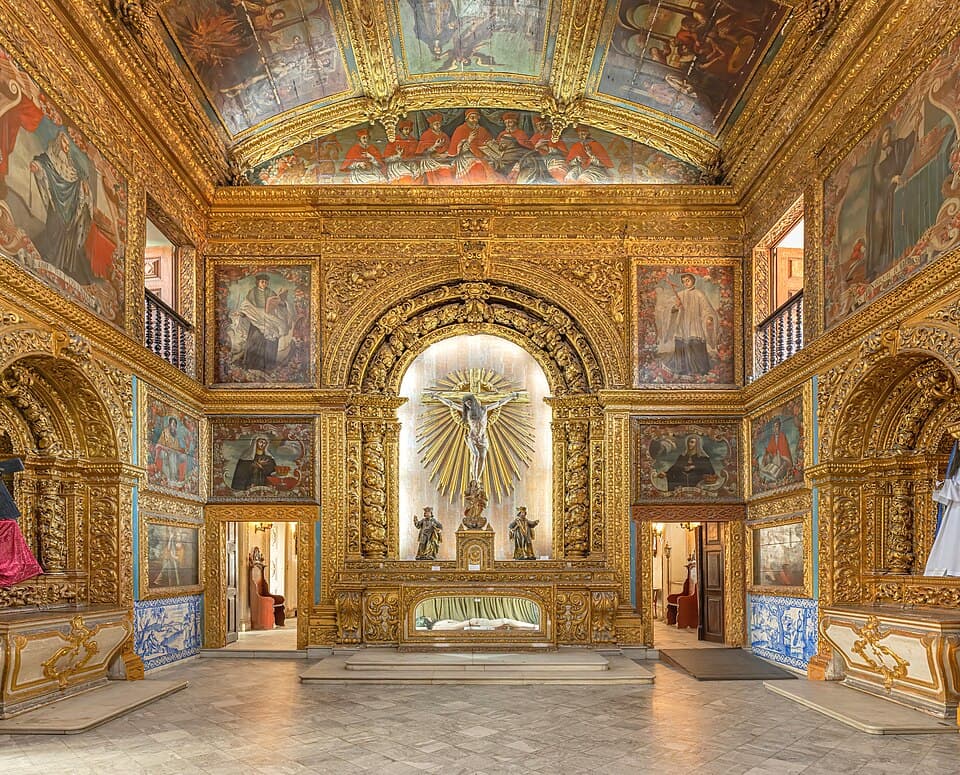
Tourist attractions range from canal and mangrove tours—unique ecotourism experiences—to exploring historic centers, where one can admire colonial buildings and architecture that tell stories. The nightlife is vibrant and diverse, satisfying the tourist seeking modern entertainment.
Furthermore, tourism in the region is enhanced by its strategic location. Serving as an influence point for neighboring capitals like João Pessoa, Maceió, and Natal, Recife functions as a tourist hub that attracts visitors interested in taking wider tours along the Northeastern coast, enjoying the variety of beaches and cultures offered by surrounding cities.
One of the most notable facts about Recife's profile is its Human Development Index (HDI-M). Being recognized for having the best HDI-M among Northeastern capitals not only demonstrates significant social progress but also attests to the city's management and urban planning capacity.
In terms of regional influence, Recife establishes a powerful geographical connection. Being within a relatively short radius (300 km) of major cities such as João Pessoa, Maceió, and Natal places it at the epicenter of a tourist and economic axis of Northeastern Brazil. This proximity is a defining characteristic for those planning trips that explore the vast coastal beauty of the Pernambuco Macro-region.
Furthermore, rapid population growth and its classification as the fifth most populous urban agglomeration in the country reinforce its status as an emerging metropolis. This combination of population density with a high level of social development makes Recife a fascinating and profoundly relevant destination within the Brazilian context.
Everything you need to know to plan your trip
Currency
Brazilian Real
Language
Portuguese
Reference figures to help plan your trip
Attractions
9
Selected stays available to book
Hotels and experiences in the area
Everything you need to know to plan your trip
Recife is the capital of Pernambuco state, in Brazil's Northeast Region.
The city has an alluvial plain and is marked by islands, peninsulas, and mangrove swamps as its primary geographical features.
Recife holds the best Human Development Index (HDI-M) among Northeastern cities, and it is also the fourth Brazilian capital in the federal management hierarchy.
With 3.7 million inhabitants in 2022, it possesses the fifth most populous urban agglomeration in Brazil.
Yes. Within a 300 km radius, Recife influences three state capitals: João Pessoa (122 km), Maceió (257 km), and Natal (286 km).
Extend your trip to incredible destinations nearby
We personalize every moment of your journey — from iconic landmarks to hidden cultural gems.
Available 24/7 · Personalized consultations · Local expertise
Updated on June 7, 2026
Sources