
All destinations
Destination
Tokyo
Discover Tokyo! Explore Japan's vibrant capital, where the past meets the future in an incomparable metropolis. Plan your trip now.
Tóquio · Brasil
Photos
Visual journey
Discover the landscapes and culture of Tokyo

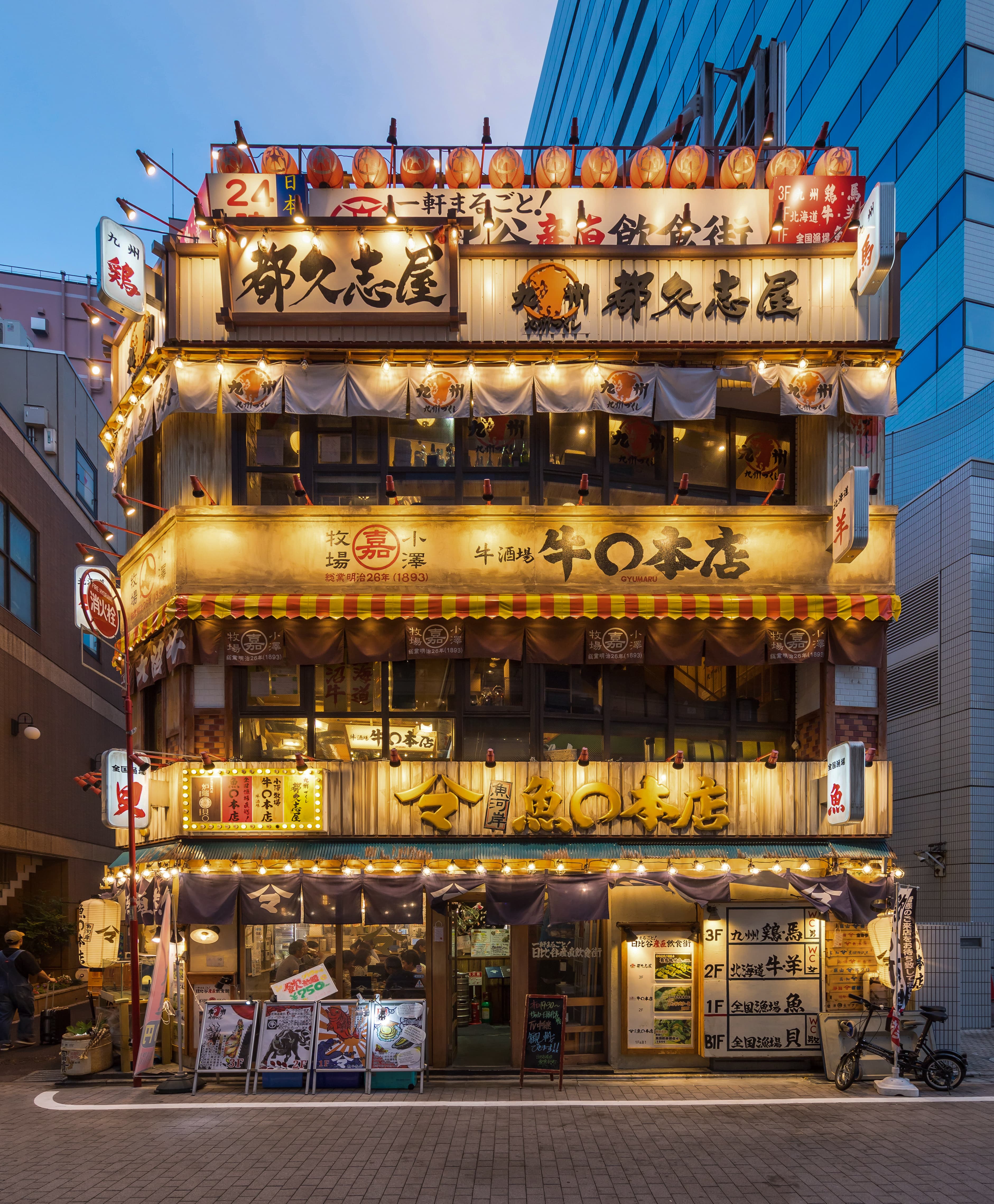
The spirit of Tokyo
Editorial guide with history, culture, and practical tips to plan your trip.
About
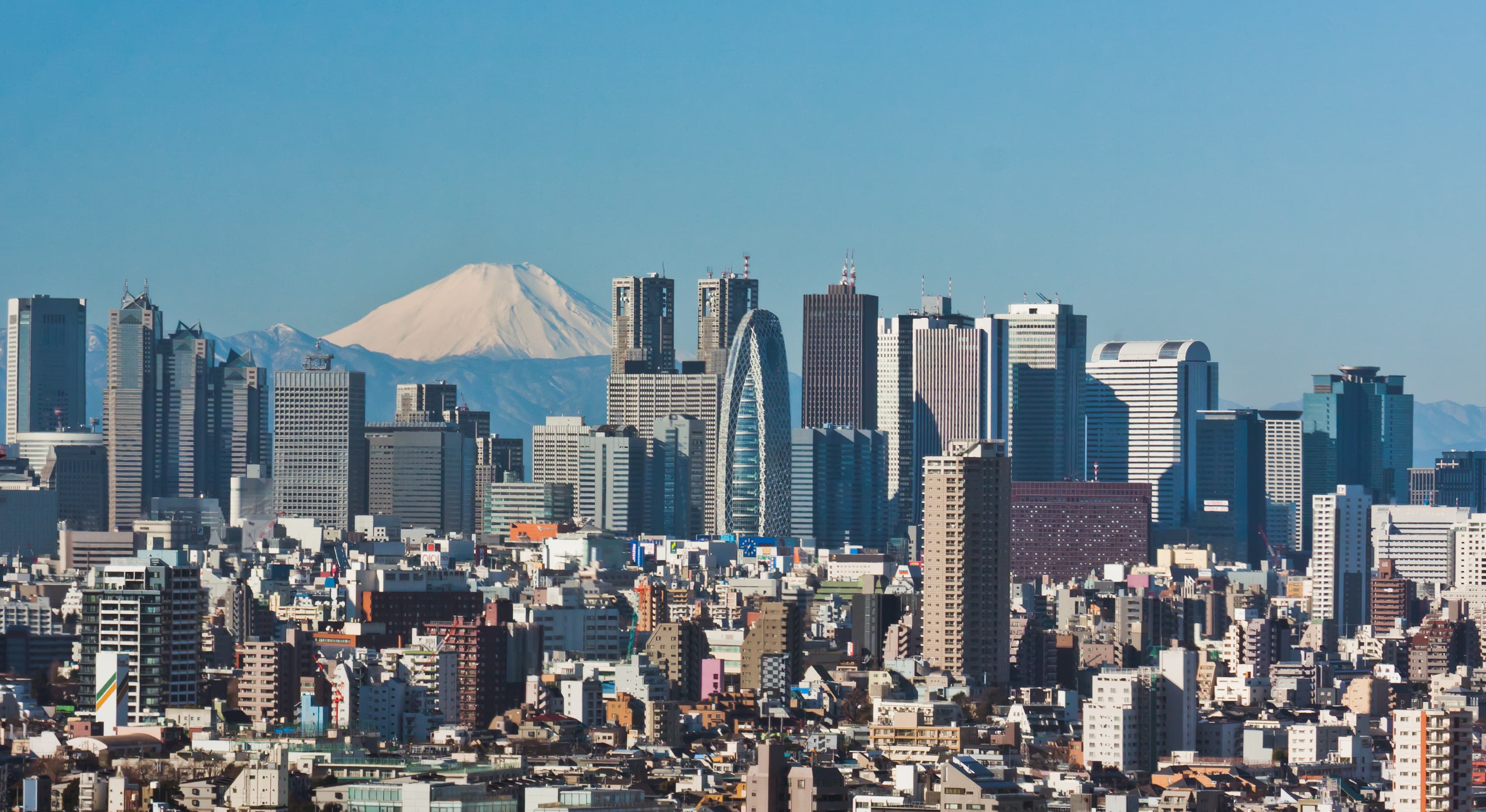
Tokyo is a colossal metropolis of global significance, officially recognized as the Tokyo Metropolis. Its name carries a deep etymological meaning, literally translating to 'capital of the East.' This designation not only reflects its geographical position in Japan but also its central role in Japanese urban life.
As the country's capital and one of the 47 prefectures constituting Japan, Tokyo is an unrivaled pole of attraction and development. Its population magnitude is impressive: according to data from 2015, the city alone housed over 13.4 million inhabitants, representing approximately 11% of the entire country's population. However, to understand its true global scale, one must consider the Greater Metropolitan Area. This encompassing region boasts a population exceeding 37 million people.
This massive concentration of people elevates Tokyo, regardless of the demographic definition used, to the title of being the most populous urban area on the planet. It is a living testament to how urban planning and human strength have shaped one of the largest urban agglomerations ever seen.
History
Tokyo's history is marked by reinvention, resilience, and dramatic changes in its identity. While we recognize the location today as Tokyo Metropolis, its roots are much older. The city was originally founded in 1457. In this early period, it was known by different names, such as Edo or Yedo.
Over the centuries, the region's political and social importance grew exponentially. Its transformation into the imperial capital occurred formally in 1868, when it acquired its current designation, consolidating itself as the center of Japanese power. This historical process demonstrates a profound cultural and administrative transition.
The city's history is also marked by periods of intense devastation. Tokyo suffered two major cataclysmic destructions that shaped its architecture and resilient spirit. The first occurred in 1923, when the region was severely hit by an earthquake. Later, the city's fate was once again marked in 1944 and 1945, due to bombings carried out by American forces. These attacks were so massive that they resulted in the destruction of 51% of the total urban area, besides claiming the lives of over 80,000 people.
Overcoming these traumas—the earthquake and the bombings—not only physically rebuilt Tokyo but also forged a city notable for its ability to constantly renew itself and its ceaseless rhythm.
Culture
Tokyo's culture is a fascinating mosaic that balances ancient tradition with pulsating futurism. Although the facts do not detail specific cultural practices, the very history of its evolution—moving from the names Edo and Yedo to its modern designation—speaks of a rich tapestry constantly adapting.
The metropolis is a point where both imposing past and vanguard innovations are manifested. Local culture has absorbed the scars of major historical events, such as earthquakes and bombings. This resilience is not merely physical; it permeates the city's cultural soul, demonstrating an unparalleled ability to reinvent itself.
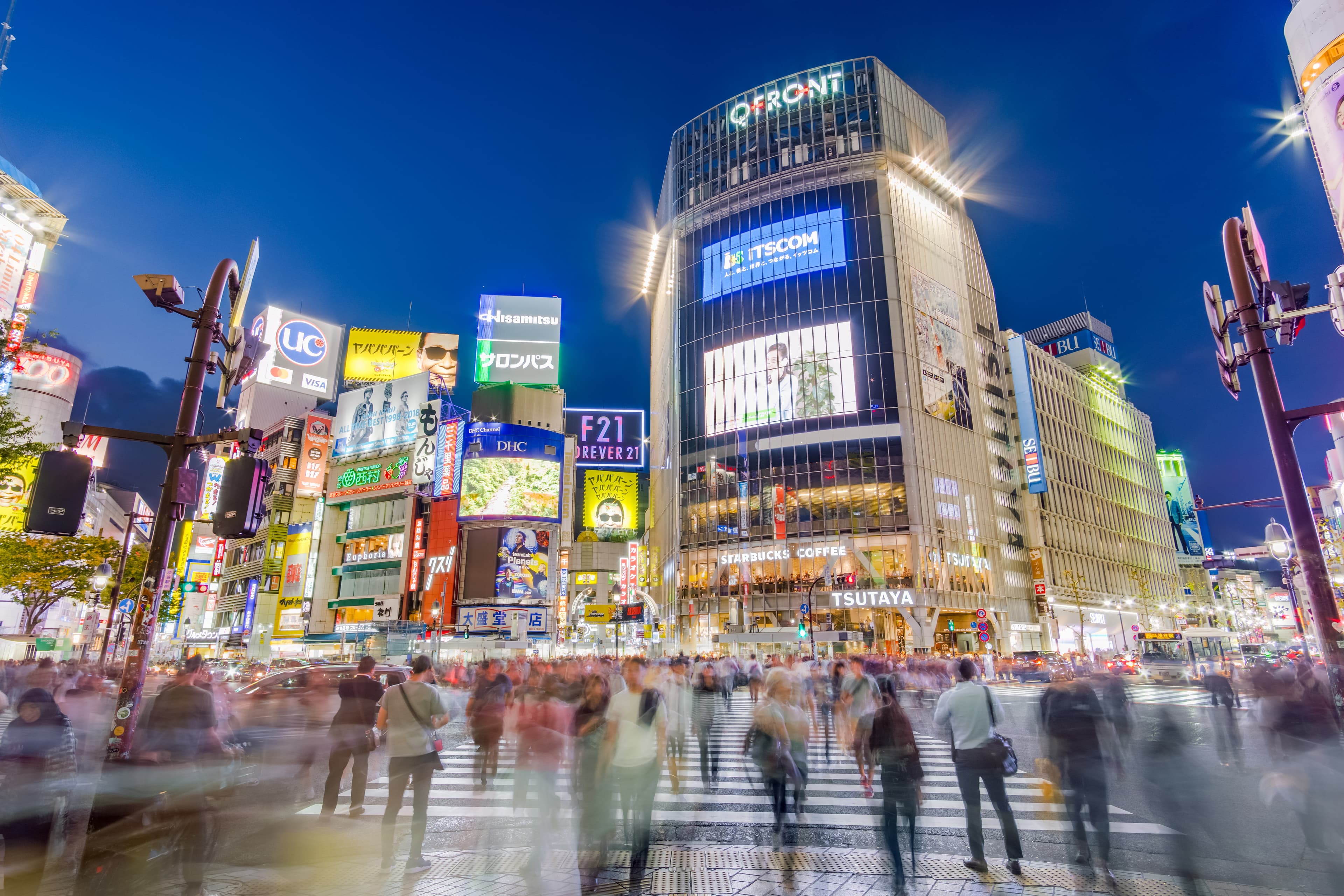
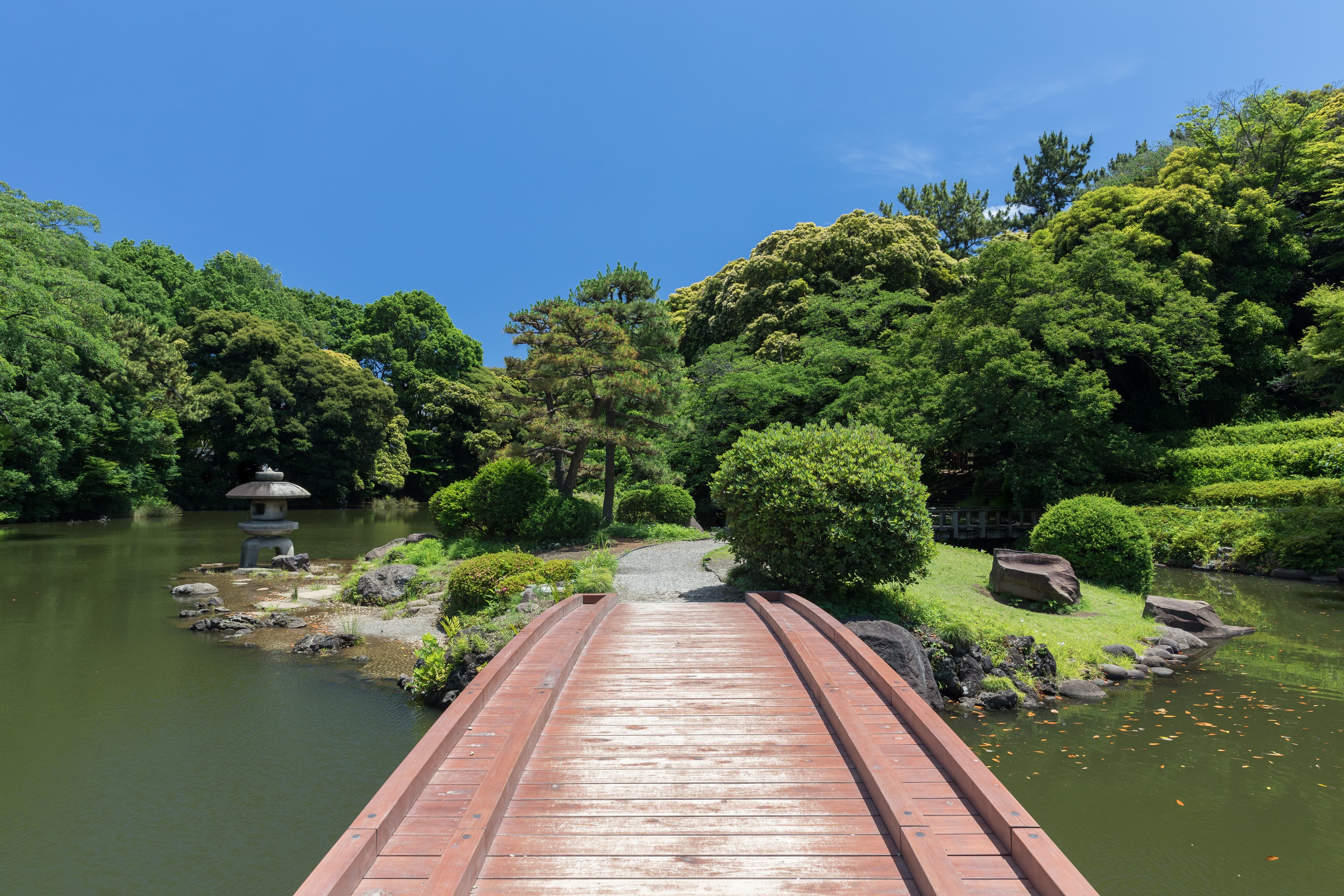
Tokyo's urban rhythm reflects this duality: there are places where time seems to have stopped in the past, preserving traditional Japanese elements, alongside skyscrapers that represent the pinnacle of global technology. The mere existence of an agglomeration with over 37 million inhabitants requires and generates a complex and deeply rooted urban culture.
Geography
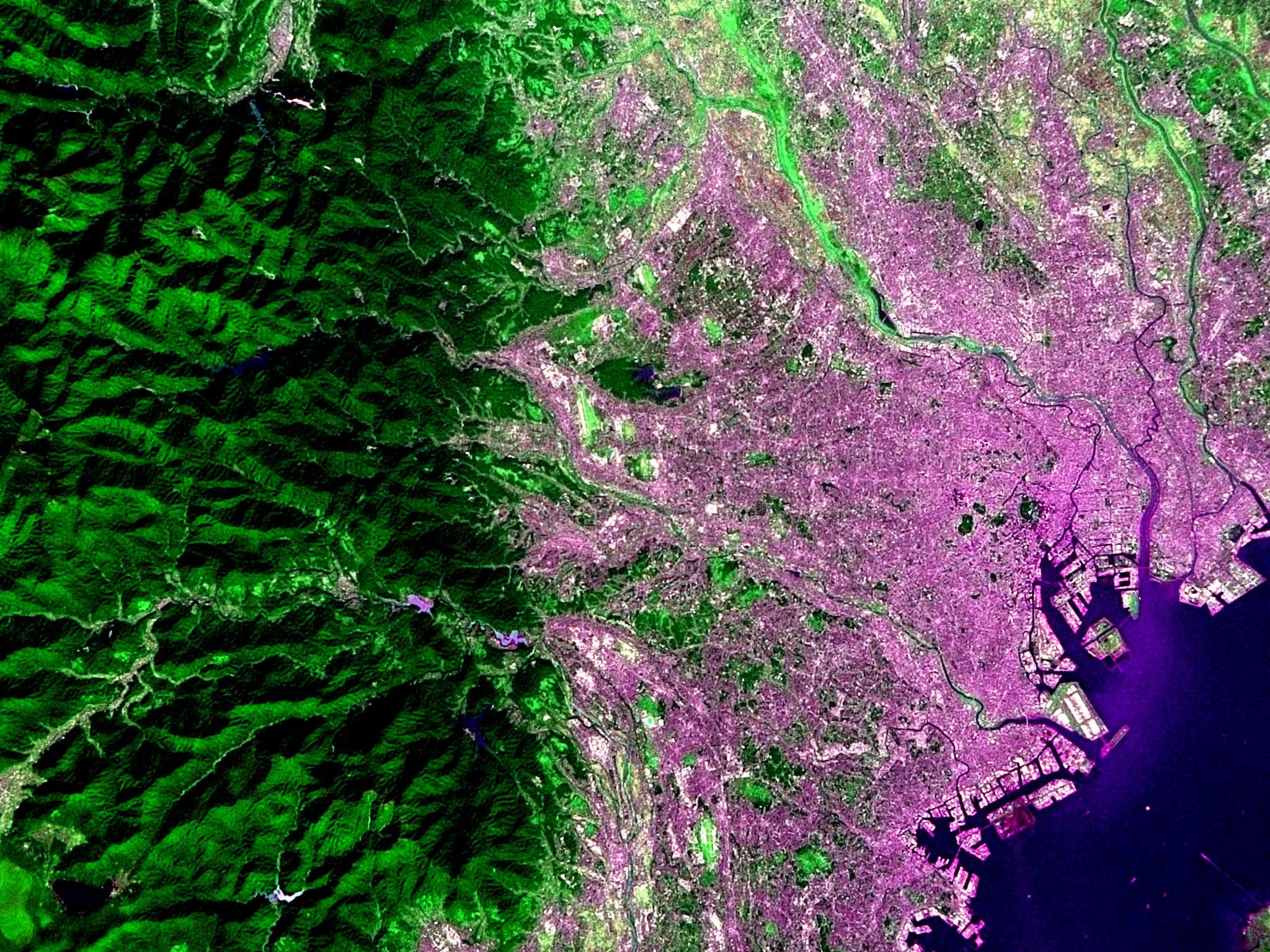
Geometrically, Tokyo is not just a point on the map but a vast metropolitan area located on Honshu Island. Honshu Island is the largest of the various islands that constitute the vast Japanese archipelago, giving the region a strategic and central geographical position within Japan.
The most striking feature of Tokyo's geography is its population density. While the city formally accounts for about 13.4 million inhabitants (in 2015), what truly defines its scale is the surrounding Greater Metropolitan Area. With over 37 million people living in its vicinity and within its limits, Tokyo occupies an urban geographical space unmatched in the world.
This massive population cluster not only alters the physical aspect of the environment but also imposes logistical and infrastructure challenges, making it a fascinating study in urban planning. Its location on the largest island in the archipelago is the cradle of one of the greatest human concentrations outside history's most ancient centers.
Climate
Although the provided facts do not present specific climatic details, it is relevant to note that Tokyo's geographical location, on the coast and partly inland on the great island of Honshu, exposes it to the influence of the temperate Japanese climate. The metropolis is marked by a constant vital energy, a factor that complements its adaptation to the natural environment.
The vast population scale (exceeding 37 million in the metropolitan region) ensures that urban life remains vibrant and active throughout the entire climatic cycle. The combination of the archipelago's natural elements with unmatched human density creates a unique urban ecosystem, where nature and civilization meet in constant dialogue.
Tourism
Tokyo is a tourist destination that attracts millions due to its incomparable ability to blend a glorious past with an advanced future. One of its most recognizable and emblematic monuments, serving as an icon for the entire world, is the famous Tokyo Tower.
For the visitor, exploring Tokyo means going on a journey through time. It is possible to walk through neighborhoods carrying the memory of old names, like Edo or Yedo, while at the same time experiencing accelerated modernity. The city's own history, marked by reconstruction after disasters (such as the 1923 earthquake and the 1944-1945 bombings), lends a fascinating and almost epic aspect to the tourist experience.
The colossal scale of the Greater Metropolitan Area—being the world's most populous urban area—ensures that there is an infinite diversity of attractions, from historic temples to ultra-modern commercial centers, making every stroll through Tokyo a discovery.
Curiosities
One of the most unique curiosities about Tokyo is the etymology of its name itself. Literally translated as 'Capital of the East,' this designation reveals not only its geographical location but also the historical weight of its foundation.
Another notable feature is the urban resilience the city has demonstrated over the centuries. Its history tells two traumatic and devastating moments: the great earthquake of 1923 and the American bombings in 1944-1945. The impact of these events was colossal, leading to the destruction of nearly half (51%) of its area and resulting in more than 80,000 lives lost.
Tokyo's capacity is not just to survive these disasters but to thrive exponentially after them. This continuous reconstruction transformed it into the most populous urban agglomeration on the planet (over 37 million inhabitants in the metropolitan period), cementing its status as a living monument to human determination and extraordinary urban planning.
Quick facts
Everything you need to know to plan your trip
Destination at a glance
Reference figures to help plan your trip
Hotels in the area
193
Attractions
9
Best hotels
We are still connecting hotels for this destination. Search stays in the area in the meantime.
Coming soon
We are still connecting hotels for this destination. Search stays in the area in the meantime.
Search hotelsDestination map
Hotels and experiences in the area
Frequently asked questions
Everything you need to know to plan your trip
What is the literal meaning of the name Tokyo?
Tokyo literally means 'Capital of the East'.
How does the urban agglomeration of Tokyo compare in size?
The Greater Tokyo Area has over 37 million inhabitants, making it one of the most populous urban areas globally.
What famous monument is known in the city?
One of its most famous monuments is the Tokyo Tower.
Since when has Tokyo existed and what was its original historical name?
It was founded in 1457, initially named Edo or Yedo.
What is the geographical location of the city?
Tokyo is located on Honshu Island, which is the largest island in the Japanese archipelago.
Nearby destinations
Extend your trip to incredible destinations nearby

Ready to experience Tokyo?
We personalize every moment of your journey — from iconic landmarks to hidden cultural gems.
Available 24/7 · Personalized consultations · Local expertise
Updated on June 7, 2026
Sources