Salvador de Bahía
Destination
Explore Salvador, Brazil's first capital. Discover rich history, vibrant Afro-Brazilian culture, gastronomy, and unforgettable Bahian architecture.
Salvador · BA · Brasil
Photos
Discover the landscapes and culture of Salvador
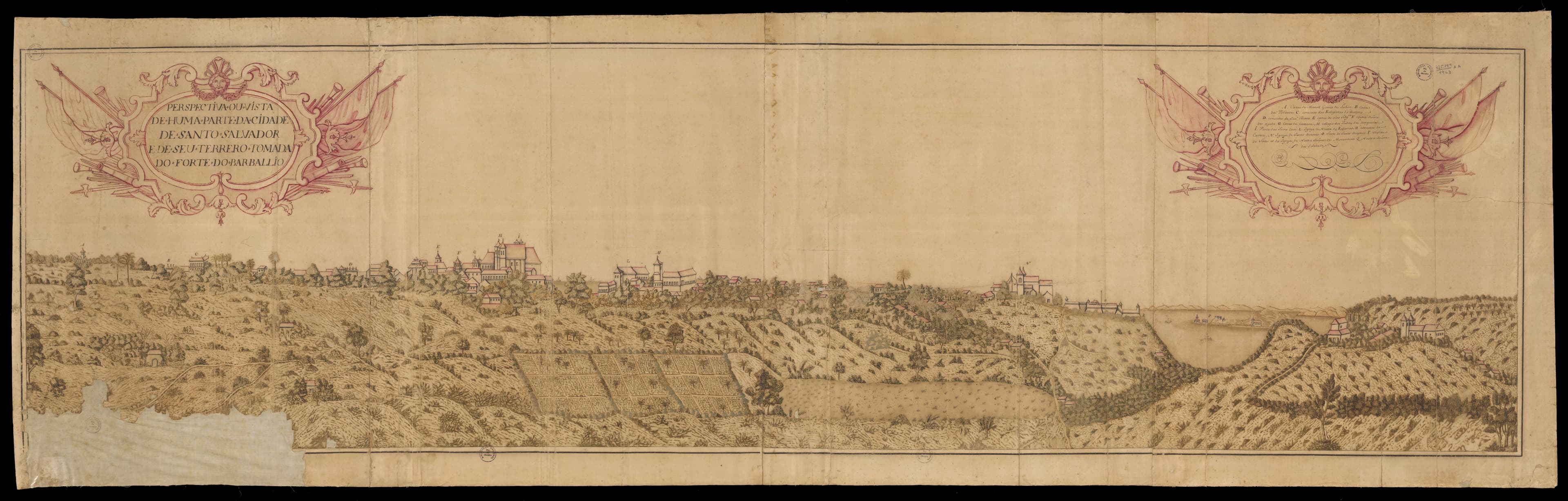
Editorial guide with history, culture, and practical tips to plan your trip.
Salvador, the vibrant capital of the state of Bahia, is so much more than just a Brazilian municipality; it is a portal to the cultural and historical soul of Brazil. Since its founding, it established itself as a civilizational landmark of unparalleled importance on the American continent. The charm and contagious rhythm of this city make it an unmissable destination for any traveler interested in living history, pulsating art, and unforgettable gastronomy.
Its notoriety transcends state borders; Salvador is internationally recognized for a unique cultural tripod involving its majestic architecture, rich gastronomy, and the captivating rhythm of its music. It is possible to walk through its streets and feel the passage of time on every corner, understanding how centuries merged to create a metropolis with such a strong and singular identity.
The highlight of the city lies in the profound African influence that permeates all aspects of its cultural life. This ancient heritage not only shaped its religious and artistic traditions but also established Salvador as the undeniable epicenter of Afro-Brazilian culture, a living heritage celebrated in every popular celebration.
The saga of Salvador is intrinsically linked to the birth of colonial Brazil. Its official founding dates back to March 29, 1549. It was during this crucial period that Tomé de Sousa, representing the Portuguese Empire, arrived to establish the Government-General of Brazil, and it was under this command that Salvador arose.
This historical event conferred a monumental title on the city: it became the first capital of Colonial Brazil. For this reason, Salvador holds the prestige of being among the oldest and continually populated cities in the entire American continent. Its longevity is not merely a coincidence; it represents extraordinary cultural resilience.
A notable aspect of its origin was urban planning. Salvador did not arise organically like many other colonial cities; on the contrary, it was established following an urban plan that classified it as the first city of its type in Brazil. This original planning is still visible in the arrangement of its streets and buildings, telling chapters of history on every block.
Soteropolitan culture is a vibrant tapestry woven with European, Indigenous, and above all, African threads. The African influence is not mere decoration; it is the pulsating core of Salvador's cultural identity. This cultural strength transforms the city into a hub of manifestations that celebrate ancestry and resistance.
In artistic terms, Bahian music is globally renowned for its contagious rhythms and deep spiritual meanings. Local gastronomy accompanies this rhythm, featuring cuisine marked by the encounter of African, Indigenous, and Portuguese flavors. Experiencing a typical dish in Salvador is diving into a rich food history filled with spices and traditions.
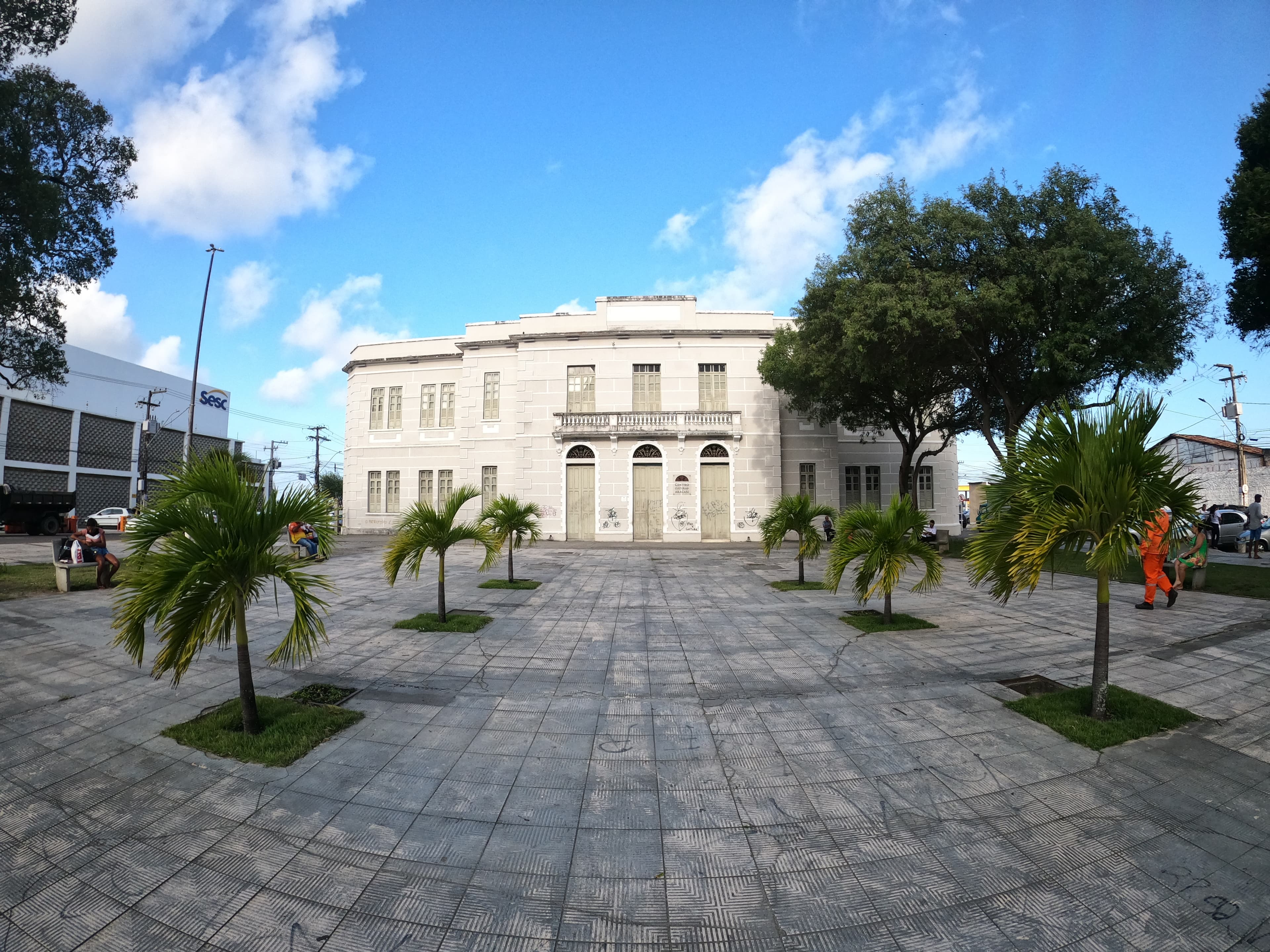
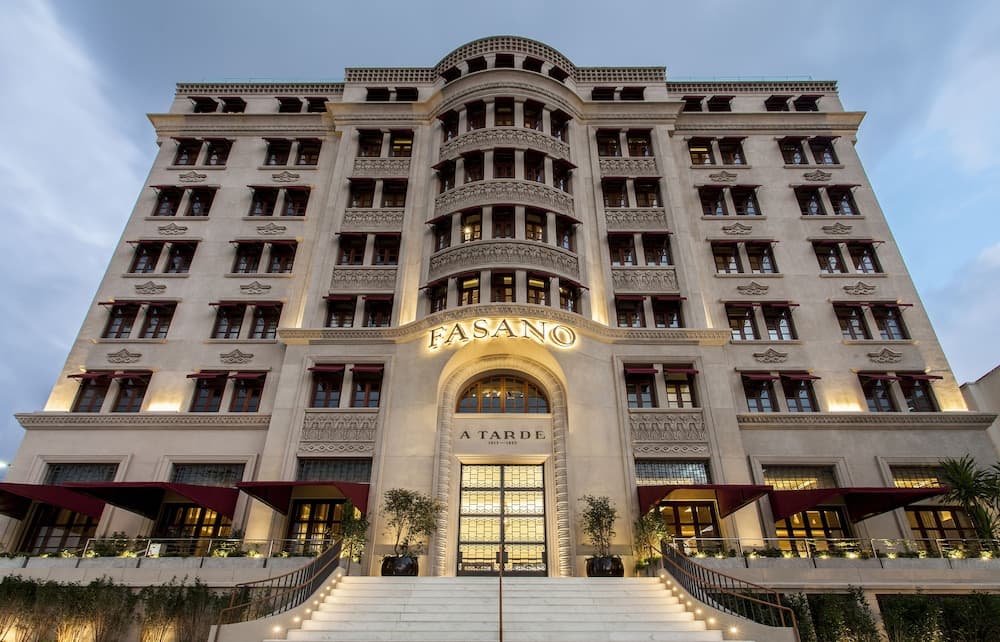
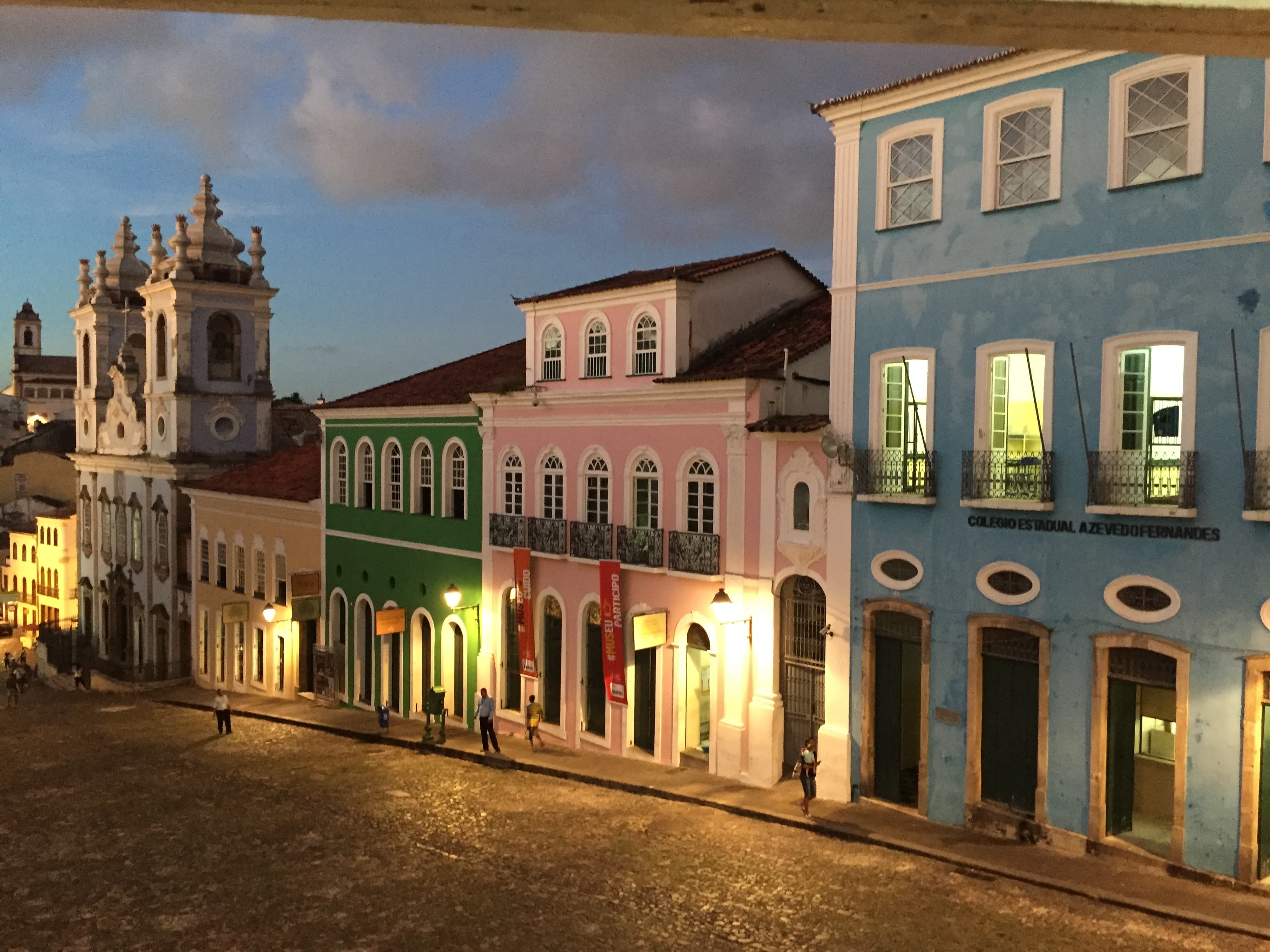
Furthermore, the architectural legacy tells countless stories. The way buildings were constructed over the centuries reflects not only the art of past eras but also the profound cultural influences that shaped community life and the city's aesthetic.
Located in the state of Bahia, Salvador occupies a privileged geographical position on the Brazilian coast. This coastal location was crucial for its historical development, making it a nerve center of commerce and colonization since ancient times.
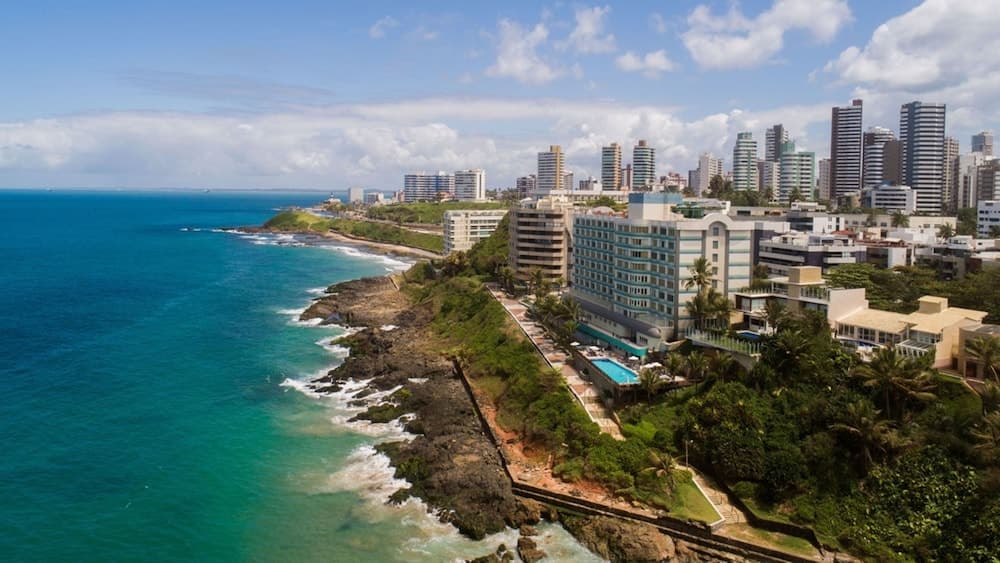
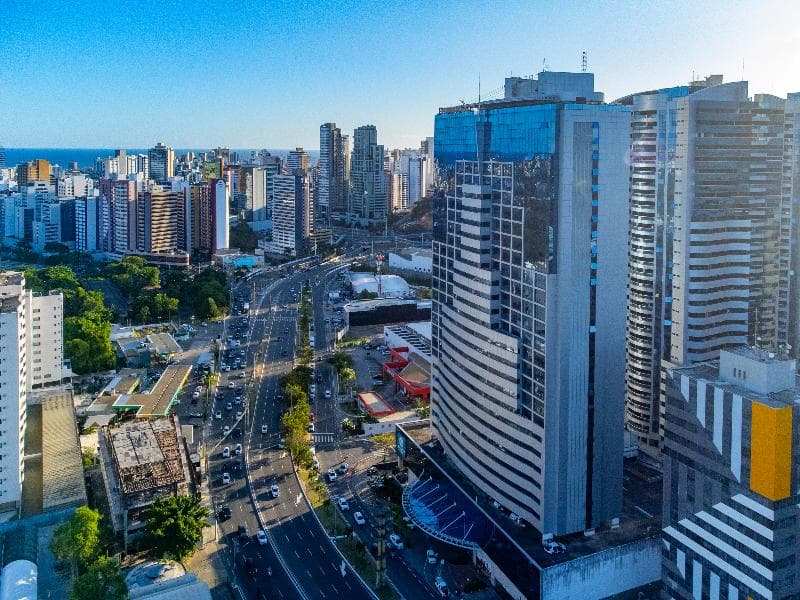
As a Brazilian municipality, it has variable topography, but is marked by its proximity to the Atlantic Ocean. The urban landscape, although densely built due to its age and historical importance, is in constant dialogue with the surrounding coastal nature.
The city's structure was planned from its inception, giving it a unique urban layout within the Brazilian geographical context. This combination of colonial planning with the vibrant Bahian setting creates a visually and culturally dense panorama that attracts visitors from all over.
Although specific climatic details vary throughout the year, being situated on the coast of Bahia, Salvador typically enjoys a tropical climate. The characteristics of this region guarantee a warm and humid environment, suitable for the vivacity of colors and cultural rhythms that define the destination.
The Bahian heat is an integral part of the Salvador experience. The Atlantic sea breeze helps moderate the typical tropical climate, creating a constant feeling of vital energy. This mild climatic scenario enhances outdoor activities, allowing tourists to explore historical neighborhoods and participate in vibrant cultural events without major disruptions.
Tourism in Salvador is a complete cultural immersion. The city caters to travelers seeking not just beautiful landscapes, but a deep experience of connection with the past and with themselves. The historic center, for example, is an open-air museum, where every corner tells a colonial narrative.
Tourist activities range from guided architectural tours through streets that have witnessed centuries of history to exploring local gastronomy in vibrant markets. Music and cultural manifestations are constant attractions, transforming the outing into a true sensory festival.
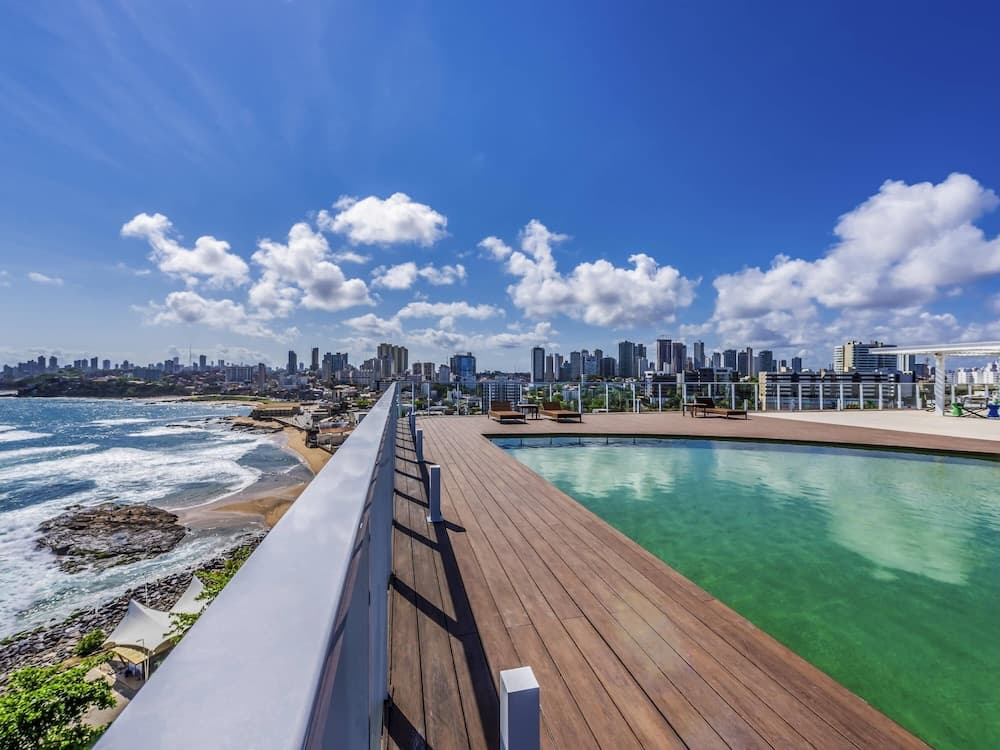
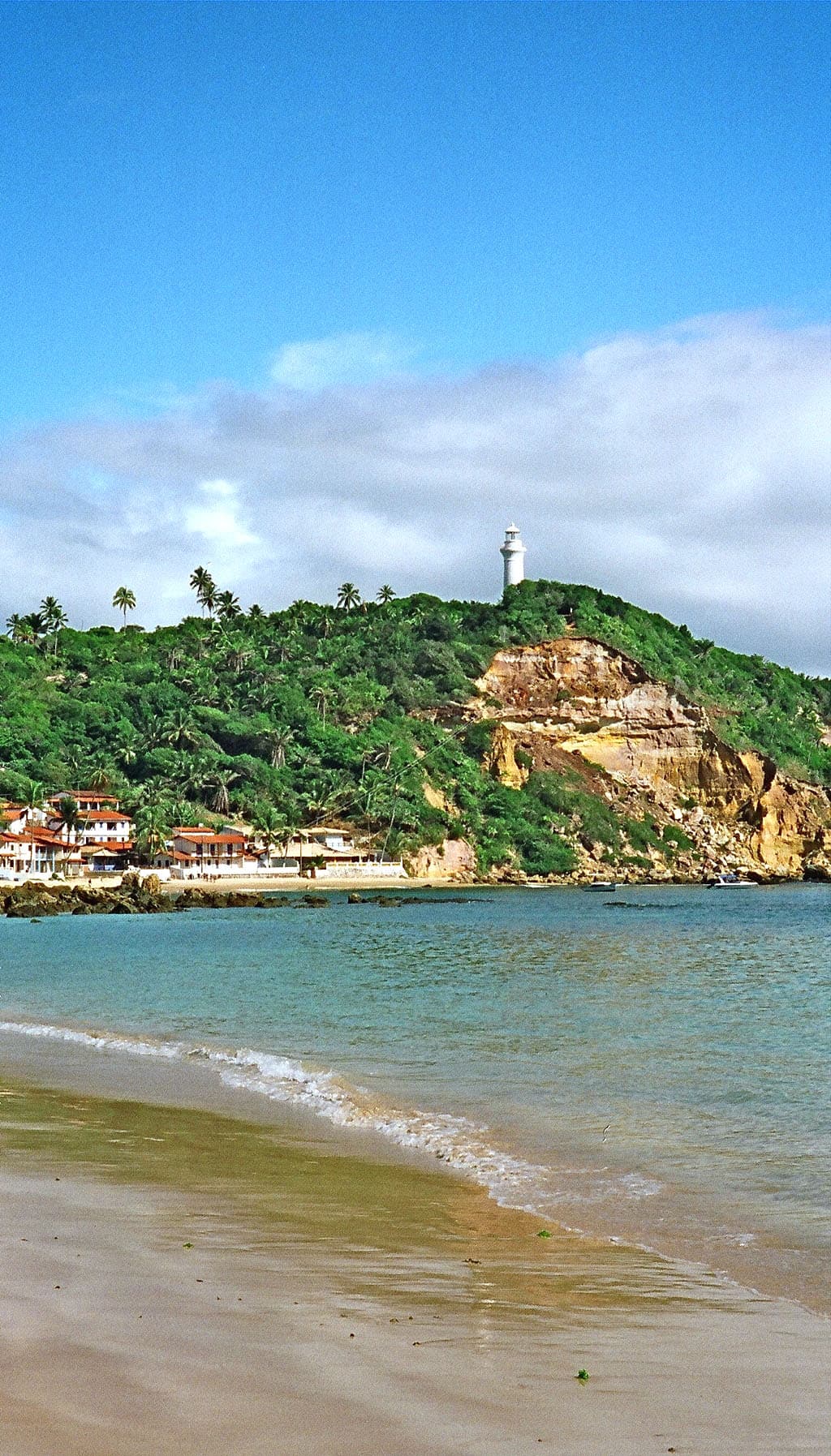
It is possible to enjoy days at the beach with views of a rich urban tapestry merging into the ocean. Tourism here is synonymous with living experience: participating in religious and festive celebrations, savoring authentic Bahian cuisine, and admiring preserved colonial architecture. Salvador promises a multifaceted itinerary, stimulating all the senses of the traveler.
The most fascinating fact about Salvador is its historical longevity combined with its initial urban planning. Being one of the first planned cities and remaining continuously inhabited for so long makes it an archaeological and cultural treasure on the continent.
It is crucial to understand that the African influence did not just enrich, but redefined the concept of urban life in the city. This contribution is visible in rituals, musical rhythms, and the distinct flavor of the local cuisine.
Soteropolitan architecture preserves details that point directly to the period of colonial Brazil. Walking through the old streets is like traveling back in time, where the past is not displayed in distant museums but integrated into the daily life of the population and the surrounding buildings.
Everything you need to know to plan your trip
Currency
BRL
Language
Portuguese
Reference figures to help plan your trip
Attractions
9
Selected stays available to book
Hotels and experiences in the area
Everything you need to know to plan your trip
Salvador was founded on March 29, 1549, by Tomé de Sousa.
It was the first capital of Colonial Brazil and ranks among the oldest continuously inhabited cities on the American continent.
The city has a strong African influence in many cultural aspects and is considered the heart of Afro-Brazilian culture.
Its gastronomy, music, and architecture are notable and hold international recognition.
Salvador was established as one of the first planned cities of its type in the country.
Extend your trip to incredible destinations nearby
We personalize every moment of your journey — from iconic landmarks to hidden cultural gems.
Available 24/7 · Personalized consultations · Local expertise
Updated on June 7, 2026
Sources