Cuiabá
Destination
Explore the Pantanal, the world's largest flooded plain! Spot jaguars, diverse birds, and rich fauna in Mato Grosso.
Pantanal · MT · Brasil
Photos
Discover the landscapes and culture of The Pantanal
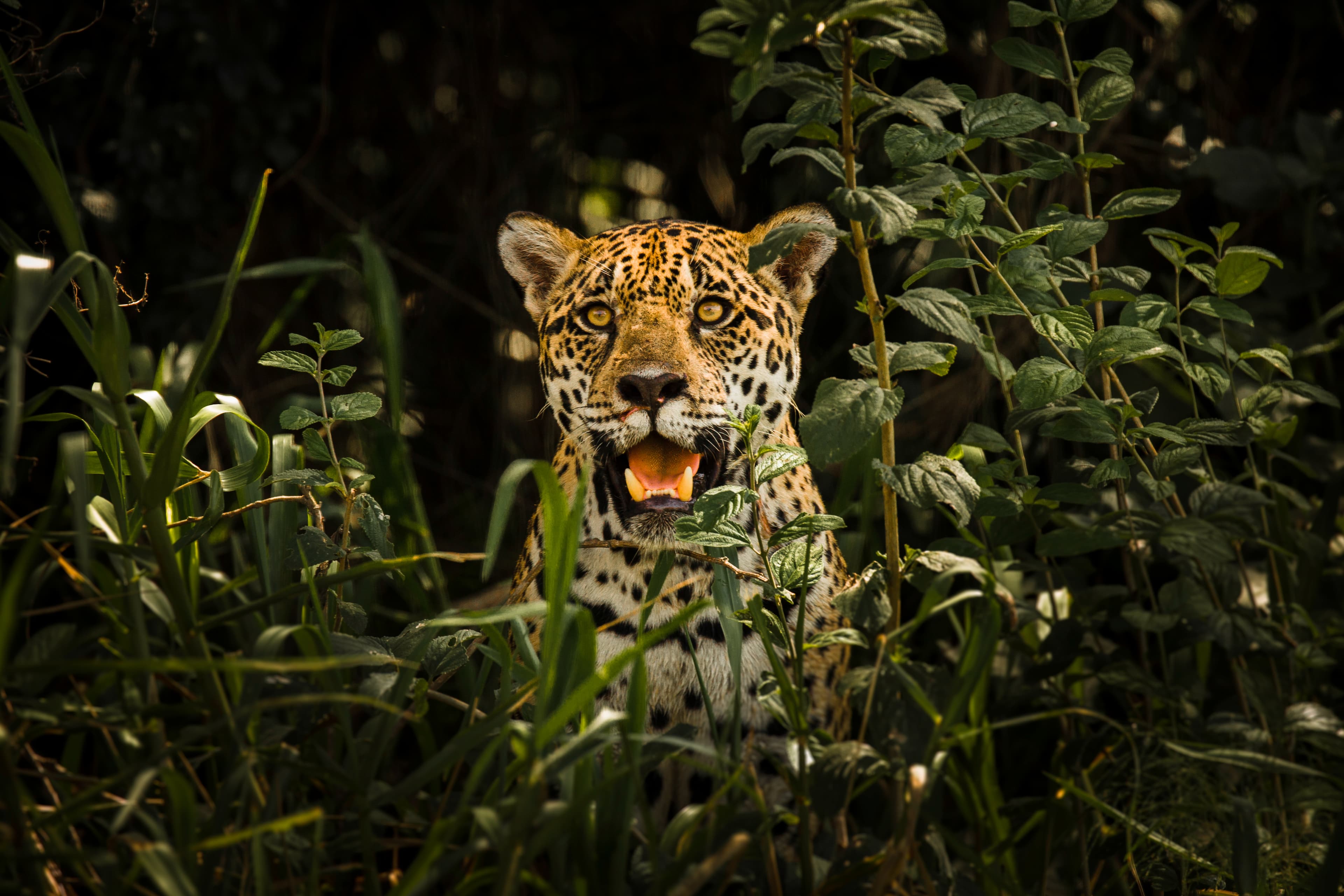
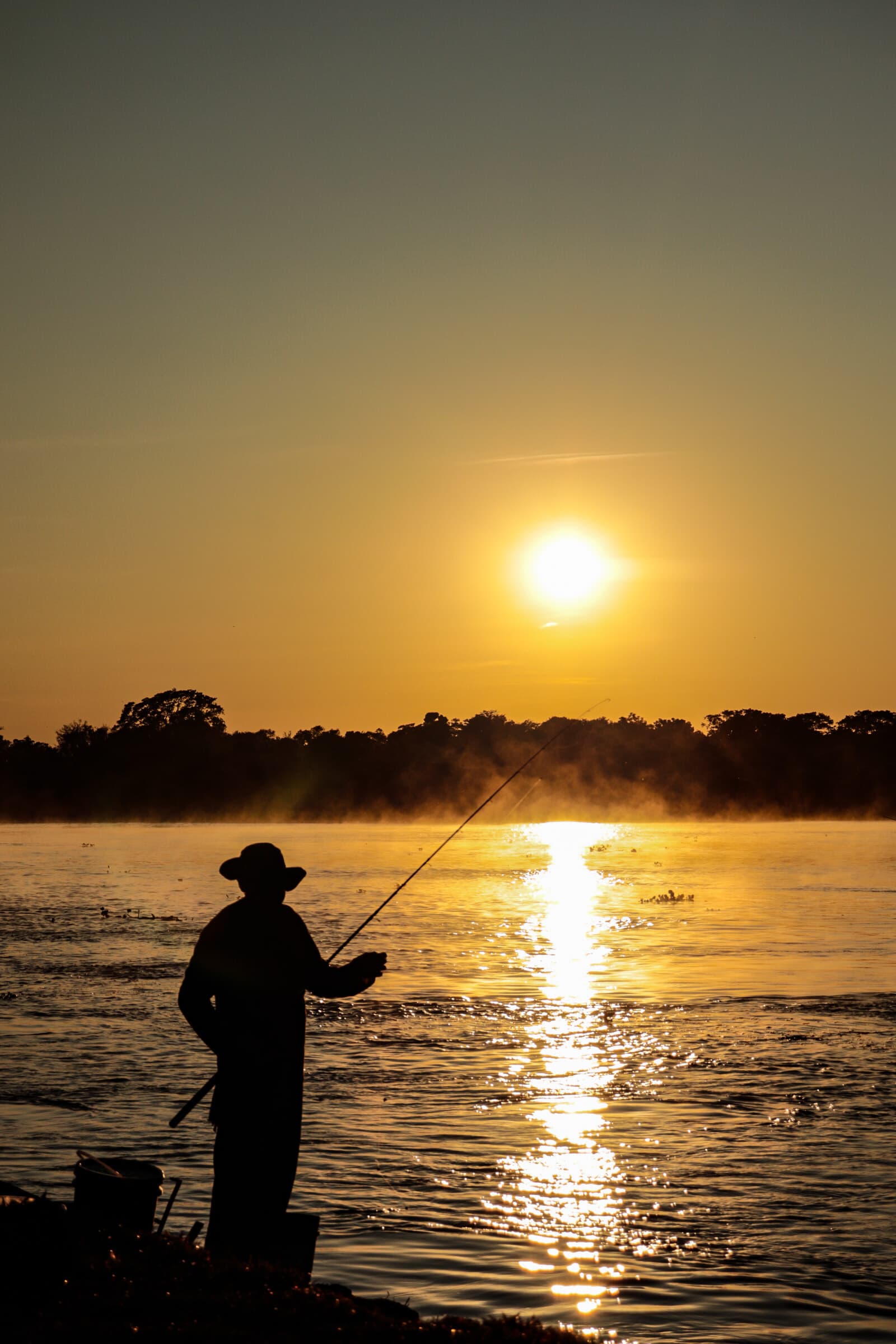
Editorial guide with history, culture, and practical tips to plan your trip.
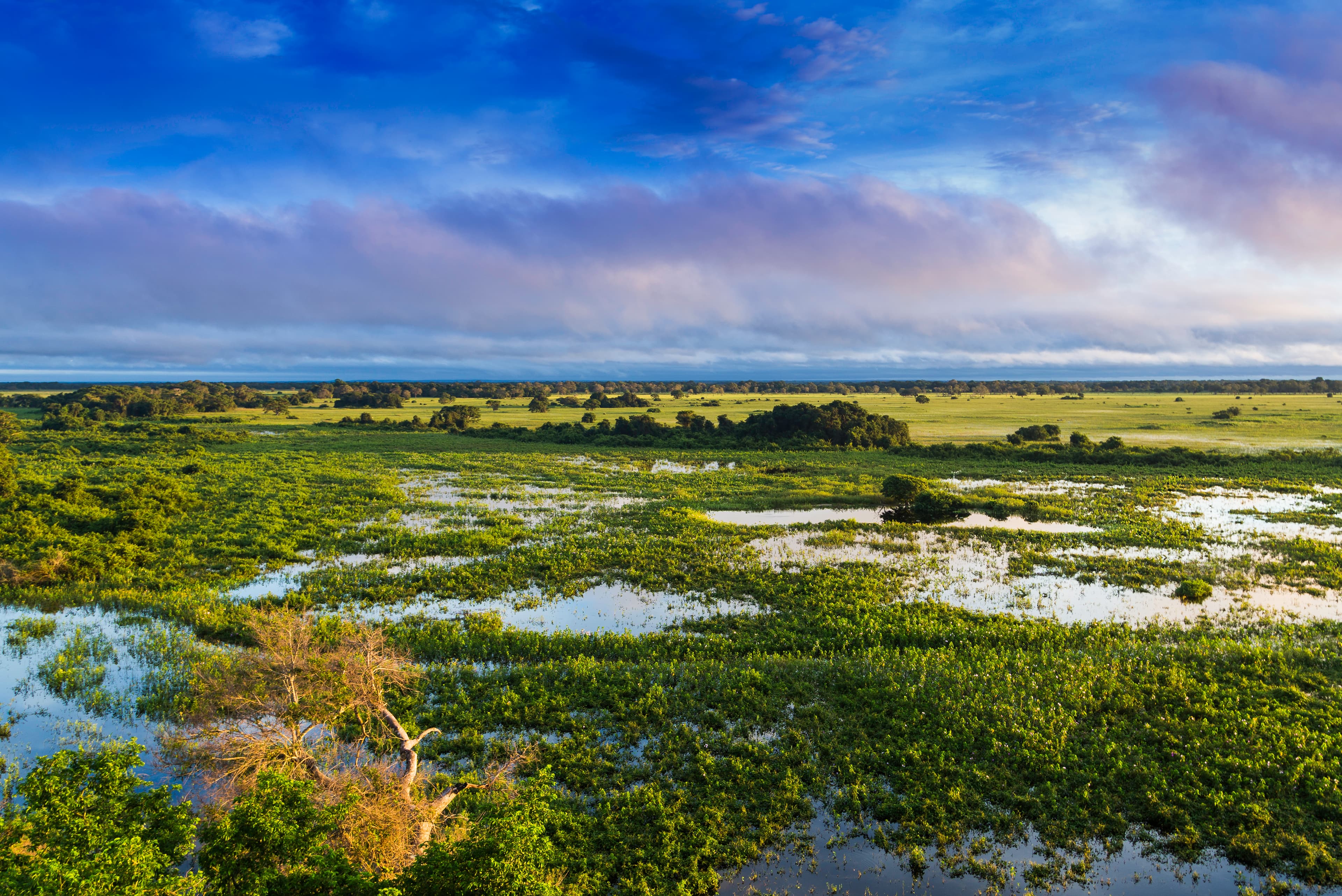
The Pantanal is one of the planet's most spectacular and magnificent biomes, recognized as an ecological complex of vital importance for global biodiversity. More than just a landscape, it represents a unique ecosystem, mainly constituted by a vast steppe savanna. This characteristic defines its physical structure, combining typical elements of floodplains with the dry features of savannas.
Its cyclical and predominantly flooded nature gives it an incomparable wild charm. The Pantanal is largely dominated by water, which radically transforms the landscape throughout the year. It is this hydrological dynamic that shapes all the animal and plant life in the region.
In terms of impressive dimensions, this biome covers a colossal area. The most cited estimates point to an extension of 250,000 square kilometers. Furthermore, due to the complexity and inherent difficulties of measuring such vast sizes, secondary references are found placing its area at approximately 210,000 km², underlining the territorial magnitude of this Brazilian natural heritage.
Although detailed historical records about the Pantanal are limited by available data, it is possible to outline its geographical significance over time. The biome has always been shaped by the constant interaction between its waters and its steppe savanna structure.
The natural history of the Pantanal is intrinsically linked to hydrological cycles, which are the driving force behind the formation of the plains and fields. This fluvial dynamic molded a resilient landscape, where life and water intertwine in a perpetual cycle of flooding and drought.
The geographical challenges and vast extent—whether referenced at 250,000 km² or via alternative estimates—ensured that the Pantanal was, for a long time, an area of great mystery and unexplored beauty to past peoples.
The culture associated with the Pantanal Complex reflects the intimate coexistence between man and a natural environment of epic proportions. The life of local communities is dictated by water cycles, demanding profound adaptation and respect for the wild nature surrounding them.
Human existence in the region is linked to the characteristics of the biome: the flooded steppe savanna imposes unique challenges but also provides singular resources. The traditions and know-how of local populations tell stories of resistance and harmony with this magnificent environment.
The cultural experience in the Pantanal is, above all, an immersion into the rural life of the 'Pantaneiro' (local resident), a way of life shaped by territorial vastness and the slow rhythm dictated by high and low waters. Culture here is synonymous with respect and observation.
Geometrically speaking, the Pantanal Complex emerges as one of the largest examples of floodplains in the world. Its physical composition is marked by being a steppe savanna at its core, but with the particularity of being extensively flooded by hydrological dynamics.
The average altitude of this biome stabilizes around 100 meters above sea level. This relatively low level contributes to the Pantanal being extremely vulnerable and sensitive to rainfall variations, making water a defining geographical element.
Its immense scale is its most striking feature: speaking of dimensions, data point to a monumental area of 250,000 km². It is important to note that this measurement is not trivial; there are inherent difficulties in mapping such a heterogeneous and vast territory. Thus, complementary references estimate the region's size at approximately 210,000 km², reaffirming its status as a geographical giant.
The climate of the Pantanal is characteristic of a tropical and subtropical transition, deeply influenced by flooding cycles. This water influence modulates temperatures and humidity throughout the year.
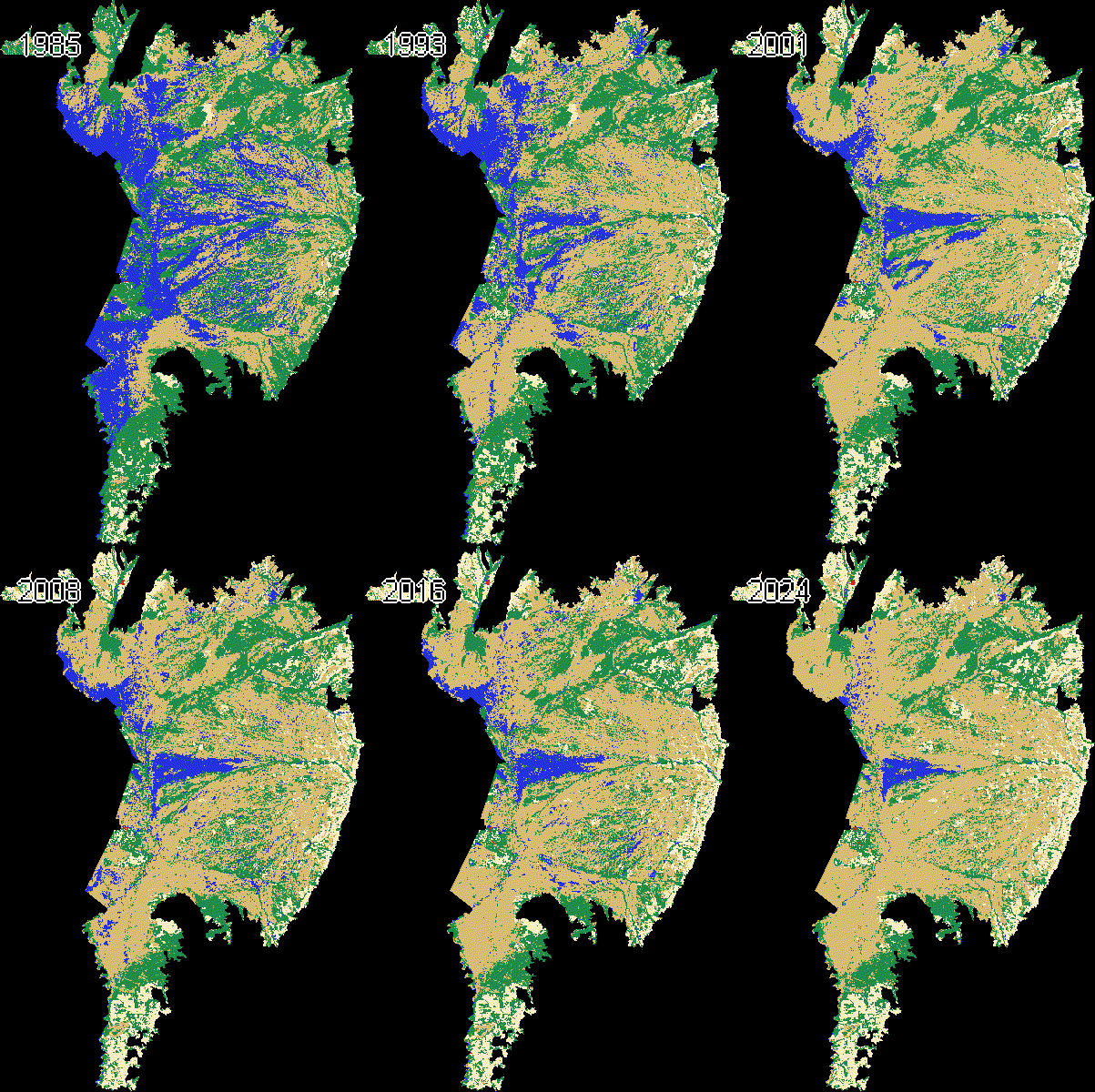
Seasonality is the most climatically relevant aspect. The wet periods dramatically raise the water level, transforming much of the savanna into flooded areas. Conversely, dry periods expose the ecosystems and concentrate animal life in the few remaining waters.
The combination of average altitude (near 100 meters) with the tropical regime guarantees a temperature that, while variable, is essential for sustaining such rich biodiversity. The climatic cycle therefore determines not only the weather, but the very way the biome reveals itself to visitors.
Tourism in the Pantanal is intrinsically linked to wildlife viewing and the experience of immersion in a grand natural environment. The main tourist attraction is precisely its cyclical nature, where the visitor can witness different landscapes depending on the time of visit.
Tourist activities are designed to take advantage of the flooded steppe savanna: photographic safaris, canoe trips, and birdwatching become memorable experiences. The biome offers a continuous spectacle of wildlife on a grand scale.
The vastness of the Pantanal (with its 250,000 km² or more) ensures that the tourist experience is always a journey through unique and pristine landscapes. It is an ecology-focused tourism, centered on respecting natural cycles and enjoying the privilege of witnessing the cycle of life in its wildest state.
One of the most noticeable characteristics of the Pantanal is its identity as a steppe savanna that dramatically transforms under the influence of water. This duality—semi-dry and extremely flooded—creates a unique biome in the world.
The fact that it is possible to find references regarding its size in different numbers, such as 250,000 km² or 210,000 km², does not diminish its magnitude; on the contrary, it reinforces the immensity and difficulty of quantifying such a vast biome.
The constant average altitude of 100 m contributes to keeping the Pantanal in a crucial ecological transition zone. The beauty of the place lies in its ability to sustain abundant life, regardless of the extreme fluctuations dictated by its water regime.
Everything you need to know to plan your trip
Reference figures to help plan your trip
Attractions
9
Selected stays available to book
Hotels and experiences in the area
Everything you need to know to plan your trip
It is a biome mainly constituted by a steppe savanna, characterized by being flooded for most of its extent.
The Pantanal is located in Mato Grosso (MT).
The region has an extension of 250,000 square kilometers, though there are references mentioning an area around 210,000 km².
The region's average altitude is about 100 meters.
The Pantanal is a biome that combines steppe savanna with flooded characteristics, reflecting its humid and seasonally inundated nature.
Extend your trip to incredible destinations nearby
We personalize every moment of your journey — from iconic landmarks to hidden cultural gems.
Available 24/7 · Personalized consultations · Local expertise
Updated on June 7, 2026
Sources