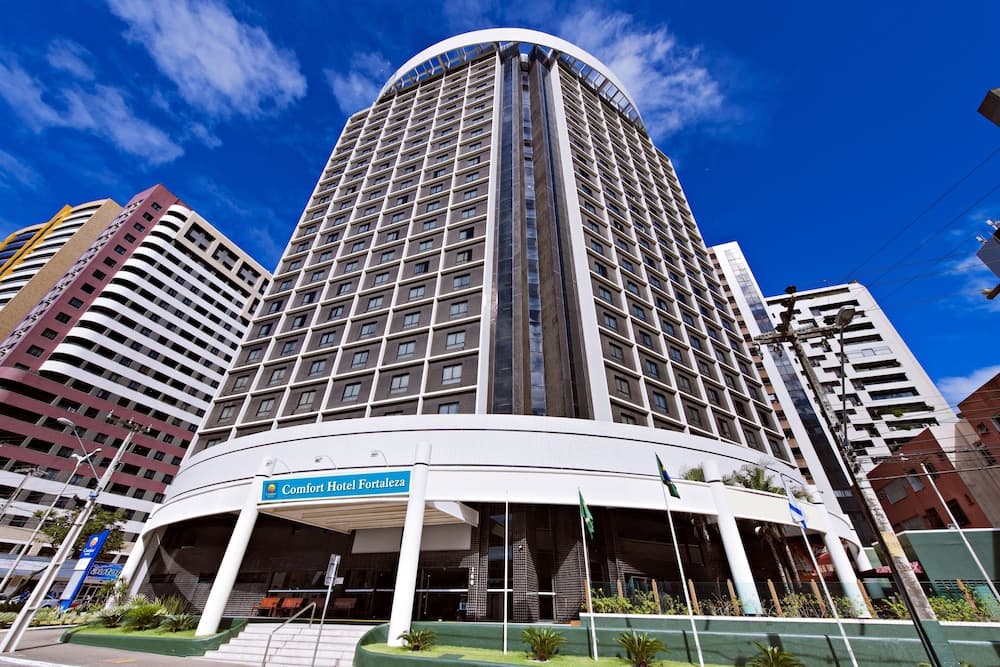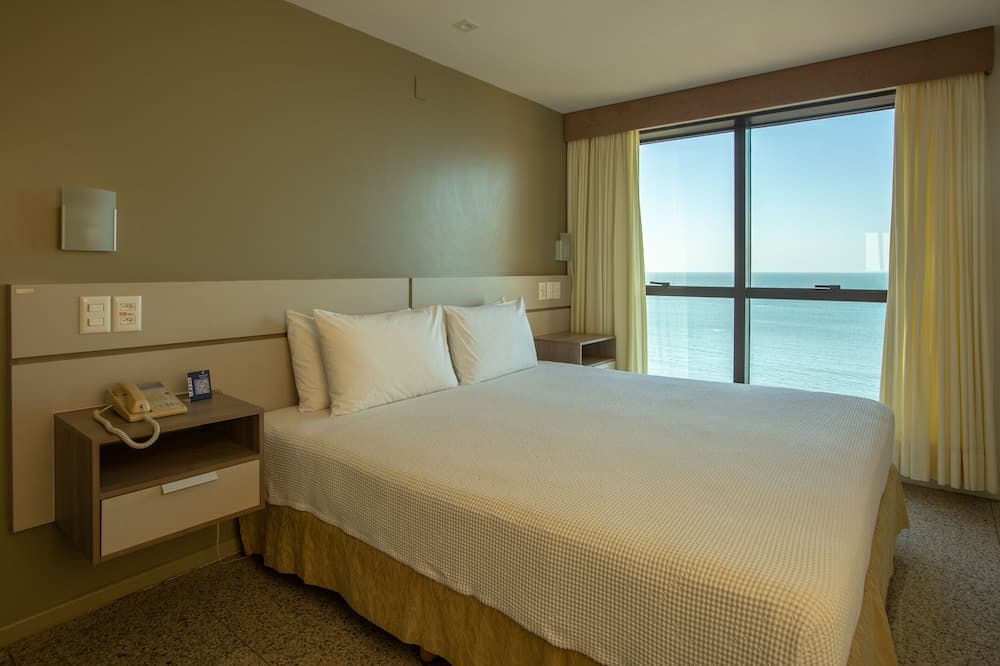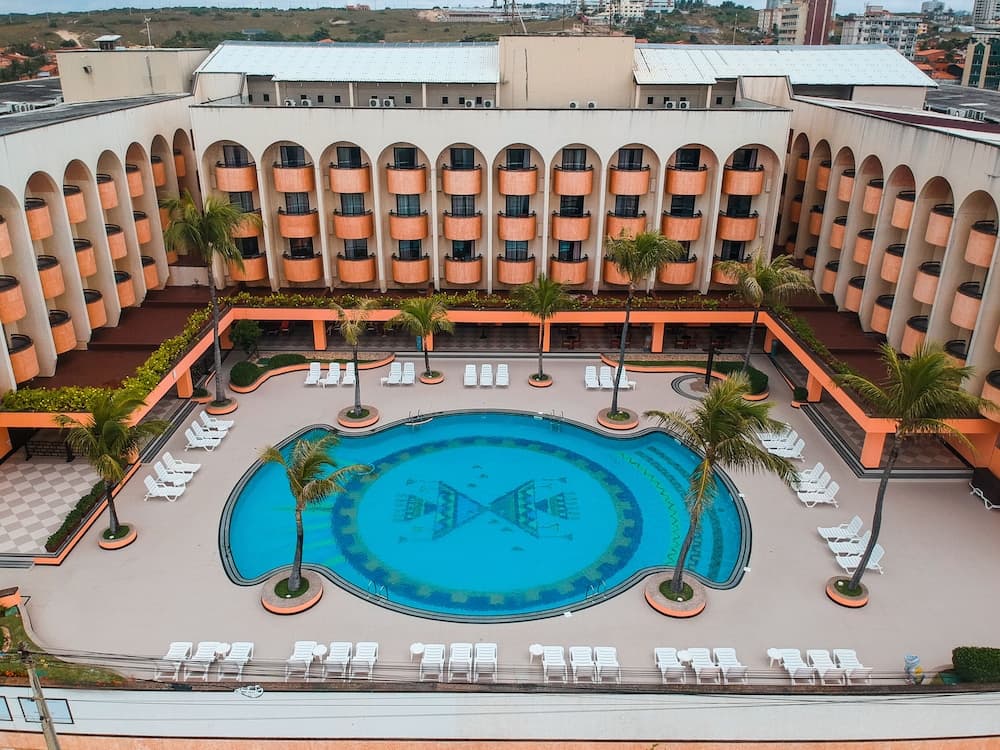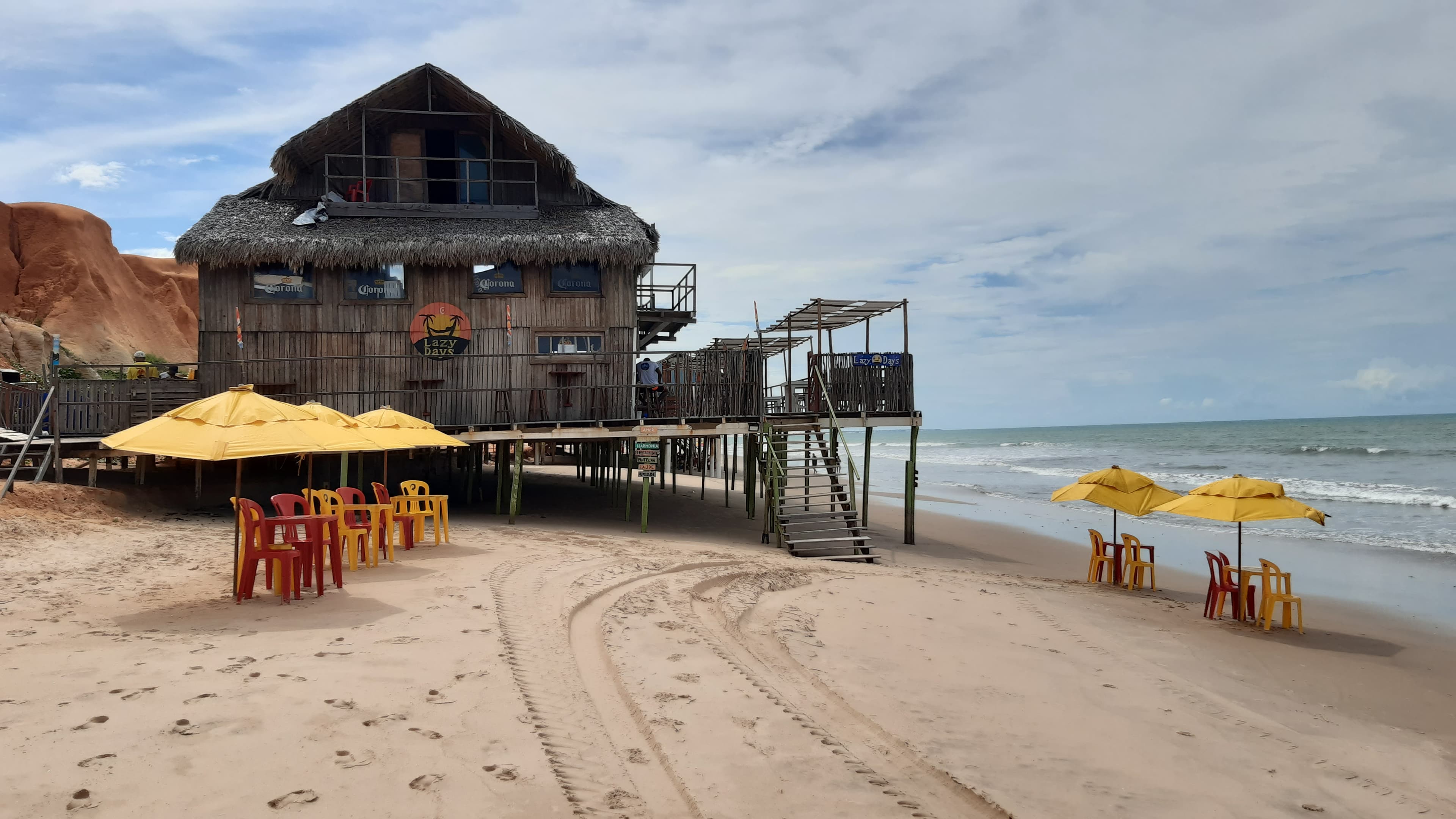
Fortaleza
Destination
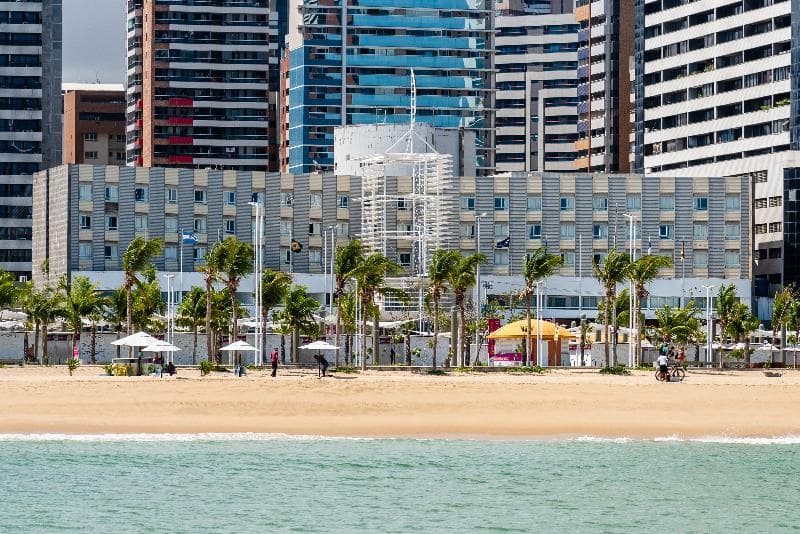
Discover Fortaleza, the capital of Ceará! Enjoy stunning beaches, rich history, and the best nightlife in the Northeast. Your paradise awaits.
Fortaleza · CE · Brasil
Photos
Discover the landscapes and culture of Fortaleza
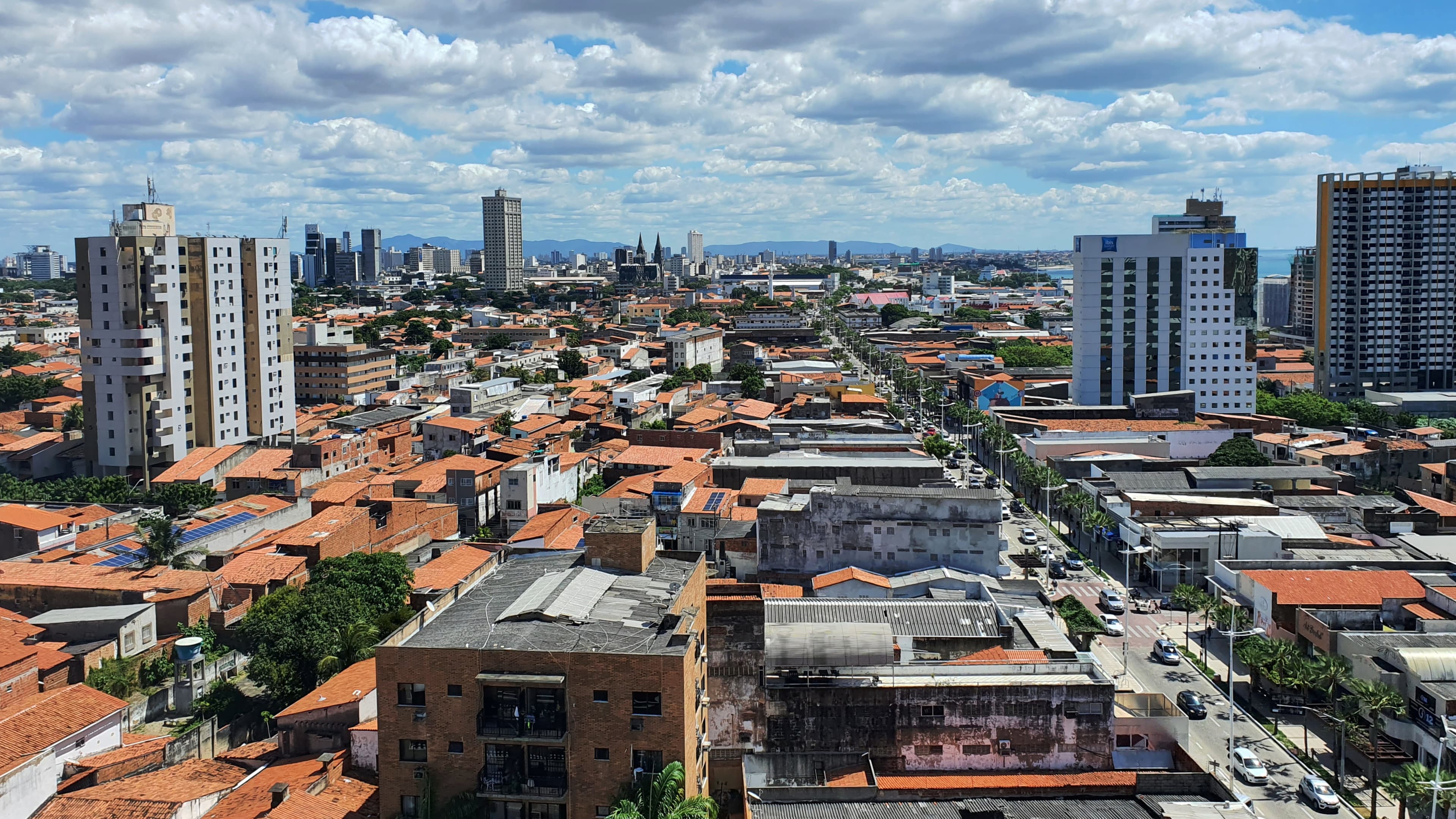

Editorial guide with history, culture, and practical tips to plan your trip.
Fortaleza is more than just the capital of Ceará state; it represents a vibrant hub of culture and development in the Northeastern Region of Brazil. Its large population, estimated at over 2.5 million inhabitants, gives it the status of a metropolis with undeniable regional importance. The city flourished throughout history in a strategic point that facilitated its growth and consolidation as one of the main tourist and economic destinations in Northeast Brazil.
Since its beginnings, Fortaleza's urban formation has been intrinsically linked to the local geography. It developed organically and resiliently along the banks of the Pajeú stream. This waterway not only shaped the initial layout of the city but also served as a vital axis for the settlement that would occur over the centuries.
The very toponymy of the city carries an impressive historical depth. The name is no accident; it refers to crucial events of occupation and defense, specifically the construction of the Schoonenborch Fort by the Dutch on two distinct occasions: its second period of stay in the area occurred between 1649 and 1654. It was this fort, and the structure it represented, that not only gave rise to the modern municipality but also defined the first coordinates of civil life in the region.
The fighting spirit and sense of purpose are encapsulated in its coat of arms. The motto present is *Fortitudine*, a word in Latin whose translation into Portuguese evokes profound meanings: strength, valor, and courage. This motto does not merely adorn the city's flag; it narrates the essence of the Ceará spirit that drives every aspect of its urban life.
Fortaleza's historical narrative is a rich tapestry, marked by resistance and adaptation. Its foundation as a settlement is linked to the European military presence in the 17th century. The most significant turning point in its early development was the Dutch occupation period.
During its second stay in the area—a crucial chronological interval that spanned between 1649 and 1654—Dutch colonizers erected an important fortification: the Schoonenborch Fort. This fort was not merely a defensive landmark; it was, fundamentally, the catalyst for the municipality's existence. The military presence structured the initial settlement and ensured that the population core became fixed in place.
It is through this period of foreign occupation and subsequent withdrawal that Fortaleza's territorial identity was born. The fort not only marked a geographical point; it gave its name, or at least inspired the name, to the community that would thrive there. This historical legacy is palpable in its old architecture and cultural traditions.
The choice of the official motto itself, *Fortitudine*, reinforces this trajectory of overcoming adversity. The connotation of 'strength, valor, or courage' reflects its inhabitants' ability to rebuild and prosper after the turbulent periods marked by the great maritime powers that disputed Brazilian territory. Fortaleza built its history on foundations of unshakeable determination.
Fortaleza's culture is a vibrant mosaic where historical resilience meets the contemporary effervescence of Northeast Brazil. The local cultural identity carries the weight of its military and commercial founding, but overflows with incomparable popular vitality.
The motto *Fortitudine* transcends the linguistic meaning of 'by/with force'; it is a philosophical concept that permeates social and artistic life. It represents the value of the Ceará grit—that ability to face challenges with courage and determination, essential characteristics for those who lived in a region marked by complex economic cycles.
Culturally, Fortaleza celebrates this strength through its music, cuisine, and festivities. It is a melting pot where traditional Northeast culture meets modern urban influences, resulting in rich and diverse artistic manifestations. The city's history, marked by periods like the Dutch influence in the 17th century, left vestiges that local artists preserve in their narratives and celebrations.
The people of Fortaleza are described for their contagious energy. This vitality is a direct reflection of the spirit expressed by its coat of arms. The local culture invites the visitor to delve not only into scenic beauty but also into the depth of a history populated by struggles and triumphs that forged an extremely strong and valuable character.
Located in the heart of Ceará state, Fortaleza is the geographical focal point of the Northeastern Region of Brazil. Its strategic position not only makes it the state capital but also a convergence hub for historical and modern trade routes, facilitating its rapid expansion.
In terms of fluvial geography, its development was significantly shaped by the Pajeú stream. The presence of this waterway allowed human settlement in a relatively fertile area for its time, making it a vital axis in the city's initial layout and driving its occupation along its banks.
The city is situated in a coastal region typical of the northeastern semi-arid zone. This unique geographical location gives the city a particular dynamic, where proximity to the sea combines with internal streams, creating a complex and fascinating urban environment to explore.
Considering its position on the national map, Fortaleza is 2,285 km from the federal capital, Brasília. This great distance does not diminish its connection with the rest of the country; on the contrary, it reinforces its role as a cultural and tourist gateway for all of the Northeast, remaining a dominant regional attraction pole.
Although the provided sources focus on historical and urban aspects, it is impossible to speak of the Fortaleza experience without considering its climate. Located on the Ceará coast, the city is under the influence of tropical semi-arid climate, a regime that characterizes much of the Northeast Region.
Urban life has developed based on a constant interaction between natural elements and human strength. The Pajeú stream and the vast coastline provide the backdrop for this cohabitation. Climate variations, typical of the region, give the city a rhythm of life marked by seasons, influencing both agricultural activities and tourist dynamics.
This tropical climate, with its intense solar incidence and constant tides in the Atlantic Ocean, contributes to the vibrant charm of architecture built alongside the water. The resilience of buildings and lifestyle in Fortaleza echoes the region's own natural resistance to climatic challenges.
Fortaleza is a multifaceted tourist destination, capable of satisfying the traveler seeking both ancient history and modern dynamism. Tourism here is not limited to the coast; it embraces cultural richness and historical depth.
The tourist interest is strongly influenced by its urban trajectory. Visiting the central areas allows tourists to draw a parallel between remnants of colonial occupation, such as the legacy of the Schoonenborch Fort (built by the Dutch in 1649-1654), and the vibrant modernity that has developed since. It is a journey through time where history and contemporaneity coexist side by side.
City tours are complemented by an intimate contact with the natural environment, using the Pajeú stream as a reference point for historical development. This geographical proximity between natural elements and urban constructions ensures that the outing is both sensory and educational. Furthermore, the cultural energy, symbolized by the motto *Fortitudine*, attracts visitors seeking authenticity and Northeast hospitality.
It is a destination that promises not only stunning beaches but also an immersion in the strength of the Ceará people. The city offers rich experiences for those who wish to understand the dynamics of a vibrant and historic regional capital.
The uniqueness of Fortaleza lies in details that tell stories of power, defense, and resilience. A fascinating curiosity is the name of its urban founding itself. It makes direct reference to the Schoonenborch Fort, a military structure built by the Dutch during their second stay in the region, between 1649 and 1654.
This event is not just historical data; it is the pillar of the municipal identity. The construction of this fort was crucial for shaping the area that would come to be called Fortaleza and gave rise to the municipality as we know it today, leaving indelible marks on its toponymy.
Another intriguing point resides in its official motto: *Fortitudine*. This Latin phrase is not merely ornamental; it encapsulates a philosophy of life. Translated into our language, it means 'by/with strength, valor, courage.' This mantra summarizes the intrinsic capacity of the Ceará people to overcome adversity and maintain an ever vigorous spirit.
Finally, it is interesting to note that its geographical location in the Northeast Region gives it the title of being a pole 2,285 km from Brasília, yet connected by unbreakable cultural and economic ties to all of Brazil. It is a city that prides itself on its historical self-sufficiency and the strength of its people.
Everything you need to know to plan your trip
Language
Portuguese
Reference figures to help plan your trip
Attractions
9
Selected stays available to book
Hotels and experiences in the area
Everything you need to know to plan your trip
Fortaleza is the capital of Ceará state, an important hub in the Northeastern Region of Brazil.
Its toponymy (name) refers to the Schoonenborch Fort, built by the Dutch between 1649 and 1654.
The Latin motto is *Fortitudine*, which means 'by/with strength, valor, or courage' and appears on the city coat of arms.
The city originally developed along the banks of the Pajeú stream.
Fortaleza has an estimated population of over 2 million inhabitants (more than 2,591,000).
Extend your trip to incredible destinations nearby
We personalize every moment of your journey — from iconic landmarks to hidden cultural gems.
Available 24/7 · Personalized consultations · Local expertise
Updated on June 7, 2026
Sources