Lisboa
Destination
Discover Lisbon, Portugal’s vibrant capital. Explore historical neighborhoods like Alfama, the Tagus River, and iconic attractions. Your perfect guide for an unforgettable trip!
Lisboa · Brasil
Photos
Discover the landscapes and culture of Lisbon
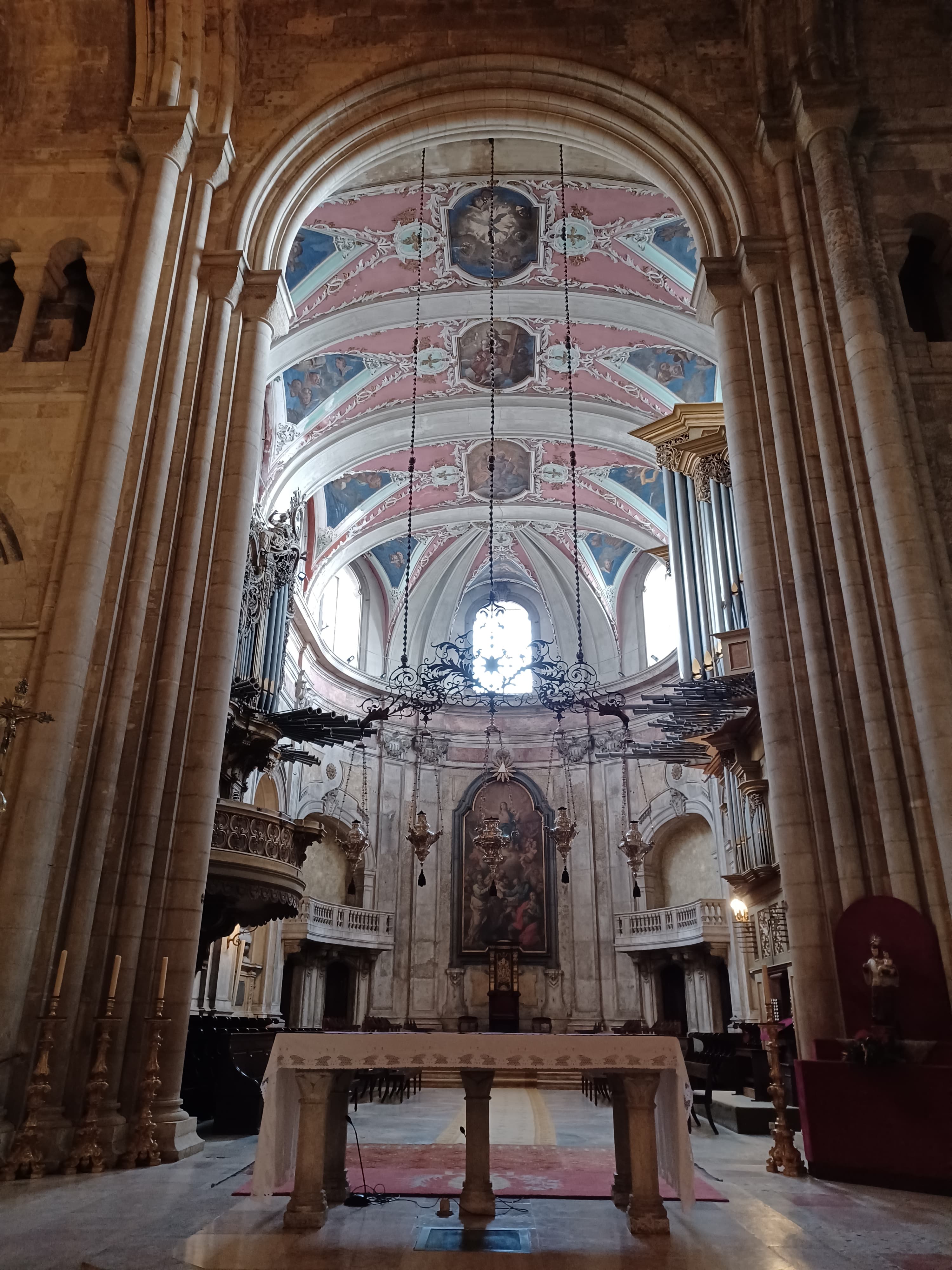
Editorial guide with history, culture, and practical tips to plan your trip.
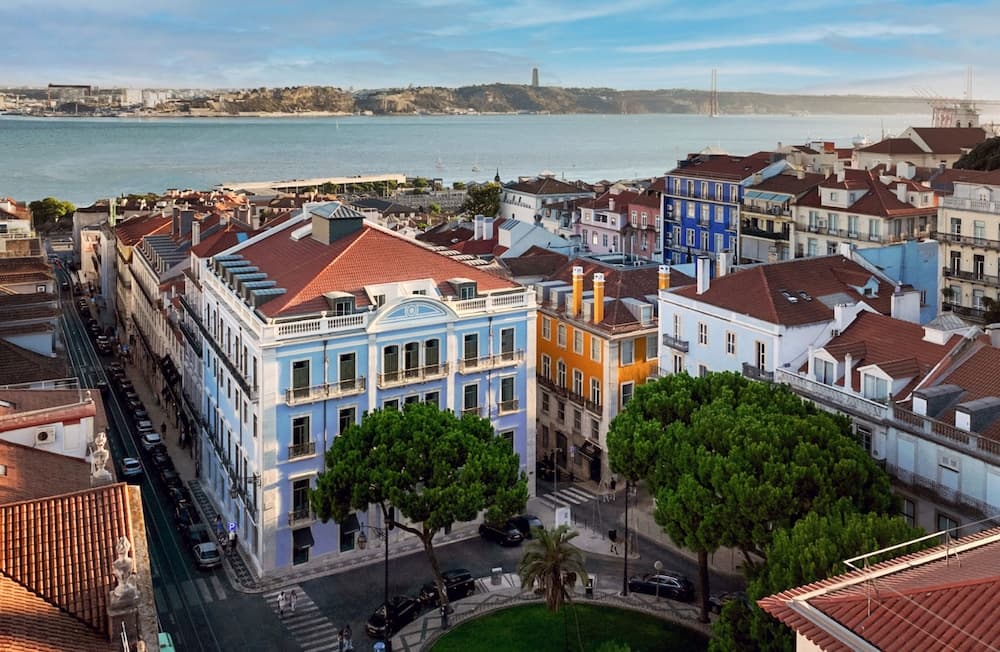
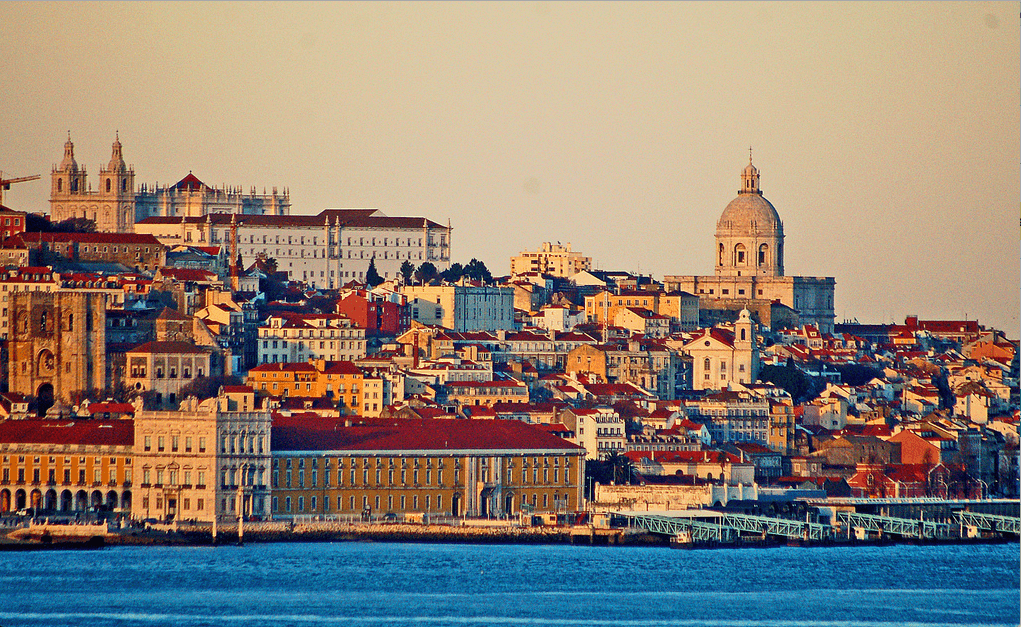
Lisbon is so much more than just a capital; it represents the vibrant heart and largest metropolis of Portugal. Strategically located in the western part of the Iberian Peninsula, this city attracts visitors with its rich urban tapestry and deep historical significance.
With an estimated size of around 100 square kilometers within its administrative boundaries, Lisbon is a dense urban area, yet one that manages to maintain a unique rhythm. In terms of population, recent data indicate an approximate estimate of 548,703 inhabitants in the year 2022. This number reflects the continuous dynamism and vitality of the population inhabiting this Atlantic jewel.
A notable aspect of Lisbon is its singular geographical positioning on the European continent. It holds the title of being the most western capital of the entire European continent, and it also stands out as the only European national capital located directly along the Atlantic coast. This fact gives the city an unmatched maritime connection to the seas, shaping its identity and way of life.
The status of a capital means that Lisbon has been a geopolitical nerve center for Portugal for centuries. Although the facts provided do not detail specific historical periods, the very nature of being the country's largest city and its role as the capital have shaped a historical trajectory rich in cultural exchange and significant developments.
Its location on the northern bank of the majestic Tagus River historically positioned it at a crucial crossroads. The river, more than just a body of water, served as a vital artery for commerce, defense, and the cultural expansion of Portuguese territory throughout the ages.
This history of central importance is evidenced by its massive urban structure. The city not only meets the needs of its resident population—estimated at over half a million inhabitants—but also functions as the economic engine driving the entire country, supported by a vast and complex metropolitan area.
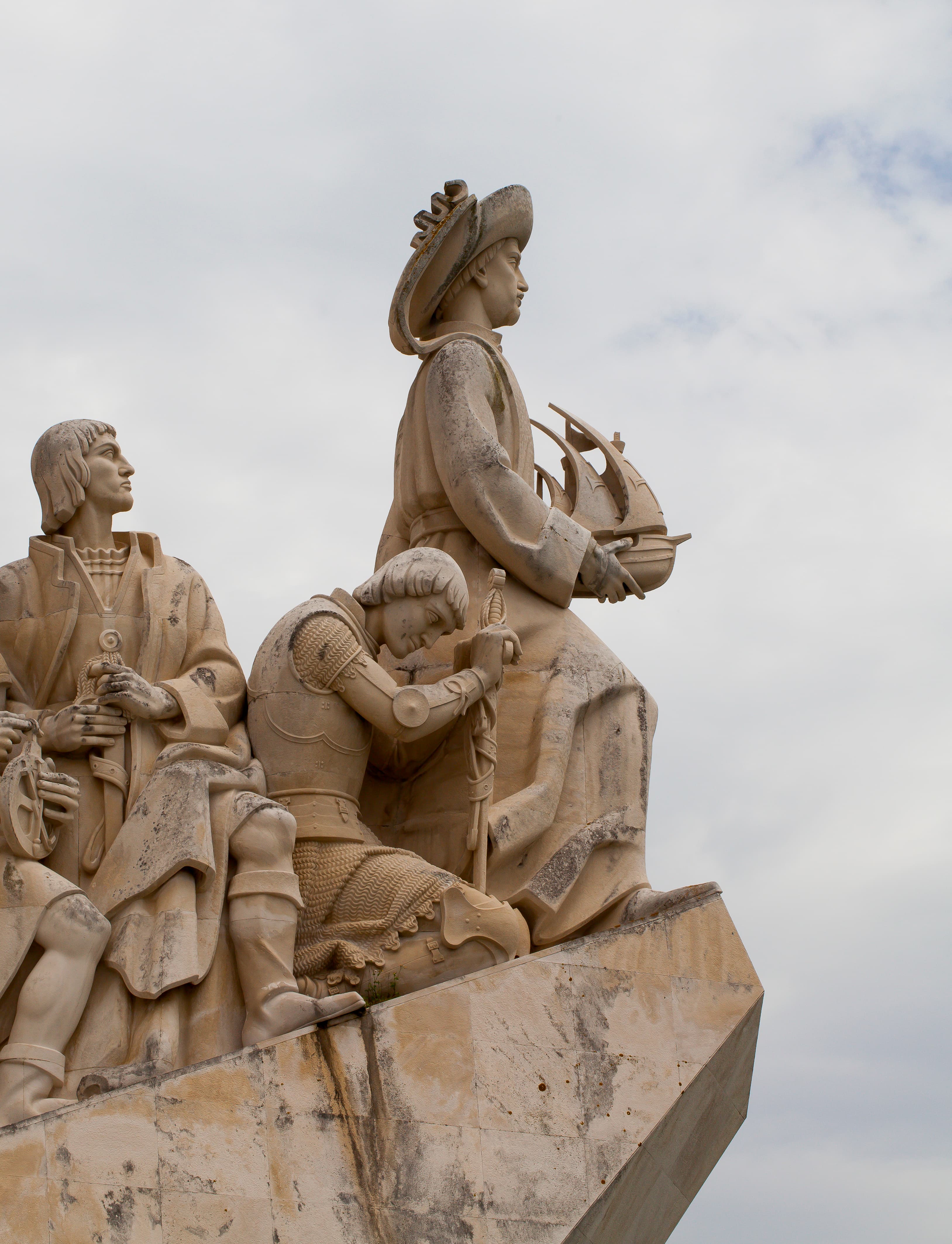
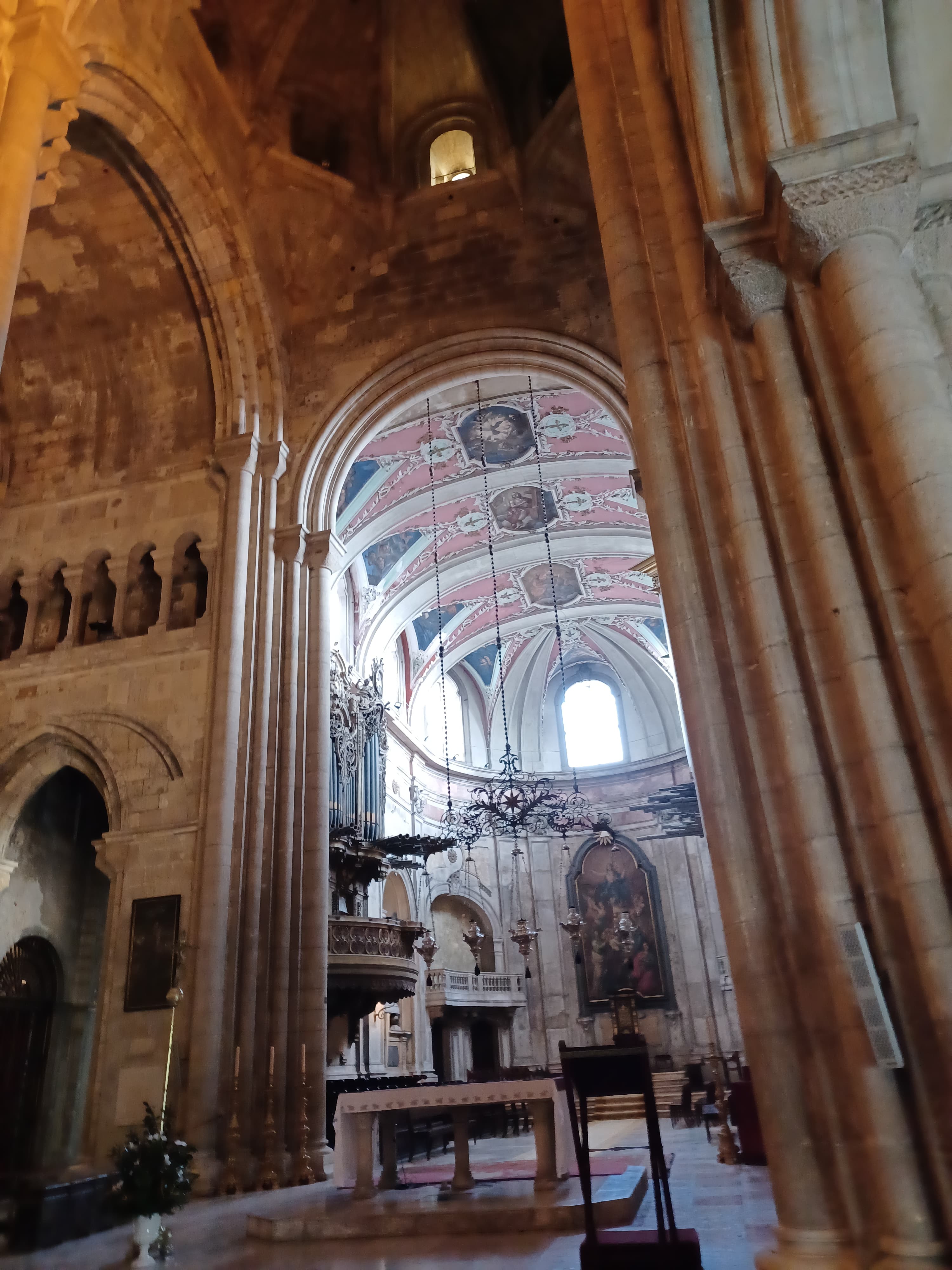
Lisbon's culture is deeply influenced by its coastal location and its historical role as a European cultural center. Experiencing life in or visiting Lisbon means immersing oneself in an environment where tradition meets modernity, all bathed in the Atlantic breeze.
The city's cultural identity is intrinsically linked to its grandeur and unique status. Being one of the few continental capitals on the Atlantic coast contributes to a sense of maritime belonging reflected in its arts, gastronomy, and festivals.
The constant flow of people—both residents and tourists drawn by its geographical uniqueness—ensures that Lisbon's culture remains vibrant and eclectic. The combination of the capital's urban pulse with the natural influences of the Atlantic creates a multi-faceted cultural backdrop, reflected in every street and corner.
Geographically speaking, Lisbon holds a privileged position in the western heart of the Iberian Peninsula. Its area is solidly situated on the northern bank of the Tagus River, an element that defines not only its commerce but also its own urban geography.
The city operates within a vast Metropolitan Area. When considering this area in a broader sense, we reach spectacular coastal regions and exceptional geographical landmarks. Prominent in this metropolitan context is Estoril, which houses a point of continental geographical relevance: Cabo da Roca (Rock Point).
This cape is particularly significant because it represents the most western point not only within the metropolitan area but across all of continental Europe. This geographic delimitation gives the region an extraordinary dimension, extending its influence and natural beauty far beyond the central limits of the capital city.
Lisbon's climate is determined primarily by its singular coastal location. Situated directly along the Atlantic coast and in the western part of the European continent, the maritime influence is constant and noticeable.
The proximity to the Atlantic Ocean moderates temperature variations, resulting in a temperate climate. The Atlantic breeze not only softens thermal extremes but also permeates the city with an unmistakable maritime atmosphere.
It is this intimate relationship between the urban environment and the vast ocean that defines much of the experience in Lisbon. Climate is an active element in daily life, marking landscapes from historic neighborhoods to the cliffs of Cabo da Roca, reinforcing the capital's eternal connection to the Atlantic.
Lisbon's touristic appeal is vast and multifaceted. It does not restrict itself merely to its historic center (which represents the most western capital of continental Europe), but covers a geographical arc that extends from the urban heart to the maritime limits.
The surrounding metropolitan area offers equally attractive tourist destinations, such as the Estoril Coast. This coastal region allows visitors to explore everything from the urban effervescence of a major capital city to the wild splendor of the Atlantic cliffs.
The pinnacle of this tourism extension is Cabo da Roca, an unmissable destination because it is the most western geographical landmark. Visiting Lisbon therefore means embarking on a journey that combines the exploration of a historical capital (with its 548,703 inhabitants and concentrated area) with the discovery of vast Atlantic coastal landscapes.
What makes Lisbon so unique, beyond simply being the capital and largest city of Portugal, is its irreplicable geographical positioning. It is not only located in the western part of the Iberian Peninsula but also carries continental titles of distinction.
A notable curiosity is that Lisbon stands out as the only major European capital whose central and historical location coincides with being situated directly on the Atlantic coast. Most other continental capitals are located on islands, a feature that accentuates the city's bond with the sea.
This maximum connection extends to its metropolitan area. By considering this scope, we discover Cabo da Roca, an extraordinary geographical landmark. This cape is officially recognized as the most western point not only of Estoril but of all continental Europe, lending the region unmatched charm and geographic dimension.
Everything you need to know to plan your trip
Currency
Euro
Language
Portuguese
Reference figures to help plan your trip
Hotels in the area
286
Attractions
9
286 properties in the area
Hotels and experiences in the area
Everything you need to know to plan your trip
Lisbon is both the capital and the largest city in the country.
The city is situated in the western part of the Iberian Peninsula, specifically on the north bank of the Tagus River.
It is considered the most western capital of continental Europe and is unique for being located along the Atlantic coast, while other capitals are situated on islands.
The estimated population in 2022 was 548,703 inhabitants, within its administrative boundaries.
Yes, it is Cabo da Roca (Rock Point), which is located on the Estoril Coast, part of its metropolitan area.
Extend your trip to incredible destinations nearby
We personalize every moment of your journey — from iconic landmarks to hidden cultural gems.
Available 24/7 · Personalized consultations · Local expertise
Updated on June 7, 2026
Sources